Latisse Cost, Prescription Care, and Ongoing Use
Latisse cost is not limited to the product itself: prescription evaluation, continued treatment, follow-up needs and individual response can all affect the overall expense. Because Latisse is a prescription medicine, a clinician should help determine whether it is appropriate before treatment begins.
Latisse Cost: The Evidence-Based Answer
Latisse cost varies because the medicine is obtained by prescription and is typically used over an extended period. The overall expense may include an initial medical consultation, the prescribed product, single-use applicators where supplied or recommended, and follow-up visits if a clinician feels monitoring is needed. Costs also differ between countries, pharmacies, healthcare systems and individual prescribing arrangements.
Rather than focusing on a single advertised figure, it is useful to consider the total course of care. Latisse contains bimatoprost, a medicine approved in some settings for hypotrichosis of the eyelashes, meaning inadequate or insufficient eyelash growth. It is applied to the upper eyelid margin as directed by a qualified prescriber and should not be confused with over-the-counter lash serums, which have different ingredients, evidence and safety considerations.
People considering treatment can ask their prescriber or pharmacist for a clear explanation of expected ongoing costs, how long a supply may last when used as directed, and whether review appointments are advised. This approach supports realistic planning while keeping treatment decisions centered on suitability and safety.
What Latisse Is and What It Can Do
Latisse is a prescription topical solution containing bimatoprost. When applied carefully to the skin at the base of the upper eyelashes, it can increase eyelash length, thickness and darkness in some people. Bimatoprost was first used in ophthalmology for other purposes, and its effect on eyelashes led to its use for eyelash hypotrichosis.
Changes are gradual rather than immediate. Eyelash growth follows a natural cycle, so visible improvement may take weeks to months of regular use. Results vary between individuals, and a prescriber can explain what outcomes are reasonable based on a person’s eyelashes, eye health and medical history.
The benefit is generally maintained only while treatment continues. If use is stopped, eyelashes commonly return toward their previous appearance over time. This is one reason that long-term use and associated costs should be considered before starting.
Latisse is not intended to treat every cause of eyelash loss. Sudden, patchy or severe eyelash thinning may be associated with skin disease, eye inflammation, hormone-related conditions, nutritional issues, medication effects or hair-loss disorders. Identifying an underlying cause is more important than starting a cosmetic treatment without assessment.
Factors That Influence the Overall Cost

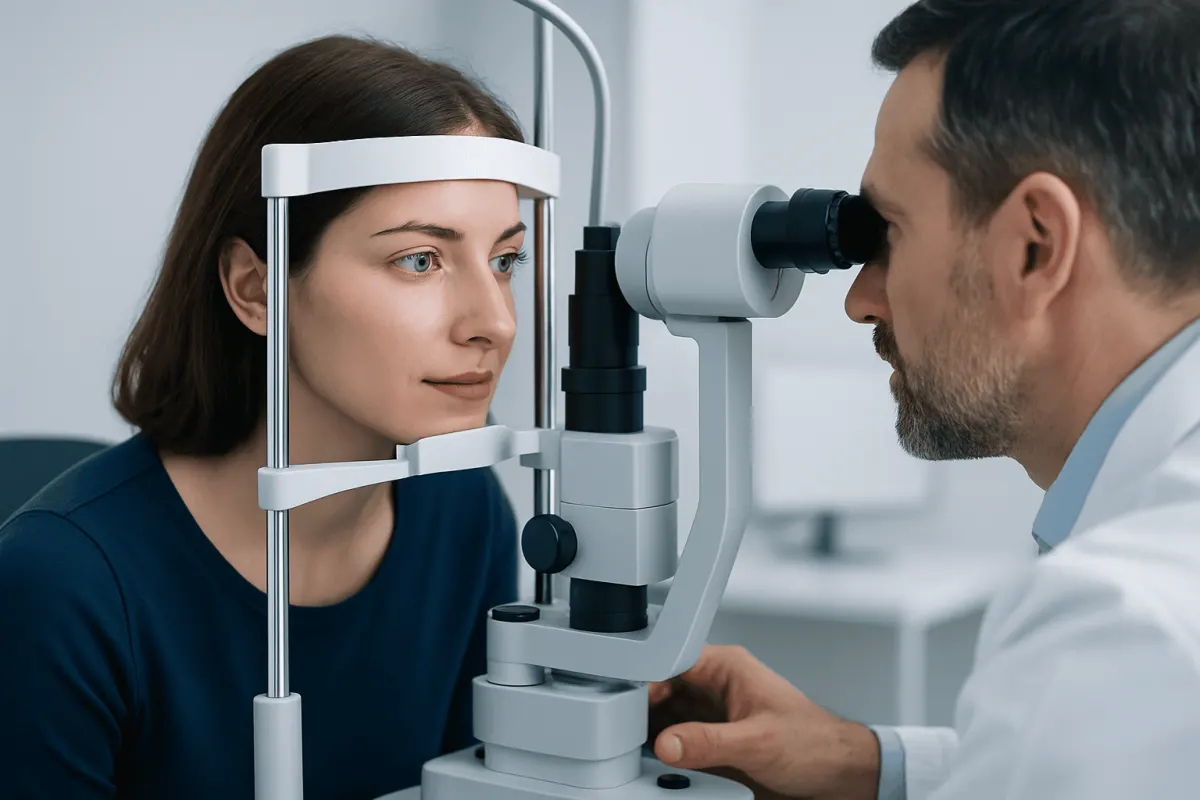
The medication itself is only one part of the financial picture. A licensed clinician may need to assess the eyelashes and eyes, review medicines and allergies, and discuss possible risks. This evaluation is particularly important for people with glaucoma, a history of eye disease, ongoing eye irritation, recent eye surgery or use of eye drops.
How consistently the medicine is used also affects planning. Bimatoprost for eyelash growth is commonly used regularly according to the prescription, and continued use may be needed to maintain its effect. A person should never use more than prescribed in an attempt to obtain faster results, as this does not improve outcomes and may increase the chance of adverse effects.
Availability and local regulations can also influence access. In many places, Latisse is prescribed for cosmetic eyelash enhancement and may not qualify for insurance reimbursement. Coverage rules differ substantially, so patients can ask their insurer whether consultations, prescriptions or treatment for a documented medical condition are included in their plan.
When comparing options, it is important to compare like with like. Products sold without a prescription may not contain the same active ingredient, may not have been evaluated for the same intended use, and may not provide the same instructions or clinical oversight. Lower upfront cost does not necessarily mean equivalent safety, quality or long-term value.
Safety Considerations That Matter Before Treatment
A medical discussion before using Latisse is important because bimatoprost can cause side effects. The most commonly reported concerns include eye redness, itching, dryness, irritation and darkening of the skin around the treated area. These effects may be mild for some people, but persistent symptoms should be reviewed by an eye-care professional.
Bimatoprost may also increase brown pigmentation of the iris, the colored part of the eye. This change may be permanent and can be more noticeable in people with mixed eye colors. It can also cause eyelash growth in areas where the solution repeatedly touches the skin, which is why careful application only to the upper eyelid margin is essential.
The solution should not be applied to the lower eyelid or directly into the eye. Contact lenses are usually removed before applying eye-area medicines, and hand hygiene helps reduce irritation or infection risk. The exact instructions supplied with the prescription should be followed, as product labeling and clinician advice may vary by location.
People using medication for glaucoma or elevated eye pressure should tell the prescribing clinician. Bimatoprost can affect intraocular pressure, and coordinated care may be appropriate. Anyone with active eye infection, eye injury or recent ocular surgery should seek individualized medical advice before beginning or restarting treatment.
A Practical Discussion With a Prescriber
A useful consultation goes beyond asking about Latisse cost. A clinician can clarify whether eyelash thinning is longstanding or new, whether both eyes are affected, and whether there are accompanying symptoms such as eyelid scaling, redness, hair loss elsewhere or vision changes. This helps distinguish cosmetic concerns from signs that may need medical investigation.
Patients can bring a list of current medicines, eye drops, supplements and previous eye procedures. They may also wish to ask how the product should be applied, what side effects warrant contact with the clinic, how progress should be assessed and what alternatives may be suitable if Latisse is not recommended.
For some individuals, reassurance, treatment of an underlying eyelid or skin condition, or avoiding irritants may be more appropriate than eyelash-growth medication. If a hair-loss condition is suspected, a clinician may recommend further assessment. For example, alopecia areata can sometimes affect eyebrows or eyelashes and needs a different diagnostic approach.
At Acıbadem Health Point, multidisciplinary specialists and JCI-accredited hospitals can evaluate eye-area concerns and provide individualized care for international patients. Any treatment plan should be based on clinical assessment, local product approval and informed discussion of benefits, limitations and risks.
Safe Use and Everyday Self-Care
If Latisse is prescribed, using it exactly as instructed is the safest approach. More frequent application, applying extra solution or sharing the product with another person should be avoided. A clean, single-use applicator may be recommended to reduce contamination, and the bottle tip should not touch fingers, surfaces or the eye area.
Makeup, contact lenses and other products used around the eyes may affect comfort or application routines. Patients should ask their clinician how to coordinate Latisse with their usual eye-care products. They should also avoid applying it onto broken, inflamed or infected skin unless specifically advised otherwise.
General eyelash care can help prevent unnecessary breakage. This includes removing eye makeup gently, avoiding repeated rubbing of the eyes, replacing old eye cosmetics and taking care with eyelash curlers, extensions or adhesives. These measures do not replace treatment for a medical cause of eyelash loss, but they may reduce mechanical damage.
Photographs taken in similar lighting before treatment and at clinician-recommended intervals can help document gradual changes without relying on day-to-day impressions. Patients should avoid judging effectiveness too early and should discuss concerns rather than altering the treatment routine themselves.
When to Seek Medical Care
Medical advice should be sought promptly for significant eye pain, marked redness, swelling, discharge, light sensitivity, new vision changes or signs of an allergic reaction. These symptoms may not be caused by Latisse, but they should not be ignored because eye conditions can require timely evaluation.
A person should also arrange a clinical review if eyelashes begin falling out suddenly, if loss is patchy, or if it occurs with scalp hair loss, rash, eyelid crusting or other changes in health. Treating the cause may be more beneficial than focusing only on eyelash appearance.
Pregnant or breastfeeding individuals, those planning pregnancy, and people with a history of eye disease should speak with an appropriate clinician before using prescription eyelash treatments. A pharmacist, ophthalmologist, dermatologist or prescribing healthcare professional can provide advice tailored to the person’s health situation.
Routine follow-up is also appropriate if side effects are bothersome, if there is uncertainty about application, or if expected changes do not occur after an adequate clinician-guided trial. Safe care includes reassessing whether the treatment remains worthwhile and appropriate over time.
Frequently asked questions
01What determines Latisse cost?
Latisse cost can include the prescription medicine, an initial medical assessment, applicators and any recommended follow-up care. It also depends on local pharmacy pricing, healthcare regulations and whether a person needs ongoing treatment to maintain results.
02Is Latisse usually covered by insurance?
Latisse is often used for cosmetic eyelash enhancement, so insurance coverage may be limited or unavailable. Coverage varies by insurer and location, and patients can contact their insurance provider to ask about their individual plan.
03How long does Latisse take to work?
Eyelash changes develop gradually because lashes grow in cycles. Some people notice improvement after several weeks, while fuller results may take several months of regular, prescribed use.
04Will eyelashes return to normal if Latisse is stopped?
In many people, eyelashes gradually return toward their previous appearance after treatment is discontinued. The timing differs between individuals and reflects the normal eyelash growth cycle.
05Can anyone use Latisse for thin eyelashes?
Not everyone is a suitable candidate. A clinician should review eye health, current eye medicines, pregnancy or breastfeeding status, allergies and the possible cause of eyelash thinning before prescribing it.
06What side effects should be discussed before using Latisse?
Potential effects include eye irritation, redness, itching, darkening of eyelid skin and unwanted hair growth where the solution contacts skin. A change in iris color is less common but may be permanent, so patients should discuss this risk before treatment.
This article is for general information only and is not a substitute for professional medical advice. Please consult a qualified doctor about your individual situation.
Explore treatments in Turkey — costs, top hospitals & a free quote
JCI-accredited · board-certified surgeons · reply within 24h
Add us as a Preferred Source to see more of our trusted health content across Google Search, AI Overviews and Discover.