Lash Mites Symptoms: Signs, Causes and When to See a Doctor

Key Takeaways
- Lash mites symptoms often involve itchy, red, irritated eyelids rather than a visible problem on the lashes themselves.
- Many people carry Demodex mites without issues; symptoms are more likely when the eyelid environment is inflamed or the skin barrier is disrupted.
- A doctor can confirm whether symptoms are due to Demodex-related blepharitis or another eye condition with similar signs.
- Treatment usually focuses on eyelid hygiene, managing inflammation, and addressing any underlying skin or eye issues.
- Persistent eye discomfort, vision changes, or recurrent eyelid crusting should be evaluated by an eye care professional.
Lash mites symptoms usually refer to irritation linked to Demodex mites around the eyelashes and eyelids. Many people have no symptoms, but persistent itching, redness, crusting, or a gritty eye feeling can suggest an eyelid problem that deserves medical attention.
Overview
When people search for lash mites symptoms, they are usually asking about irritation around the eyelashes caused by tiny mites called Demodex. These mites live in or near hair follicles and oil glands on the skin, including the eyelids. For many people, they never cause trouble. For others, they may contribute to eyelid inflammation known as blepharitis.
The important point is that symptoms are not caused by the mites alone. They usually appear when the eyelid area becomes inflamed, the skin barrier is disturbed, or another eye condition is present at the same time. That is why a person may notice ongoing discomfort even if the lashes themselves look normal at first glance.
Understanding the difference between a harmless skin inhabitant and a symptomatic eyelid condition can help people seek the right care without panic. The goal is not to “eliminate every mite,” but to relieve irritation, protect the eyes, and address whatever is driving the inflammation.
Symptoms
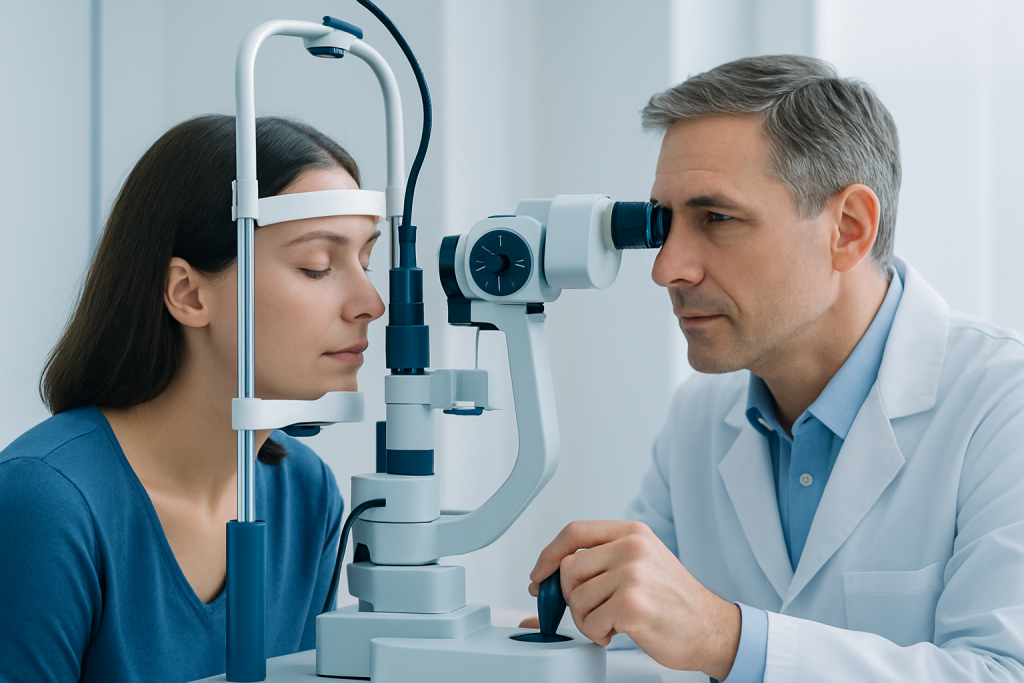
The most common lash mite-related complaints affect the eyelids and the surface of the eyes. People often describe a gritty, sandy, or burning feeling, especially on waking or after long periods of screen use. The eyelids may feel itchy, tender, or heavy.
Visible clues can include redness along the lash line, flaky debris or crusting at the base of the eyelashes, and eyelashes that seem stuck together in the morning. Some people notice frequent blinking, watery eyes, or a sensation that something is in the eye even when nothing is visible.
Less commonly, the lashes may become sparse, grow in an unusual direction, or break more easily if inflammation has been present for a while. Symptoms can come and go, but they often linger if the underlying eyelid irritation is not treated.
- Itchy eyelids or lash line
- Redness along the eyelid margins
- Crusts, flakes, or debris at the base of lashes
- Burning, stinging, or gritty eye discomfort
- Watery eyes or increased sensitivity
- Morning stickiness of the eyelids
Because these signs overlap with dry eye, allergies, and other forms of blepharitis, symptom pattern matters more than any single symptom alone. A doctor may look for a combination of eyelid findings before considering Demodex involvement.
Causes & Risk Factors

Demodex mites are a normal part of the skin’s microscopic ecosystem. They are more likely to become a problem when there is an imbalance in the eyelid area, such as excess oil, blocked glands, or inflammation. In that setting, the eyelids may become a more comfortable place for mites to multiply and irritate the skin.
Some people may be more prone to symptoms because of age, skin type, or pre-existing eye or skin conditions. Dry eye, rosacea, seborrheic dermatitis, and chronic blepharitis can all make eyelid irritation more likely. A weakened immune system may also increase the chance that a normally quiet infestation becomes symptomatic.
Risk factors are not a sign that a person has done something wrong. They simply describe conditions that can make eyelid inflammation more likely.
- Older age
- Oily skin or eyelid gland dysfunction
- Rosacea or facial redness
- Chronic dry eye
- Seborrheic dermatitis
- Poor eyelid hygiene or buildup along the lash line
It is also worth remembering that symptoms may be caused by something other than mites, even when the eyelashes look irritated. Allergic conjunctivitis, bacterial blepharitis, contact lens irritation, and dry eye disease can create a very similar picture.
Diagnosis
Diagnosis usually begins with a careful eye examination. An eye care professional may ask when the symptoms started, whether they are worse in the morning, and whether there are skin conditions such as rosacea or eczema. The eyelids and lashes are then examined closely for redness, debris, crusting, and gland blockage.
In some cases, the doctor may inspect a few eyelashes under magnification to look for mites or signs that suggest Demodex-related blepharitis. This is not always necessary, because treatment decisions are often based on the overall pattern of findings rather than a single test result.
Accurate diagnosis matters because different causes of eyelid irritation are treated in different ways. A person with dry eye may need tear support and gland care, while someone with infection or allergy needs a different plan. That is why self-diagnosing from symptoms alone can be misleading.
For international patients arranging care from another country, a detailed history, photos of the eyelids, and a description of previous treatments can help the consultation move efficiently. This can be especially useful when symptoms have already been present for some time or have returned after temporary improvement.
Treatment Options
Treatment depends on the cause and the severity of the symptoms. For many people, the foundation is consistent eyelid hygiene. Gentle cleansing of the lash line can help reduce debris and support a healthier eyelid environment. Warm compresses may also be recommended when blocked oil glands or associated dry eye are part of the picture.
When Demodex is believed to play a major role, an eye doctor may recommend specific lid-care products designed for the eyelids. In some situations, prescription treatments are used to reduce inflammation or manage overlapping conditions such as bacterial blepharitis or rosacea. The exact choice depends on the clinical findings and the person’s overall eye health.
It is important to avoid self-treating with harsh home remedies, essential oils, or products not meant for the eyes. The eyelid skin is delicate, and irritating it further can worsen symptoms. A treatment plan should be guided by a qualified professional, especially if symptoms are recurrent.
For people traveling for care, treatment planning may include a practical follow-up schedule, instructions for home eyelid care, and coordination with a local eye specialist after returning home. At Acibadem Health Point, multidisciplinary specialists and JCI-accredited hospitals diagnose and treat this condition for international patients as part of a coordinated care pathway.
Prevention & Self-care
There is no guaranteed way to prevent Demodex mites from living on the skin, but eyelid care can reduce the chance that they become a problem. Regular, gentle cleaning of the eyelid margins may help remove buildup and support healthier lashes. People with dry eye or rosacea may benefit from treating those conditions consistently as well.
Simple habits often make a meaningful difference. Avoid sharing eye makeup, replace old mascara and eyeliner as advised, and remove makeup thoroughly at the end of the day. If contact lenses are used, proper lens hygiene is important because irritated eyes can become more sensitive to additional stress.
Helpful self-care steps may include:
- Cleaning the lash line as directed by an eye care professional
- Using warm compresses when recommended
- Taking breaks from screen time to reduce eye strain
- Managing skin conditions such as rosacea or seborrheic dermatitis
- Avoiding rubbing the eyes, which can increase irritation
Self-care should be steady rather than aggressive. The eyelids respond best to gentle, regular attention, not scrubbing or strong cleansers. If symptoms keep returning, that is a sign to seek medical assessment rather than intensify home treatment.
When to See a Doctor
Medical evaluation is a good idea when eyelid irritation lasts more than a short time, keeps returning, or does not improve with basic self-care. A doctor should also be consulted if there is pain, notable swelling, thick discharge, or sensitivity to light, since those signs can point to a different eye problem.
Vision changes deserve prompt attention. Blurred vision, trouble keeping the eye open, or worsening redness can indicate corneal involvement or another condition that needs treatment. The same is true if symptoms affect only one eye, because that pattern can sometimes suggest a localized problem rather than simple irritation.
People who already have dry eye, rosacea, eczema, or a history of chronic blepharitis may want earlier assessment if symptoms change. For travelers, it is often easier to arrange a specialist visit before leaving the country where care will be delivered so testing and treatment can begin without delay.
Seeking care is not a sign that the situation is severe; it is a practical way to make sure the correct cause is identified and the treatment is suited to the eye surface, the eyelids, and the person’s broader health context.
Living With Recurring Eyelid Irritation
Recurrent eyelid symptoms can be frustrating, especially when they interfere with comfort, makeup use, contact lenses, or sleep. The good news is that many people improve once the underlying cause is identified and a simple daily routine is in place. Consistency is often more effective than short bursts of intense treatment.
It can help to think in terms of management rather than a one-time fix. The eyelids may need ongoing care, especially if dry eye or skin inflammation is part of the picture. Follow-up appointments allow the doctor to adjust treatment, check the ocular surface, and make sure the symptoms are not being caused by something else.
For patients coordinating care from abroad, clear written instructions and planned follow-up are particularly valuable. They help the person continue eyelid care safely after returning home and know when to request another evaluation if symptoms change.
Frequently asked questions
01Are lash mites the same as eye mites?
People often use these terms interchangeably. The mites involved are usually Demodex mites, which live around hair follicles and oil glands, including those on the eyelids. Symptoms happen when they contribute to eyelid inflammation rather than from the mites alone.
02What do lash mites symptoms feel like?
They often feel like itching, burning, gritty discomfort, or a sense that something is stuck in the eye. The eyelids may also look red, flaky, or crusted at the lash line. Symptoms can resemble dry eye or allergies.
03Can lash mites go away on their own?
Mild irritation may improve if the eyelids are kept clean and the underlying inflammation settles. However, persistent symptoms often need targeted care, especially if another eye or skin condition is involved. A doctor can help identify the cause and recommend the right approach.
04How do doctors check for Demodex-related eyelid problems?
An eye care professional examines the eyelids and lashes closely and may use magnification to look for signs of Demodex or other causes of blepharitis. In many cases, the overall pattern of symptoms and exam findings is enough to guide treatment. Testing is tailored to the individual case.
05Is it safe to use home remedies for lash mites symptoms?
Gentle eyelid hygiene and warm compresses may be helpful when recommended by a doctor. Harsh home remedies, oils, or untested products can irritate the eyes and should be avoided. It is safer to use eye-specific care guided by a professional.
06When should someone seek urgent help?
Urgent evaluation is important if there is eye pain, sudden vision changes, marked swelling, light sensitivity, or thick discharge. These symptoms may indicate a different condition that needs prompt treatment. If in doubt, it is best to contact an eye care professional quickly.
This article is for general information only and is not a substitute for professional medical advice. Please consult a qualified doctor about your individual situation.
Hair transplant in Turkey — costs, graft counts & a free assessment
JCI-accredited · board-certified surgeons · reply within 24h
Add us as a Preferred Source to see more of our trusted health content across Google Search, AI Overviews and Discover.