LASEK vs LASIK Surgery: Which Suits Your Eyes?
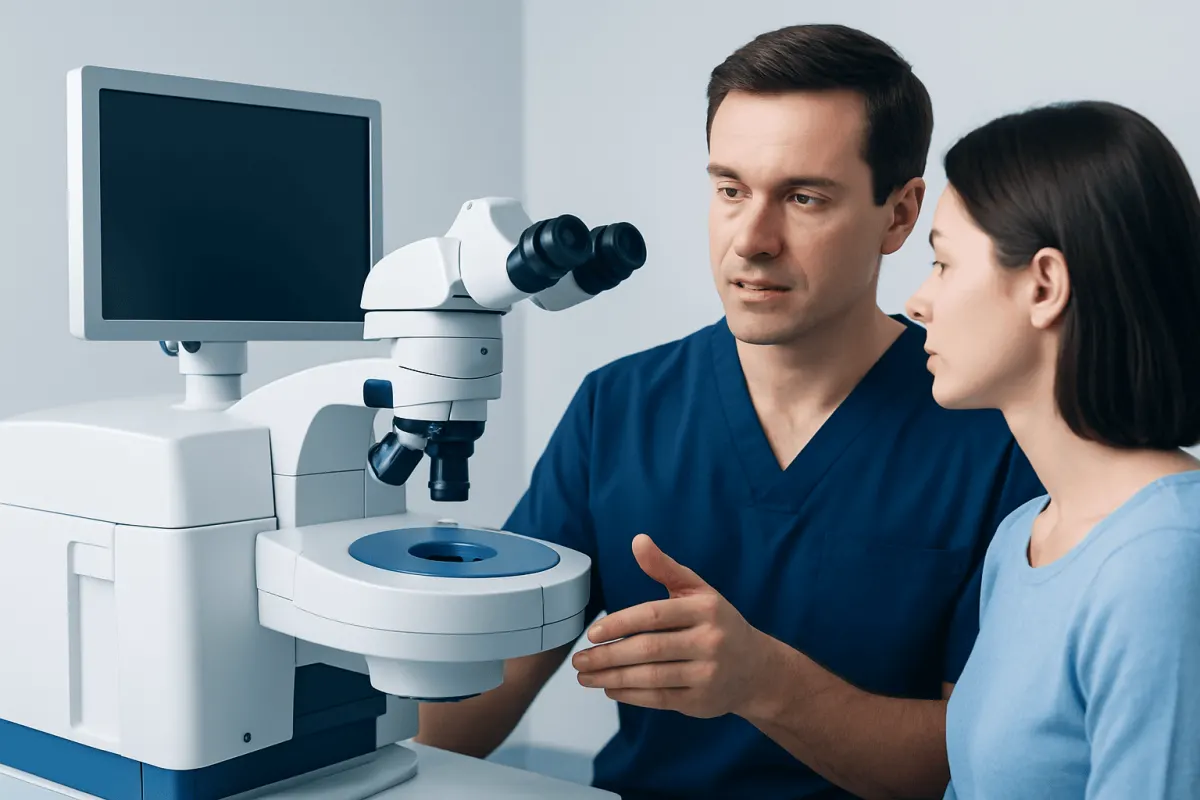
LASEK vs LASIK surgery involves two laser vision-correction procedures that reshape the cornea to reduce dependence on glasses or contact lenses. LASIK generally offers quicker visual recovery, while LASEK preserves more corneal tissue and may be considered when the cornea is thinner or there is a higher risk of eye trauma.
LASEK vs LASIK surgery: side-by-side comparison
LASEK vs LASIK surgery is not a matter of one procedure being universally better. Both are forms of laser refractive surgery designed to reshape the cornea, the clear front surface of the eye, so light focuses more accurately on the retina. The most appropriate choice depends on corneal measurements, prescription stability, eye health, lifestyle and personal recovery priorities.
LASIK uses a laser or surgical instrument to create a very thin hinged flap in the cornea. The surgeon reshapes the tissue beneath it with an excimer laser and repositions the flap. In LASEK, the very outer corneal cell layer, called the epithelium, is loosened and moved aside before laser reshaping; it is then repositioned and protected with a temporary bandage contact lens.
- Corneal tissue: LASIK involves a deeper flap; LASEK is a surface-based procedure that preserves more deeper corneal tissue.
- Early recovery: LASIK often allows useful vision within a day or two. LASEK commonly causes several days of discomfort and vision may take longer to settle.
- Discomfort: LASEK usually produces more burning, watering or light sensitivity during early healing.
- Flap-related risk: LASIK has a corneal flap that can rarely be displaced by significant trauma. LASEK does not create this type of flap.
- Typical suitability: LASIK may suit people with adequate corneal thickness and stable prescriptions; LASEK may be discussed if corneas are thinner or trauma risk is a particular concern.
Neither procedure can be selected safely based on prescription alone. A refractive surgeon uses detailed testing to decide whether laser surgery is appropriate and, if it is, which technique offers the most favorable balance of safety, vision quality and recovery.
How a clinician distinguishes LASIK from LASEK for an individual
The distinction between LASIK and LASEK begins with a comprehensive refractive assessment rather than a preference for a named procedure. The clinician measures refractive error, checks whether the prescription has remained stable, maps the curvature of the cornea and measures its thickness. Corneal topography and tomography are particularly important because they can identify irregular shapes or signs that laser corneal surgery may not be advisable.
The assessment also includes the tear film and eyelid health. Existing dry eye can become more noticeable after any corneal laser procedure, especially in the early recovery period. Pupils may be measured in low light, and the retina and optic nerve are examined to exclude eye disease that could affect visual outcomes or safety.
Health history is equally relevant. Autoimmune conditions, poorly controlled diabetes, pregnancy or breastfeeding, certain medications, recurrent eye infections and a history of corneal disease can change the timing or suitability of surgery. People should share details of contact lens use, because lenses can temporarily alter corneal shape and may need to be stopped before measurements.
When laser corneal surgery is unsuitable, that does not necessarily mean vision correction is impossible. Depending on age, prescription and eye anatomy, alternatives may include continued glasses or contact lenses, implantable lenses, refractive lens exchange or cataract surgery when clinically indicated. The decision should be individualized and made with an ophthalmologist.
Which is better, LASIK or LASEK?
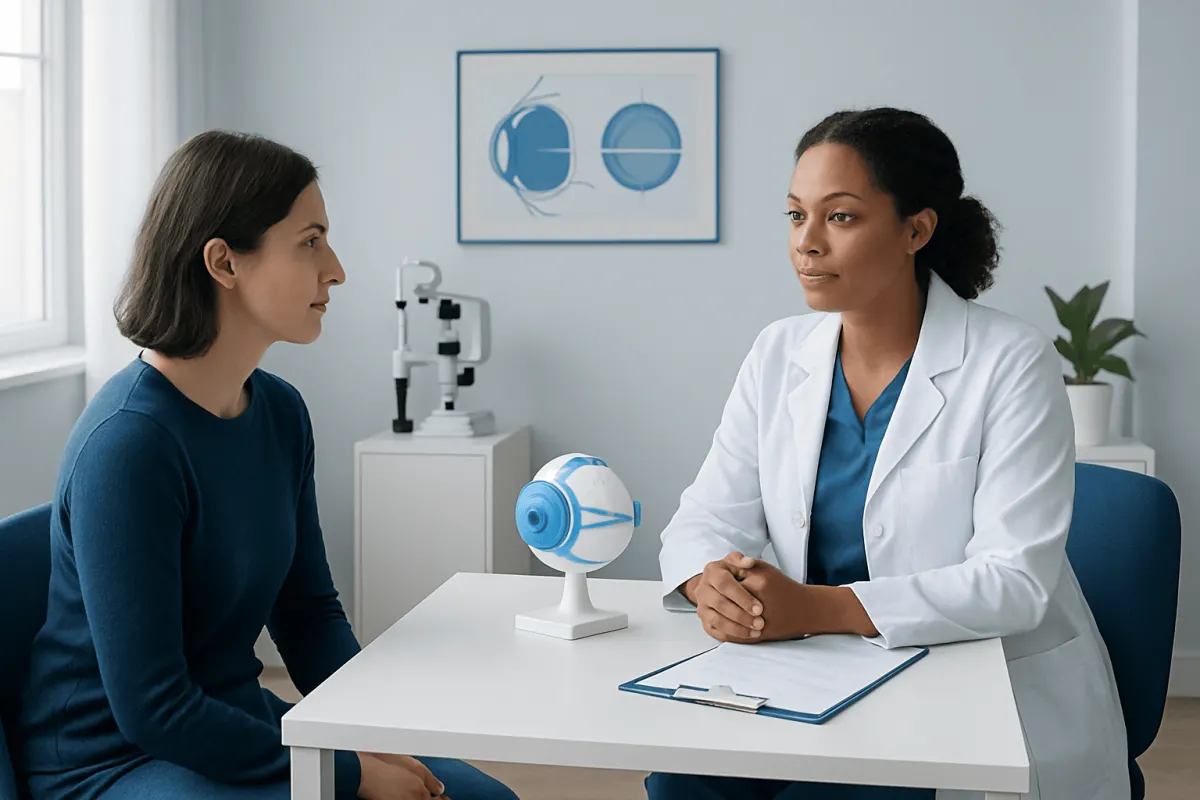
Neither LASIK nor LASEK is inherently better for every person. LASIK is often preferred when someone is a suitable candidate and values a faster, more comfortable early recovery. Many people experience meaningful improvement in uncorrected vision relatively soon after LASIK, although vision can fluctuate while the eyes heal.
LASEK may be the more suitable option when a surgeon wants to preserve more corneal tissue or avoid creating a deeper corneal flap. It can therefore be considered for some people with thinner corneas, as well as individuals whose work or sports create a higher likelihood of direct eye impact. However, a thin cornea does not automatically make LASEK safe; the corneal shape, planned tissue removal and many other factors still matter.
The trade-off is recovery. After LASEK, the surface epithelium needs time to heal beneath a bandage contact lens. Pain, tearing, light sensitivity and blurred vision can be more noticeable during the first days. Vision usually improves gradually over weeks, and final stabilization can take longer than after LASIK.
A surgeon may also discuss PRK, another surface laser technique. PRK removes the epithelium rather than repositioning it, but it has a similar goal and recovery pattern to LASEK. The clinician should explain why a particular technique is recommended and what results and limitations are realistic for that person.
What to do in common LASEK and LASIK situations
For someone with a stable glasses prescription, healthy eyes and corneas with suitable thickness and shape, LASIK may be an appropriate option after a full examination. The person should understand that laser surgery reduces reliance on corrective lenses but does not promise perfect vision in every situation. Some people may still need glasses for night driving, detailed tasks or later reading vision changes.
For someone with a thinner-than-average cornea, a high prescription or an irregular corneal map, the next step is not to assume LASEK is the answer. The surgeon calculates how much tissue would be treated and considers whether the cornea can remain structurally stable. In some cases, surface laser treatment may be considered; in others, no corneal laser procedure may be recommended.
For athletes, military personnel or workers with a meaningful risk of facial or eye injury, avoiding a LASIK flap may be important. Surface procedures such as LASEK or PRK can be discussed because they do not leave a flap that could be affected by trauma. Protective eyewear remains important regardless of the procedure chosen.
For someone with dry, irritated eyes, treatment of the ocular surface should come first. This may involve lubricating drops, management of eyelid inflammation or other measures recommended by an eye-care professional. Surgery should be reconsidered only once the eye surface is healthy and measurements are reliable.
Why does the military prefer PRK over LASIK?
Some military organizations have historically favored PRK for particular roles because PRK does not create a corneal flap. A LASIK flap usually heals securely, but severe direct trauma to the eye could, rarely, affect it. Eliminating this flap-related consideration can be useful in occupations involving combat training, explosions, physical contact, water exposure or other conditions where eye injury may be more likely.
PRK and LASEK are both surface-based laser procedures, although their epithelial techniques differ. Their recovery is usually longer and initially less comfortable than LASIK, which means they are not automatically preferable in every setting. Military eligibility policies also vary by country, branch, role and time, so individuals should consult their own service’s current medical standards.
Laser surgery does not remove the need for eye protection, routine eye examinations or prompt care after an injury. It is also important to remember that occupational requirements are only one part of procedure selection; corneal health and the individual visual prescription remain central to the decision.
At what age is LASIK not worth it?
There is no single age at which LASIK is automatically not worthwhile. Instead, suitability depends on stable refraction, healthy eyes and whether the expected benefit matches a person’s visual needs. LASIK is usually considered only after the prescription has been stable for a period of time, often in adulthood after the eyes have finished changing.
From the early to mid-40s onward, many people develop presbyopia, the natural age-related reduction in near focusing ability. LASIK can correct distance vision, but it does not stop presbyopia. Someone who has distance LASIK may therefore need reading glasses later, unless a planned approach such as monovision is suitable and has been successfully tested with contact lenses.
In later adulthood, early cataract changes can affect the value of corneal laser surgery. When the natural lens is becoming cloudy or is likely to require treatment in the near future, lens-based options may be more appropriate. An ophthalmologist can explain whether laser eye surgery or a lens procedure better fits the person’s eyes and long-term goals.
Age alone should not be used to rule in or rule out surgery. A careful discussion of current vision, work and hobbies, night-driving needs, reading requirements and future eye health helps ensure expectations are realistic.
What eye surgery did Taylor Swift get?
Public reports and online discussions about celebrities’ eye procedures are not a reliable basis for medical decisions. Taylor Swift has not provided a clear, medically verified public account that allows an eye-care professional to confirm a specific refractive procedure. It is therefore not appropriate to state that she had LASIK, LASEK, PRK or another operation as a fact.
Even when a public figure has discussed a procedure, their experience does not establish whether it is suitable for someone else. Eligibility and outcomes depend on detailed eye measurements, eye-surface health, prescription, healing response and individual visual needs.
People considering laser vision correction should seek information from a qualified ophthalmologist rather than social media, celebrity reports or advertising claims. A consultation should include time to discuss potential benefits, known risks, recovery expectations and alternatives.
Recovery, self-care and when to seek medical care
After either procedure, patients should follow the surgeon’s postoperative plan closely. This commonly includes prescribed eye drops, avoiding rubbing the eyes, using protective shields as advised and attending scheduled follow-up appointments. The surgeon may recommend avoiding swimming, hot tubs, eye makeup, dusty environments and contact sports for a defined period while healing occurs.
LASIK recovery is often faster, but temporary dryness, glare, halos around lights and fluctuating vision can occur. After LASEK, a bandage contact lens is generally worn during early surface healing, and discomfort can be greater for several days. Vision quality may fluctuate longer as the corneal surface smooths and stabilizes.
When to seek medical care: Patients should contact their eye surgeon promptly for worsening pain, a sudden drop in vision, increasing redness, discharge, marked light sensitivity, new flashes or floaters, or an injury to the eye. These symptoms do not always indicate a serious problem, but they need timely assessment rather than self-treatment.
Acıbadem Health Point’s multidisciplinary eye specialists and JCI-accredited hospitals assess and treat vision concerns for international patients, including evaluation for refractive procedures. A personal consultation remains the safest way to determine whether LASIK, LASEK, another procedure or non-surgical correction is appropriate.
Frequently asked questions
01Is LASEK safer than LASIK?
Both procedures can be safe when performed in carefully selected patients by an experienced refractive surgeon. LASEK avoids a LASIK-style corneal flap, which may be relevant for people at higher risk of eye trauma. However, LASEK has its own recovery considerations, including more early discomfort and a longer healing period.
02Does LASEK hurt more than LASIK?
LASEK commonly causes more discomfort during the first several days because the corneal surface layer needs to heal. LASIK often has a more comfortable early recovery, although dryness, grittiness and light sensitivity can still occur. The surgical team can explain pain-control and eye-drop plans before treatment.
03How long does it take to see clearly after LASEK?
Some vision improvement occurs as the surface heals, but vision may remain blurry or fluctuate for days to weeks after LASEK. The exact timeframe varies with the prescription, healing response and both eyes' condition. Follow-up appointments are important because vision continues to stabilize over time.
04Can LASEK or LASIK correct astigmatism?
Both LASEK and LASIK can correct many types of astigmatism, as well as short-sightedness and long-sightedness, when the cornea and prescription are suitable. The degree and pattern of astigmatism must be assessed carefully during preoperative testing. Not every prescription is appropriate for laser correction.
05Can LASIK be repeated if vision changes?
In selected cases, an additional laser treatment, sometimes called an enhancement, may be possible if vision changes or a residual prescription remains. This depends on corneal thickness, shape, eye health and the amount of tissue already treated. A surgeon must reassess the eyes before recommending any further procedure.
06Will LASIK or LASEK prevent the need for reading glasses?
Neither procedure prevents presbyopia, the normal age-related change that makes close-up focus more difficult. People who have excellent distance vision after surgery may still need reading glasses later in life. Monovision may be an option for some people, but it should be discussed and usually trialled before surgery.
This article is for general information only and is not a substitute for professional medical advice. Please consult a qualified doctor about your individual situation.
Explore treatments in Turkey — costs, top hospitals & a free quote
JCI-accredited · board-certified surgeons · reply within 24h
Add us as a Preferred Source to see more of our trusted health content across Google Search, AI Overviews and Discover.