Laparoscopy for Endometriosis: Diagnosis and Treatment
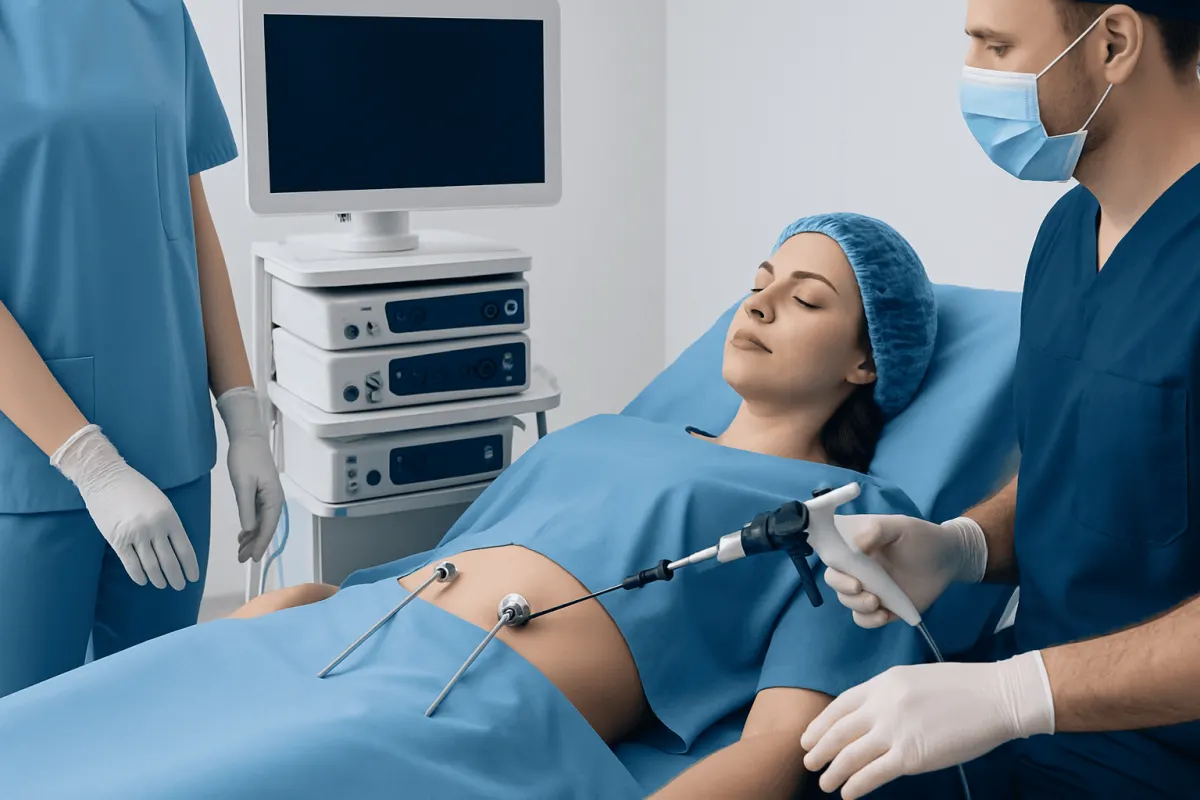
Laparoscopy for endometriosis is a minimally invasive operation that allows a gynecologic surgeon to look inside the pelvis, confirm or assess endometriosis, and often remove or destroy visible lesions during the same procedure. Recovery varies with the extent of surgery, but most people begin gentle movement shortly afterward and gradually return to normal activities over the following days to weeks.
Laparoscopy for Endometriosis: An Overview
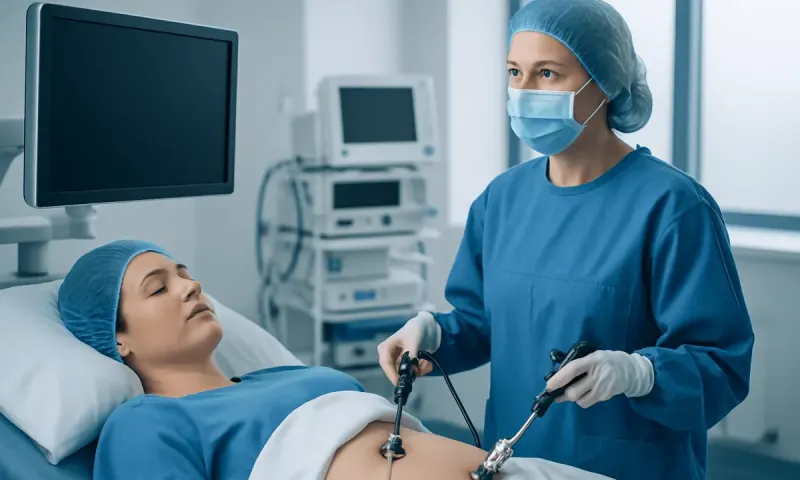
Laparoscopy endometriosis surgery is a minimally invasive procedure used to investigate symptoms that may be caused by endometriosis and, when appropriate, treat visible disease at the same time. A surgeon inserts a thin camera through a small incision, usually near the navel, to view the pelvic organs. Additional small incisions may be used for instruments that remove, cut, or destroy endometriosis tissue and release scar tissue called adhesions.
Endometriosis occurs when tissue similar to the lining of the uterus grows outside the uterus. It can affect the ovaries, fallopian tubes, pelvic lining, bowel, bladder, and other areas. It may cause pelvic pain, painful periods, pain during sex, bowel or urinary symptoms that vary with the menstrual cycle, and difficulty becoming pregnant. Symptoms do not always match the amount of disease present.
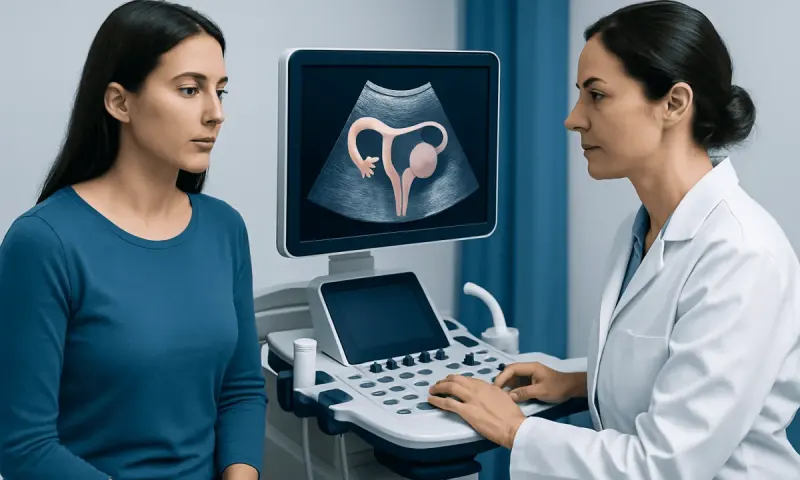
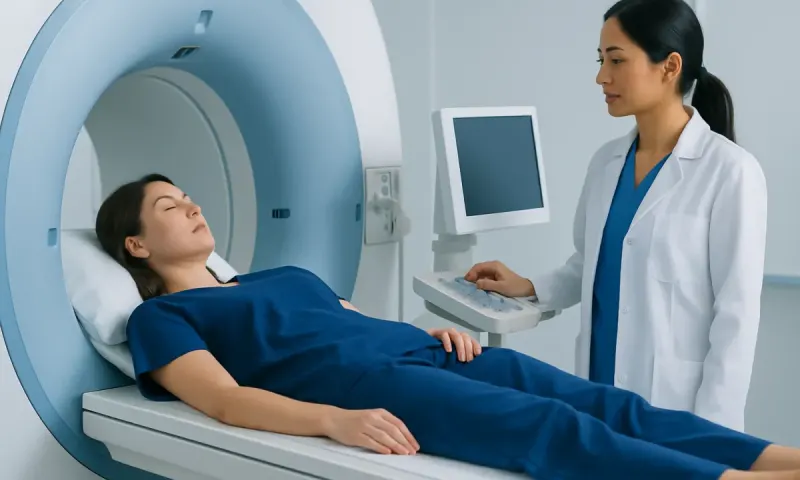
Laparoscopy is no longer the only way to make a clinical diagnosis of endometriosis. A clinician may diagnose and begin treatment based on symptoms, examination, and imaging findings, especially ultrasound or MRI in selected situations. However, surgery may be recommended when symptoms are significant, imaging suggests an ovarian endometrioma or deep disease, fertility planning requires it, or diagnosis and treatment are both needed. For broader information about the condition, see endometriosis.
What Happens During Endometriosis Laparoscopy?
Before surgery, the care team reviews medical history, medicines, allergies, pregnancy possibility, previous operations, and anesthesia risks. Depending on the planned procedure and the person’s health, blood tests, imaging, or other preoperative assessments may be arranged. Instructions about eating, drinking, and medicines before anesthesia should be followed carefully.
During the operation, which is performed under general anesthesia, the abdomen is gently inflated with carbon dioxide gas. This creates space for the camera and surgical instruments. The surgeon examines the pelvis and may document the location and appearance of lesions, ovarian cysts, adhesions, and involvement of organs such as the bowel or bladder.
If treatment is planned, lesions may be excised, meaning cut out, or ablated using heat or other energy. Excision can also provide tissue for laboratory examination when needed. The most suitable technique depends on where disease is located, its depth, the person’s symptoms, fertility goals, and the surgeon’s expertise. More extensive disease may require a team that includes colorectal or urology specialists.
The procedure may be diagnostic only, or it may involve detailed surgical treatment. Most uncomplicated laparoscopies are day procedures, but an overnight stay can be appropriate after more extensive treatment, significant pain or nausea, or surgery involving the bowel, bladder, or other organs.
Is Endometriosis Laparoscopy a Big Surgery?
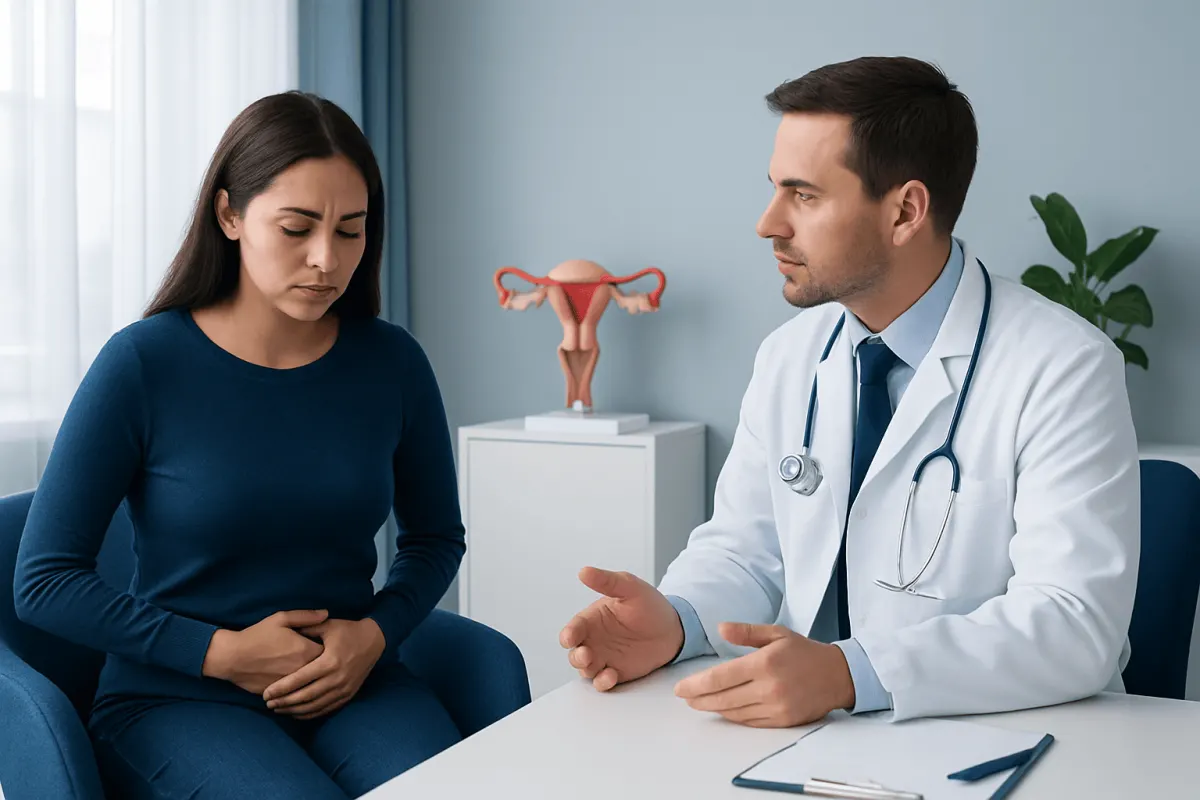
Endometriosis laparoscopy is generally considered minimally invasive surgery because it uses small incisions rather than one large abdominal incision. Even so, it is still a real operation performed under general anesthesia, and its complexity can range from a short diagnostic procedure to major pelvic surgery.
A simple laparoscopy that identifies or treats small, superficial lesions is usually less physically demanding than open abdominal surgery. In contrast, surgery for deeply infiltrating endometriosis, large ovarian endometriomas, dense adhesions, or disease involving the bowel, bladder, ureters, diaphragm, or nerves can be lengthy and technically complex. These procedures may require several specialists and a longer hospital stay or recovery period.
Potential risks include bleeding, infection, blood clots, anesthesia-related complications, injury to nearby organs, and a need to convert to open surgery in uncommon circumstances when this is safer. The surgeon should explain the expected extent of surgery, alternatives, possible benefits, and individual risks before consent is given.
For this reason, the term “laparoscopy” alone does not predict how someone will feel afterward. A person’s recovery is shaped more by what was found and treated than by the size of the skin incisions alone.
What Is Recovery Like After a Laparoscopy for Endometriosis?
After waking from anesthesia, it is common to feel sleepy, nauseated, sore, or bloated for a short time. Cramping and discomfort around the incision sites are expected. Shoulder-tip pain can occur because residual carbon dioxide gas irritates the diaphragm; gentle walking, an upright position, and time usually help it settle over several days.
Many people can drink fluids, eat light meals, pass urine, and walk with assistance on the day of surgery. Tiredness is common during the first week, particularly after anesthesia or more extensive treatment. Bowel movements may be temporarily slower because of anesthesia, pain medicines, reduced activity, or pelvic surgery. Hydration, fiber as tolerated, gentle activity, and clinician-recommended bowel care can help.
Vaginal spotting or light bleeding may occur for several days. Incisions should be kept clean and cared for according to the surgical team’s instructions. Showering is often allowed after a specified period, but soaking in baths or swimming and placing anything in the vagina may need to wait until healing is established. Recommendations vary, so the discharge plan takes priority.
Recovery also has an emotional component. Some people feel relief after receiving answers, while others may experience uncertainty if symptoms continue or pathology results are pending. A follow-up appointment is important to review surgical findings, discuss symptom control, fertility plans where relevant, and consider whether hormonal treatment may reduce recurrence of symptoms.
How Much Bed Rest Is Required After a Laparoscopy?
Prolonged bed rest is usually not required after laparoscopy. Rest is important on the day of surgery and during the first few days, but short, frequent walks are commonly encouraged as soon as it is safe to do so. Gentle movement supports circulation, reduces stiffness and gas discomfort, and may lower the risk of blood clots.
Activity should increase gradually. A person may need help at home for the first 24 hours because anesthesia can affect alertness and coordination. Driving, operating machinery, drinking alcohol, and making important decisions should be avoided until the effects of anesthesia and prescribed pain medicines have worn off and the person can move comfortably and react safely.
Heavy lifting, strenuous exercise, high-impact activity, and core-intensive workouts should be postponed until the surgeon advises that they are safe. The timeframe depends on the procedure. Someone who had diagnostic laparoscopy may resume gentle daily activities sooner than someone who had removal of deep endometriosis, ovarian surgery, or bowel surgery.
Listening to the body is useful, but pain that is severe, steadily worsening, or not controlled by the prescribed plan should not be managed by rest alone. The surgical team should be contacted for individualized advice.
How Long Should I Take Off Work After Laparoscopy for Endometriosis?
The time needed away from work varies substantially. After a straightforward diagnostic laparoscopy or limited treatment, some people return to desk-based work in about one to two weeks, sometimes earlier if recovery is smooth. Others need longer because of fatigue, pain, nausea, travel demands, or the physical and emotional effects of surgery.
Two to six weeks or more may be appropriate after extensive excision, treatment of severe adhesions, ovarian cyst surgery, or procedures involving the bowel, bladder, or ureters. Jobs involving lifting, prolonged standing, physical labor, frequent travel, or limited opportunities for rest may require a longer absence or a phased return.
It is sensible to discuss work demands with the surgeon before the operation and again at follow-up. A medical certificate or written activity restrictions may be available when needed. Returning gradually, such as starting with shorter hours or lighter duties where possible, can make the transition easier.
Recovery should not be measured against another person’s experience. The appropriate return-to-work date is the one that allows safe movement, manageable pain, adequate rest, and the ability to perform essential job tasks without worsening symptoms.
Results, Ongoing Care, and When to Seek Medical Care
Surgery can reduce endometriosis-related pain, improve mobility of pelvic organs affected by adhesions, remove endometriomas, and support fertility care in selected circumstances. Results vary. Some people have meaningful symptom improvement, while others have partial relief or persistent pain because pelvic pain can have more than one cause. Endometriosis may also recur after surgery, particularly without ongoing suppression of menstrual cycles when that approach is suitable.
After recovery, the care plan may include hormonal medicines, non-hormonal pain strategies, pelvic floor physiotherapy, fertility assessment, nutrition support, or follow-up imaging, depending on individual goals and symptoms. Hormonal treatment is not appropriate for everyone, especially those trying to conceive immediately, so decisions should be personalized with a gynecologist.
When to seek medical care: Contact the surgical team promptly for fever, increasing redness or drainage from an incision, persistent vomiting, inability to pass urine, heavy vaginal bleeding, worsening abdominal pain, or a swollen painful leg. Seek urgent medical attention for chest pain, shortness of breath, fainting, confusion, or sudden severe symptoms.
Acıbadem Health Point’s multidisciplinary specialists and JCI-accredited hospitals diagnose and treat endometriosis for international patients, with care plans based on the extent of disease and each person’s priorities. A follow-up consultation after surgery helps ensure that symptoms, healing, and longer-term management are reviewed carefully.
Frequently asked questions
01How long does laparoscopic surgery for endometriosis take?
A diagnostic laparoscopy may take less than an hour, but the duration can be much longer when lesions, adhesions, ovarian cysts, or deep endometriosis require treatment. The surgical team can give the most accurate estimate after reviewing imaging, symptoms, previous surgery, and the planned procedure.
02Can endometriosis be diagnosed without laparoscopy?
Yes. A clinician may make a clinical diagnosis based on symptoms, pelvic examination, and imaging, then begin treatment without surgery. Ultrasound and MRI can identify some forms of endometriosis, but they may not show every lesion, especially superficial disease.
03Will laparoscopy cure endometriosis?
Laparoscopy can remove or treat visible endometriosis and may improve symptoms, but it does not guarantee a permanent cure. Endometriosis can recur, and some people need ongoing medical treatment or additional support for pain or fertility concerns.
04When can I exercise after endometriosis laparoscopy?
Gentle walking is often encouraged soon after surgery when it feels safe. More strenuous exercise, swimming, lifting, and abdominal workouts should wait until the surgeon confirms healing is adequate, especially after extensive surgery.
05Can I get pregnant after laparoscopic endometriosis surgery?
Many people can become pregnant after surgery, and treatment of endometriosis may help fertility in selected cases. However, fertility depends on age, ovarian reserve, fallopian tube function, sperm factors, and the location and severity of endometriosis, so individualized counseling is important.
06What should I eat after a laparoscopy?
Small, light meals and fluids are often easier at first if anesthesia causes nausea or bloating. As appetite returns, a balanced diet with adequate fluids and fiber may support bowel regularity, unless the surgical team provides different instructions after bowel-related surgery.
This article is for general information only and is not a substitute for professional medical advice. Please consult a qualified doctor about your individual situation.
Persistent digestive symptoms? Get evaluated in Turkey
JCI-accredited · board-certified surgeons · reply within 24h
Add us as a Preferred Source to see more of our trusted health content across Google Search, AI Overviews and Discover.