Laparoscopic Appendectomy: Removing the Appendix
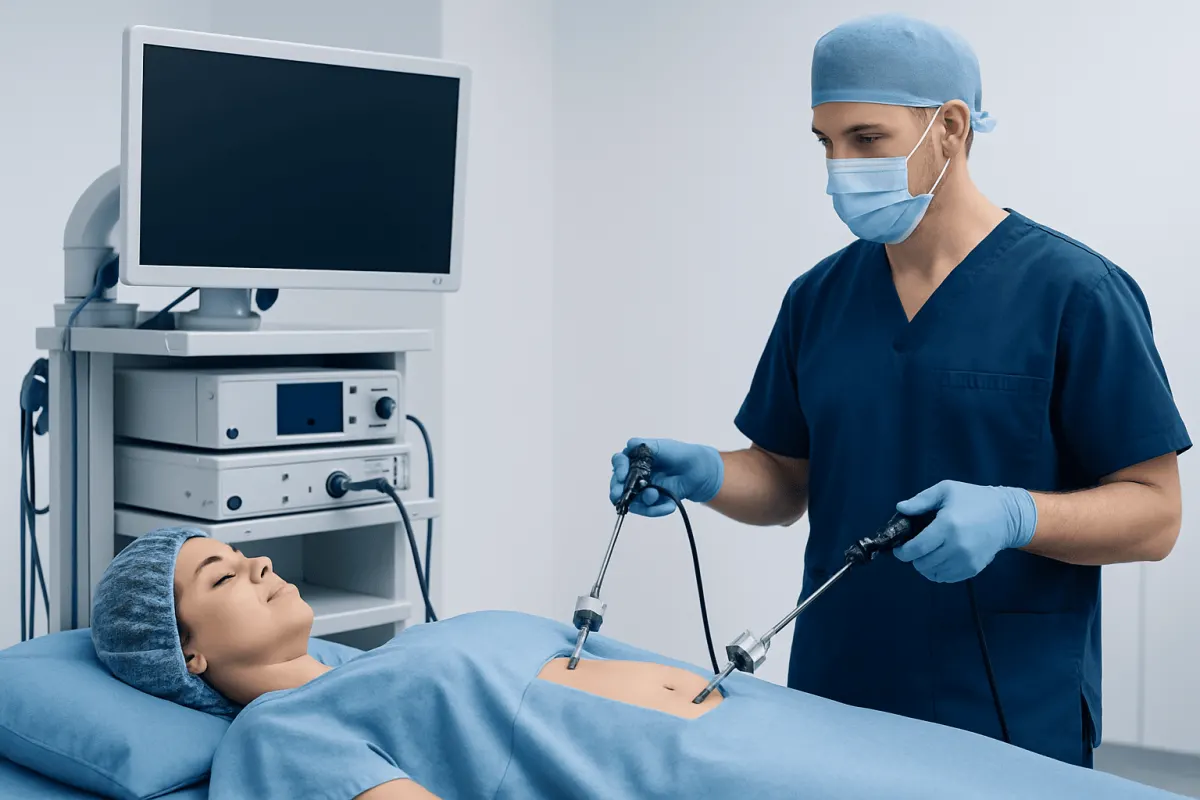
Laparoscopic appendectomy is a minimally invasive operation to remove the appendix, most often for appendicitis. It generally uses several small incisions and a camera, and many people return gradually to routine activities within a few weeks, depending on the severity of infection and their overall health.
Overview: what is a laparoscopic appendectomy?
A laparoscopic appendectomy is surgery to remove the appendix using a thin camera and specialized instruments inserted through a few small cuts in the abdomen. It is most commonly performed when appendicitis, or inflammation of the appendix, is suspected or confirmed. Removing the appendix prevents an inflamed or infected appendix from rupturing and causing more serious infection in the abdomen.
During the operation, the surgeon views the inside of the abdomen on a monitor and separates the appendix from nearby tissue before removing it through one of the small incisions. The procedure is done under general anesthesia, so the patient is asleep and does not feel pain during surgery. For most suitable patients, this approach can mean smaller wounds, less postoperative discomfort and a shorter laparoscopic appendectomy recovery time than an open operation.
Appendicitis can vary from early inflammation to a perforated appendix with an abscess or widespread infection. The surgical plan is therefore individualized. In some situations, such as extensive inflammation, scar tissue, bleeding or difficulty viewing the appendix safely, the surgeon may need to change from laparoscopic to open surgery.
Who may need this procedure and how is appendicitis confirmed?
Appendectomy is usually advised for acute appendicitis. Typical symptoms include pain that may begin near the belly button and move to the lower right abdomen, reduced appetite, nausea, vomiting, fever and increasing tenderness. Symptoms are not always typical, especially in children, older adults and pregnant people, so assessment by a clinician is important.
Diagnosis usually combines a medical history, abdominal examination, blood tests and imaging. Ultrasound may be useful in children and pregnancy, while computed tomography is often used in adults when the diagnosis is uncertain. Learn more about appendicitis and the symptoms that warrant timely assessment.
Most people with uncomplicated appendicitis can be considered for laparoscopic surgery. The operating team also considers previous abdominal surgery, medical conditions, pregnancy, anesthesia safety and whether there is a rupture, abscess or diffuse infection. In selected uncomplicated cases, antibiotics may be discussed as an alternative, but surgery remains an important and definitive treatment option for many patients.
How laparoscopic appendectomy is performed, step by step

Before surgery, the patient is assessed for anesthesia and may receive intravenous fluids, antibiotics and medicines for pain or nausea. They are asked not to eat or drink for a specified period before anesthesia, unless the care team gives different instructions because the surgery is urgent. The team confirms the diagnosis, reviews medicines and allergies, and explains consent and possible alternatives.
After general anesthesia begins, the surgeon makes small incisions, commonly near the navel and lower abdomen. Carbon dioxide gas gently expands the abdominal cavity to create working space. A laparoscope, which is a narrow camera, is inserted, followed by instruments through the other incisions. The appendix is identified, its blood supply and attachment are sealed and divided, and the appendix is removed in a protective bag.
The surgeon checks for bleeding or contamination, washes the area if needed and closes the small wounds. If an abscess or perforation is present, a drain is occasionally used, although it is not needed for every patient. The removed appendix is usually sent to a laboratory for examination. Laparoscopic appendectomy treatment may be planned urgently or performed during the same admission after clinical evaluation.
Benefits, limitations and possible risks
Compared with open appendectomy, laparoscopic surgery often offers smaller incisions, less wound discomfort, a shorter hospital stay and an earlier return to everyday movement. It also allows the surgeon to inspect other abdominal organs if the cause of symptoms is not clear. These benefits can be especially helpful when the diagnosis needs confirmation or when recovery needs to be supported with early mobility.
However, laparoscopic surgery is still a major medical procedure performed inside the abdomen. Its suitability depends on the individual situation, and it is not always the safest or most practical approach. Conversion to open surgery is not a failure; it is a safety decision when the surgeon needs better access or control.
Possible risks include bleeding, infection of the wound or deeper abdominal infection, blood clots, injury to nearby organs, anesthesia reactions, bowel blockage from scar tissue and a hernia at an incision site. A perforated appendix raises the risk of abscess and may require a longer antibiotic course, monitoring or additional drainage. The surgical team explains the risks relevant to the individual patient before treatment.
Laparoscopic appendectomy recovery timeline and aftercare
After surgery, patients are monitored as they wake from anesthesia. They may have temporary nausea, a sore throat from the breathing tube, abdominal tenderness and shoulder-tip discomfort caused by the gas used during laparoscopy. Once they can drink, eat as advised, walk safely and their pain is controlled, many people with uncomplicated appendicitis can go home within a day or two; some may go home the same day depending on local practice and their condition.
During the first several days, rest, short frequent walks, adequate fluids and light meals as tolerated can support recovery. Laparoscopic appendectomy recovery instructions typically include taking prescribed medicines as directed, keeping incisions clean and dry according to the team’s advice, avoiding driving while taking sedating pain medicine, and not smoking. Constipation can occur after anesthesia or pain medicines; hydration, gentle activity and clinician-recommended measures may help.
People often feel progressively better over one to two weeks, while return to strenuous exercise, heavy lifting and physically demanding work may take two to four weeks or longer. Recovery can take longer after rupture, abscess, open surgery or other health complications. The surgeon’s individual activity restrictions should take priority over general timelines, and follow-up should be attended as arranged.
Common questions about rest, pain, weight and surgery size
How many days should I rest after a laparoscopic appendectomy? Most patients need a few days of relative rest, with short walks encouraged as soon as they feel able. Desk-based activity may be possible after about one to two weeks for some people, while strenuous activity and heavy lifting often need to wait two to four weeks. A complicated infection or an open incision can extend this laparoscopic appendectomy surgery recovery time.
How painful is recovery from a laparoscopic appendectomy? Pain is usually most noticeable in the first few days and should gradually improve. It can include incision soreness, abdominal aching and shoulder discomfort from the surgical gas. Pain management may involve medicines recommended by the surgical team, gentle movement and avoiding activities that strain the abdomen; worsening rather than improving pain should be assessed.
How much weight do you lose after appendix surgery? Appendix removal is not a weight-loss procedure. Some people temporarily lose a small amount of weight because of illness, reduced appetite, fasting or early recovery, but this usually stabilizes as normal eating returns. Persistent weight loss, inability to eat or ongoing digestive symptoms should be discussed with a doctor.
Is appendix removal a big op? It is a common operation, and laparoscopic techniques reduce the size of the skin incisions. Nevertheless, it is still abdominal surgery under general anesthesia, with real risks and a recovery period. A ruptured appendix, abscess or need for open surgery makes the operation and recovery more complex.
When to seek medical care
Anyone with new or worsening abdominal pain, especially pain that localizes to the lower right side, should seek urgent medical evaluation. Prompt care is particularly important if pain is accompanied by fever, vomiting, loss of appetite, abdominal swelling, marked tenderness or pain that worsens with movement. Appendicitis cannot be diagnosed safely at home.
After laparoscopic recovery appendectomy, patients should contact their surgical team promptly for increasing redness, warmth, swelling, pus-like drainage or separation of the wound edges. Medical advice is also needed for fever, worsening abdominal pain, persistent vomiting, inability to keep fluids down, increasing bloating, shortness of breath, chest pain, fainting or a painful swollen leg.
Follow-up helps confirm that healing is progressing and allows the team to review pathology results when relevant. Acıbadem Health Point’s multidisciplinary specialists and JCI-accredited hospitals diagnose and treat appendicitis and support international patients through surgical care and follow-up planning.
Frequently asked questions
01How long does laparoscopic appendectomy surgery take?
The operation itself commonly takes about one hour, although the total time in the operating area is longer because of anesthesia preparation and recovery. Surgery may take longer when the appendix has ruptured, an abscess is present, or there is significant inflammation or scar tissue.
02Can a person live normally without an appendix?
Yes. The appendix is not required for normal day-to-day digestion or long-term health. Most people do not need dietary restrictions or special supplements after they have fully recovered from appendectomy.
03When can a person eat after laparoscopic appendix surgery?
Food and drinks are usually restarted once the person is awake, nausea is controlled and the care team confirms it is appropriate. Many people begin with fluids and light foods, then return to their usual diet as appetite and comfort improve.
04When can a person shower after laparoscopic appendectomy?
Showering is often allowed within a short time after surgery, but the timing depends on the type of dressing, skin glue or sutures used. The surgical team should provide specific wound-care instructions, including whether to avoid soaking in baths or swimming until the wounds have healed.
05Can appendicitis return after the appendix is removed?
Appendicitis does not return after the appendix has been removed. Rarely, a small remaining piece of appendix can become inflamed; this is called stump appendicitis and requires medical assessment if similar symptoms occur.
06When can a person return to work after laparoscopic appendectomy?
Return-to-work timing depends on the person’s recovery and the physical demands of their job. Some people with desk-based work return within one to two weeks, while jobs involving lifting, prolonged standing or physical exertion may require several weeks or medical clearance.
This article is for general information only and is not a substitute for professional medical advice. Please consult a qualified doctor about your individual situation.
Persistent digestive symptoms? Get evaluated in Turkey
JCI-accredited · board-certified surgeons · reply within 24h
Add us as a Preferred Source to see more of our trusted health content across Google Search, AI Overviews and Discover.