

Laminectomy: Purpose, Procedure and Recovery
- 9 min read
- Published November 29, 2026
Key Takeaways
- Laminectomy removes a small section of bone called the lamina to create more space for compressed nerves or the spinal cord.
- It is commonly considered when symptoms from spinal stenosis or related conditions do not improve with non-surgical treatment.
- Recovery is gradual and usually includes walking, activity limits, wound care, and follow-up visits.
- As with any spine surgery, potential risks should be discussed carefully before deciding on treatment.
- People traveling for care may need a clear plan for rehabilitation, pain control, and follow-up after returning home.
Laminectomy surgery is a spine procedure used to relieve pressure on the spinal cord or nerves when narrowing in the spinal canal causes persistent pain, weakness, numbness, or walking difficulties. Understanding the reasons for surgery, what recovery looks like, and how follow-up care works can help patients make calmer, better-informed decisions.
Overview
Laminectomy surgery is a type of spinal decompression procedure. In simple terms, the surgeon removes part of the vertebral bone called the lamina so there is more room for nerves or the spinal cord. The goal is not to change a person’s identity or posture; it is to ease pressure that has been causing pain, tingling, weakness, or trouble with walking and daily movement.
This operation is often discussed when symptoms are tied to spinal narrowing, especially in the neck or lower back. For many people, the decision comes after months of trying medication, physiotherapy, activity changes, or injections without enough relief. Patients planning treatment from another country often want to know not only whether surgery is needed, but also how long they may stay, what recovery support they will need, and whether a second visit for follow-up might be important.
A laminectomy may be done on its own or together with other spine procedures, depending on what is compressing the nerve structures. The details vary from one patient to another, which is why a specialist evaluation matters more than any general description of the operation.
Symptoms
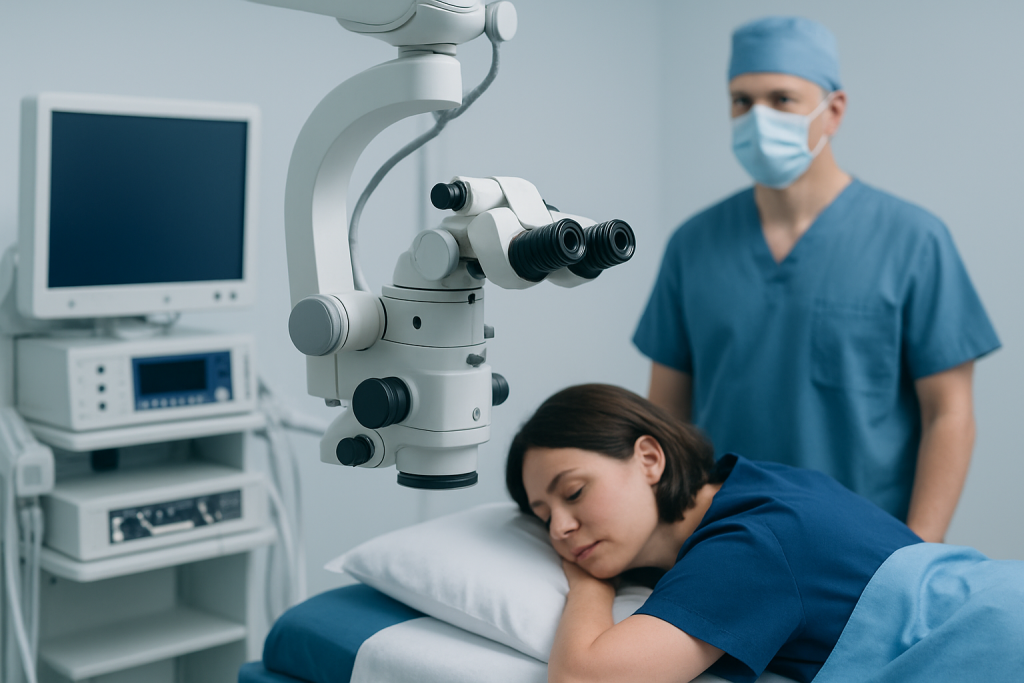
Symptoms leading to laminectomy surgery usually develop gradually. Some people notice pain that radiates from the spine into an arm, buttock, or leg. Others describe numbness, heaviness, balance problems, or a feeling that the legs tire too quickly when walking. In cervical spine problems, hand clumsiness or weakness may become noticeable during everyday tasks.
Not everyone with spinal narrowing needs surgery. The deciding factor is often how much the symptoms interfere with life and whether the nerves show signs of ongoing pressure. A person may still be able to manage short distances or ordinary activities at first, but later find that standing, sitting, sleeping, or travelling becomes much harder to tolerate.
Some symptoms are especially important to report promptly because they can suggest more significant nerve involvement. These include increasing weakness, falls, worsening balance, or changes in bladder or bowel control. These do not automatically mean emergency surgery is required, but they do deserve timely specialist review.
Causes & Risk Factors
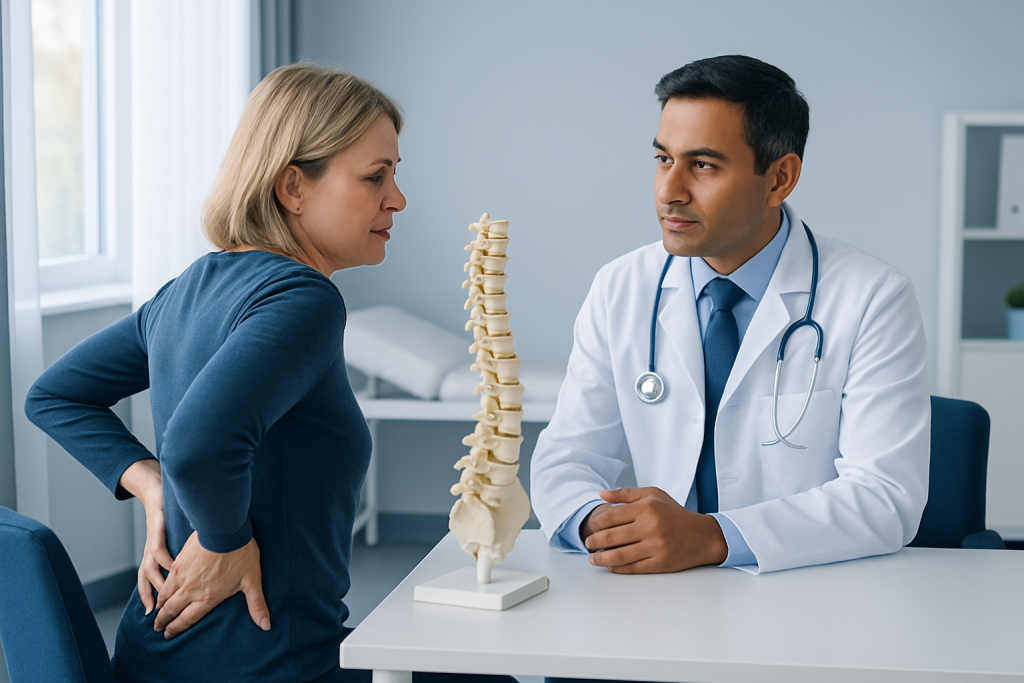
The most common reason laminectomy surgery is considered is spinal stenosis, which means narrowing of the spinal canal. This narrowing can result from age-related wear and tear, disc degeneration, thickened ligaments, bone spurs, or arthritis in the spine. Over time, these changes can crowd the nerves and create persistent symptoms.
Other conditions can also lead to pressure on the nerve structures. These include slipped discs, spinal tumors, trauma, infection, or deformities of the spine. In some people, more than one issue is present, which is why imaging and a detailed neurological examination are usually needed before any surgical plan is made.
Risk factors for developing the underlying problems often include older age, a history of spine injury, repetitive heavy physical work, obesity, and certain inherited structural features. Smoking can also affect spinal health and healing. However, having one or more risk factors does not mean surgery will be necessary; it simply means symptoms may need closer attention.
Diagnosis
Before recommending laminectomy surgery, a specialist usually reviews the symptom history, performs a physical examination, and looks for signs of nerve irritation or weakness. The doctor may ask about walking tolerance, balance, pain patterns, sleep, and whether symptoms have changed over time. These details help separate a spine problem from other causes of leg or arm discomfort.
Imaging plays a central role in confirming whether the spinal canal is narrowed and which structures are being compressed. MRI is commonly used because it shows soft tissues, nerves, and discs clearly. CT scans and X-rays may also be helpful, especially when the surgical team wants to assess bone changes, alignment, or stability.
For international patients, it is often useful to bring previous scans, reports, medication lists, and a written summary of symptoms when seeking an opinion abroad. This can help the team compare the current condition with earlier findings and decide whether surgery, monitoring, or a different treatment plan is the safest next step.
Treatment Options
Treatment for spinal compression usually begins with non-surgical care when it is safe to do so. Doctors may suggest physiotherapy, posture and movement guidance, anti-inflammatory medicine, neuropathic pain management, targeted injections, or temporary activity adjustment. These approaches can reduce symptoms, especially when weakness is mild and daily function is still fairly preserved.
Laminectomy surgery becomes more relevant when conservative care has not provided enough relief or when nerve pressure appears to be progressing. During the operation, the surgeon removes the lamina and may also trim overgrown tissue or bone that is contributing to narrowing. In some cases, the surgeon may combine the decompression with spinal fusion if the spine is unstable or likely to become unstable after bone removal.
The operation may be done through an open approach or, in selected patients, with minimally invasive techniques. The exact choice depends on the location of the narrowing, the degree of compression, the number of levels involved, and the patient’s general health. Because every spine is different, patients should ask the surgical team what has been planned, what alternatives exist, and what the likely recovery path looks like before travel or admission.
Prevention & Self-care
Not every cause of spinal narrowing can be prevented, especially age-related changes, but some habits may support spinal health and recovery. Maintaining a healthy body weight, staying active within personal limits, and protecting the back during lifting can reduce strain on the spine. Stopping smoking is also important because it can support healing and overall tissue health.
After laminectomy surgery, self-care is often centered on safe movement rather than strict rest. Gentle walking is commonly encouraged because it supports circulation and helps the body regain confidence with mobility. Patients are usually advised to avoid bending, twisting, or lifting until the surgeon says it is appropriate.
Practical recovery planning matters, particularly for people returning to another country. It helps to arrange a comfortable seat for the trip home, clear instructions for wound care, and a plan for medicines, follow-up visits, and local physiotherapy if needed. A short list of questions for the surgeon can also be useful before discharge:
- Which movements should be limited, and for how long?
- When can normal work, driving, or travel resume?
- What symptoms should prompt a call or urgent review?
- Will rehabilitation be needed after returning home?
Recovery and Follow-up
Recovery after laminectomy surgery is usually gradual. In the early period, the focus is often on pain control, walking short distances, wound care, and watching for normal healing. Some discomfort is expected, but many patients are reassured to learn that the pattern of recovery can improve steadily over weeks rather than days.
Activity guidance is individualized. A person who had surgery on one spinal level may recover differently from someone who had several levels treated or who needed a fusion as well. Returning to office work, physical jobs, sports, or long-distance travel depends on the operation itself, the patient’s strength, and how well the incision and nerves are healing.
Follow-up is especially important for patients who received care abroad. The surgical team may want to review the incision, confirm symptom improvement, and coordinate rehabilitation. If the patient returns home before recovery is complete, local medical care should have clear records about the operation, any implants if present, and the recommended timeline for further review.
When to See a Doctor
Anyone with persistent back or neck pain, radiating symptoms, numbness, or walking difficulty should seek a medical evaluation if the problem is not improving or is limiting normal life. A spine specialist can help determine whether the symptoms are coming from nerve compression, a muscle issue, joint disease, or another condition entirely.
After surgery, medical advice should be sought promptly if pain becomes suddenly worse, the wound looks infected, fever develops, new weakness appears, or bladder or bowel control changes. These symptoms do not always signal a serious complication, but they should not be ignored.
For patients considering travel for treatment, it is sensible to ask for a clear care plan before leaving the hospital. Acibadem Health Point’s multidisciplinary specialists and JCI-accredited hospitals can diagnose and treat laminectomy-related spine conditions for international patients, with attention to planning, recovery, and follow-up coordination.
Frequently asked questions
01What is the main purpose of laminectomy surgery?
The main purpose is to relieve pressure on the spinal cord or nerves by removing part of the vertebral bone. This can reduce pain, numbness, weakness, and walking difficulty when those symptoms are caused by narrowing in the spine.
02Is laminectomy the same as spinal fusion?
No. Laminectomy removes bone to make more space, while spinal fusion joins two or more bones to stabilize the spine. Some patients need only decompression, while others may need both procedures depending on spinal stability.
03How long does recovery usually take?
Recovery varies based on the extent of surgery, overall health, and whether additional procedures were performed. Many patients need several weeks to regain comfort and mobility, while fuller recovery can take longer, especially after more complex operations.
04Will the pain disappear right away after surgery?
Some symptoms may improve quickly, but others can take time as the nerves settle and swelling decreases. It is common for recovery to be gradual, and the surgeon will explain what level of improvement is realistic in each case.
05Can laminectomy be done with minimally invasive techniques?
In selected patients, yes. The approach depends on the location and extent of the spinal narrowing, as well as the surgeon’s assessment of what will be safest and most effective.
06What should an international patient prepare before traveling for surgery?
It helps to bring previous scans, reports, medication lists, and a summary of symptoms. Patients should also plan for post-operative support at home, including follow-up care, safe travel arrangements, and any rehabilitation recommended by the surgical team.
This article is for general information only and is not a substitute for professional medical advice. Please consult a qualified doctor about your individual situation.
Joint and spine care in Turkey — expert assessment & treatment
JCI-accredited · board-certified surgeons · reply within 24h
Add us as a Preferred Source to see more of our trusted health content across Google Search, AI Overviews and Discover.


How can we help you today?
Meet an Acibadem specialist by secure video, before you travel.
Book a video visit