Labiaplasty Cost in the UK: What Affects the Price
Labiaplasty cost in the UK is not a single fixed amount, because the overall fee depends on the clinical setting, surgical technique, anaesthesia, pre-operative assessment and follow-up care. Anyone considering the procedure should prioritise a qualified specialist consultation, clear written cost information and an informed discussion of benefits, limits and risks.
Overview: what does labiaplasty cost in the UK?
Labiaplasty cost in the UK varies because there is no standard national private price for the procedure. A quotation may reflect the surgeon’s expertise, whether local or general anaesthesia is used, the operating facility, the complexity of the planned reshaping, pre-operative tests, medicines, garments and follow-up appointments. Patients should ask for a written, itemised estimate rather than comparing a headline figure alone.
Labiaplasty is a surgical procedure that reduces or reshapes the inner vaginal lips (labia minora) and, less commonly, the outer lips (labia majora). Some people seek it because of ongoing rubbing, pulling, discomfort during exercise or intercourse, recurrent irritation, or concern about labial appearance. Labia naturally vary greatly in size, colour, shape and symmetry, and visible or uneven labia are often entirely normal.
Cost should not be the only factor in a decision about genital surgery. A careful consultation with an appropriately trained surgeon can clarify the reason for treatment, likely outcome, alternatives, recovery arrangements and potential complications. The most relevant question is whether the expected benefit is meaningful for the individual and whether the procedure can be performed safely in a suitable clinical setting.
How the procedure works and who may be a candidate
The aim of labiaplasty is to preserve normal sensation and function while reducing tissue that causes specific symptoms or significant, persistent concern. The surgeon may use a trim technique, which removes tissue along the edge of the labia minora, or a wedge technique, which removes a central section while retaining the natural edge. The best approach depends on anatomy, symptoms and the person’s goals.
Potential candidates are adults in good general health whose genital development is complete and who have realistic expectations. Surgery may be considered when physical symptoms continue despite practical measures such as loose, breathable clothing, avoiding irritating products and modifying activities. An assessment should also consider infections, inflammatory skin conditions, pelvic pain and other causes of genital discomfort that may need different treatment.
People who are pregnant, have an untreated infection, smoke or use nicotine, have poorly controlled long-term conditions, or take medicines that affect bleeding may need to postpone surgery or receive additional preparation. A clinician should also sensitively discuss body image, sexual wellbeing and emotional expectations. Labiaplasty cannot guarantee improved self-confidence, sexual satisfaction or relief from every type of pelvic or genital pain.
What happens before, during and after labiaplasty

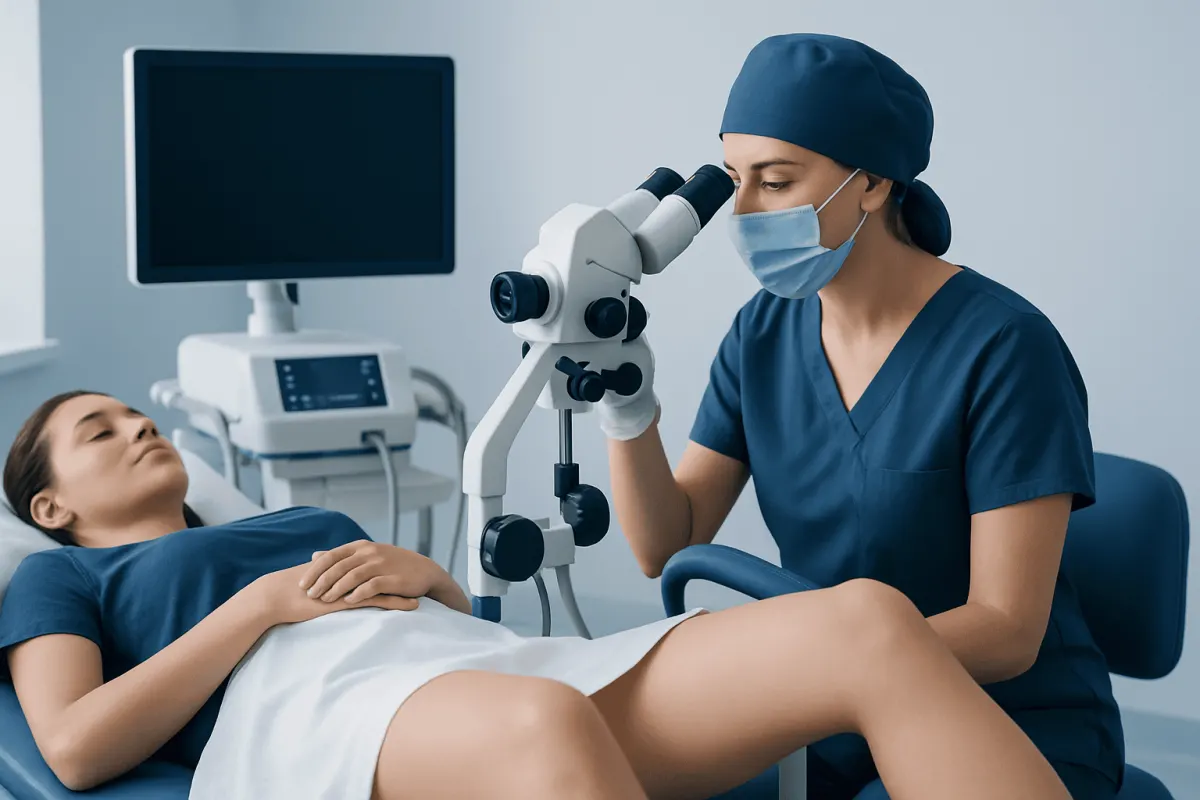
Before surgery, the clinician takes a medical history, reviews medicines and allergies, examines the area and discusses the desired change. Consent should include a conversation about normal anatomical diversity, alternatives to surgery, scarring, possible asymmetry and the fact that final appearance develops gradually as swelling settles. Patients should receive clear instructions on fasting if general anaesthesia is planned, transport home and support during early recovery.
On the day, labiaplasty may be performed with local anaesthesia, sedation or general anaesthesia depending on the surgical plan and patient needs. The surgeon marks the tissue, removes or reshapes a conservative amount, controls bleeding and closes the area with dissolvable stitches. The operation is often performed as a day procedure, though the timing and discharge arrangements depend on the individual and facility.
Afterwards, swelling, bruising, tenderness and minor spotting are common. Cold compresses wrapped in cloth, prescribed or recommended pain relief, gentle hygiene and loose underwear can support comfort. Many people can return to light daily activities within days, but swelling may take several weeks to improve. Exercise, cycling, swimming, tampon use and vaginal intercourse are usually avoided until the surgeon confirms healing, often after several weeks.
For people travelling for care, planning should allow time for an in-person review before flying home and for access to follow-up advice after return. Labiaplasty treatment should include a personalised assessment, surgical planning and clear aftercare instructions rather than being approached as a quick cosmetic service.
Benefits, limitations and possible risks
When surgery is appropriate, potential benefits include less rubbing or pulling during movement, greater comfort in fitted clothing and easier participation in activities that previously caused irritation. Some patients also feel more at ease with the appearance of their genital area. Outcomes are individual, and no result can be guaranteed.
Like all surgery, labiaplasty has risks. These include bleeding, infection, wound separation, delayed healing, noticeable scarring, persistent swelling, changes in sensation, pain, asymmetry and dissatisfaction with the cosmetic result. Rarely, further treatment or revision surgery may be needed. Removing too much tissue can cause discomfort and dryness, which is why conservative planning and experienced surgical care are important.
Patients should contact their surgical team promptly for worsening pain, increasing redness or swelling, fever, foul-smelling discharge, heavy bleeding, difficulty passing urine or a wound that appears to open. Follow-up appointments allow the clinician to check healing and address concerns before they become more troublesome.
Does the NHS pay for labiaplasty?
The NHS does not routinely fund labiaplasty when the reason is cosmetic appearance alone. National guidance emphasises that labia differ widely in appearance and that surgery carries risks. Local NHS commissioning policies may differ, but access is generally limited and decisions are made case by case.
Funding may be considered in selected situations where there is a documented medical or functional reason, such as significant symptoms related to congenital differences, trauma, disease or persistent impairment that has not responded to appropriate non-surgical care. A referral and specialist assessment are usually needed. Being distressed by appearance, without a clear clinical indication, does not usually meet the threshold for NHS treatment.
People seeking advice through the NHS can speak with a GP, sexual health clinician or gynaecology service. The clinician can assess symptoms, exclude conditions that may be treated without surgery and explain the local referral pathway. They can also help individuals make an informed decision without pressure to pursue a procedure.
How to qualify for free labiaplasty?
There is no universal route to “free” labiaplasty in the UK. Where NHS funding is available, the procedure must usually be assessed as clinically necessary rather than requested for cosmetic reasons. The person generally needs an evaluation by a GP or relevant specialist, records of persistent symptoms or functional difficulty, and evidence that suitable conservative measures or other treatments have been considered.
Criteria and approval processes are set locally, so a clinician cannot promise eligibility. The assessment may include an examination, review of symptoms, discussion of mental and sexual wellbeing, and consideration of alternative diagnoses. If a condition such as a skin disorder, infection or pelvic pain syndrome is causing symptoms, treating that condition may be more appropriate than surgery.
It is reasonable to ask the referring clinician what the local policy requires, what information will be included in a referral and what alternatives are available. Patients should be cautious about providers who present surgery as necessary for normal anatomical variation or who discourage adequate time for reflection.
Which country has the cheapest labiaplasty?
No single country can reliably be called the cheapest place for labiaplasty. Published prices are not directly comparable because they may include different services, such as anaesthesia, hospital or clinic charges, tests, accommodation, medicines, translation, follow-up and revision care. A lower advertised price may not represent the full cost or the level of clinical support available.
For people considering treatment abroad, safety and continuity of care should carry more weight than price alone. Important questions include whether the surgeon is appropriately credentialed, the facility is regulated and equipped for emergencies, who provides anaesthesia, what aftercare is included and how complications will be managed after travelling home. Travel soon after surgery can also be uncomfortable and may complicate timely review.
Acıbadem Health Point’s multidisciplinary specialists and JCI-accredited hospitals diagnose and treat suitable patients, including international visitors, with individual assessment and planned follow-up. A written treatment plan can help patients understand what is included before making travel arrangements.
Are most people happy with labiaplasty and when should medical care be sought?
Research reports that many carefully selected patients describe satisfaction after labiaplasty, particularly when treatment addresses a specific physical concern. However, satisfaction is not universal, and study results vary in quality, follow-up time and the reasons people chose surgery. A positive outcome is more likely when expectations are realistic, the decision is unhurried and the surgeon discusses both benefits and limitations openly.
Medical advice should be sought before considering surgery if there is genital pain, itching, recurrent sores, unusual discharge, bleeding, a new lump, urinary symptoms or sudden changes in appearance. These symptoms can have causes that need diagnosis and may not improve with labiaplasty. Urgent assessment is appropriate for severe pain, heavy bleeding, fever or rapidly increasing swelling, especially after a procedure.
People should also seek support if worries about genital appearance are causing marked anxiety, avoidance of relationships or daily activities, or repeated checking. A GP, gynaecology clinician, sexual health professional or mental health professional can provide non-judgemental support and help distinguish a normal variation from a concern that needs treatment.
Frequently asked questions
01What is included in a labiaplasty quote?
A complete quote may include the surgeon’s fee, anaesthesia, operating facility charges, pre-operative assessment, tests, medicines and follow-up reviews. What is included differs between providers, so patients should request an itemised written estimate. It is also sensible to ask about the policy for unexpected care or revision surgery.
02Is labiaplasty medically necessary?
Labiaplasty is not usually medically necessary for normal differences in labial size, shape or symmetry. It may be considered when there are persistent functional symptoms or a condition affecting the genital tissues. A qualified clinician can assess whether symptoms may have another, non-surgical cause.
03How long does it take to recover from labiaplasty?
Initial soreness and swelling are common and often improve over the first few weeks, although complete settling can take longer. The exact timeline varies with the technique used, the extent of surgery and individual healing. The surgeon should advise when it is safe to resume exercise, swimming, cycling and sexual activity.
04Can labiaplasty affect sensation or sex?
Changes in sensation, discomfort during sex and reduced satisfaction are possible, although they are not expected outcomes. Careful surgical technique aims to preserve sensitive tissue and normal function, but no surgery is risk-free. Patients should discuss their concerns about sensation and sexual wellbeing during consultation.
05Do I need a referral for private labiaplasty in the UK?
A referral is not always required for a private consultation, but the provider will carry out its own assessment before deciding whether surgery is appropriate. A GP review can still be helpful when there are pain, skin, urinary or infection symptoms. For possible NHS funding, a GP or specialist referral is generally part of the process.
06What should I ask at a labiaplasty consultation?
Patients can ask about the surgeon’s qualifications and experience, the recommended technique, expected changes, risks, recovery plan and who will provide follow-up. They should also ask for an itemised cost estimate and information about managing complications. A reputable clinician should allow time to consider the decision and answer questions without pressure.
This article is for general information only and is not a substitute for professional medical advice. Please consult a qualified doctor about your individual situation.
Explore treatments in Turkey — costs, top hospitals & a free quote
JCI-accredited · board-certified surgeons · reply within 24h
Add us as a Preferred Source to see more of our trusted health content across Google Search, AI Overviews and Discover.