Knee Replacement Before and After: Recovery Changes
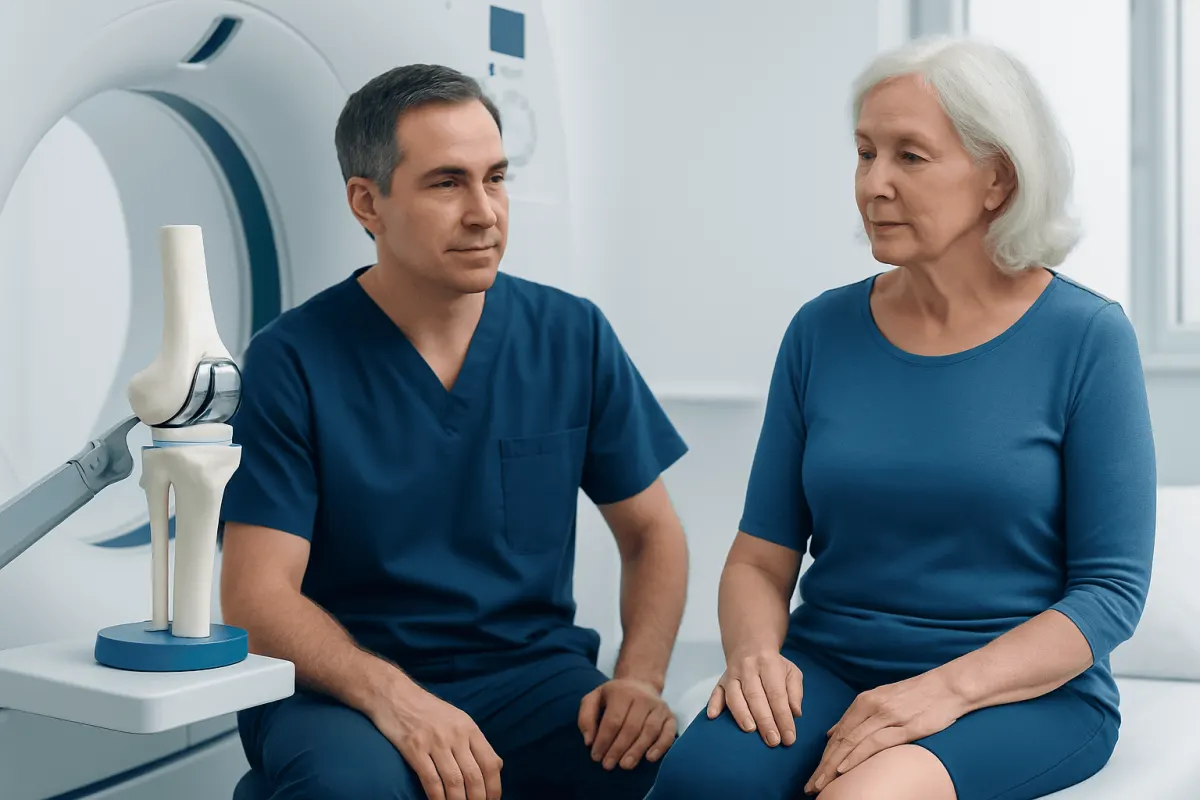
Knee replacement before and after changes are usually gradual: many people experience less knee pain, improved stability and better ability to manage daily activities, rather than an instantly “normal” knee. Realistic results depend on the condition of the joint before surgery, the type of procedure, overall health and consistent rehabilitation.
What knee replacement before and after can realistically look like
Knee replacement before and after is best understood as a gradual change from persistent joint pain and limited movement toward more comfortable walking and everyday function. For many people, the operation reduces pain caused by advanced joint damage and makes activities such as standing, climbing stairs and sleeping easier. It does not create a natural, youthful knee or guarantee the same result for every person.
Before surgery, a person may be limiting work, exercise, social plans or sleep because of pain, stiffness, swelling or a feeling that the knee is unreliable. After surgery, the early focus is on wound healing, controlling pain, restoring movement and walking safely. Over subsequent months, many people notice that their ability to participate in daily life improves as strength and confidence return.
Individual outcomes vary. Age alone does not determine success, but other joint problems, nerve or back pain, general fitness, body weight, diabetes, smoking, emotional wellbeing and commitment to rehabilitation can all influence the pace and extent of recovery. The surgical team can help set goals that are meaningful and realistic for the individual.
How knee replacement works and who may be a candidate
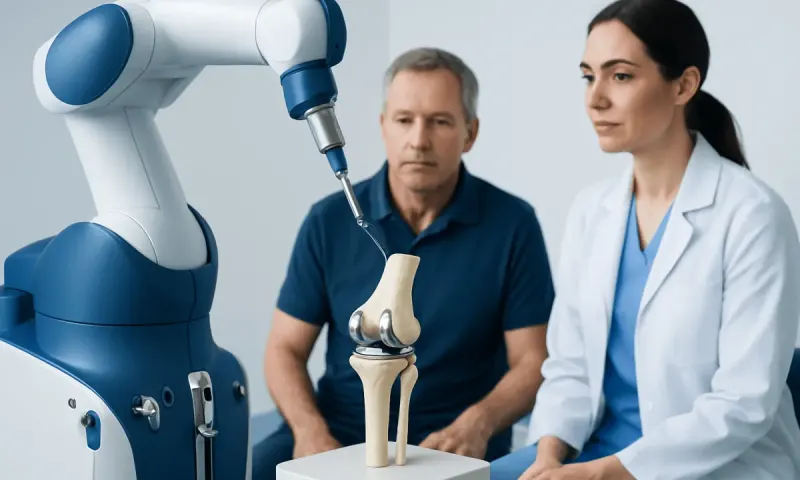
Knee replacement, also called knee arthroplasty, replaces worn or damaged joint surfaces with carefully shaped metal and durable plastic components. In a total knee replacement, the surgeon resurfaces the ends of the thighbone and shinbone and may resurface the back of the kneecap when appropriate. The components are designed to allow smoother movement and reduce bone-on-bone contact.
It is most often considered for severe <a href="https://acibademhealthpoint.com/diseases/knee-osteoarthritis/”>knee osteoarthritis, although inflammatory arthritis, previous injury or certain deformities can also damage the joint. Osteoarthritis is a common cause of progressive knee pain and stiffness; readers can learn more about osteoarthritis and its management options. Surgery is usually discussed when symptoms substantially affect quality of life and non-surgical care has not provided enough relief.
Before recommending surgery, clinicians consider symptoms, physical examination findings, X-rays or other imaging when needed, medical history and personal priorities. Non-surgical measures may include exercise-based physiotherapy, weight management where relevant, walking aids, medicines and selected injections. A thorough consultation helps determine whether the benefits of surgery are likely to outweigh its risks for that person.
- Persistent moderate-to-severe pain that limits daily activities or sleep
- Reduced movement, difficulty walking or knee deformity
- Limited benefit from appropriate non-surgical treatment
- A willingness and ability to take part in recovery and rehabilitation
- Medical fitness for anesthesia and surgery after preoperative assessment
What happens during the procedure
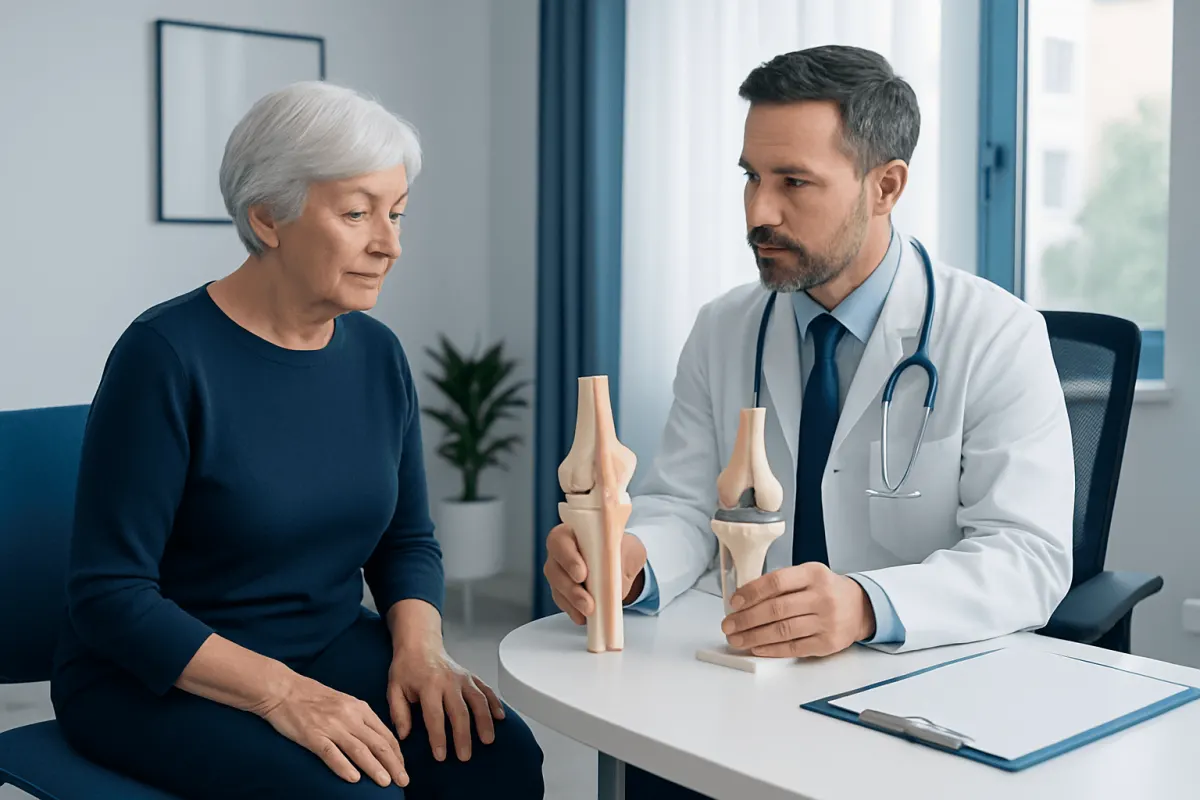
Planning begins before the operation. The team reviews medicines, allergies, medical conditions and infection risks, and may arrange blood tests, imaging and anesthesia assessment. Patients are usually advised about preparing their home, arranging help for the early recovery period and practicing mobility exercises or using walking aids if recommended.
During surgery, anesthesia is used so the patient is comfortable and does not feel the operation. The surgeon makes an incision at the front of the knee, removes damaged cartilage and a small amount of bone, balances the surrounding soft tissues, and positions the replacement components. The exact technique and whether a total or partial replacement is suitable depend on the pattern of joint damage.
After the components are checked for alignment and movement, the wound is closed and covered. The operation itself is only one part of treatment: careful anesthesia, prevention of blood clots and infection, early mobilization, pain management and structured rehabilitation all contribute to a safe recovery. For a broader description of the operation and surgical planning, see Replacement Surgery: Candidates, Implant Types, and Recovery" class="ahp-ilk">knee replacement surgery.
Recovery timeline: changes from the first days to the first year
In the first days after surgery, pain, swelling, bruising and tiredness are common. The care team encourages safe movement as soon as appropriate, often with a physiotherapist and a walker or crutches. Early exercises typically focus on straightening and bending the knee, activating the thigh muscles and improving circulation in the legs.
During the first several weeks, walking distance and independence usually increase gradually. Many people transition from a walker to crutches or a cane and then, when safe, to walking without support. The incision continues to heal, but swelling can persist, particularly after activity. Rest, elevation, prescribed exercises and following the care plan can help manage this phase.
By a few months, many patients are doing more household tasks, walking more comfortably and returning to selected low-impact activities. Driving, work and travel require individualized advice because readiness depends on the operated side, pain medicines, reaction time, mobility and job demands. Improvement can continue for up to a year or longer as the tissues settle and strength builds.
A realistic comparison is not simply “before pain” versus “after no pain.” Before surgery, the knee may dictate many daily choices. After successful rehabilitation, the person often has more freedom to walk, stand and sleep comfortably, while still noticing stiffness after rest, occasional swelling or an artificial sensation in the knee. Physical therapy and rehabilitation are central to achieving the best possible functional result.
Expected benefits, limitations and realistic examples
The main expected benefit is meaningful relief of arthritis-related pain, alongside improved walking tolerance, knee alignment and day-to-day function. People often find it easier to shop, prepare meals, move around their home, take short outings or use stairs. Better sleep and a return to valued social activities may also follow when pain is no longer the main limitation.
However, a knee replacement does not restore every movement or feeling of an unaffected knee. Some people have numbness beside the scar, clicking sensations, residual stiffness, difficulty kneeling or discomfort with certain movements. Deep squatting, running, jumping and contact sports can place high stress on the joint and may not be advised; low-impact activities such as walking, swimming, cycling and golf are often more appropriate after medical clearance.
For example, a person whose knee pain previously made grocery shopping difficult may gradually return to independent errands and longer walks after several months of rehabilitation. Another person may have excellent pain relief but continue to need a handrail on stairs because of muscle weakness, balance concerns or another health condition. These are both plausible outcomes, which is why personal goals should be discussed before surgery.
Replacement components are designed to be durable, but they are not permanent in every case. Over time, wear, loosening, infection or instability may lead to ongoing symptoms and, less commonly, further surgery. Protecting overall health, maintaining strength and attending follow-up appointments support long-term joint function.
Risks, warning signs and when to seek medical care
All major operations have potential risks. With knee replacement, these include infection, blood clots, bleeding, wound problems, stiffness, persistent pain, nerve or blood vessel injury, instability, fracture and anesthesia-related complications. Surgical teams reduce risks through careful assessment, sterile techniques, preventive medicines when appropriate and early movement after surgery.
Patients should contact their surgical team promptly if the wound becomes increasingly red, hot, swollen or draining; if fever develops; or if pain and swelling are worsening rather than gradually improving. New calf pain or marked one-sided leg swelling also needs urgent assessment because it may indicate a blood clot.
Emergency medical care is needed for sudden chest pain, shortness of breath, coughing up blood, fainting, severe allergic symptoms or new confusion. These symptoms are uncommon, but they should not be managed at home. Attending scheduled follow-up visits allows the team to monitor healing, motion, wound status and progress with rehabilitation.
Preparing well and supporting long-term recovery
Preparation can make the recovery period more manageable. Before surgery, patients may be encouraged to strengthen the leg muscles within their comfort level, optimize treatment for conditions such as diabetes or high blood pressure, stop smoking and review nutrition. Preparing a clear walking route at home, removing trip hazards and arranging practical support can also improve safety and comfort.
After surgery, the rehabilitation plan should be followed consistently, without forcing painful movements beyond the guidance of the treating team. Short, regular periods of walking and prescribed exercise are often more helpful than occasional strenuous activity. Adequate rest, balanced nutrition, hydration and appropriate use of prescribed pain relief support participation in recovery.
Anyone considering surgery should ask about the type of replacement, expected hospital stay, pain-control plan, rehabilitation pathway, activity restrictions and what results are realistic for their specific knee. Acıbadem Health Point’s multidisciplinary specialists and JCI-accredited hospitals diagnose and treat knee conditions for international patients, with care plans based on individual clinical assessment.
Frequently asked questions
01How long does it take to see results after knee replacement?
Early improvements in walking and pain control often develop over the first weeks, but recovery is not complete at that stage. Many people continue to gain strength, movement and confidence over several months. Full settling of the knee and the best functional result may take up to a year or longer.
02Will a knee replacement feel like a normal knee?
A replacement knee can provide comfortable, reliable movement for daily life, but it may not feel exactly like an uninjured natural knee. Some people notice stiffness, numbness around the scar, clicking or awareness of the implant. These sensations often become less noticeable as recovery progresses.
03What can people usually do after knee replacement?
Many people return to walking, cycling, swimming, golf, household activities and other low-impact pursuits after appropriate recovery and medical clearance. The timing varies according to healing, strength and balance. High-impact activities, deep squatting and contact sports may be discouraged because they can stress the replacement joint.
04Is pain normal after knee replacement?
Pain and swelling are expected in the early recovery period and should gradually improve with the care plan, movement, rest and prescribed pain relief. Recovery discomfort is different from severe or worsening pain. A surgical team should be contacted if pain escalates, is accompanied by fever or wound changes, or prevents expected progress.
05Can knee replacement be done if a person is older?
Age by itself does not decide whether knee replacement is appropriate. Clinicians assess overall health, independence, knee symptoms, medical conditions and rehabilitation readiness. An individualized assessment helps determine whether surgery is likely to offer meaningful benefits.
06What happens if rehabilitation exercises are difficult?
Exercises can be challenging during early recovery, but they are important for restoring motion, strength and safe walking. The physiotherapy team can adjust the program to pain levels, mobility and other health needs. Patients should not stop rehabilitation without discussing concerns with their surgeon or physiotherapist.
This article is for general information only and is not a substitute for professional medical advice. Please consult a qualified doctor about your individual situation.
Joint and spine care in Turkey — expert assessment & treatment
JCI-accredited · board-certified surgeons · reply within 24h
Add us as a Preferred Source to see more of our trusted health content across Google Search, AI Overviews and Discover.