Knee Cancer: Types, Diagnosis, and Treatment
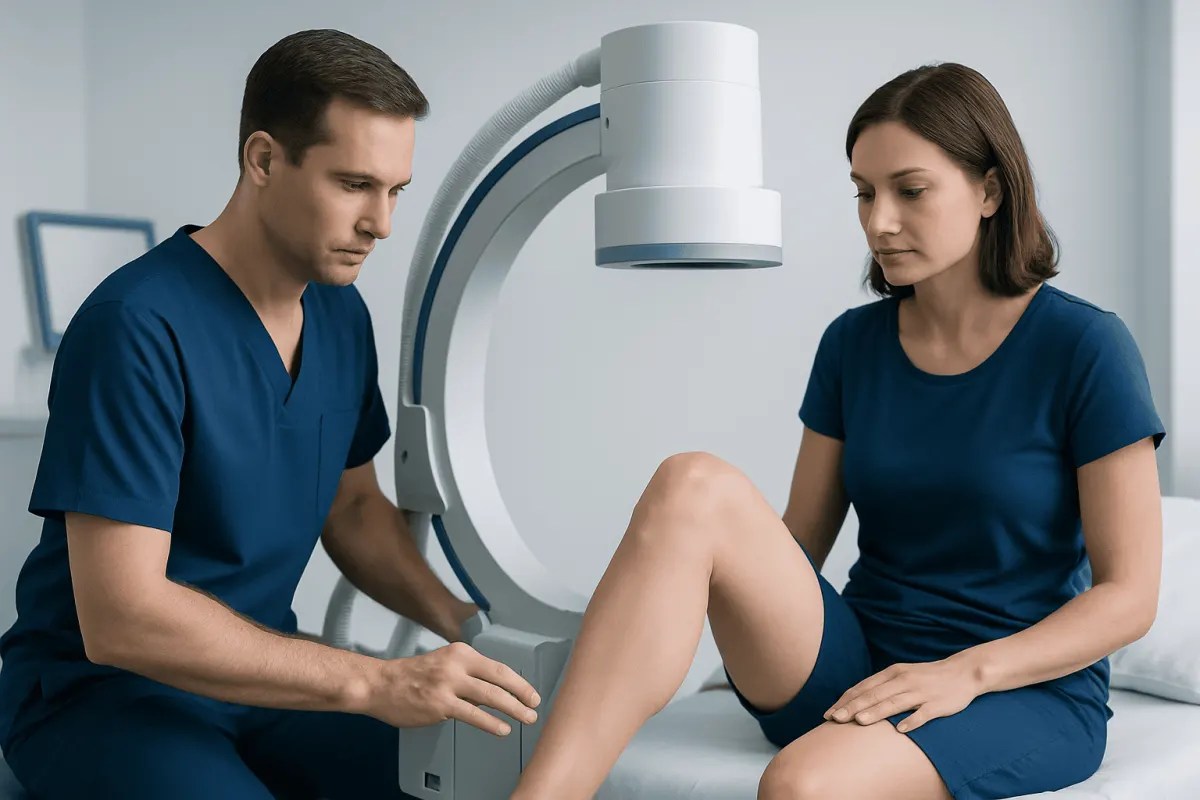
Knee cancer is not one single disease; it is a broad term for cancers that begin in the bones or soft tissues around the knee, or cancers that have spread there from another part of the body. Accurate imaging and a specialist-performed biopsy are essential because treatment and outlook depend on the exact tumor type, location, grade, and stage.
Overview: What Does Knee Cancer Mean?
Knee cancer is not a precise medical diagnosis. The term commonly describes a cancer involving the bones, cartilage, or soft tissues around the knee joint, including the lower end of the thigh bone (femur), upper shin bone (tibia), kneecap (patella), nearby muscles, tendons, nerves, or blood vessels. It may also refer to cancer that began elsewhere in the body and later spread to bone near the knee.
Primary cancers that start around the knee are uncommon. In children, teenagers, and young adults, some bone sarcomas, including osteosarcoma and Ewing sarcoma, may develop near the ends of long bones around the knee. In adults, chondrosarcoma can arise from cartilage-producing cells, while soft-tissue sarcomas may begin in the tissues surrounding the joint. Metastatic bone disease is more common than primary bone cancer in many older adults.
Not every painful knee, swelling, or lump indicates cancer. Arthritis, sports injuries, cysts, infection, and benign bone tumors are far more frequent causes. However, symptoms that persist, worsen, occur at rest, or are not explained by an injury should be evaluated by a qualified clinician.
Symptoms and Changes That May Need Attention
The most common symptom of a tumor around the knee is pain that gradually becomes more persistent. It may initially feel like a strain or overuse injury, but can continue despite rest. Some people notice pain at night or discomfort that is not clearly related to activity. Cancer-related pain is not always severe, and its pattern alone cannot confirm a diagnosis.
A visible or palpable lump, swelling, warmth, or increasing firmness around the knee can also occur. If a tumor affects the bone, it may weaken the area and occasionally lead to a fracture after minor trauma. When a mass presses on nearby structures, a person may experience stiffness, reduced range of motion, limping, numbness, or weakness.
General symptoms such as unexplained weight loss, ongoing fatigue, fever, or reduced appetite are less common and may have many causes. Children and adolescents with continuing bone pain, a limp, or swelling near a joint should be assessed promptly, especially if symptoms are increasing or interfere with normal activities.
- Persistent or progressive knee pain without a clear cause
- A growing lump or swelling near the knee
- Pain that wakes a person from sleep or occurs at rest
- New limping, loss of movement, or difficulty bearing weight
- A fracture after a minor injury or unexplained bone weakness
Types, Causes, and Risk Factors

The type of tumor is determined by the cells from which it develops. Osteosarcoma forms immature bone tissue and often occurs near the knee in younger people. Ewing sarcoma is another rare cancer of bone or soft tissue that is more often diagnosed in children and young adults. Chondrosarcoma develops from cartilage-producing cells and is more common in adults. Soft-tissue sarcomas are a diverse group of cancers that can arise in muscles, fat, fibrous tissue, blood vessels, or nerves around the knee.
In many people with a primary bone or soft-tissue sarcoma, there is no identifiable cause. These cancers are not caused by routine exercise, a minor injury, or everyday knee use. An injury may draw attention to an area that was already painful, but it does not usually cause cancer.
Some factors can raise risk for particular cancers, although they are uncommon. These include certain inherited cancer syndromes, previous radiation therapy to the affected area, Paget disease of bone in older adults, and selected benign bone conditions. Metastatic cancer near the knee may occur when cancers such as breast, prostate, lung, kidney, or thyroid cancer spread to bone, but the pattern varies by the original cancer type.
How Knee Cancer Is Diagnosed
Assessment usually begins with a medical history and physical examination. The clinician will ask about the location and timing of pain, prior injuries, changes in function, personal or family cancer history, and any other symptoms. An X-ray is often the first imaging test when a bone problem is suspected, as it can show changes in bone structure, calcification, or a possible fracture.
If an abnormality is found or symptoms remain concerning, MRI is especially useful for showing the extent of a tumor in bone, marrow, muscles, and other soft tissues. CT scans can provide detailed images of bone and may be used to examine the chest, where some sarcomas can spread. Depending on the suspected diagnosis, PET-CT, bone scans, blood tests, or other studies may help assess whether cancer has spread.
A biopsy is needed to confirm cancer and identify its exact type. This involves taking a small tissue sample for examination by a pathologist. For suspected sarcoma, biopsy planning is particularly important: it should ideally be performed by, or in consultation with, the specialist team that would carry out any surgery. A poorly placed biopsy track can complicate later limb-preserving treatment.
After diagnosis, the team determines the tumor grade and stage. Grade describes how abnormal the cancer cells appear and how quickly they may be expected to grow. Stage considers factors such as tumor size, local involvement, lymph node status when relevant, and whether cancer has spread to distant sites.
Modern Treatment Approaches
Treatment for knee cancer is personalized and usually planned by a multidisciplinary team. This may include orthopedic oncology surgeons, medical oncologists, radiation oncologists, radiologists, pathologists, rehabilitation specialists, pain specialists, and specialist nurses. The treatment plan depends on whether the cancer started near the knee or spread there, as well as its type, stage, grade, location, and the person’s overall health and priorities.
Surgery is often a central treatment for localized bone and soft-tissue tumors. Whenever safely possible, surgeons aim for limb-sparing surgery, removing the tumor along with a margin of healthy tissue while preserving the leg. Reconstruction may use a specialized metal implant, bone graft, joint replacement components, or soft-tissue reconstruction. Amputation is now less commonly needed, but may be the safest option when a tumor involves major nerves or blood vessels, cannot be fully removed with adequate margins, or when infection or function-related concerns make reconstruction unsuitable.
Chemotherapy may be used before surgery to shrink or control certain tumors, after surgery to address microscopic cancer cells, or as treatment for cancer that has spread. It is commonly part of care for osteosarcoma and Ewing sarcoma, while its role differs for chondrosarcoma and many soft-tissue sarcomas. Radiation therapy may be used when surgery is not possible, when margins are close, for certain tumor types, or to relieve symptoms from metastatic disease. Some cancers may also be treated with targeted therapy, immunotherapy, hormone-based treatment, or bone-strengthening medicines, depending on their biology and origin.
Rehabilitation is an important part of treatment. Physiotherapy helps restore strength, walking ability, knee movement, balance, and confidence after surgery or other treatments. Recovery timelines vary considerably, particularly after complex reconstruction, and follow-up appointments are needed to monitor healing, function, treatment effects, and any signs of recurrence.
Outlook, Follow-Up, and Daily Well-Being
The outlook for knee cancer varies widely. It is influenced by the specific cancer type, whether it is localized or has spread, the response to treatment, whether surgery can remove the tumor completely, and a person’s age and general health. For this reason, broad survival figures are not a reliable way to predict an individual outcome; the treating team can explain what the diagnosis means in the person’s particular situation.
Follow-up care generally includes regular clinical reviews and imaging. The schedule and tests depend on the cancer type and treatment received. Follow-up may monitor the original site, the lungs or other areas at risk of spread, and the long-term performance of any reconstruction or implant. It also provides an opportunity to manage pain, stiffness, fatigue, emotional concerns, and treatment-related effects.
People can support recovery by attending rehabilitation sessions, following guidance on weight-bearing and wound care, eating adequately, avoiding tobacco, and reporting new or worsening symptoms. Emotional support can be equally valuable. Counseling, support groups, social work services, and communication with family can help individuals manage the practical and psychological aspects of a Prostate Cancer Diagnosis: Tests and Next Steps" class="ahp-ilk">cancer diagnosis.
When to Seek Medical Care
Medical evaluation is appropriate for knee pain or swelling that lasts more than a few weeks, steadily worsens, returns repeatedly, or is not improving as expected after a minor injury. A clinician should also assess a new lump, an enlarging mass, unexplained limitation of movement, or a limp that does not resolve. These symptoms commonly have non-cancerous explanations, but timely assessment can provide clarity and appropriate treatment.
Urgent medical care is advisable for sudden inability to bear weight, severe pain after minimal trauma, rapidly increasing swelling, signs of infection such as fever with a hot and painful joint, or new weakness or numbness in the leg. Anyone with a previous cancer diagnosis who develops persistent new bone pain should contact their oncology team or doctor.
For suspected or confirmed tumors near the knee, referral to a specialist sarcoma or orthopedic oncology team is important before biopsy or major surgery whenever possible. Acıbadem Health Point’s multidisciplinary specialists and JCI-accredited hospitals evaluate and treat bone and soft-tissue tumors for international patients, with care plans developed around the confirmed diagnosis and individual needs.
Frequently asked questions
01Is knee cancer common?
Cancer that starts in the bones or soft tissues around the knee is rare. Knee pain is much more often related to injuries, osteoarthritis, tendon problems, or other non-cancerous conditions. Persistent or unusual symptoms should still be assessed by a clinician.
02Can an X-ray diagnose knee cancer?
An X-ray can show abnormalities in bone and is often an important first test. However, it cannot determine the exact type of tumor on its own. MRI, CT, other staging tests, and a biopsy are usually needed to confirm a diagnosis.
03Can knee cancer be mistaken for a sports injury?
Yes, early symptoms such as pain, swelling, or limping can resemble a sports injury or overuse problem. Symptoms that continue, worsen, occur at night, or do not improve with appropriate care should be re-evaluated. This is especially important when there is a growing lump or unexplained loss of function.
04Does knee cancer always require amputation?
No. Many tumors near the knee can be treated with limb-sparing surgery combined with reconstruction, chemotherapy, radiation therapy, or other treatments when appropriate. Amputation may be considered in selected situations when it offers the safest or most effective cancer control.
05Can cancer spread to the knee?
Cancer can spread to bones, including bones near the knee, although other skeletal sites are more commonly affected depending on the original cancer. This is called metastatic bone disease and is different from a primary bone cancer. Treatment focuses on the original cancer type as well as pain control, bone stability, and maintaining mobility.
06What specialist treats a tumor around the knee?
A suspected tumor near the knee is best evaluated by a multidisciplinary team with experience in bone and soft-tissue tumors. This often includes an orthopedic oncology surgeon, medical oncologist, radiation oncologist, radiologist, and pathologist. Specialist involvement before a biopsy or surgery can help ensure the diagnostic and treatment plan is coordinated.
This article is for general information only and is not a substitute for professional medical advice. Please consult a qualified doctor about your individual situation.
Joint and spine care in Turkey — expert assessment & treatment
JCI-accredited · board-certified surgeons · reply within 24h
Add us as a Preferred Source to see more of our trusted health content across Google Search, AI Overviews and Discover.