Jowl Lift Cost in the UK: What Affects Your Quote
A jowl lift can refer to several facial rejuvenation procedures, from minimally invasive tightening treatments to surgical lower facelift techniques. In the UK, the final cost depends on the approach, clinician expertise, operating setting, anaesthesia, follow-up care and whether other facial procedures are combined.
Jowl lift cost UK: what determines the final price?
Jowl lift cost UK is not a single fixed figure because “jowl lift” describes several different treatments rather than one standard procedure. The most reliable way to understand expected costs is to attend a consultation and request an individual written estimate. This should reflect the degree of skin laxity, the planned technique, the surgeon’s experience, the location and the level of aftercare required.
For surgery, the estimate may include the surgeon’s fee, anaesthetist fee, operating theatre or hospital charges, pre-operative assessment, prescribed medicines, dressings, compression garments and follow-up appointments. Quotes should also explain whether any revision policy, overnight stay or additional treatments are included. Comparing jowl lift UK prices only makes sense when the proposed procedures and included services are alike.
Non-surgical options may have a lower initial cost, but they can require a series of appointments and maintenance over time. A clinician should explain the likely degree and duration of improvement before treatment, rather than presenting price alone as a measure of value.
Patients considering surgical facial rejuvenation can learn more about facelift surgery as part of an informed discussion with a qualified plastic surgeon.
What is a jowl lift and how does it work?
Jowls are areas of fullness or looseness along the lower jawline. They develop gradually as skin loses elasticity, fat shifts within the face, connective tissues become less supportive and the lower face changes with age. Genetics, sun exposure, smoking, weight fluctuations and overall skin quality can also influence how visible jowls become.
A surgical jowl lift is commonly performed as part of a lower facelift or facelift. The surgeon carefully repositions deeper facial support layers and removes or redistributes selected tissue when appropriate. Excess skin may then be trimmed and redraped without undue tension. This aims to create a smoother jawline and neck-to-face transition while preserving a natural facial expression.
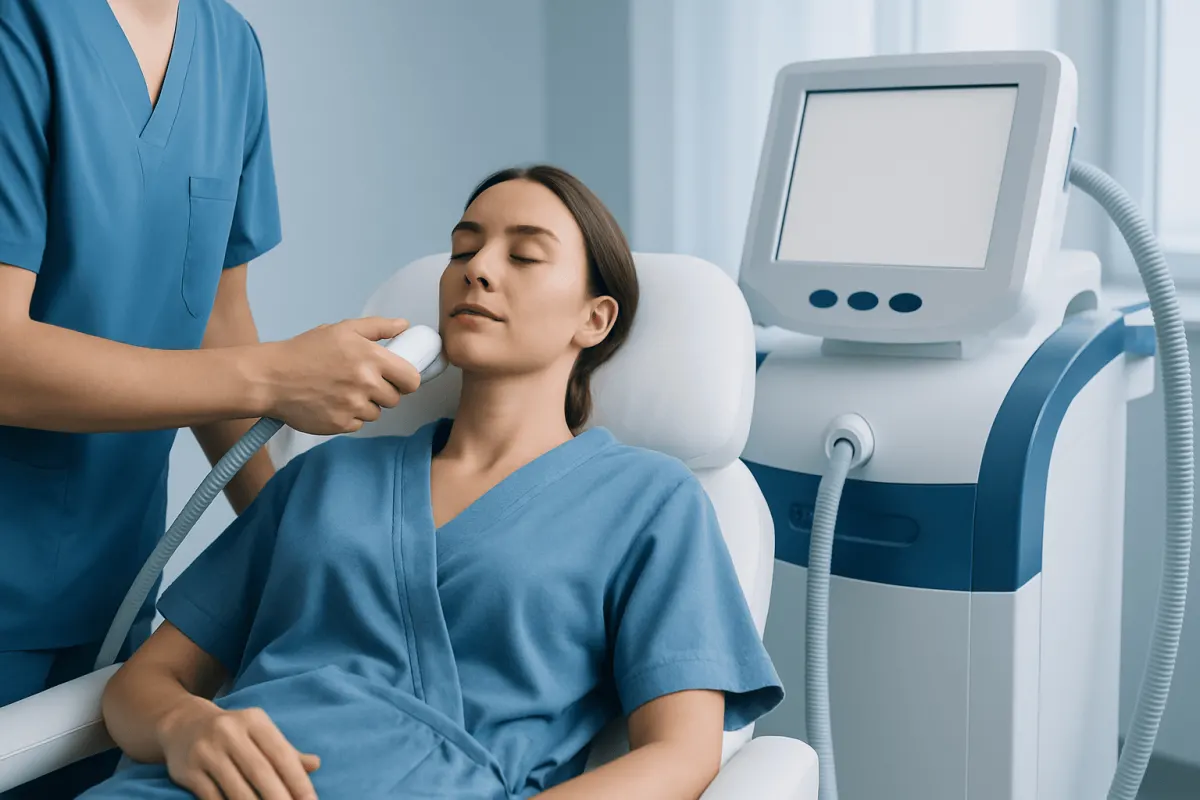
For mild laxity, clinicians may discuss non-surgical options such as energy-based skin tightening, injectables or thread-based techniques. These approaches do not reproduce the tissue repositioning possible with surgery. Their suitability, evidence base, longevity and risks differ, so a personalised assessment is important.
How much is a jowl lift in the UK?

There is no universally applicable answer because a jowl lift can range from a non-surgical treatment to a more comprehensive lower facelift. Jowl lift surgery cost UK will therefore vary substantially according to the technique, the complexity of the procedure, the professional team involved and whether it is carried out in a clinic or hospital setting.
A safe consultation should move beyond a headline figure. Patients should ask whether the quote includes anaesthesia, facility charges, pre-operative tests, follow-up appointments, compression garments, medications and any planned overnight care. They should also ask what costs could arise if additional treatment is clinically necessary or if a revision is discussed later.
Choosing a provider solely on the lowest advertised price can overlook important factors such as specialist training, operating standards, emergency arrangements and continuity of aftercare. In the UK, patients can check that the surgeon is appropriately qualified and registered, and that the facility is properly regulated for the planned procedure.
How much does it cost to get your jowls lifted?
The cost to get jowls lifted depends first on whether the goal is modest skin tightening or a longer-lasting surgical change. A clinician may recommend a non-surgical approach for early laxity, while more pronounced jowls, loose neck skin or facial descent may be better addressed by a lower facelift. Combining procedures can change the overall fee and recovery plan.
During planning, patients should consider the longer-term financial picture as well as the initial cost. Some non-surgical treatments need periodic maintenance, whereas surgical results usually last longer but cannot stop normal facial ageing. The right option is the one that safely matches the person’s anatomy, expectations, tolerance for downtime and willingness to accept scars and surgical risks.
It is reasonable to request a detailed, itemised quote and time to consider it. A reputable clinician should not pressure a person to book treatment and should explain alternatives, limitations and recovery requirements clearly.
Who may be a candidate and what happens during surgery?
Potential candidates are adults bothered by lower-face laxity or jowling who are in generally good health, do not smoke or are prepared to stop nicotine use as advised, and have realistic expectations. A facelift can improve the appearance of sagging tissues, but it does not change bone structure, erase every line or permanently prevent ageing. Good skin quality and stable weight can support a more predictable result.
At the consultation, the surgeon reviews medical history, medicines, allergies, smoking or nicotine use, prior facial procedures and goals. Facial skin, jawline, neck and underlying tissue support are assessed. Photographs may be taken for planning, and the surgeon explains incision placement, expected scars, anaesthesia, recovery and alternatives.
On the day of surgery, the procedure is usually performed under anaesthesia in an appropriate operating setting. Incisions are commonly placed around the ear and may extend into the hairline or beneath the chin, depending on the technique. The surgeon lifts and supports deeper tissues, addresses excess fat or skin where appropriate, closes the incisions and applies dressings. The exact steps vary between patients and should be confirmed by the operating surgeon.
Recovery, benefits and possible risks
Following a surgical jowl lift, swelling, bruising, tightness and temporary numbness are common. The first days are generally focused on rest, wound care and keeping the head elevated as advised. Many people gradually return to light daily activities after an initial recovery period, but strenuous exercise, heavy lifting and activities that raise blood pressure should be avoided until the surgeon confirms it is safe.
Bruising and swelling usually improve progressively, although subtle swelling and scar maturation can continue for months. Follow-up visits allow the clinical team to monitor healing, remove sutures when needed and address questions. Patients should follow instructions about washing, dressings, sun protection, medicines and avoiding smoking or nicotine, which can impair healing.
Potential benefits include a more defined jawline, reduced jowling and improved lower-face balance. Risks include bleeding, infection, fluid collection, delayed healing, noticeable or unfavourable scarring, changes in skin sensation, asymmetry, hairline changes, anaesthetic complications and, rarely, injury to facial nerves. A surgeon should discuss individual risk factors and the signs that require urgent contact after surgery.
Is a jowl lift worth it?
Whether a jowl lift is worth it is personal. It may feel worthwhile for someone who wants a lasting improvement in significant lower-face laxity and accepts the recovery, scars, cost and possible complications. It may be less suitable for a person seeking a small change without downtime, or for someone whose expectations cannot reasonably be met by the procedure.
Useful questions include: What specific change is most important? Is the concern mainly skin laxity, fat under the chin, jaw structure or skin texture? How much recovery time is available? What level of maintenance is acceptable? Reviewing the surgeon’s explanation of likely results, rather than relying on edited images or social media trends, supports a balanced decision.
Patients should feel comfortable seeking a second opinion, particularly before an operation. An experienced surgeon can explain whether a facelift, neck-focused procedure, non-surgical treatment or no intervention is the safest and most appropriate choice.
What happens 10 years after a face lift?
Ten years after a facelift, the face continues to age naturally. The tissues do not return to exactly the same position they were in before surgery, but skin elasticity, fat distribution, bone structure and sun exposure continue to influence appearance over time. Many people still see a benefit in facial contour compared with their likely untreated ageing pattern, although the degree of change varies.
Some people later choose non-surgical skin treatments or another surgical procedure, while others do not want or need further treatment. A revision operation should never be assumed; it requires a fresh assessment of skin quality, scarring, health status and goals. Maintaining sun protection, avoiding smoking, following a balanced lifestyle and keeping weight relatively stable may support skin health.
Acıbadem Health Point’s multidisciplinary specialists and JCI-accredited hospitals can assess facial ageing concerns and discuss appropriate surgical and non-surgical options for international patients.
When to seek medical care
Anyone considering a jowl lift should arrange a consultation with a suitably qualified plastic surgeon or specialist clinician before proceeding. Medical advice is especially important for people with bleeding disorders, poorly controlled chronic conditions, a history of problematic scarring, prior facial surgery, or use of medicines and supplements that may affect bleeding or anaesthesia.
After a procedure, patients should contact their surgical team promptly for increasing pain, rapidly worsening swelling, persistent bleeding, fever, wound redness or discharge, shortness of breath, chest pain, or a sudden change in facial movement. These symptoms do not always indicate a serious problem, but they need timely clinical assessment.
Frequently asked questions
01Are jowl lift prices the same as facelift prices?
Not necessarily. A jowl lift may describe a lower facelift, a mini facelift, a neck-and-jawline procedure or a non-surgical treatment. The planned technique and what is included in the care package determine the cost more accurately than the label used.
02Can fillers lift jowls?
Fillers can sometimes improve facial balance or support selected areas in people with mild lower-face changes. They do not remove loose skin or reposition deeper sagging tissues in the way a facelift can. Incorrectly placed or excessive filler can make the lower face appear heavier, so assessment by an experienced clinician is important.
03How long do jowl lift results last?
The duration depends on the treatment used, individual skin characteristics, ageing, weight changes and lifestyle factors. Surgical results generally last longer than non-surgical tightening treatments, but no procedure stops normal ageing. A surgeon can give a more individual estimate after examining the face and neck.
04Will a jowl lift leave scars?
Surgical lifting requires incisions and therefore leaves scars. Surgeons usually place them around the ears, hairline or other less conspicuous areas where possible. Scars commonly fade over time, but their final appearance varies and cannot be guaranteed.
05What is the recovery time for a jowl lift?
Recovery varies with the extent of surgery and the individual’s healing. Bruising and swelling are expected initially, while more subtle swelling can take longer to settle. The surgeon provides personalised guidance on returning to work, exercise, social activities and skin-care routines.
06Can a jowl lift be combined with neck surgery?
Yes, lower-face lifting is often assessed together with the neck because these areas affect one another visually. Combining procedures may help create a more balanced contour for appropriate candidates, but it can also alter operating time, recovery and risk. The decision should be based on a detailed surgical assessment.
This article is for general information only and is not a substitute for professional medical advice. Please consult a qualified doctor about your individual situation.
Explore treatments in Turkey — costs, top hospitals & a free quote
JCI-accredited · board-certified surgeons · reply within 24h
Add us as a Preferred Source to see more of our trusted health content across Google Search, AI Overviews and Discover.