Infected Hair Transplant: Procedure, Benefits, Risks and Recovery

Key Takeaways
- Infection after hair transplant is uncommon but should be assessed quickly if redness, pain, swelling, pus, or fever appear.
- Many early symptoms can resemble normal healing, so timing and symptom pattern matter.
- Treatment may include cleaning the scalp, prescription medication, and close follow-up with the surgical team.
- Good aftercare, gentle scalp hygiene, and avoiding picking or scratching help lower infection risk.
- People traveling for surgery should know where to seek local support if symptoms develop after returning home.
An infected hair transplant is uncommon, but it can happen when bacteria enter the scalp after surgery or when healing is disrupted. Early recognition and prompt medical care usually help protect the grafts, support healing, and reduce the chance of lasting problems.
Overview
An infected hair transplant refers to a bacterial, and less commonly fungal, infection that develops in the scalp after a hair restoration procedure. It is not the same as the temporary redness, crusting, or mild tenderness that often follows surgery in the first days. The key difference is that an infection tends to worsen rather than steadily improve.
Hair transplant surgery creates many tiny openings in the scalp, which is why careful wound care matters in the recovery period. When the skin barrier is healing, bacteria can sometimes enter through irritated or contaminated areas. Most people recover without major issues, but any concern about infection deserves timely review because early treatment is usually simpler and more effective.
For international patients, the first questions are often practical: Is this a normal healing response, or does it need treatment? Who should be contacted, especially if the person has already returned home? Clear instructions from the surgical team before travel and a plan for follow-up can make recovery much less stressful.
Symptoms
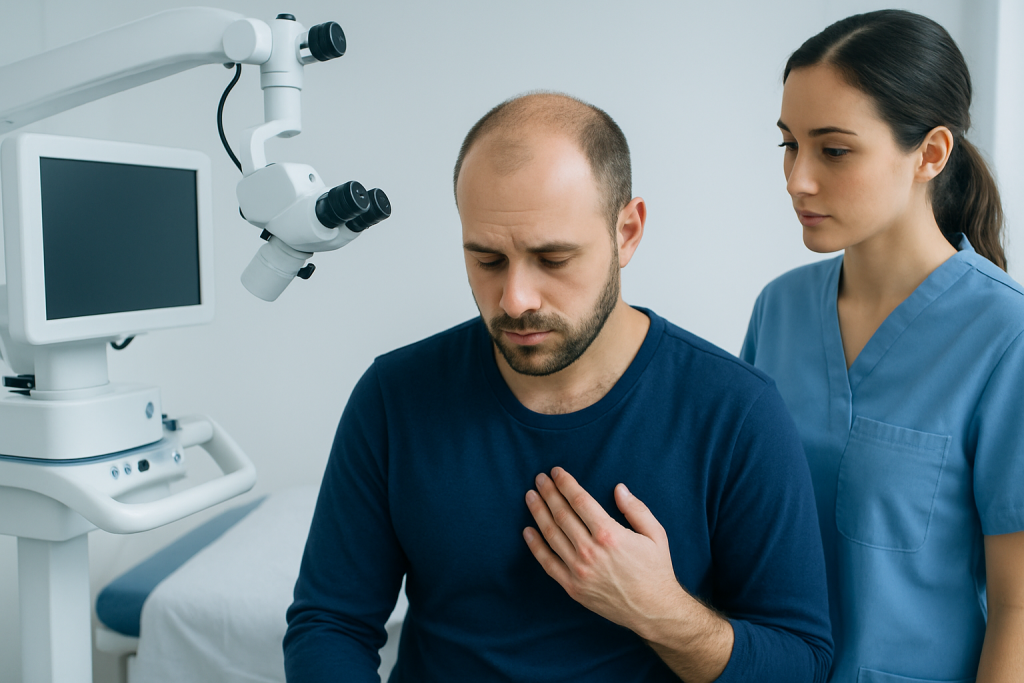
Some scalp changes are expected after hair transplant surgery, especially in the first week. Mild swelling, small scabs around grafts, and a feeling of tightness can be part of normal healing. An infection is more likely when these symptoms become stronger instead of easing, or when new signs appear after the initial recovery phase.
Common warning signs can include:
- Increasing redness that spreads beyond the transplant area
- Warmth, throbbing pain, or worsening tenderness
- Pus, cloudy drainage, or an unpleasant smell
- Small bumps or pimples that become more inflamed
- Fever, chills, or feeling generally unwell
- Swelling that is getting worse rather than better
It is also possible to have inflamed hair follicles, ingrown hairs, or irritation from products without a true infection. Even so, these situations can look similar at first. If the scalp is becoming more painful or the discharge is colored, thick, or persistent, a clinician should examine it rather than assuming it will settle on its own.
Causes & Risk Factors

Hair transplant infection usually begins when bacteria enter the healing skin through the tiny recipient sites or donor area. This can happen if the scalp is not kept clean, if crusts are picked off too early, or if bacteria are introduced from contaminated hands, pillows, hats, or grooming tools. Rarely, deeper infections can develop if a local skin infection was already present before surgery.
Certain factors can make infection more likely. These include diabetes that is not well controlled, smoking, immune system suppression, a history of skin infections, heavy sweating during early recovery, or poor adherence to aftercare instructions. The size and complexity of the procedure may also matter, because larger treatment areas require more healing time and more careful hygiene.
Travel itself does not cause infection, but it can complicate aftercare. Long flights, climate changes, limited access to the operating clinic, and uncertainty about what is normal may delay treatment. For patients who are planning surgery abroad, it is sensible to ask in advance how concerns will be handled once they have returned home.
Diagnosis
Diagnosis usually begins with a clinical examination. A doctor or hair transplant surgeon will look closely at the donor and recipient areas, ask when the symptoms started, and compare them with the expected stage of healing. The pattern matters: a small amount of crusting that is drying and shrinking is different from expanding redness with drainage and pain.
In some cases, the clinician may swab any discharge for culture to identify the organism and guide treatment. This is more likely if the infection is spreading, not improving, or seems unusual. Blood tests are not always needed, but they may be considered if there are signs of a wider infection or if the person is unwell.
People who are remote from their surgical center may be asked to send clear photographs, describe symptoms carefully, and arrange an in-person review with a local physician if needed. This is one reason a recovery plan should include contact details and instructions for urgent assessment.
Treatment Options
Management depends on how severe the infection is and how far it has spread. Mild cases may be treated with local cleansing, close observation, and prescribed medication from a clinician. More significant infections may require oral antibiotics, and occasionally drainage if a small abscess has formed. The goal is to control the infection while protecting the grafts and surrounding skin.
Patients should not self-treat with leftover antibiotics, harsh antiseptics, or strong over-the-counter products without medical advice. These can irritate the healing scalp or obscure the appearance of the problem. A surgeon or dermatologist can advise whether the area should be gently cleaned, left alone, or treated with a specific medication plan.
Infections do not always mean the transplant has failed. Some grafts can still survive if treatment begins early. That said, delayed care can increase the risk of scarring, prolonged redness, and patchy hair growth, which is why prompt evaluation is the safest approach.
Recovery and What to Expect
Recovery after an infected hair transplant depends on the severity of the infection and how quickly it is treated. Once the infection is controlled, the scalp usually continues to heal gradually, though the area may remain sensitive for a time. Temporary shedding of transplanted hairs can still occur, and this does not always mean the grafts are lost.
Patients are often advised to keep the scalp clean and avoid friction, scratching, tight headwear, swimming, and strenuous activity until the treating clinician says it is safe. If a wound was drained or a medication course was prescribed, the full plan should be completed even if the scalp looks better early. Follow-up helps confirm that the infection has resolved and that healing is on track.
For people recovering far from the surgical center, telemedicine or a local in-person review may be useful. It is important to keep images and notes about symptom changes, because small improvements or setbacks can guide decisions about the next step in care.
Prevention & Self-care
Prevention starts before surgery and continues through the entire healing period. Good candidates for hair transplantation are typically screened for scalp conditions and general health issues that could interfere with healing. Patients should tell the surgeon about diabetes, immune problems, allergies, smoking, or any recent skin infections.
Helpful self-care habits include:
- Washing only as instructed by the surgical team
- Avoiding touching, rubbing, or picking at scabs
- Using clean pillowcases and avoiding shared grooming items
- Keeping follow-up appointments, even if the scalp seems fine
- Reporting worsening pain, spreading redness, or drainage early
International patients can reduce uncertainty by asking for written aftercare instructions, emergency contact options, and guidance about local medical support in their home country. Acibadem Health Point’s multidisciplinary specialists and JCI-accredited hospitals diagnose and treat this condition for international patients, with care plans that can be coordinated around travel and follow-up needs.
When to See a Doctor
A doctor should be contacted promptly if symptoms are getting worse rather than better, especially in the first two weeks after surgery. Red flags include pus, spreading redness, increasing swelling, fever, strong pain, or areas of skin that feel hot and tender. These signs do not always mean a severe problem, but they do need professional assessment.
It is also wise to seek advice if the scalp looks different from the aftercare instructions, if the patient is unsure whether a product is safe to use, or if there is concern about graft loss. People with diabetes, immune suppression, or a history of skin infections should have a lower threshold for review.
If the original surgical team is not easily reachable, a local physician, dermatologist, or emergency department can help determine whether the problem is likely to be an infection and what treatment is needed. When in doubt, timely evaluation is better than waiting for the scalp to “settle.”
Frequently asked questions
01Is infection normal after a hair transplant?
No, infection is not considered a normal part of recovery. Mild redness, crusting, and swelling can be expected early on, but these symptoms should gradually improve. If they worsen or are joined by pus, fever, or increasing pain, medical review is important.
02How can someone tell the difference between healing and infection?
Normal healing usually improves day by day, while infection tends to become more painful, more swollen, or more red. Drainage that is thick, cloudy, or foul-smelling is more concerning than dry scabs. When the pattern is unclear, a clinician should examine the scalp.
03Will an infection destroy the transplanted grafts?
Not always. If infection is recognized early and treated properly, some or many grafts may still survive. Delayed treatment can raise the risk of graft loss or scarring, so prompt attention matters.
04Can a hair transplant infection be treated at home?
Mild irritation may improve with the surgeon’s approved cleansing plan, but true infection usually needs professional assessment. People should not start antibiotics on their own or use harsh products without advice. A clinician can decide whether medication or another treatment is needed.
05When can normal hair washing resume after a hair transplant?
That depends on the surgeon’s instructions and the stage of healing. In the early period, washing is usually gentle and carefully timed to protect the grafts. If infection is suspected, the care plan may change, so the treating team should be consulted first.
06Is traveling after a hair transplant risky if infection develops later?
Travel is not the cause, but it can make follow-up more complicated if symptoms appear after returning home. Patients are best protected when they have written aftercare instructions and a clear plan for local or remote medical review. Early communication with the surgical team can make a big difference.
This article is for general information only and is not a substitute for professional medical advice. Please consult a qualified doctor about your individual situation.
Hair transplant in Turkey — costs, graft counts & a free assessment
JCI-accredited · board-certified surgeons · reply within 24h
Add us as a Preferred Source to see more of our trusted health content across Google Search, AI Overviews and Discover.