Itchy Vagina During Your Period: Causes and Care
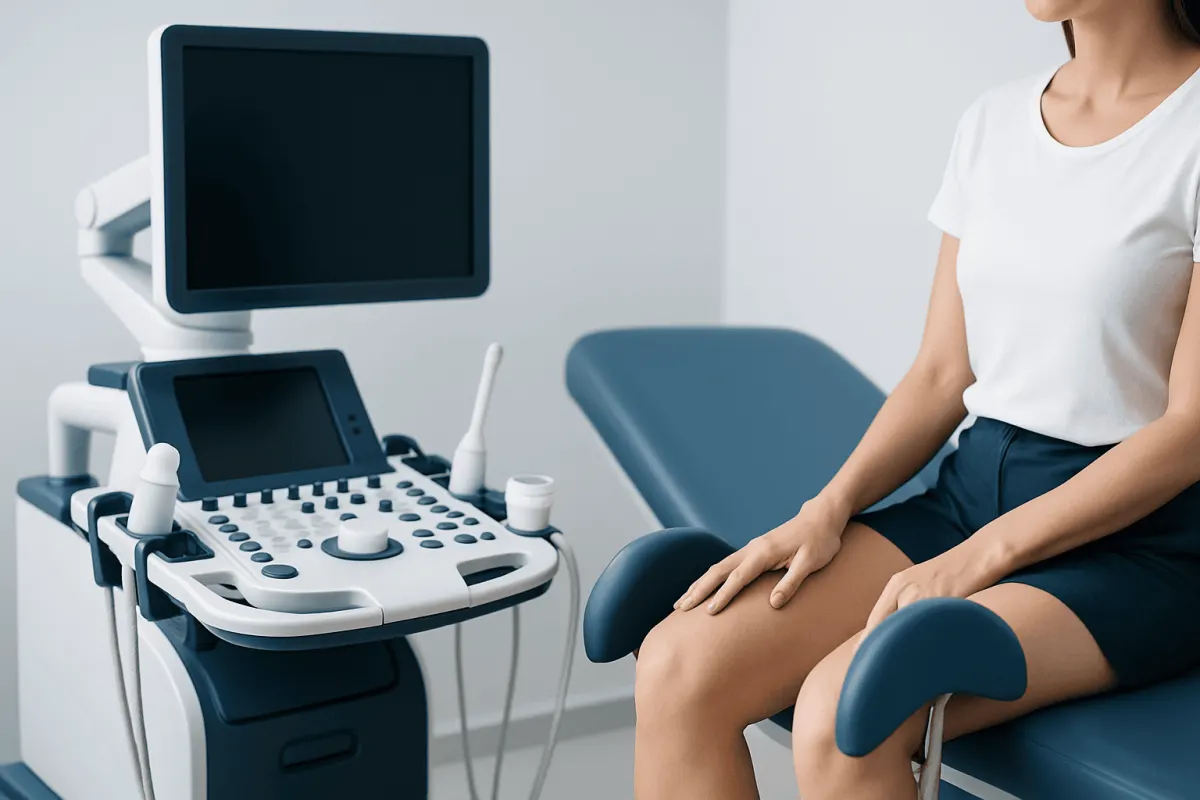
Itchy virginia during period usually refers to itching of the vulva, the outer genital skin. It can result from pads, menstrual products, sweat, hormonal changes or an infection, and the pattern of symptoms can help guide next steps.
Overview: Why itching can happen during a period
Itchy virginia during period usually means itching of the vulva, the sensitive skin around the vaginal opening, rather than itching inside the vagina itself. In many cases, it is related to irritation from menstrual products, increased warmth and moisture, or rubbing from pads and tight clothing. It can also be a sign of an infection or a skin condition that becomes more noticeable during menstruation.
Menstrual blood itself is not usually harmful to the vulval skin. However, changes in moisture, the need to wear products for longer periods, and exposure to fragrances, dyes or adhesives can disrupt the skin barrier. Hormonal changes around a period may also affect vaginal secretions and the local balance of microorganisms.
Occasional mild itching that settles after changing products or improving gentle skin care is often not serious. Itching that repeatedly occurs with each period, lasts after bleeding ends, or comes with discharge, pain, swelling or sores should be assessed by a qualified healthcare professional.
The timing and pattern can offer clues
Noting when itching begins can be useful. Itching that starts shortly after using a new pad, liner, tampon, menstrual cup, wipe or laundry product may point to contact irritation or allergy. Symptoms that are mainly on the outer skin and improve when the product is no longer used also support this possibility.
Itching that begins before bleeding starts or continues well after the period may be less likely to be caused by the period product alone. Recurrent symptoms at the same point in the menstrual cycle can sometimes be related to hormone-associated changes, recurrent yeast infections, or an underlying skin condition.
Associated symptoms matter. Thick white discharge and marked vulval redness may occur with yeast infection. A thin discharge with a strong or fish-like odor can occur with bacterial vaginosis, although itching is not always prominent. Blisters, ulcers, pelvic pain, burning with urination or bleeding unrelated to a period need timely medical assessment.
- External itch: commonly linked with friction, dermatitis or skin conditions.
- Internal discomfort with discharge: may suggest an imbalance or infection that needs testing.
- Burning after applying products: may indicate irritation from a topical product or cleanser.
Common triggers during menstruation

Contact dermatitis is a frequent, treatable cause of vulval itch. It develops when the skin reacts to an irritant or allergen. Fragranced pads, panty liners, wipes, deodorant sprays, bubble baths, scented toilet paper, detergents and fabric softeners can all be triggers. The adhesive or top layer of some disposable menstrual products may also irritate sensitive skin.
Heat, sweat and prolonged dampness can make the area feel itchy even without an allergy. This may be more likely with heavy bleeding, exercise, warm weather, non-breathable underwear or pads that are not changed regularly. Rubbing from tight jeans, leggings or underwear can further inflame delicate skin.
Some people develop symptoms after using tampons or menstrual cups, especially if insertion causes friction or if a product is left in longer than recommended. These products are safe for many people when used correctly, but an individual may prefer a different material, size or menstrual-management option if irritation recurs.
It is also possible for a product marketed as “natural” or “gentle” to cause irritation. The most useful approach is not necessarily to choose a particular brand, but to select unscented products, minimize additives where possible, and stop using anything that reliably causes symptoms.
Infections and skin conditions to consider
Vaginal yeast infection, also called candidiasis, can cause intense itching, redness, soreness and swelling of the vulva. Some people notice a thick, white discharge, but discharge can vary. Yeast symptoms may become more noticeable before or during a period because hormonal changes can affect the vaginal environment. A clinician can confirm the cause rather than relying on symptoms alone.
Bacterial vaginosis is an imbalance of normal vaginal bacteria. It more commonly causes a thin grayish or white discharge and a noticeable odor, which may be stronger during menstrual bleeding or after sex. It is not always itchy, but irritation can occur. Because treatments differ, it should not be assumed to be a yeast infection.
Sexually transmitted infections, including trichomoniasis, genital herpes and others, can sometimes cause itch, burning, unusual discharge, sores or pain. Anyone with a new sexual partner, possible exposure, or symptoms such as ulcers or painful urination should arrange testing. Many infections are manageable, and prompt diagnosis supports appropriate treatment and helps protect partners.
Noninfectious conditions can also affect the vulva. Eczema, psoriasis, lichen sclerosus and other inflammatory skin disorders may cause ongoing itch, skin color or texture changes, cracks, or pain. These conditions require professional evaluation because their care differs from treatment for ordinary irritation or infection.
Diagnosis: how clinicians find the cause
A healthcare professional will usually ask about the timing of symptoms, menstrual products, skin-care products, medicines, discharge, sexual health and any previous similar episodes. Keeping a brief symptom diary across one or two cycles can be helpful. It may show whether symptoms follow a specific product, occur before bleeding, or persist throughout the month.
The assessment may include an external examination of the vulval skin and, when appropriate, a pelvic examination. A sample of vaginal discharge can be tested for yeast, bacterial vaginosis, trichomoniasis and other infections. Sexually transmitted infection testing may be recommended based on symptoms and individual risk factors.
Repeated self-treatment with over-the-counter antifungal products can delay the correct diagnosis if the cause is dermatitis, bacterial vaginosis, an STI or a skin disorder. It is especially important to seek assessment before self-treating when symptoms are new, severe, recurrent, occur during pregnancy, or include unusual discharge, pelvic pain or sores.
Treatment and practical self-care
Treatment depends on the cause. When an infection is confirmed, a clinician may recommend antifungal, antibacterial or other medication appropriate to the specific diagnosis. If an STI is found, treatment and advice about testing or treating sexual partners may be needed. Completing prescribed treatment and returning for review if symptoms persist are important.
For likely product-related irritation, stopping the suspected trigger is the first step. Choose unscented pads, liners and toilet paper, and avoid vaginal deodorants, fragranced wipes, douching and perfumed washes. The vagina cleans itself; washing the external vulval area gently with lukewarm water is generally sufficient. If cleanser is used, it should be mild and fragrance-free and applied externally only.
Changing pads or liners regularly, wearing loose cotton underwear, and changing out of damp exercise clothing can reduce moisture and friction. A cool compress over clothing may provide temporary comfort. Scratching can injure the skin and prolong symptoms, so keeping nails short and using gentle measures to reduce itch may help.
People with ongoing symptoms should not use strong steroid creams, antiseptics, essential oils or home remedies on genital skin unless a clinician has advised this. Vulval tissue is sensitive, and some products can worsen irritation or mask signs that need evaluation.
When to seek medical care
Medical care is advisable when itching is severe, lasts more than a few days, keeps returning with periods, or does not improve after avoiding possible irritants. A clinician should also assess new symptoms in someone who has not previously had a diagnosed yeast infection, since several conditions can look similar.
Prompt assessment is important for fever, lower abdominal or pelvic pain, painful urination, marked swelling, blisters, ulcers, a new rash, abnormal bleeding, or discharge with a strong odor or unusual color. Testing is also sensible after possible exposure to an STI or when a sexual partner has symptoms.
During pregnancy, it is best to contact a maternity clinician or doctor before using medicines for vaginal or vulval symptoms. Children, adolescents and people after menopause should also have persistent genital itching assessed, as the causes and safest treatments may differ.
Acıbadem Health Point’s multidisciplinary specialists and JCI-accredited hospitals can assess vulval and vaginal symptoms and coordinate appropriate gynecologic, dermatologic or infectious disease care for Myomectomy Recovery for International Patients: The Usual Travel Timeline" class="ahp-ilk">international patients.
Frequently asked questions
01Is it normal to feel itchy during a period?
Mild, short-lived vulval itching can happen during a period, particularly when moisture, friction or menstrual products irritate the skin. However, persistent or intense itching is not something a person needs to simply tolerate. It may need assessment for infection, dermatitis or another skin condition.
02Can pads cause vaginal itching during menstruation?
Pads can irritate the outer vulval skin, especially if they are scented, contain additives, trap moisture or rub against the skin. The vagina itself is internal, while pad-related symptoms are more often external. Switching to unscented products and changing them regularly may help, but ongoing symptoms should be evaluated.
03Does a yeast infection get worse during a period?
Some people notice yeast infection symptoms before or during menstruation because hormonal and local environmental changes can affect the vaginal area. Symptoms can include itching, redness, soreness and sometimes thick white discharge. Because other conditions can cause similar symptoms, a diagnosis from a clinician is useful, particularly for recurrent episodes.
04Should someone use soap to stop menstrual itching?
Harsh soap, scented washes and douching can disrupt or irritate sensitive genital tissue and may make itching worse. Gentle washing of the external area with lukewarm water is usually adequate. A mild, fragrance-free cleanser may be suitable for some people, but it should not be used inside the vagina.
05Can an STI cause itching during a period?
Some sexually transmitted infections can cause itching, burning, discharge, sores or pain, and symptoms may be more noticeable during menstruation. Not all STIs cause symptoms, so testing can be important after possible exposure. A clinician can recommend the appropriate tests and treatment.
06When is period-related itching an emergency?
Seek urgent medical advice for fever, severe pelvic or lower abdominal pain, rapidly increasing swelling, blisters or ulcers, or feeling significantly unwell. These symptoms may have causes beyond simple irritation and should be assessed promptly. For nonurgent but persistent symptoms, arranging a routine medical appointment is appropriate.
This article is for general information only and is not a substitute for professional medical advice. Please consult a qualified doctor about your individual situation.
Explore treatments in Turkey — costs, top hospitals & a free quote
JCI-accredited · board-certified surgeons · reply within 24h
Add us as a Preferred Source to see more of our trusted health content across Google Search, AI Overviews and Discover.