Is Vaseline Good for your Eyelashes?

Key Takeaways
- Vaseline does not stimulate eyelash growth, but it may condition lashes and reduce breakage.
- A small amount placed carefully on the outer lash line is less likely to cause problems than heavy application near the eye.
- People with eye irritation, recurrent styes, blepharitis, or contact lens use should be extra cautious.
- True eyelash thinning can have medical causes that need evaluation, including skin conditions, thyroid problems, and certain medicines.
- Safer lash care focuses on gentle cleansing, avoiding rubbing, and using eye products approved for the lash line.
Vaseline is not proven to make eyelashes grow longer or thicker, but it can help coat lashes and reduce moisture loss, which may make them look smoother. Used carefully, it is usually safe around the outer lash line, but it should never be applied in a way that irritates the eyes or replaces medical care for lash loss.
Overview
Is Vaseline good for your eyelashes? The short answer is that it can be a simple moisturizer and protective coating, but it is not a proven lash-growth treatment. Petroleum jelly does not make follicles produce more lashes, longer lashes, or thicker lashes. What it may do is reduce dryness and help existing lashes look a little smoother and less brittle.
That distinction matters, especially for people who are comparing home remedies before investing in cosmetic products or booking an eye appointment. Some eyelash concerns are cosmetic, while others reflect inflammation, allergy, skin disease, or hormonal changes. A practical approach starts with knowing what Vaseline can do, what it cannot do, and when a doctor should look more closely.
For many people, the decision is less about whether Vaseline is “good” in a dramatic sense and more about whether it is a low-risk option when used carefully. The answer depends on eye health, how it is applied, and whether there is already irritation around the lashes or eyelids.
What Vaseline may do for lashes
Vaseline is a brand name for petroleum jelly, an occlusive substance that sits on the surface of the skin and helps slow water loss. On eyelashes, that means it may coat the hairs and make them feel softer or appear shinier. It can also help reduce the friction that leads to snapping or breakage during makeup removal or sleep.
What it does not do is feed the follicles or lengthen the natural growth phase of the lash cycle. Eyelash growth is controlled by the hair follicle and by overall health, not by a topical coating alone. So while some people notice that their lashes look healthier after a period of careful use, that effect is usually cosmetic rather than biological growth.
It is also worth separating “conditioning” from “treatment.” A lash serum designed with active ingredients may claim to support growth, but Vaseline mainly acts as a barrier. That can be useful in dry environments, during winter, or after repeated eye makeup use, but it should not be expected to replace evidence-based care for thinning lashes.
Possible benefits and limits

When applied sparingly, Vaseline may offer a few modest benefits. It can help protect lashes from dryness, make mascara removal gentler, and reduce the appearance of rough, brittle ends. Some people also use it overnight to keep the lash line from feeling tight or flaky.
Those benefits come with limits. Petroleum jelly is thick, so too much can blur vision temporarily, migrate into the eye, or trap debris and makeup if the lids are not clean. It can also be uncomfortable for people whose eyes are already sensitive, inflamed, or prone to blocked oil glands.
- Potential benefit: less dryness and breakage
- Potential benefit: softer-feeling lashes
- Limitation: no proven lash growth effect
- Limitation: possible irritation if used too close to the eye
In practical terms, Vaseline may be a useful cosmetic aid for some adults, but it is not the best answer for eyelash loss, sparse lashes, or a sudden change in lash density. Those situations deserve a closer look at the cause.
Safety, side effects, and who should be cautious
Most problems with Vaseline around the eyes come from overuse or from applying it on already irritated skin. If petroleum jelly gets into the eye, it usually causes temporary blur and discomfort rather than permanent damage, but it can still be unpleasant. People should avoid rubbing the eyes, especially after application.
Extra caution is sensible for anyone with blepharitis, recurrent styes, conjunctivitis, eyelid eczema, or very oily skin around the lids. Petroleum jelly can feel heavy in these settings and may worsen the sense of blockage along the lash line. Contact lens wearers should be careful not to contaminate lenses or the case with product residue.
It is also important not to use shared containers in a way that transfers bacteria to the eyes. A clean cotton swab or a very small amount on a clean fingertip is safer than repeatedly dipping into the jar with unwashed hands. If redness, itching, swelling, or pain develops, the product should be stopped and the eyes evaluated.
Why eyelashes thin or shed
Eyelashes naturally shed and regrow, so a few loose lashes are normal. More noticeable thinning can happen when the lash cycle is interrupted by rubbing, poor makeup habits, eyelid inflammation, or illness. Sometimes the cause is simple, such as chronic mascara buildup or aggressive removal of strip lashes.
Other times, eyelash changes point to a medical issue. Common examples include blepharitis, allergic eye disease, thyroid disorders, autoimmune conditions, nutritional deficiencies, and skin conditions such as eczema or psoriasis. Certain medicines and cancer treatments can also affect lash growth.
Because the causes vary so much, self-treatment is most useful only when the issue is mild and clearly related to dryness or cosmetic wear. If lashes are falling out in patches, the eyelids look inflamed, or eyebrow thinning is happening too, the right next step is a clinical evaluation rather than a home remedy.
Diagnosis and when medical assessment helps
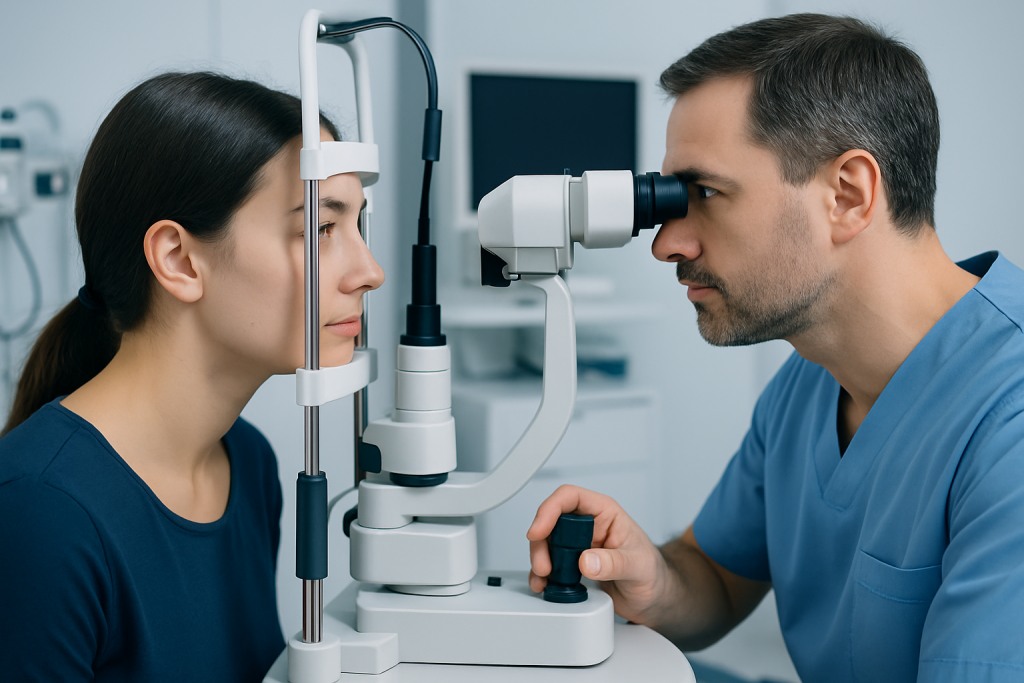
When eyelash loss is more than occasional shedding, an eye specialist or dermatologist may examine the lids, lash line, and surrounding skin. The history matters: when the problem began, whether there is itching or crusting, what cosmetics are used, and whether there have been changes in health, stress, or medication. That context often points toward the cause.
A clinician may look for inflammation along the eyelid margins, signs of infection, blocked glands, dermatitis, or evidence of traction from extensions or false lashes. In some cases, blood tests or additional assessment may be recommended if a systemic issue is suspected. The goal is not only to restore appearance, but also to protect the ocular surface.
This step is particularly valuable for international patients who may have tried several products before traveling for care. A focused evaluation can prevent more trial-and-error and help match treatment to the actual reason for the lash change.
Better ways to care for eyelashes
Gentle care often does more for lashes than trendy remedies. Removing eye makeup thoroughly, choosing non-irritating products, and avoiding repeated rubbing can reduce breakage. People who use lash curlers, extensions, or waterproof mascara may benefit from taking regular breaks so the lash line can recover.
A mild eyelid hygiene routine can also help, especially when there is crusting or irritation. Warm compresses may soothe the lids, while cleaning the lash line with a product recommended by an eye professional can support comfort. If a doctor approves it, a lash-conditioning product made for periocular use may be preferable to improvised home application.
General habits matter too. Adequate sleep, balanced nutrition, and treatment of skin or thyroid issues can all support hair health, including lashes. For people who have had a procedure, illness, or medication change, patience is important because regrowth takes time.
When to see a doctor
Medical advice is a good idea if eyelash loss is sudden, one-sided, patchy, or accompanied by redness, pain, discharge, swelling, or light sensitivity. It is also wise to seek care if the eyes feel chronically dry or gritty, if there are frequent styes, or if lash thinning continues despite gentle care.
Anyone who suspects an allergy, infection, thyroid problem, or skin condition should not rely on Vaseline as the main solution. Likewise, if the eyes become irritated after using petroleum jelly, the product should be discontinued. A clinician can help decide whether the issue is cosmetic, inflammatory, or something that needs targeted treatment.
Acibadem Health Point’s multidisciplinary specialists and JCI-accredited hospitals can diagnose and treat eyelash and eyelid concerns for international patients who need coordinated eye care, dermatology input, or follow-up after travel.
Frequently asked questions
01Is Vaseline good for your eyelashes if you want them to grow?
Vaseline is not proven to make eyelashes grow. It may coat and protect existing lashes, which can reduce breakage and make them look smoother, but it does not change the growth cycle.
02Can Vaseline be put on eyelashes every night?
Some people use a very small amount at night, but it should be applied carefully and sparingly. If it causes blur, irritation, or eyelid heaviness, it is better to stop and ask an eye doctor for advice.
03Does Vaseline help with brittle or dry lashes?
It may help somewhat because it works as an occlusive barrier that reduces moisture loss. That can make dry lashes feel softer, but it is not a cure for a medical cause of lash breakage.
04Is it safe to use Vaseline near the eyes?
It is usually tolerated when used in a small amount on the outer lash area, but it should not be allowed to get into the eye. People with eye inflammation, styes, or sensitive skin should be especially cautious.
05What is the best way to apply Vaseline to eyelashes?
If used, it should be a tiny amount on clean hands or a clean applicator, placed lightly on the lash tips or very close to the lash line without entering the eye. Makeup and dirt should be removed first so they are not trapped under the product.
06When should eyelash thinning be checked by a doctor?
Lash thinning should be checked if it is sudden, patchy, painful, or linked with redness, swelling, crusting, or vision changes. Persistent loss may signal inflammation, thyroid disease, skin conditions, or another issue that needs treatment.
This article is for general information only and is not a substitute for professional medical advice. Please consult a qualified doctor about your individual situation.
Hair transplant in Turkey — costs, graft counts & a free assessment
JCI-accredited · board-certified surgeons · reply within 24h
Add us as a Preferred Source to see more of our trusted health content across Google Search, AI Overviews and Discover.