Is Crying Good for You? A Doctor-Reviewed Answer
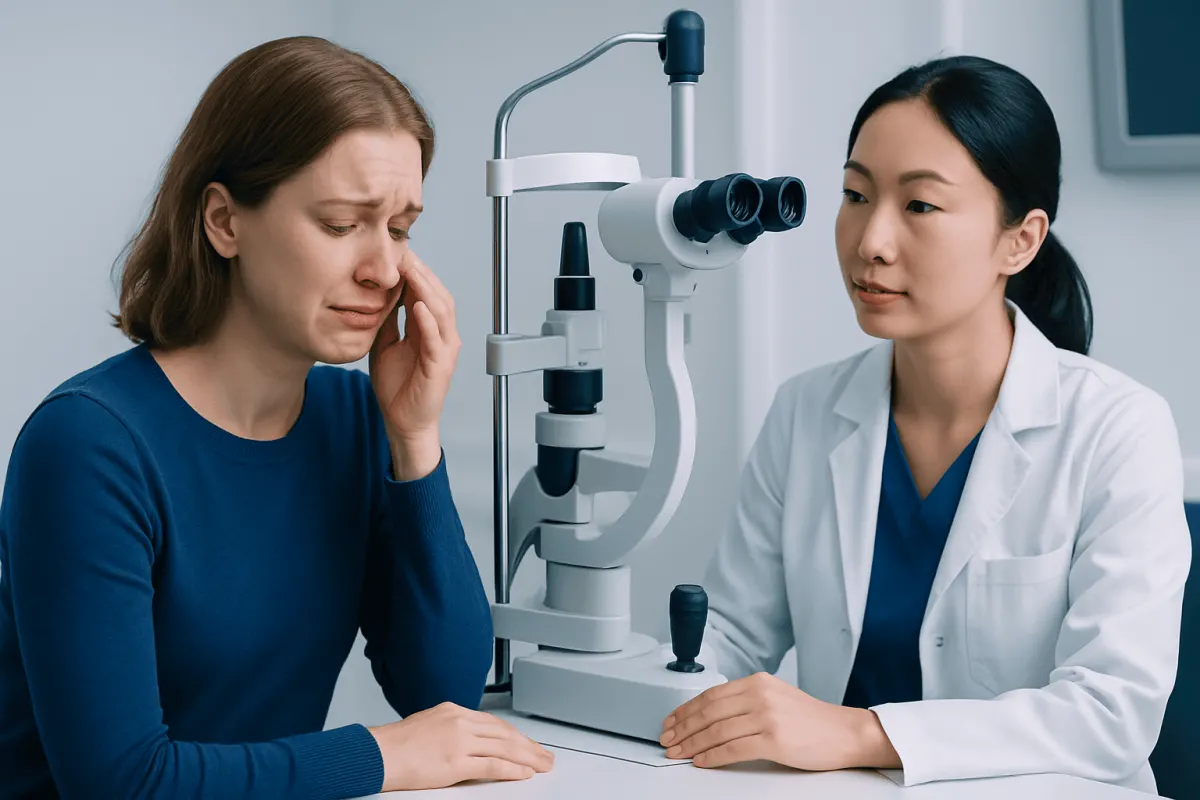
Yes—crying is often a normal, healthy human response to emotion, stress, or eye irritation. It becomes more important to assess when crying is sudden, frequent, hard to control, or happens along with other physical or mental health symptoms.
Overview: Is Crying Good for You?
In most cases, the answer to is crying good for you is yes—at least in the sense that crying is a normal and often helpful human response. People cry for many reasons, including sadness, frustration, relief, physical pain, empathy, and even joy. Tears also have a practical role: they lubricate and protect the surface of the eyes.
Crying by itself is not usually a sign that something is wrong. Many episodes are brief, understandable, and part of healthy emotional processing. Some people feel calmer after crying, while others do not notice much immediate relief. Both experiences can be normal.
What matters most is the context. Crying deserves medical attention when it is out of character, difficult to control, happens very often without a clear reason, or appears along with symptoms such as low mood, panic, confusion, headaches, weakness, or changes in speech or vision. In those situations, the goal is not to label crying as “bad,” but to understand what may be causing it.
Why People Cry: More Than One Type of Tears
Not all tears are the same. The body makes basal tears all the time to keep the eyes moist and comfortable. Reflex tears happen in response to irritation, such as smoke, wind, dust, or onions. Emotional tears are linked to feelings and can occur during grief, stress, happiness, anger, or emotional overload.
Because crying has both physical and emotional functions, it is best understood as a body-and-brain response rather than a weakness. Emotional crying may help communicate distress to others and invite comfort or support. In social relationships, this can be an important part of human connection.
People vary widely in how often they cry. Personality, culture, sleep, stress levels, hormone changes, life events, and mental health can all influence crying frequency. This means there is no single “normal” amount of crying for every person.
- Eye-related crying is often triggered by dryness, allergy, or irritation.
- Emotion-related crying is often tied to stress, conflict, loss, exhaustion, or relief.
- Mixed causes are common, especially during illness, fatigue, or high stress.
Possible Benefits of Crying

Crying can be beneficial in several ways, although the effects are not identical for everyone. For emotional tears, the main benefit is often expression. Crying can help a person acknowledge strong feelings rather than suppress them, and it may signal to trusted others that support is needed.
Some people report feeling lighter, calmer, or less tense after a good cry. This may happen when crying occurs in a safe environment and is followed by comfort, problem-solving, or rest. In this setting, crying can be part of emotional recovery rather than a problem in itself.
Tears are also good for eye health. They help wash away irritants, keep the eye surface smooth, and support clear vision. If watery eyes are caused by dryness, allergy, or irritation, the underlying issue may still need attention, especially if symptoms continue. Problems such as dry eye or allergy-related irritation can sometimes lead to persistent tearing.
Still, crying is not a treatment on its own. If someone feels repeatedly overwhelmed, panicked, or depressed, simply crying will not address the root cause. In those cases, assessment and support are more helpful than trying to force tears out or hold them back.
When Crying May Point to a Health Issue
Although crying is often harmless, it can sometimes reflect an underlying medical or psychological condition. Persistent crying is commonly associated with depression, anxiety disorders, trauma-related stress, burnout, grief reactions, and severe sleep deprivation. It may also appear during hormone shifts, such as around menstruation, after childbirth, or during menopause.
In some situations, crying is related to the nervous system rather than emotion alone. Certain brain and neurological conditions can affect emotional expression and make crying episodes seem sudden or out of proportion to the situation. Doctors may consider this possibility when crying is involuntary or paired with other neurological symptoms. Conditions involving the brain and nerves, including stroke, may need urgent evaluation if symptoms start suddenly.
Eye and facial symptoms can matter too. Constant tearing may come from blocked tear drainage, infection, eyelid problems, allergies, or surface irritation. If crying-like tearing occurs with redness, pain, discharge, light sensitivity, or blurred vision, an eye problem may be responsible rather than emotion alone.
- Low mood, loss of interest, or hopelessness may suggest a mood disorder.
- Racing thoughts, panic, or chronic worry may suggest anxiety.
- Sudden crying with weakness, numbness, or speech trouble needs urgent care.
- Watery, irritated eyes may point to an eye-surface or tear-drainage problem.
How Doctors Evaluate Frequent or Unexplained Crying
If crying becomes frequent, disruptive, or hard to explain, a doctor will usually begin with a careful history. They may ask when the crying started, what triggers it, how often it happens, and whether it is linked to sadness, anxiety, irritability, pain, fatigue, or recent life changes. Medication use, alcohol or substance use, sleep patterns, and major stressors are also important.
The next step depends on the pattern of symptoms. If mood symptoms are prominent, the doctor may screen for depression, anxiety, grief-related conditions, or other mental health concerns. If physical symptoms are present—such as headaches, tremor, imbalance, weakness, changes in memory, or unusual laughing or crying—an examination of the nervous system may be needed. In some cases, doctors may consider neurology evaluation to explore possible neurological causes.
When watery eyes are the main issue, an eye assessment can help check for irritation, infection, dryness, allergies, blocked tear ducts, or eyelid problems. Depending on findings, a person may benefit from ophthalmology care or targeted treatment for the underlying problem. Blood tests or imaging are not needed for everyone, but they may be used if the history or examination suggests a specific medical cause.
This stepwise approach is often reassuring. Most people do not need extensive testing, and many causes of crying are identifiable through conversation, examination, and a focused review of symptoms.
Treatment and Self-Care: What Helps Depends on the Cause
There is no single treatment for crying because crying itself is a symptom or response, not a disease. When crying is linked to stress, grief, or emotional strain, helpful approaches may include counseling, stress-management strategies, regular sleep, physical activity, social support, and practical changes that reduce overwhelm. For mental health conditions, a doctor or therapist may recommend psychotherapy, medication, or both.
If eye symptoms are contributing, treatment may focus on the eye surface or tear drainage. Examples include managing allergies, treating infection, addressing dryness, or evaluating blocked drainage pathways. If needed, doctors may suggest specialized eye surgery for selected structural problems, although many causes improve with non-surgical care.
For people with neurological or other medical conditions, treatment targets the underlying diagnosis. That may include rehabilitation, medication review, or referral to the right specialist. If crying occurs with ongoing sadness, panic, or loss of function, psychiatry support can be an important part of care.
Near the end of the care pathway, some people benefit from a coordinated approach. Acıbadem Health Point’s multidisciplinary specialists and JCI-accredited hospitals evaluate symptoms like unexplained crying in international patients and direct care to the most appropriate specialty based on the likely cause.
When to Seek Medical Care
Medical review is a good idea if crying is happening much more often than usual, feels out of control, or interferes with work, relationships, sleep, or daily life. It is also worth discussing with a doctor if there is no clear trigger, or if the crying continues for weeks with low mood, anxiety, irritability, or exhaustion.
Urgent care is important if crying starts suddenly together with warning signs such as weakness on one side, facial drooping, slurred speech, severe headache, confusion, fainting, chest pain, major vision changes, or trouble walking. These symptoms can point to conditions that should not be ignored.
Prompt mental health support is also essential if crying is accompanied by hopelessness, thoughts of self-harm, suicidal thinking, or a feeling that a person cannot stay safe. In that situation, they should seek urgent help from emergency services, a local crisis resource, or a qualified healthcare professional without delay.
In children, older adults, and people with neurological illness, the threshold to seek advice may be lower because symptoms can be harder to interpret. A clinician can help distinguish between a normal emotional response and a problem that needs treatment.
A Balanced Bottom Line
So, is crying good for you? Usually, yes: crying is often a normal, protective, and emotionally meaningful response. It can help express feelings, invite support, and, in the case of tears themselves, keep the eyes healthy.
At the same time, crying should be viewed in context. It may deserve more attention if it is sudden, persistent, involuntary, or paired with physical or psychological symptoms. The most helpful question is often not whether crying is “good” or “bad,” but whether it fits the situation and whether the person feels otherwise well.
If there is uncertainty, a qualified doctor can help identify whether the cause is emotional, eye-related, neurological, hormonal, or something else. That kind of assessment can be reassuring and can guide treatment when support is needed.
Frequently asked questions
01Is crying healthy for adults?
In many situations, yes. Crying is a normal human response to emotion, stress, pain, and even relief, and it also plays a physical role in protecting the eyes. It becomes more concerning when it is persistent, unexplained, or accompanied by other symptoms.
02Why do some people feel better after crying?
Some people feel relief because crying can help them express intense emotion and may lead to comfort, rest, or support from others. This effect is not universal, and not everyone feels better right away. The setting and the reason for crying often influence how a person feels afterward.
03Can too much crying be a sign of depression?
Yes, frequent crying can sometimes be linked to depression, especially if it comes with persistent sadness, loss of interest, hopelessness, poor sleep, or changes in appetite and energy. However, crying alone does not diagnose depression. A healthcare professional can evaluate the full pattern of symptoms.
04Is it normal to cry for no reason?
Sometimes people cry without an obvious trigger because stress, fatigue, hormone changes, or unrecognized emotions are building in the background. Occasional unexplained crying can happen. If it becomes frequent, intense, or disruptive, medical or mental health review is a sensible next step.
05Can crying be caused by a neurological problem?
Yes, in some cases. Certain neurological conditions can affect emotional expression and lead to sudden or hard-to-control crying. If crying appears with weakness, speech changes, confusion, balance problems, or other neurological symptoms, urgent medical assessment is important.
06When should watery eyes be checked by a doctor?
Watery eyes should be assessed if they are persistent, painful, red, sensitive to light, affecting vision, or associated with discharge. These symptoms can suggest eye irritation, infection, dryness, allergy, or a tear-drainage problem. A doctor or eye specialist can determine the cause.
This article is for general information only and is not a substitute for professional medical advice. Please consult a qualified doctor about your individual situation.
Explore treatments in Turkey — costs, top hospitals & a free quote
JCI-accredited · board-certified surgeons · reply within 24h
Add us as a Preferred Source to see more of our trusted health content across Google Search, AI Overviews and Discover.