Is Colitis Contagious? Causes and Transmission Risks
Most types of colitis are not contagious because they result from inflammation related to immune, blood-flow, medication, or other non-infectious causes. However, colitis caused by certain infections can spread, particularly when germs are transmitted through contaminated food, water, surfaces, or hands.
Is colitis contagious? The short answer
Most colitis is not contagious. Colitis means inflammation of the colon, also called the large intestine, and it can occur for several different reasons. Many common forms, including ulcerative colitis, Crohn’s-related colitis, ischemic colitis, and microscopic colitis, cannot be passed to family members, friends, colleagues, or partners.
The important exception is infectious colitis. This occurs when a virus, bacterium, parasite, or occasionally a toxin-related infection irritates the colon. Some of these germs can spread through stool-contaminated hands, surfaces, food, or water. In many cases of short-lived diarrhea, symptoms settle with rest, fluids, and appropriate hygiene, but certain warning signs need medical review.
Colitis is a description of inflammation rather than one single diagnosis. Knowing whether it is contagious depends on identifying its cause. A clinician can help distinguish an infection from inflammatory bowel disease, reduced blood flow to the bowel, medication effects, or another digestive condition.
What colitis means and why the cause matters
The colon absorbs water and helps form stool. When its lining becomes inflamed, a person may develop diarrhea, cramping, urgency to pass stool, mucus, or bleeding. Symptoms can range from mild and temporary to more persistent, depending on the underlying cause and the person’s overall health.
Ulcerative colitis is an inflammatory bowel disease in which the immune system contributes to ongoing inflammation in the colon. It is not an infection and is not contagious. Although genetics and shared environmental factors can influence risk within families, a person does not “catch” ulcerative colitis from someone else.
Other non-contagious causes include ischemic colitis, which develops when blood flow to part of the colon is reduced; microscopic colitis, which is identified by examining tissue under a microscope; radiation-related inflammation; and some medication-associated forms. These conditions require different evaluations and treatments, which is why self-diagnosis based on symptoms alone is not reliable.
Which types of colitis can spread?

Infectious colitis can be caused by bacteria such as Salmonella, Shigella, Campylobacter, or certain strains of Escherichia coli; viruses such as norovirus; and parasites such as Giardia. Transmission varies by germ. It commonly occurs through the fecal-oral route, meaning microscopic amounts of stool reach another person’s mouth through unwashed hands, contaminated food or water, or inadequately cleaned surfaces.
Clostridioides difficile, often called C. difficile or C. diff, can cause diarrhea and colitis after antibiotic exposure or healthcare contact. Its spores can persist on surfaces, and transmission is possible when infection-control measures are not followed. Not every episode of diarrhea after antibiotics is C. difficile, but testing may be important when symptoms are significant or persistent.
Whether a person remains infectious, and for how long, depends on the organism and their symptoms. People with active diarrhea should be particularly careful about handwashing with soap and water after using the toilet and before eating or preparing food. A doctor or local public-health guidance can provide specific advice for confirmed infections, especially for people working in food service, healthcare, childcare, or residential care.
- Non-infectious colitis: generally not contagious.
- Foodborne or waterborne infectious colitis: may spread through contaminated food, water, hands, or surfaces.
- Viral gastroenteritis affecting the colon: can spread readily in households and shared settings.
- C. difficile colitis: can spread through spores and requires careful hygiene and cleaning.
Symptoms, red flags, and when to seek medical care
Colitis can cause loose stools, abdominal cramps, an urgent need to use the toilet, nausea, bloating, fatigue, and sometimes fever. Some people notice mucus or blood in the stool. Symptoms alone do not reveal whether the cause is infectious, inflammatory, ischemic, or related to another condition.
Medical care should be sought promptly for severe or worsening abdominal pain, a swollen or rigid abdomen, repeated vomiting, fainting, confusion, signs of dehydration, a high fever, or substantial rectal bleeding. Dehydration can include very little urine, marked thirst, dizziness, dry mouth, or unusual weakness. Infants, older adults, pregnant people, and individuals with weakened immune systems should seek advice earlier when diarrhea is persistent or severe.
A doctor should also assess diarrhea lasting more than a few days, recurring symptoms, unexplained weight loss, nighttime bowel symptoms, or blood in stool. These features do not always mean a serious illness, but timely assessment helps identify the cause and reduce the risk of complications.
How doctors determine the cause
A clinician usually begins by asking about the timing of symptoms, recent meals, travel, sick contacts, antibiotic use, medications, immune health, and any history of bowel disease. They may also ask about recent hospitalization, exposure to untreated water, and whether others in the household have similar symptoms. A physical examination can check for abdominal tenderness, dehydration, fever, and signs of more serious illness.
Stool tests can look for bacteria, viruses, parasites, or toxins associated with C. difficile. Blood tests may help assess inflammation, anemia, hydration, kidney function, and electrolyte balance. These investigations can be particularly useful when diarrhea is severe, prolonged, bloody, or associated with fever or recent antibiotic use.
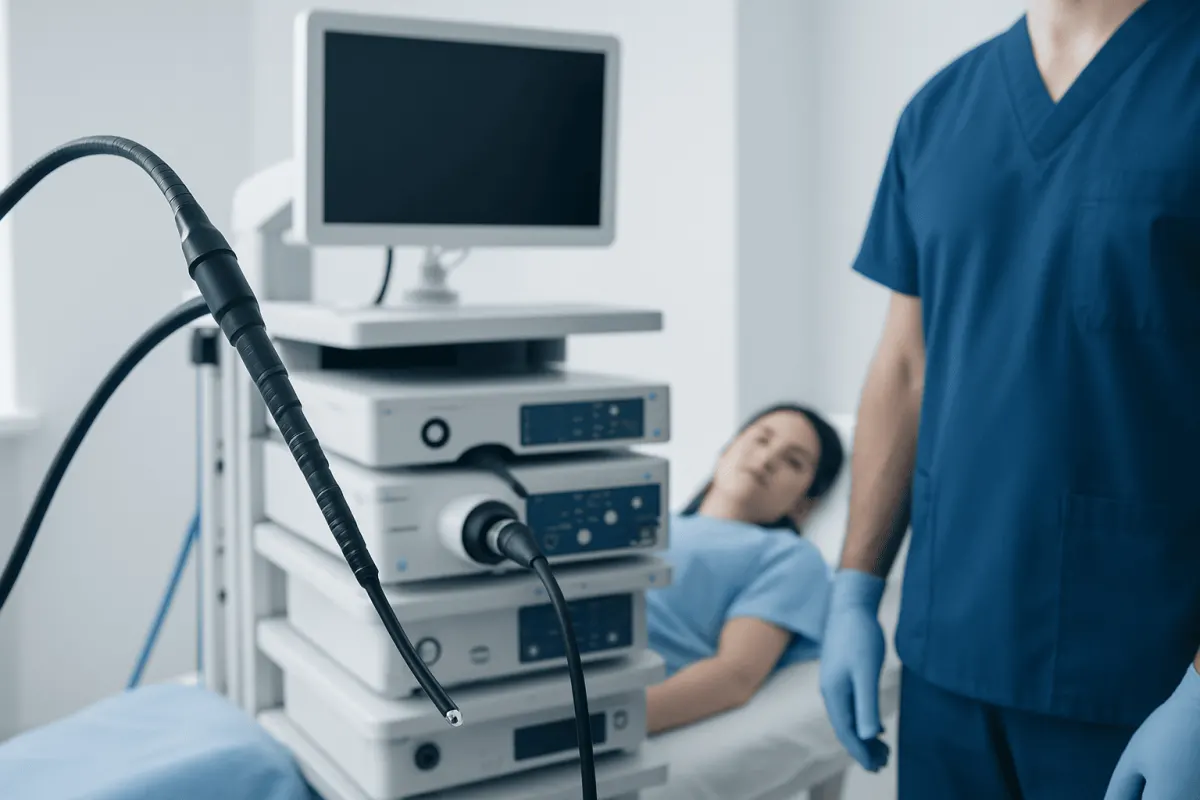
Depending on the situation, imaging such as CT may be used to evaluate abdominal pain or suspected complications. A colonoscopy may be recommended when symptoms persist, bleeding is unexplained, inflammatory bowel disease is suspected, or tissue samples are needed. During this test, biopsies can help diagnose conditions such as ulcerative colitis or microscopic colitis.
Treatment depends on the underlying cause
Treatment for colitis is directed at its cause, severity, and the person’s health needs. For many mild infectious illnesses, maintaining hydration is the main priority. Oral rehydration solutions may be useful when diarrhea is more than mild. A clinician can advise whether temporary dietary adjustments or medications are appropriate.
Antibiotics are not needed for every bacterial diarrhea illness and may be unhelpful or unsafe in some situations. They are prescribed only when a clinician determines they are appropriate based on symptoms, test results, and risk factors. Suspected or confirmed C. difficile infection requires medical guidance and specific treatment.
Inflammatory bowel diseases are managed differently from infections and may involve anti-inflammatory medicines, immune-targeted therapies, nutrition support, and monitoring. Ischemic colitis and other causes also require individualized care. It is important not to take leftover antibiotics or anti-diarrheal medication without professional advice when there is fever, bloody diarrhea, severe pain, or suspected infection.
Acıbadem Health Point’s multidisciplinary specialists and JCI-accredited hospitals diagnose and treat digestive conditions for international patients, including evaluation of persistent diarrhea and colitis symptoms.
Reducing the chance of spreading infectious colitis
Not all colitis can be prevented, but practical hygiene measures can lower the likelihood of passing infectious causes to others. Handwashing with soap and running water is especially important after using the toilet, changing diapers, cleaning a bathroom, and before preparing or eating food. Alcohol-based hand sanitizer may not be as reliable against certain organisms, including C. difficile spores.
People with active diarrhea should avoid preparing food for others when possible. Food should be cooked and stored safely, raw and ready-to-eat foods should be kept separate, and drinking water should be from a safe source. During travel, following local food and water safety recommendations may reduce the risk of some infections.
Bathrooms and frequently touched surfaces should be cleaned carefully when someone has infectious diarrhea. Laundering soiled clothing or linens promptly and avoiding shared towels can also help. Household members do not need to isolate from someone with non-infectious colitis, but they may offer practical support during symptoms and medical appointments.
Living with uncertainty while symptoms are being assessed
It is understandable to worry about infecting others when diarrhea begins suddenly. Until the cause is clearer, sensible precautions such as handwashing, avoiding food preparation, staying hydrated, and limiting close contact when actively unwell are reasonable. These steps are useful without assuming that a person has a contagious illness.
For people with established ulcerative colitis or another non-infectious diagnosis, flares do not endanger others through casual contact, shared meals, hugging, or using the same bathroom with ordinary hygiene. However, new or different symptoms should still be discussed with a healthcare professional because infections can occur alongside chronic bowel conditions.
Keeping a brief record of symptom onset, stool frequency, fever, foods eaten, travel, medicines, and sick contacts can make a medical visit more productive. Early, accurate diagnosis supports appropriate treatment and can offer reassurance about whether there is any meaningful risk to family members or colleagues.
Frequently asked questions
01Can I catch colitis from another person?
Most forms of colitis cannot be caught from another person. Colitis due to inflammatory bowel disease, reduced blood flow, or microscopic inflammation is not contagious. Some infectious forms can spread through contaminated hands, food, water, or surfaces.
02Is ulcerative colitis contagious?
No. Ulcerative colitis is an inflammatory bowel disease, not an infection. It may occur more often in some families because of genetic and environmental influences, but it does not spread through contact, sharing food, or living together.
03Can infectious colitis spread through kissing or hugging?
Infectious colitis usually spreads when germs from stool reach the mouth, often through hands, food, water, or contaminated surfaces. Hugging is not a typical route of spread. Good handwashing is more important than avoiding normal supportive contact.
04How long is infectious colitis contagious?
The contagious period varies according to the germ causing the infection. A person is often most likely to spread illness while they have active diarrhea, but some organisms can remain in stool after symptoms improve. A clinician can give more specific guidance when testing identifies the cause.
05Should someone with colitis stay home from work or school?
A person with active diarrhea should generally stay home, especially if they work with food, children, patients, or vulnerable adults. Return-to-work or school advice may depend on symptoms, local rules, and the identified infection. Non-infectious colitis itself does not require isolation.
06What tests are used to find out whether colitis is contagious?
Doctors may order stool tests for bacteria, viruses, parasites, or C. difficile toxins. Blood tests, imaging, and sometimes colonoscopy with biopsies may be used when symptoms are severe, prolonged, recurrent, or suggest a non-infectious bowel condition. The test plan depends on the person’s symptoms and medical history.
This article is for general information only and is not a substitute for professional medical advice. Please consult a qualified doctor about your individual situation.
Persistent digestive symptoms? Get evaluated in Turkey
JCI-accredited · board-certified surgeons · reply within 24h
Add us as a Preferred Source to see more of our trusted health content across Google Search, AI Overviews and Discover.