Is an MRI or CT Scan Better for Your Condition?
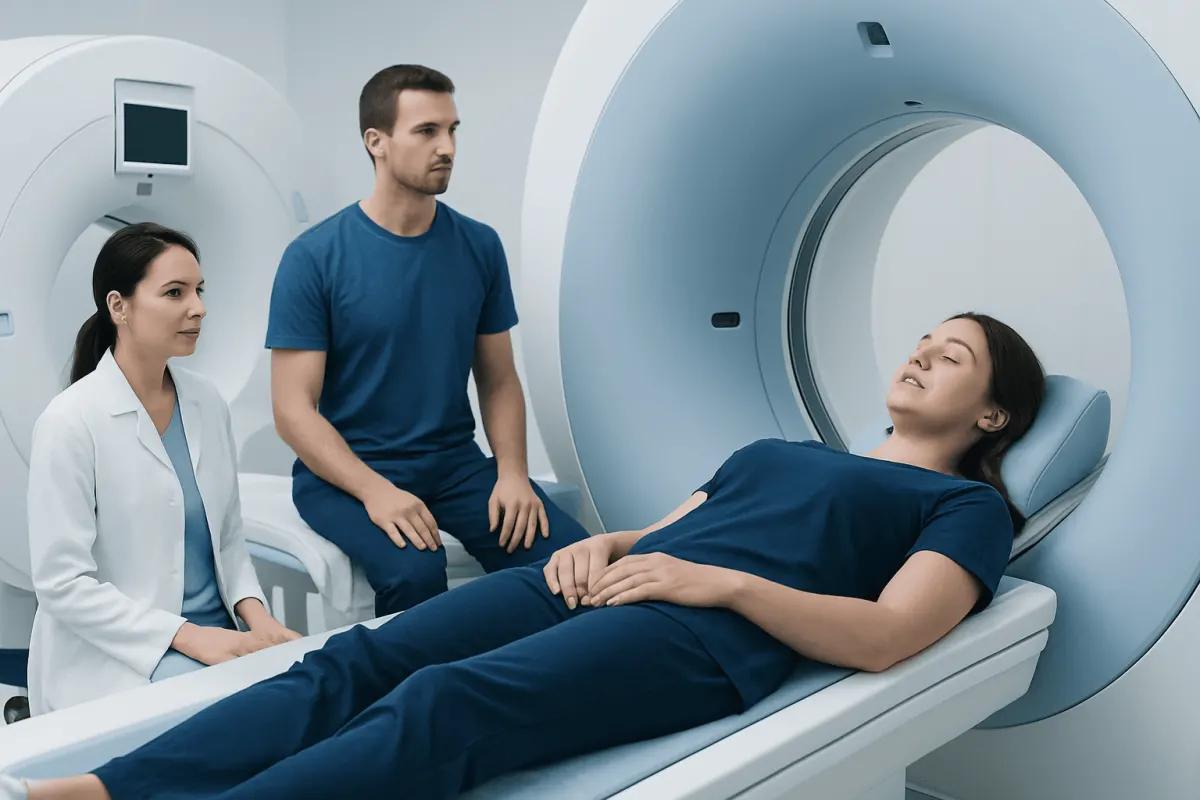
Is a MRI or CT scan better? Neither test is universally better; the right choice depends on the body area, the suspected condition, urgency, and a person’s medical history. CT is often preferred when rapid imaging or detailed views of bone are needed, while MRI is especially useful for detailed images of the brain, spinal cord, joints, and other soft tissues.
Overview: Is a MRI or CT Scan Better?
Is a MRI or CT scan better? The answer depends on what doctors need to investigate. A computed tomography (CT) scan is generally faster and is often chosen for urgent problems, trauma, bleeding, lung conditions, and detailed assessment of bones. Magnetic resonance imaging (MRI) usually provides more detailed views of soft tissues, including the brain, spinal cord, nerves, muscles, ligaments, and many internal organs.
These tests are complementary rather than competing examinations. CT combines multiple X-ray images to produce cross-sectional pictures of the body. MRI uses powerful magnets and radio waves to create images and does not use ionizing radiation. The referring clinician and radiologist consider symptoms, examination findings, prior tests, urgency, and safety considerations before recommending one or both scans.
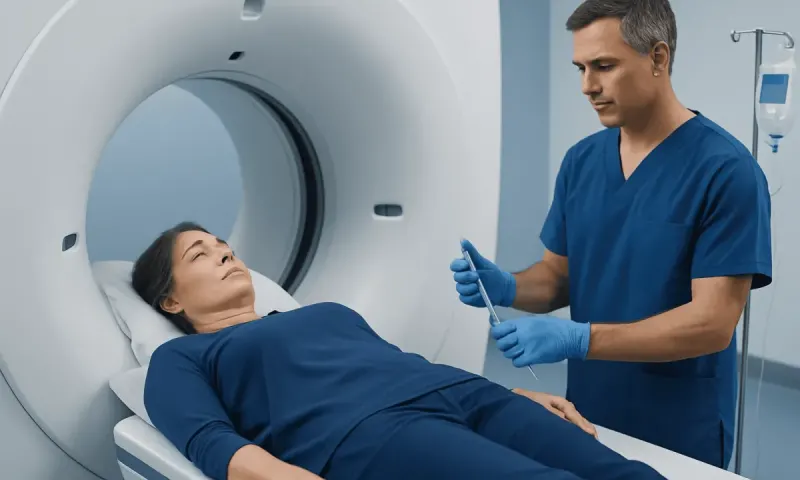
Sometimes an imaging study is performed with contrast material to make blood vessels, inflammation, organs, or abnormal tissue easier to see. Contrast choice differs between CT and MRI, and the imaging team reviews kidney function, allergy history, pregnancy status, and other relevant health information beforehand.
How CT and MRI Differ in Practice
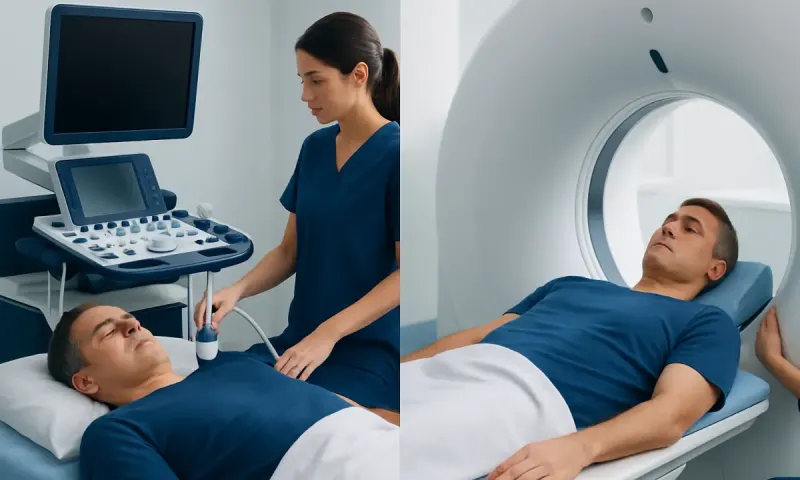
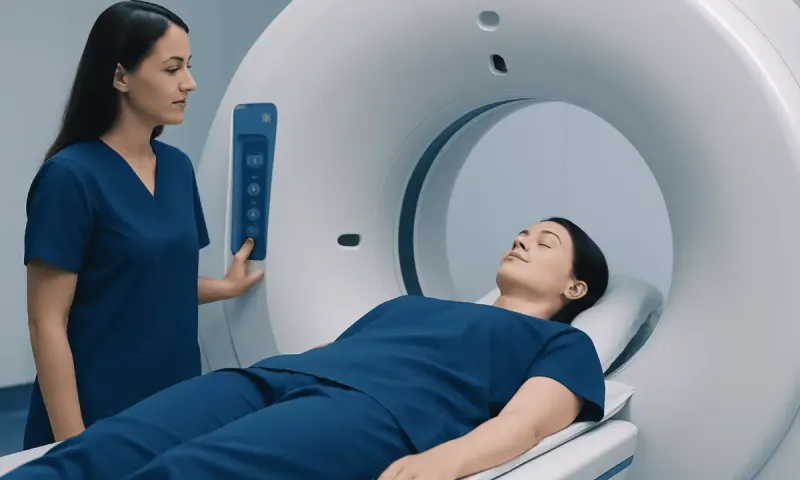
A CT scanner is typically a short, doughnut-shaped machine. The scan itself commonly takes only minutes, and patients usually lie still on a table while it moves through the scanner. This speed makes CT especially useful when a rapid answer can guide immediate care, such as after a significant injury or when internal bleeding is a concern.
An MRI scanner is longer and more enclosed, and the examination often takes longer because it collects detailed images in several sequences. The machine makes loud tapping or knocking sounds, but hearing protection is provided. Some people find the enclosed space uncomfortable, and sedation or alternative arrangements may occasionally be considered when clinically appropriate.
CT involves exposure to ionizing radiation, although imaging teams use protocols designed to keep radiation as low as reasonably achievable. MRI does not use X-ray radiation, but it is not suitable for everyone. Certain implanted devices, metal fragments, or medical hardware require careful screening before MRI. Many modern implants can be scanned under specific conditions, so patients should always provide complete implant information.
- CT strengths: speed, lungs, bones, acute bleeding, many emergency assessments, and broad body imaging.
- MRI strengths: brain and spinal cord detail, nerves, muscles, ligaments, joints, bone marrow, and many soft-tissue abnormalities.
- Shared role: both tests can help assess abdominal organs, blood vessels, infection, injury, and cancer, depending on the clinical situation.
What Diseases Can an MRI Detect That a CT Scan Cannot?

MRI does not always identify a disease that CT cannot detect at all. More often, MRI detects abnormalities that are too subtle for CT or characterizes them more clearly. Its stronger soft-tissue contrast can reveal small changes in the brain, spinal cord, nerves, bone marrow, muscles, tendons, cartilage, and ligaments.
For example, MRI may be particularly informative for suspected multiple sclerosis lesions, inflammation of the spinal cord, early bone marrow disorders, ligament or meniscus tears, tendon injuries, disc-related nerve compression, and certain pituitary or inner-ear abnormalities. In the brain, MRI can be more sensitive for small strokes, particularly in some early or posterior-brain strokes, and for subtle inflammatory, infectious, or tumor-related changes. Evaluation of conditions such as brain tumors commonly involves MRI because it can define soft-tissue anatomy in detail.
MRI also helps distinguish among types of tissue based on their imaging characteristics. However, MRI findings must always be interpreted alongside the person’s symptoms, physical examination, laboratory tests, and other imaging. A more detailed scan does not automatically mean it is the right first test for every concern.
Why Do Doctors Choose CT Over MRI?
Doctors often choose CT when a result is needed quickly. In emergency medicine, CT can rapidly assess head injuries, suspected bleeding, major trauma, certain chest problems, kidney stones, and many causes of sudden abdominal pain. It is also excellent for showing fractures and complex bone anatomy.
For the question “is a MRI or CT scan better for brain,” CT is often the first examination in a possible acute head injury or suspected brain bleed because it is fast and readily identifies many urgent problems. MRI may follow when doctors need a closer look at brain tissue, small strokes, inflammation, tumors, or unexplained neurological symptoms. Suspected stroke requires urgent medical assessment; the imaging approach is selected by the clinical team based on timing and symptoms.
CT may also be more practical for people who cannot remain still for a longer scan, have MRI-incompatible implants, or need continuous medical monitoring. CT imaging is commonly useful in cancer evaluation, especially for the chest, abdomen, and pelvis, where it can assess the size and spread of many tumors and help monitor treatment. In selected situations, CT imaging is the most efficient way to answer the immediate clinical question.
What Will an MRI Show That a CT Scan Does Not?
MRI can show fine differences within soft tissues that may not be clear on CT. It can map the brain’s white and gray matter, the spinal cord, nerve roots, intervertebral discs, cartilage, ligaments, tendons, muscle edema, and bone marrow in high detail. It can also provide specialized sequences that assess blood flow, tissue diffusion, or the chemical properties of some lesions.
For people asking “is MRI or CT scan better for spine,” MRI is commonly preferred when there is concern about a herniated disc, spinal cord compression, nerve-root irritation, infection, tumor, or inflammatory disease. CT may be preferred for fractures, detailed bone structure, or when MRI cannot be performed. New weakness, loss of bladder or bowel control, numbness around the groin, or severe pain after a major injury needs urgent medical assessment rather than routine outpatient imaging.
For “is MRI or CT scan better for abdomen” and “is MRI or CT scan better for liver,” the answer depends on the suspected problem. CT is often a fast, comprehensive examination for abdominal pain, injury, infection, and many cancers. MRI can better characterize certain liver lesions, bile ducts, pancreas findings, pelvic organs, and soft-tissue abnormalities. A clinician may recommend magnetic resonance imaging after CT when additional tissue detail would change management.
Is MRI or CT Better for Detecting Cancer?
Neither MRI nor CT is best for every cancer. CT is widely used to identify and stage many cancers because it images the chest, abdomen, and pelvis quickly and can show tumor size, lymph nodes, organs, and possible spread. It is especially important for assessing many lung conditions and is frequently part of cancer staging and follow-up.
MRI may provide more detail for tumors of the brain, spinal cord, liver, pelvis, prostate, uterus, ovaries, rectum, muscles, and bones. It can help clinicians characterize a finding seen on CT or ultrasound and plan certain treatments. Depending on the cancer type, other tests such as ultrasound, mammography, PET imaging, endoscopy, or biopsy may also be necessary.
Imaging can identify suspicious changes, but it cannot always confirm whether a lesion is cancerous. When needed, a biopsy examines cells or tissue under a microscope. The question “is a MRI or CT scan more detailed” therefore has no single answer: MRI tends to offer greater soft-tissue detail, while CT provides excellent detail of bone, lungs, calcification, and acute bleeding.
What Is More Serious, a CT Scan or MRI?
A CT scan or MRI is not “more serious” than the other. They are diagnostic tools, and the choice of test does not by itself indicate the severity of a person’s health problem. A doctor may request CT because an urgent condition needs a quick answer, or MRI because a non-urgent but detailed assessment of soft tissue is needed.
Both tests are generally safe when appropriately used. CT uses radiation, so unnecessary repeat scans are avoided. MRI has no ionizing radiation but requires careful safety screening for metal, implants, and certain devices. Contrast material is safe for most people but can have risks, including uncommon allergic reactions; clinicians take particular care in people with impaired kidney function or a prior contrast reaction.
People sometimes ask whether “is a MRI or CT scan more expensive.” Costs vary substantially by country, facility, insurance coverage, contrast use, and the body area scanned. Cost is not usually the primary clinical reason for choosing a scan; the test that best addresses the medical question safely and promptly is generally preferred.
When to Seek Medical Care
Medical care should be sought promptly for sudden or severe symptoms, including new weakness or numbness on one side of the body, difficulty speaking, facial drooping, a sudden severe headache, seizures, fainting, confusion, chest pain, severe shortness of breath, or symptoms after a significant head injury. These symptoms may require urgent evaluation, and clinicians will determine whether CT, MRI, or another test is appropriate.
Prompt medical advice is also appropriate for persistent unexplained headaches, worsening back or neck pain with numbness or weakness, ongoing abdominal pain, unexplained weight loss, jaundice, a new neurological symptom, or pain that is not improving as expected. Imaging should be ordered by a qualified clinician because the best test depends on the suspected cause and may not always be CT or MRI.
Patients should tell the imaging team about pregnancy or possible pregnancy, kidney disease, prior contrast reactions, asthma or allergies, implanted devices, surgical clips, metal injuries, and claustrophobia. Acıbadem Health Point’s multidisciplinary specialists and JCI-accredited hospitals diagnose and treat conditions requiring advanced imaging for international patients.
Frequently asked questions
01Is a MRI or CT scan better for the brain?
It depends on the reason for imaging. CT is often used first in emergencies because it is fast and can identify many cases of bleeding, skull fracture, or injury. MRI generally provides more detailed images of brain tissue and may be preferred for small strokes, tumors, inflammation, seizures, or persistent unexplained neurological symptoms.
02Is MRI or CT scan better for the spine?
MRI is often more useful for discs, the spinal cord, nerve roots, ligaments, infection, tumors, and inflammation. CT is particularly useful for spinal fractures and detailed bone evaluation. The appropriate test depends on symptoms, injury history, and whether MRI is safe for the individual.
03Is MRI or CT scan better for the abdomen and liver?
CT is often chosen for urgent abdominal symptoms because it is fast and provides a broad overview of the abdomen. MRI may be especially helpful to characterize liver lesions, evaluate bile ducts, or assess some pancreas and pelvic conditions. Doctors may use both tests at different stages when each provides useful information.
04Does an MRI have radiation?
MRI does not use ionizing radiation. It uses a strong magnetic field and radio waves to produce images. However, it still requires safety screening because some implants, devices, and metal fragments may make MRI unsuitable or require special precautions.
05Why might a doctor order an MRI after a CT scan?
A CT scan may identify an abnormality or rule out an urgent problem, while MRI can provide greater soft-tissue detail. MRI may help characterize a brain, spine, joint, liver, pelvic, or muscle finding seen on CT. This does not necessarily mean the condition is severe; it means more specific information is needed.
06Can CT or MRI confirm cancer?
CT and MRI can detect suspicious masses, show their location and size, and help determine whether cancer may have spread. However, imaging alone cannot always confirm a cancer diagnosis. A biopsy or other tests may be needed to identify the exact nature of an abnormal finding.
This article is for general information only and is not a substitute for professional medical advice. Please consult a qualified doctor about your individual situation.
Joint and spine care in Turkey — expert assessment & treatment
JCI-accredited · board-certified surgeons · reply within 24h
Add us as a Preferred Source to see more of our trusted health content across Google Search, AI Overviews and Discover.