Interstitial Cystitis: Diagnosis, Outlook, and Modern Treatment Approaches

Do you keep needing the bathroom, feel pain or pressure in your bladder, yet every urine test comes back clean? That pattern has a name: interstitial cystitis, a long-term bladder pain condition that can cause pelvic discomfort, urinary urgency, and frequent urination even when there is no infection.
Diagnosing it takes care. Your doctor listens to your symptoms, runs tests to rule out other causes, and then builds a plan just for you — often a mix of lifestyle changes, pelvic care, and medical therapies.
Overview: what interstitial cystitis means
Interstitial cystitis is a chronic condition that causes bladder-related pain, pressure, or discomfort, often along with a frequent or urgent need to urinate. It is also called bladder pain syndrome, and it is diagnosed when these symptoms persist and other likely causes such as infection, bladder stones, or some gynecologic and urologic conditions have been excluded.
This condition can affect daily life in different ways. Some people mainly notice pain as the bladder fills, while others are more troubled by repeated trips to the bathroom during the day and night. Symptoms may be mild, moderate, or more disruptive, and they often vary over time rather than staying the same every day.
Interstitial cystitis is not the same as a routine urinary tract infection. Antibiotics do not usually help unless an infection is also present. Although there is no single cure that works for everyone, many people can achieve meaningful symptom relief through a structured, individualized care plan.
Symptoms and how the condition can feel
The most common symptoms of interstitial cystitis are bladder pain, pelvic pain, urinary urgency, and urinary frequency. Pain may feel like pressure, burning, aching, or tenderness in the lower abdomen, pelvis, urethra, or bladder area. For some people, discomfort becomes worse as the bladder fills and improves after urination.
Urinary frequency can be significant, with people needing to urinate many times during the day or night even when only small amounts of urine are passed. Urgency is common, but unlike overactive bladder, the urge is often linked to pain or pressure rather than fear of leakage alone. Symptoms can become worse during stress, menstruation, sexual activity, long periods of sitting, or after certain foods and drinks.
People may also experience pain during intercourse, pelvic floor tension, sleep disruption, fatigue, and reduced quality of life. Symptoms sometimes overlap with other chronic pelvic pain conditions, which can make diagnosis more complex. Since these symptoms can look a lot like a urinary tract infection or another bladder problem, it’s worth getting properly checked rather than guessing.
- Bladder or pelvic pain, pressure, or discomfort
- Frequent urination during the day or night
- A strong urge to urinate
- Pain that changes with bladder filling or emptying
- Pain during sexual activity in some patients
Possible causes and risk factors
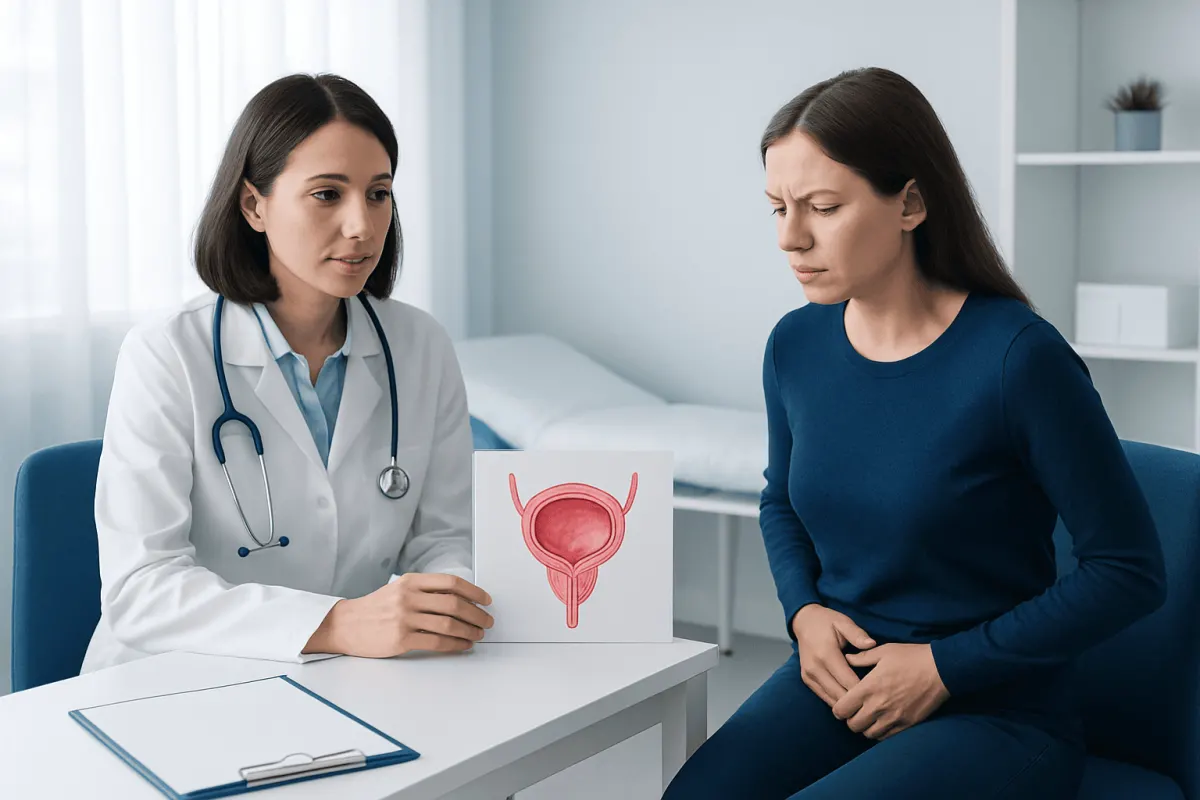
The exact cause of interstitial cystitis is not fully understood. Current evidence suggests that it is likely not a single disease with one trigger, but a syndrome with several possible contributing factors. Researchers have explored changes in the bladder lining, altered pain signaling, immune and inflammatory pathways, pelvic floor muscle dysfunction, and increased sensitivity of the nervous system.
In some people, the protective surface of the bladder may be less effective, allowing substances in urine to irritate the bladder wall. In others, pain pathways may become more reactive, so the bladder feels painful even without infection or another obvious injury. Pelvic floor muscles may also tighten in response to chronic pain, adding to urinary urgency and pelvic discomfort.
Interstitial cystitis is more often diagnosed in women, though it can affect men as well. It may occur alongside other chronic pain or sensitivity conditions such as irritable bowel syndrome, migraine, fibromyalgia, or vulvodynia. Having one of these conditions doesn’t explain why interstitial cystitis happens, but it gives your doctor useful context — and often points toward a treatment plan that works better for you.
How interstitial cystitis is diagnosed
Diagnosis usually begins with a detailed conversation about symptoms, timing, triggers, prior infections, pelvic pain, sexual health, and any gynecologic, bowel, or prostate-related symptoms. A clinician may ask the patient to complete symptom questionnaires or keep a bladder diary showing how often they urinate, how much they drink, and when pain flares occur.
Tests are used mainly to rule out other causes. These may include urinalysis and urine culture to check for infection, and sometimes additional urine testing if there is blood in the urine or other concerning findings. Depending on age, medical history, and symptoms, doctors may also consider imaging or direct bladder evaluation. In selected cases, cystoscopy can help assess the bladder lining, identify ulcers or other abnormalities, and exclude other conditions.
There is no single laboratory test that confirms interstitial cystitis. Doctors usually diagnose it after considering the pattern of persistent bladder pain and urinary symptoms, while excluding more common explanations such as infection, stones, urinary retention, endometriosis, prostatitis, or bladder cancer when appropriate. Going step by step like this spares you unnecessary treatment and gets you to the right plan faster.
Modern treatment approaches and symptom management
Treatment for interstitial cystitis is personalized because symptoms and triggers vary widely. Most care plans start with conservative measures and progress step by step if symptoms continue. The aim isn’t just less pain and urgency — it’s better sleep, easier days, and a life that feels more like your own again.
Many patients benefit from identifying bladder irritants in the diet. Common triggers include caffeine, alcohol, carbonated drinks, artificial sweeteners, citrus, tomatoes, and spicy foods, although triggers are different for each person. Bladder training, stress management, gentle physical activity, heat therapy, and planned fluid habits may also help. If pelvic floor muscles are tense or painful, pelvic floor rehabilitation can be especially useful, while repeated strengthening exercises without assessment may worsen symptoms in some patients.
Medicines may be used to target pain, inflammation, urgency, or associated sleep problems. Some patients are offered oral medicines, while others may benefit from bladder instillation therapies that place medication directly into the bladder. When symptoms are more persistent, specialists may consider procedures such as hydrodistention during cystoscopy or selected neuromodulation approaches. In carefully chosen cases where other disorders are contributing, further evaluation in urology care or related specialties may guide the next step.
Because symptoms can overlap with chronic pelvic pain disorders, care often works best when it is multidisciplinary. Near the end of the treatment journey, some patients may need coordinated input from urology, gynecology, pain management, pelvic floor physical therapy, and mental health support. Acıbadem Health Point provides diagnosis and treatment for international patients through multidisciplinary specialists in JCI-accredited hospitals when this type of coordinated care is needed.
Outlook, daily self-care, and prevention of flares
The outlook for interstitial cystitis is usually one of long-term management rather than a one-time cure. Symptoms may come and go, with periods of improvement and occasional flare-ups. Even so, many people are able to gain better control once they recognize personal triggers and work with a clinician to adjust treatment over time.
What you do at home matters, too. Keeping a symptom diary can help connect flares with certain foods, stress, activity, menstrual cycles, or sexual activity. Some people find it helpful to avoid individual trigger foods for a trial period and then reintroduce them carefully. Others benefit from pacing daily activities, improving sleep habits, and using relaxation techniques to reduce pelvic muscle tension.
There is no proven way to fully prevent interstitial cystitis because its exact causes remain uncertain. However, reducing flare triggers can lower symptom burden. Helpful habits may include staying well hydrated without overdrinking, avoiding smoking, treating constipation, and seeking care for pelvic floor symptoms early. People who develop repeated bladder symptoms should avoid assuming every episode is an infection and should discuss recurrent symptoms with a qualified doctor.
When to seek medical care
If bladder pain, urgency, or frequent urination has lasted for weeks, keeps coming back, or is disturbing your sleep, work, or daily life — see a doctor. A doctor can help determine whether the cause is interstitial cystitis or another condition that needs different treatment. Early evaluation may also reduce delays and unnecessary antibiotic use.
Prompt assessment is especially important if symptoms are accompanied by fever, vomiting, severe back pain, trouble passing urine, visible blood in the urine, unexpected weight loss, or new symptoms after the age of 40 or 50. These signs don’t automatically mean something serious — but don’t brush them off, because they can point to infection, stones, or other urinary tract conditions.
Patients who already have a diagnosis of interstitial cystitis should also seek follow-up if symptoms suddenly change, become much more intense, or no longer respond to the current plan. A changing symptom pattern can mean that a flare, a pelvic floor issue, or a separate urinary problem needs attention.
Frequently asked questions
01Is interstitial cystitis the same as a urinary tract infection?
No. Interstitial cystitis causes bladder pain and urinary symptoms without the typical bacterial infection found in a urinary tract infection. The symptoms can feel similar, which is why urine testing is often needed.
02Can interstitial cystitis be cured?
There is no single cure that works for everyone, but many people improve with a tailored treatment plan. Care usually focuses on reducing pain, urgency, and flare frequency while improving day-to-day function.
03What foods can trigger interstitial cystitis symptoms?
Common triggers may include caffeine, alcohol, citrus, tomatoes, spicy foods, and carbonated drinks. Triggers are highly individual, so a food and symptom diary can be more helpful than following a strict list alone.
04How long does it take to diagnose interstitial cystitis?
Diagnosis can take time because doctors need to rule out more common causes of bladder pain and frequency. The process often includes a symptom review, urine tests, and sometimes additional procedures depending on the person's age and symptoms.
05Does interstitial cystitis always require a procedure?
No. Many patients start with conservative treatment such as diet changes, bladder training, stress reduction, and pelvic floor therapy. Procedures are usually considered only if symptoms persist or if doctors need more information to confirm the diagnosis.
06Can men get interstitial cystitis?
Yes. Although it is diagnosed more often in women, men can also develop interstitial cystitis. In men, symptoms may overlap with chronic pelvic pain syndrome or prostate-related conditions, so careful evaluation is important.
This article is for general information only and is not a substitute for professional medical advice. Please consult a qualified doctor about your individual situation.
Explore treatments in Turkey — costs, top hospitals & a free quote
JCI-accredited · board-certified surgeons · reply within 24h
Add us as a Preferred Source to see more of our trusted health content across Google Search, AI Overviews and Discover.