Intercostal Muscle Strain: Symptoms, Causes and Treatment

Key Takeaways
- Intercostal muscle strain affects the muscles between the ribs and often hurts more with deep breathing, coughing, or reaching.
- Pain from a strain can feel alarming because it is in the chest, but it is often related to movement and muscle use rather than the heart.
- Most cases improve with conservative care, including rest, activity modification, and symptom relief measures recommended by a clinician.
- A medical evaluation is important when chest pain is sudden, severe, associated with shortness of breath, or follows a major injury.
- Recovery is usually gradual, and returning to activity too quickly can delay healing or worsen the strain.
Intercostal muscle strain is an injury to the muscles between the ribs that can cause sharp chest wall pain, especially with breathing, twisting, coughing, or movement. It is usually manageable with rest and conservative care, but other causes of chest pain should be ruled out when symptoms are new, severe, or unusual.
Overview
Intercostal muscle strain is an injury to the thin muscles that sit between the ribs and help the chest expand and contract. These muscles work every time a person breathes, coughs, laughs, bends, lifts, or twists, which is why even a small strain can be felt in a very noticeable way.
The pain often appears suddenly after a forceful movement, sports activity, heavy lifting, prolonged coughing, or an awkward twist of the torso. Because the discomfort is located in the chest wall, it can feel concerning at first. In many cases, however, the pattern of pain points toward a muscle injury rather than an internal organ problem.
For international patients, this condition is usually evaluated first by a clinician who can separate muscle strain from other reasons for chest pain. That assessment matters because chest symptoms can have several different causes, and the safest approach is to confirm the source before assuming it is only a strain.
Symptoms
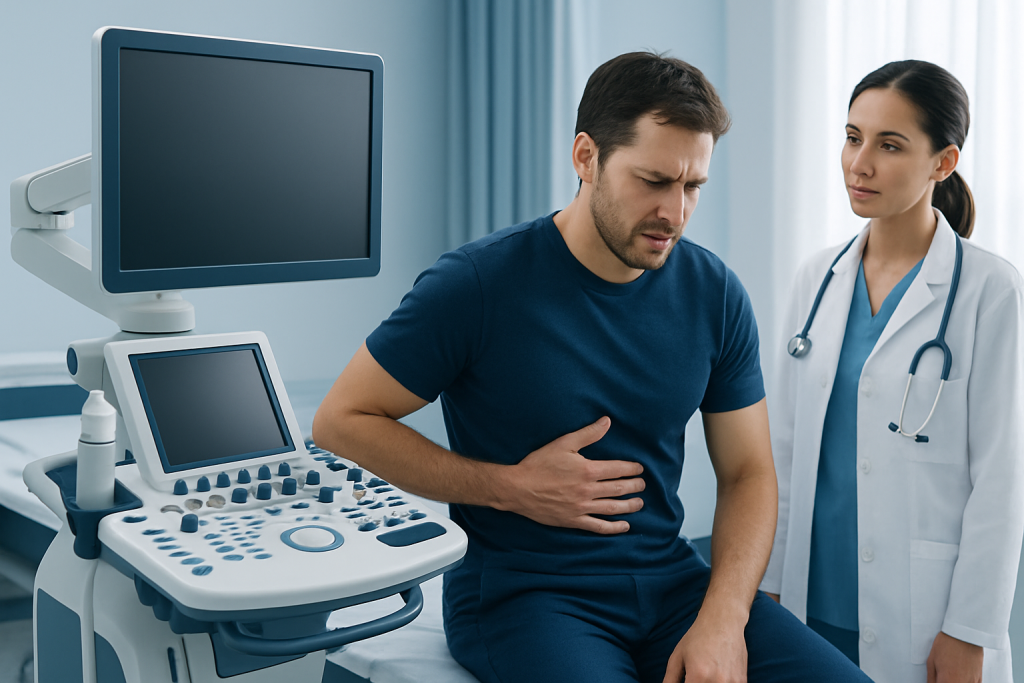
The most common symptom is localized pain along the ribs or side of the chest. The pain is often sharp, sore, or tight, and it may worsen when the person takes a deep breath, coughs, sneezes, laughs, or moves the upper body in a certain direction.
Some people notice tenderness when pressing on the affected area. Others feel pain more clearly during twisting, reaching overhead, getting out of bed, or lifting objects. The discomfort may stay in one spot or spread slightly across the chest wall or into the back.
Typical features can include:
- Pain that increases with breathing, coughing, or movement
- Local tenderness over the rib spaces
- Muscle tightness or spasms
- Pain after exercise, overuse, or sudden twisting
- Discomfort that improves with rest and worsens with strain
Symptoms can range from mild to significant. Even when the pain is strong, the condition often follows a mechanical pattern, meaning it is triggered by physical motion more than by rest.
Causes & Risk Factors

Intercostal muscle strain usually develops when the muscles are stretched beyond their usual limit or asked to work too hard. A forceful cough from a respiratory illness can be enough to irritate the muscle fibers, and a sudden turn during sports or daily activity can do the same.
Common causes include lifting heavy objects, repetitive upper-body movements, contact sports, falls, abrupt twisting, and prolonged coughing. Sometimes the strain follows poor posture or overuse of the chest and back muscles during exercise or work.
Risk is higher in people who:
- Play sports that involve rotation, throwing, or contact
- Have a persistent cough or recent chest infection
- Lift, carry, or reach overhead regularly
- Have reduced conditioning or resume activity too quickly
- Have had a prior chest wall injury
Older adults and people with bone or joint problems may also be more vulnerable to chest wall pain, which is one reason a clinician may look beyond a simple strain if the history is not straightforward.
Diagnosis
Diagnosis begins with a careful medical history and physical examination. A clinician typically asks how the pain started, what makes it worse, whether there was an injury or cough, and whether the person has symptoms such as shortness of breath, fever, dizziness, or pain that feels different from a muscle problem.
During the examination, the clinician may check whether the pain can be reproduced by pressing on a specific area or by moving the torso. That movement-related pattern often supports a muscle strain. At the same time, the clinician stays alert for signs that another condition could be causing the chest pain.
Depending on the situation, tests may be used to rule out other causes. These may include an X-ray, electrocardiogram, or additional imaging if the history suggests a rib injury, lung issue, or another chest condition. The goal is not to overtest every person, but to make sure the diagnosis is safe and accurate before treatment begins.
Treatment Options
Most intercostal muscle strains are treated conservatively. The main goals are to reduce pain, allow healing, and help the person move comfortably again without stressing the injured area. Rest does not usually mean complete inactivity; it means avoiding movements that clearly worsen the pain while maintaining gentle, safe motion.
Clinicians may recommend symptom-relief measures such as cold or warm compresses, guided activity modification, and supportive care for coughing if that is part of the trigger. Over-the-counter pain relief may be appropriate for some people, but the choice should be discussed with a doctor or pharmacist, especially for anyone with stomach, kidney, heart, or bleeding concerns.
Physical therapy or guided rehabilitation may help when pain lingers, when posture and breathing mechanics need support, or when the strain follows a sports injury. A therapist can teach gradual return-to-activity strategies and movements that reduce strain on the chest wall.
In some cases, a treatment plan may also address the underlying reason the strain occurred. For example, a persistent cough may need medical evaluation so the muscle can heal without repeated stress. This is especially important for patients traveling from abroad, because treatment works best when the injury itself and the trigger are both considered.
Prevention & Self-care
Recovery tends to go more smoothly when the chest wall is given time to settle. Sudden return to lifting, intense exercise, or heavy housework can restart the pain, so activity is usually increased in stages rather than all at once. Gentle movement is often helpful, but it should stay within a comfortable range.
Self-care can also include breathing calmly and avoiding the habit of “guarding” the area too tightly, since shallow breathing can make the chest feel more stiff. If coughing is a trigger, treating the cough and supporting the chest with a pillow during episodes may help reduce strain on the muscles.
Practical habits that may lower the risk of repeat injury include:
- Warming up before exercise
- Using good lifting technique
- Strengthening the trunk and upper back gradually
- Taking breaks during repetitive work
- Addressing persistent cough or respiratory irritation early
Patients who are recovering while abroad should also plan follow-up thoughtfully. Having a clear written diagnosis, return-to-activity guidance, and contact information for the treating team can make it easier to continue care safely after traveling home.
When to See a Doctor
Because chest pain can have many causes, it is wise to seek medical evaluation when the pain is new, unexplained, or persistent. This is especially true if the pain began after trauma, a severe coughing episode, or exercise that felt unusual for the body.
Prompt medical attention is important if chest pain is accompanied by shortness of breath, fainting, sweating, a racing heartbeat, pain spreading to the arm or jaw, fever, or coughing up blood. These symptoms do not automatically mean something dangerous is happening, but they do deserve timely assessment.
A doctor should also be consulted if the pain does not improve with rest, keeps returning, or interferes with breathing, sleep, or daily activities. For international patients, Acibadem Health Point’s multidisciplinary specialists and JCI-accredited hospitals can evaluate and treat intercostal muscle strain as part of a coordinated care plan.
When symptoms are clearly related to movement and the diagnosis is confirmed, reassurance is often part of treatment. Knowing what the pain is — and what it is not — can help a person recover with confidence and avoid unnecessary worry.
Frequently asked questions
01How can intercostal muscle strain be distinguished from heart pain?
Intercostal muscle strain usually gets worse with movement, deep breathing, coughing, or pressing on the sore area. Heart-related pain often does not change the same way and may come with other symptoms such as shortness of breath, sweating, or pain spreading to the arm or jaw. Because chest pain can be complex, a clinician should evaluate new or uncertain symptoms.
02How long does an intercostal muscle strain take to heal?
Healing time varies depending on how severe the strain is and whether the chest wall is repeatedly stressed. Mild strains often improve over days to a few weeks, while more irritated muscles can take longer. Recovery is usually smoother when the person avoids activities that trigger pain and follows medical advice.
03Should a person stop all movement if they have this strain?
Complete rest is usually not necessary and may make the chest feel stiff. Gentle movement is often encouraged as long as it does not sharply worsen pain. The key is to avoid forceful twisting, lifting, or exercise that clearly aggravates the injury.
04Can coughing make an intercostal strain worse?
Yes. Coughing repeatedly contracts the chest wall muscles and can increase pain or delay healing. If coughing is ongoing, it is important to address the underlying cause with a clinician so the muscle strain is not constantly re-irritated.
05Is imaging always needed for intercostal muscle strain?
Not always. Many cases are diagnosed through history and physical examination alone. Imaging may be used if the clinician suspects a rib fracture, lung issue, or another cause of chest pain that needs to be ruled out.
06What can a person do at home to feel more comfortable?
Common comfort measures include resting from painful movements, using cold or warm compresses as advised, and pacing daily activities. It can also help to sit and stand with good posture and to breathe gently rather than holding the breath because of pain. A doctor or pharmacist can advise on appropriate pain relief options.
This article is for general information only and is not a substitute for professional medical advice. Please consult a qualified doctor about your individual situation.
Explore treatments in Turkey — costs, top hospitals & a free quote
JCI-accredited · board-certified surgeons · reply within 24h
Add us as a Preferred Source to see more of our trusted health content across Google Search, AI Overviews and Discover.