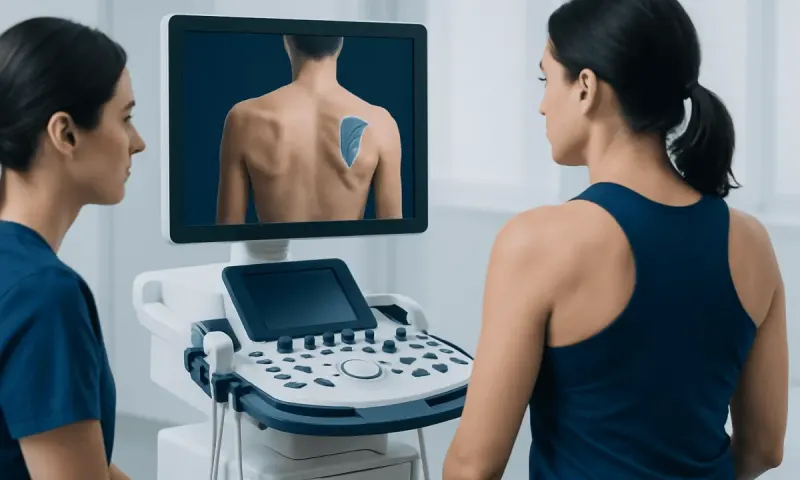
Deltoid Muscle: Anatomy and Function

Key Takeaways
- The deltoid muscle is a major shoulder muscle that supports arm lifting, reaching, and overhead motion.
- Pain in the deltoid area may come from a muscle strain, tendon irritation, shoulder joint problems, or referred pain.
- A careful examination and sometimes imaging help distinguish a deltoid injury from other shoulder conditions.
- Most mild deltoid strains improve with rest, activity adjustment, and guided rehabilitation.
- Persistent weakness, swelling, trauma, or pain after vaccination should be discussed with a qualified clinician.
The deltoid muscle is the rounded shoulder muscle that helps lift and stabilize the arm. Understanding its anatomy, common injuries, and recovery options can make shoulder pain easier to manage and evaluate with a doctor.
Overview
The deltoid muscle gives the shoulder its curved outline, but its role is much more practical than cosmetic. It helps the arm move away from the body, assists with lifting and rotating the shoulder, and contributes to everyday tasks such as reaching a shelf, dressing, carrying groceries, or pushing open a door.
Because the deltoid sits over the shoulder joint, discomfort in this area can have several explanations. The pain may truly come from the muscle itself, or it may reflect nearby structures such as the rotator cuff, bursa, tendons, acromioclavicular joint, or even the neck. For that reason, a symptom described as “deltoid pain” is often best evaluated as part of the whole shoulder.
In clinical care, the goal is not simply to label the muscle, but to understand why it hurts and how the person uses the arm in daily life. That approach is especially helpful for international patients who may be deciding whether to travel for evaluation, imaging, or rehabilitation. A clear plan makes follow-up easier after returning home.
Symptoms

Deltoid-related discomfort can feel different depending on whether the muscle is strained, irritated, bruised, or affected by another shoulder problem. Some people notice a sharp pain when lifting the arm, while others describe a dull ache after activity or a sore spot when pressing on the shoulder.
Common symptoms may include:
- Pain on the outside of the shoulder or upper arm
- Tenderness when touching the deltoid area
- Weakness or fatigue during lifting or overhead movement
- Swelling, bruising, or stiffness after an injury
- Limited range of motion because movement increases pain
Not every shoulder pain pattern means a muscle injury. Pain that travels into the neck, down the arm, or into the hand can suggest nerve involvement or another source. Likewise, pain that is worse at night, associated with catching or clicking, or linked with a past dislocation may point to a broader shoulder condition rather than the deltoid alone.
Causes & Risk Factors

The deltoid can be affected by overuse, sudden force, direct impact, or irritation from nearby structures. A muscle strain may occur after heavy lifting, repetitive overhead work, sports that involve throwing, or an abrupt attempt to catch oneself during a fall. A bruise or tear can follow a direct blow to the shoulder.
Several factors can increase the chance of deltoid discomfort. These include repetitive manual work, poor shoulder conditioning, lifting with the arm away from the body, prior shoulder injury, and certain sports that place repeated load on the joint. Aging, reduced flexibility, and weak surrounding muscles can also make the shoulder less tolerant of strain.
It is also important to recognize non-muscular causes that may be felt in the deltoid region. Rotator cuff disorders, shoulder impingement, bursitis, cervical spine problems, joint arthritis, and post-injection soreness can all create pain near the deltoid. A doctor usually considers these possibilities together rather than assuming the muscle is the only source.
Diagnosis
Diagnosis begins with a detailed history. A clinician will usually ask when the pain started, whether there was an injury, what movements make it worse, and whether the person can raise the arm normally. These details help separate a simple strain from a tendon or joint problem.
The physical examination often includes inspection for swelling or bruising, gentle palpation of the deltoid, and testing of shoulder strength and range of motion. The doctor may also examine the neck and nearby shoulder structures, because pain in one area can be produced by another.
Depending on the findings, imaging may be recommended. X-rays can help rule out bone injury or joint changes, while ultrasound or MRI may be used to look more closely at soft tissues such as muscles, tendons, and bursae. If symptoms follow a vaccination or injection, the clinician will consider injection-site irritation as well as other shoulder conditions that can occur at the same time.
Treatment Options
Treatment depends on the cause and severity of the problem. Mild deltoid strain often improves with relative rest, temporary reduction of provoking activities, and a gradual return to movement. The aim is usually to calm pain without allowing the shoulder to become unnecessarily stiff.
Rehabilitation is often the most important part of recovery. A physiotherapist may guide stretching, posture work, and strengthening for the rotator cuff, scapular muscles, and deltoid itself. This balanced approach helps the shoulder share load more evenly and lowers the chance of recurring strain.
Other treatments may be used when needed, depending on the diagnosis. These can include cold or warm compresses, short-term use of physician-recommended pain relief, and treatment for an associated shoulder disorder such as bursitis or tendon irritation. If there is a significant tear, instability, fracture, or persistent loss of function, specialist care may be required. In some cases, international patients benefit from coordinated assessment by orthopedics, radiology, and rehabilitation teams before returning home.
Prevention & Self-care
Many deltoid problems can be reduced by using the shoulder more thoughtfully. Warm up before sports or heavy work, avoid sudden overhead loading, and increase training intensity gradually. When lifting objects, keeping them close to the body usually places less stress on the shoulder.
Simple self-care measures may help during recovery. Rest the painful arm from the exact movement that triggers symptoms, maintain gentle motion within a comfortable range, and follow a structured rehabilitation plan if one is prescribed. Good posture, especially during desk work and phone use, can also reduce strain on the shoulder girdle.
It is wise to protect overall shoulder health, not just the painful spot. Strengthening the upper back and rotator cuff, addressing neck tightness, and correcting technique in throwing, swimming, or gym exercises can make the deltoid work more efficiently. People who have repeated shoulder symptoms should ask a clinician or physiotherapist for an individualized plan rather than relying on generic exercise advice.
When to See a Doctor
Medical evaluation is appropriate if shoulder pain does not improve after a short period of rest, keeps returning, or interferes with sleeping, dressing, or lifting the arm. A consultation is also important if the shoulder becomes visibly swollen, bruised, or deformed after an injury.
Prompt assessment is especially helpful when pain is accompanied by weakness, numbness, fever, redness, significant loss of motion, or a sensation that the shoulder has slipped out of place. These findings may indicate a more complex injury or an inflammatory or infectious process that should not be managed casually.
Anyone with shoulder pain after a fall, sports trauma, or injection should seek advice if symptoms are worsening instead of settling. For patients traveling from abroad, arranging evaluation before departure or shortly after arrival can prevent delays in diagnosis and make rehabilitation planning easier across borders.
Living With Deltoid Pain During Recovery
Recovery is often less about “pushing through” and more about pacing the shoulder carefully. Small, consistent improvements matter: being able to comb hair more easily, sleep with less discomfort, or lift a light bag without pain are practical signs that the plan is working.
During this period, it helps to keep expectations realistic. The shoulder may need time to recover full strength, especially if other structures around the joint are also irritated. Follow-up visits can confirm whether symptoms are improving as expected or whether the diagnosis should be revisited.
Acibadem Health Point’s multidisciplinary specialists and JCI-accredited hospitals support international patients with diagnosis, treatment, rehabilitation, and follow-up for shoulder and muscle-related conditions, including deltoid problems. A coordinated approach can make care more organized when treatment begins in one country and continues in another.
Frequently asked questions
01Is deltoid pain always a muscle injury?
No. Pain in the deltoid area can come from the muscle itself, but it can also be caused by rotator cuff problems, bursitis, joint irritation, or neck-related nerve pain. A clinician usually looks at the whole shoulder to find the true source.
02How can a deltoid strain be recognized?
A strain often causes pain with lifting the arm, tenderness over the shoulder, and sometimes mild swelling or bruising. The exact pattern depends on how the injury happened and whether other shoulder tissues were involved.
03Can I keep using my arm if the deltoid hurts?
Gentle movement is often helpful, but painful activities should be reduced while the shoulder settles. If movement causes sharp pain or weakness, it is better to stop and seek medical advice rather than forcing the arm.
04Does a vaccination injection always injure the deltoid?
No. Most post-injection soreness is temporary and improves on its own. If pain is severe, lasts longer than expected, or is accompanied by limited shoulder motion, a doctor should assess whether another shoulder issue is present.
05What tests are used for deltoid muscle problems?
Doctors often begin with a physical examination and may use X-rays, ultrasound, or MRI if needed. The choice of test depends on whether the concern is muscle strain, tendon injury, joint damage, or another shoulder condition.
06When is surgery needed for a deltoid problem?
Surgery is not common for simple muscle strain. It may be considered when there is a major tear, fracture, shoulder instability, or another structural problem that does not respond to conservative care.
This article is for general information only and is not a substitute for professional medical advice. Please consult a qualified doctor about your individual situation.
Joint and spine care in Turkey — expert assessment & treatment
JCI-accredited · board-certified surgeons · reply within 24h
Add us as a Preferred Source to see more of our trusted health content across Google Search, AI Overviews and Discover.