Ingrown Hair Treatment: Options, Effectiveness and Recovery

Key Takeaways
- Ingrown hairs happen when a hair curls back into the skin or grows sideways instead of emerging normally.
- Simple treatment often starts with pausing shaving or waxing and using warm compresses and gentle exfoliation.
- Medical care may be needed if there is pus, spreading redness, significant pain, or repeated flare-ups.
- Picking, squeezing, or digging at an ingrown hair can worsen inflammation and raise the risk of scarring or infection.
- Prevention usually focuses on shaving technique, skin preparation, and reducing friction in the affected area.
Ingrown hair treatment depends on how irritated the area is, whether infection is present, and how often the problem returns. Most cases improve with gentle care, but persistent, painful, or infected bumps may need medical evaluation.
Overview
Ingrown hair treatment begins with understanding what is actually happening in the skin: a hair grows back into the follicle wall or fails to exit the surface normally, leading to a small bump, tenderness, and sometimes darkening or inflammation. In many people, the issue settles with conservative care, especially when the skin is allowed to calm down and the hair can grow out naturally.
The right approach depends on the location and severity. A single ingrown hair after shaving may only need warm compresses and a break from hair removal, while multiple inflamed bumps in the beard, bikini line, legs, or underarms may point to a pattern that benefits from a more structured plan. For people traveling for care, a clinician can usually confirm the diagnosis in a straightforward exam and advise whether home care is enough or whether a procedure or prescription treatment is appropriate.
Although ingrown hairs are common and usually not dangerous, they can become uncomfortable and sometimes look similar to other skin problems. That is why a patient-friendly plan is useful: it should reduce irritation, protect the skin barrier, and avoid the habits that make the bump last longer.
Symptoms
An ingrown hair often starts as a small, raised bump that may be red, skin-colored, or darker than the surrounding skin. The area can itch, sting, or feel sore when touched, and a trapped hair may sometimes be visible under the skin’s surface.
Some bumps become more inflamed, especially after shaving, waxing, tweezing, or friction from tight clothing. In darker skin tones, healing may leave temporary dark marks after the bump settles, and repeated irritation can sometimes lead to thicker, raised scars if the area is not allowed to heal.
Symptoms that suggest the area needs medical assessment include pus, increasing warmth, spreading redness, severe pain, a hard lump that keeps returning, or a fever-like feeling. These features may point to infection or another skin condition that requires a different treatment plan.
Causes & Risk Factors

Ingrown hairs develop when the hair tip curves back into the skin or grows laterally, most often after hair removal. Shaving too closely, using a dull razor, pulling the skin taut, and shaving against the direction of growth can all increase the chance that the hair re-enters the follicle.
Hair texture also matters. Coarser or curlier hair tends to bend back into the skin more easily, which is why ingrown hairs are common in the beard area and in places where hair is regularly removed. Friction from tight clothing, sweating, and repeated skin rubbing can add to the problem.
- Frequent shaving, waxing, or tweezing
- Curly or coarse hair
- Tight clothing or repeated friction
- Dry skin or buildup of dead skin cells
- Prior irritation, rash, or follicle inflammation
In some people, the issue becomes recurring because the skin is sensitive and reacts strongly to hair-removal methods. A clinician may then recommend changing the routine, spacing out hair removal, or switching to a different long-term approach.
Diagnosis
Diagnosis is usually made by looking at the skin and asking about recent hair-removal habits, friction, and symptom pattern. A doctor may ask how often the bumps appear, whether they are painful or itchy, and whether the area has ever drained fluid or formed scars.
Most ingrown hairs do not need special testing. However, if the bump is unusually large, keeps returning, or appears infected, a clinician may want to rule out folliculitis, cysts, acne-like conditions, or other causes of skin inflammation. This is especially helpful when someone is arranging care from another country and wants a clear plan before returning home.
Because skin findings can overlap, a careful exam matters more than self-diagnosis. What looks like a simple ingrown hair may occasionally be a different condition that needs prescription treatment or a procedure.
Treatment Options
Many ingrown hairs improve with conservative care. The goal is to reduce swelling, let the hair work its way out naturally, and avoid actions that push the hair deeper into the skin. Warm compresses can soften the skin and ease discomfort, while gentle cleansing helps keep the area clean.
For mildly inflamed bumps, clinicians may recommend a non-irritating exfoliating routine or a topical treatment that reduces surface buildup and inflammation. If the skin is already raw, however, stronger exfoliation can make things worse, so the advice should be tailored to the appearance of the area.
When an ingrown hair becomes infected or forms a painful pustule, medical treatment may be needed. Depending on the findings, a doctor may prescribe a topical medication, consider drainage if an abscess has formed, or carefully release the trapped hair in a sterile setting.
- Warm compresses to reduce tenderness and help the hair emerge
- Temporary pause on shaving, waxing, or plucking
- Gentle cleansing and careful skin care
- Medical evaluation for infection, significant pain, or repeated flares
It is best not to squeeze, scratch, or dig at the bump with tweezers or needles at home. Those steps often increase irritation, can introduce bacteria, and may leave a scar even when the hair is eventually removed.
Recovery and Healing Time
Recovery usually depends on how inflamed the bump is and whether the skin has been traumatized by picking or close shaving. A mild ingrown hair may settle in a few days once irritation stops, while a more inflamed lesion can take longer to flatten and fade.
During recovery, the skin benefits from a simple routine: gentle cleansing, avoiding friction, and giving the hair time to grow out. If the area was treated medically, the clinician may provide specific aftercare instructions so the skin can heal without extra irritation.
Temporary dark marks are common after the bump improves, especially in people with deeper skin tones or in areas that receive repeated rubbing. These marks usually fade gradually, although they can persist longer if the skin is repeatedly irritated before fully healing.
Prevention & Self-care
Prevention is often more effective than repeated treatment, particularly for people who get ingrown hairs in the same area. Small changes in technique can reduce the risk considerably and make hair removal less disruptive to the skin barrier.
Before shaving, softening the hair with warm water and using a lubricating shaving product can help the blade glide more smoothly. Many people do better with a single-blade razor, light pressure, and shaving in the direction of hair growth rather than against it.
Other useful habits include avoiding very tight clothing after hair removal, keeping the skin moisturized, and choosing hair-removal methods that cause less friction for that person’s skin type. If ingrown hairs keep recurring, a dermatologist may discuss longer-term options, including changing the method of hair removal altogether.
- Use a clean, sharp razor and avoid repeated passes over the same area
- Do not stretch the skin while shaving
- Moisturize regularly to reduce dryness and flaking
- Allow time between hair-removal sessions when possible
- Wear breathable clothing if friction worsens the area
For patients traveling internationally, prevention advice should be practical enough to continue at home. The most useful plan is one that fits local products, daily routines, and the person’s ability to follow up consistently after treatment.
When to See a Doctor
Medical review is sensible when an ingrown hair is unusually painful, keeps returning, or shows signs of infection. A doctor should also assess the area if there is a persistent lump, significant discoloration after healing, or scarring that is becoming more noticeable.
Professional care is especially important if the bump is on the face or neck and shaving is part of the cause, or if the person is unsure whether the lesion is truly an ingrown hair. Early evaluation can prevent prolonged irritation and help distinguish a simple follicle problem from a more complex skin condition.
Acibadem Health Point can connect international patients with multidisciplinary specialists and JCI-accredited hospitals for diagnosis and treatment planning when ingrown hairs are recurrent, infected, or difficult to manage.
Anyone who develops fever, rapidly spreading redness, or severe swelling should seek timely medical assessment. These signs are not typical of a simple ingrown hair and deserve prompt attention.
Frequently asked questions
01Can an ingrown hair go away on its own?
Yes, many do. If the area is left alone, kept clean, and protected from further shaving or friction, the hair may work its way out naturally and the bump may settle over time.
02Should a person pop or pick an ingrown hair?
No. Picking, squeezing, or digging can worsen inflammation and increase the chance of infection or scarring. Gentle care is usually safer and more effective.
03What is the best home treatment for a mild ingrown hair?
Warm compresses, gentle cleansing, and a pause from shaving or waxing are common first steps. The skin should be allowed to calm down before any hair-removal routine is restarted.
04When does an ingrown hair need antibiotics?
Antibiotics are considered when there are signs of infection such as pus, spreading redness, warmth, or increasing pain. A doctor should decide whether topical or oral treatment is appropriate.
05Why do ingrown hairs keep coming back?
Recurrence often happens when the hair type, shaving method, or clothing friction continues to irritate the same area. Changing the hair-removal technique or reducing friction can help lower the risk.
06Can laser hair removal help with ingrown hairs?
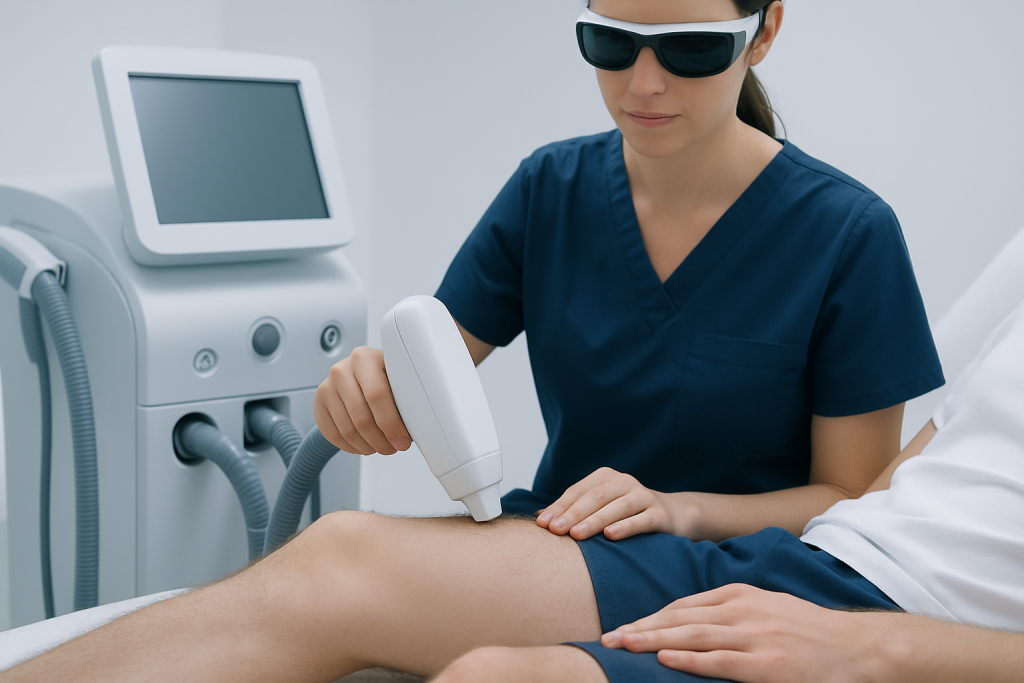
It can help some people by reducing the amount of hair that grows back and lowering shaving-related irritation. A clinician can advise whether it is a suitable option based on skin type and hair color.
This article is for general information only and is not a substitute for professional medical advice. Please consult a qualified doctor about your individual situation.
Hair transplant in Turkey — costs, graft counts & a free assessment
JCI-accredited · board-certified surgeons · reply within 24h
Add us as a Preferred Source to see more of our trusted health content across Google Search, AI Overviews and Discover.