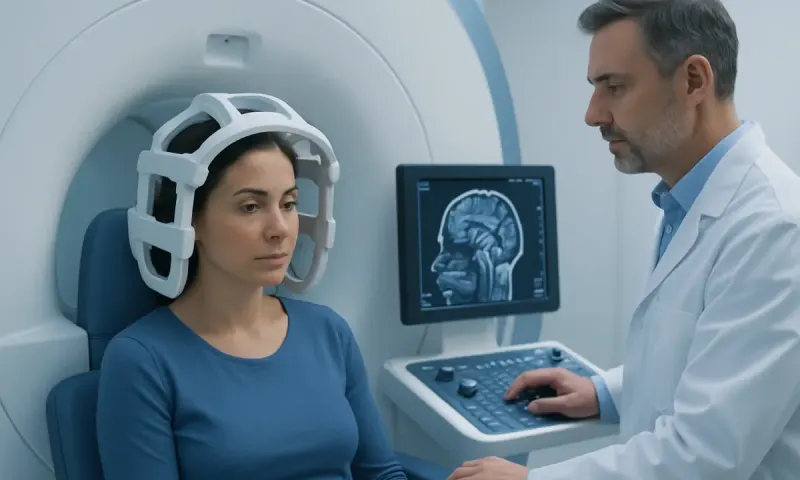
Implanted Neurostimulator Devices: Benefits, Risks, and Follow-Up Care
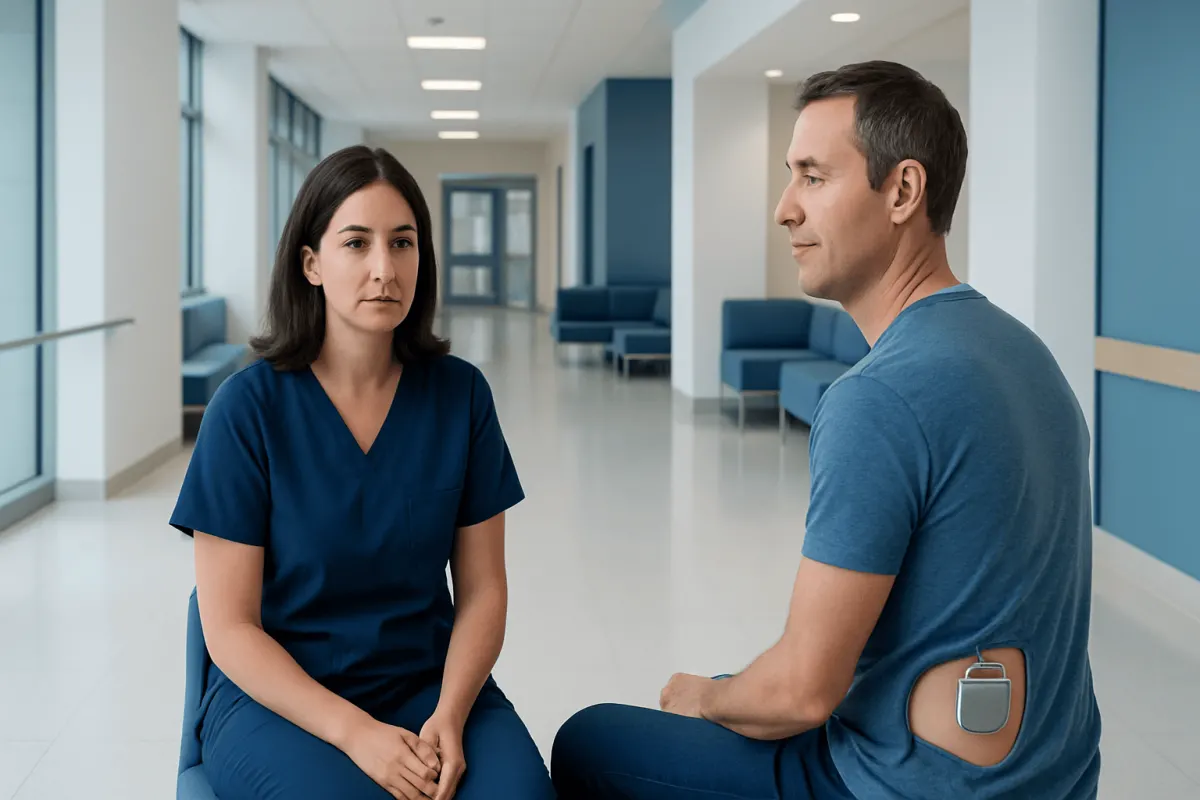
Implanted neurostimulator devices are used to send controlled electrical signals to specific nerves or parts of the nervous system to help manage certain chronic symptoms. For the right patient, they may improve symptom control and quality of life, but they also require thoughtful evaluation, surgery, programming, and long-term follow-up.
Overview
Implanted neurostimulator devices are small medical systems placed in the body to deliver electrical impulses to targeted nerves, the spinal cord, or certain brain regions. This approach is called neuromodulation. The goal is to change abnormal nerve signaling in a controlled way so that symptoms such as pain, tremor, stiffness, seizures, or bladder dysfunction may become more manageable.
Different devices are used for different conditions. Examples include spinal cord stimulators, deep brain stimulators, vagus nerve stimulators, sacral nerve stimulators, and peripheral nerve stimulators. Although they work in different parts of the body, they share a common principle: using carefully programmed stimulation to influence nerve activity without permanently destroying tissue.
These devices are usually considered when symptoms remain troublesome despite medicines, physical therapy, lifestyle changes, or other standard treatments. In some situations, a temporary trial is performed first, especially for pain-related devices, to see whether stimulation is likely to help before a permanent implant is placed.
For many patients, implanted neurostimulators are part of a broader treatment plan rather than a stand-alone solution. They often work best alongside rehabilitation, medication review, symptom tracking, and regular specialist care.
Who May Benefit from Implanted Neurostimulator Devices
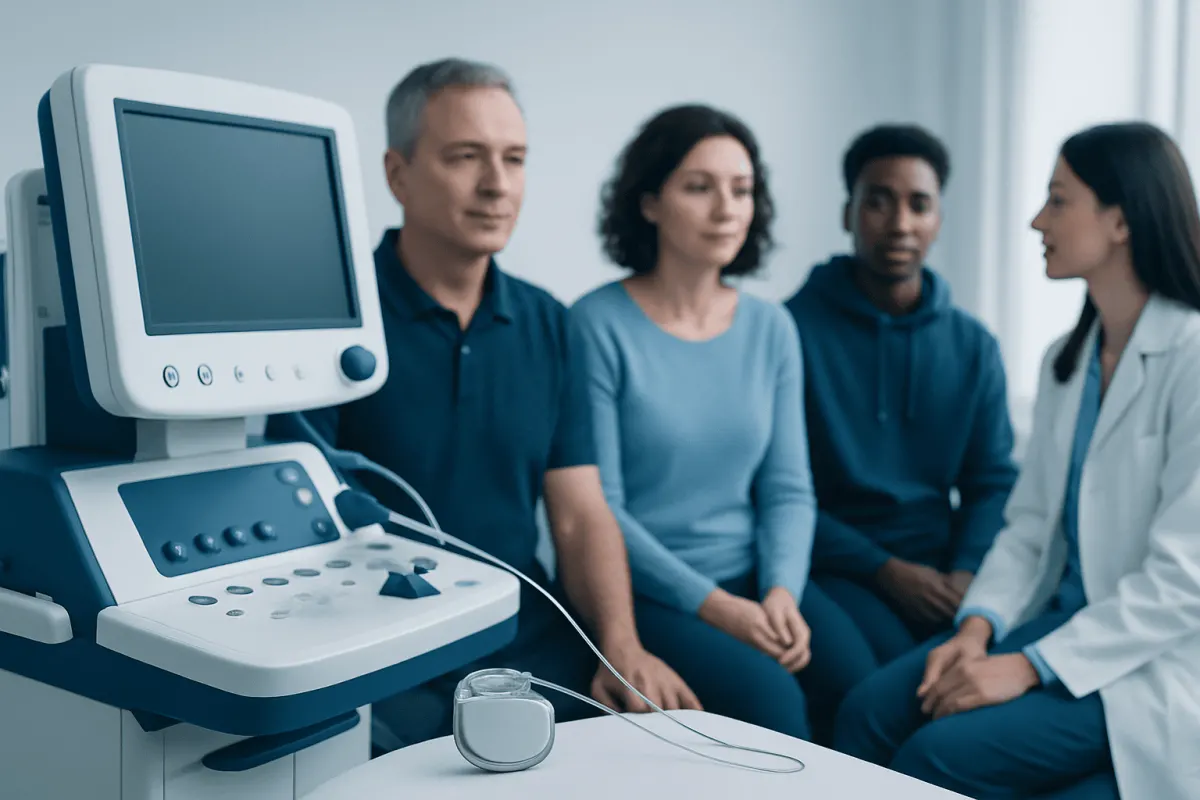
The best candidates are people with symptoms that are persistent, significantly affect daily life, and have not improved enough with less invasive treatments. A specialist team usually assesses symptom type, diagnosis, general health, goals of treatment, and whether the person is likely to benefit from long-term device use and follow-up.
These devices may be used in selected patients with chronic neuropathic pain, failed back surgery syndrome, certain Neurology Evaluation" class="ahp-ilk">movement disorders such as Parkinson’s disease or dystonia, medication-resistant epilepsy, overactive bladder, urinary retention, or bowel dysfunction related to nerve signaling problems. They may also be considered for some headache disorders or peripheral nerve pain in carefully chosen cases.
The potential benefits can include fewer symptoms, better physical function, improved sleep, and reduced reliance on some medicines. For example, people with chronic pain may be able to sit, walk, or perform daily tasks more comfortably, while people with movement disorders may notice better control of tremor or stiffness.
Still, benefit is not the same as cure. A neurostimulator is generally intended to reduce symptom burden, not remove the underlying disease. Expectations should be realistic, and the decision to proceed should be based on an informed discussion of likely gains, limitations, and alternatives.
Types of Devices and How They Work
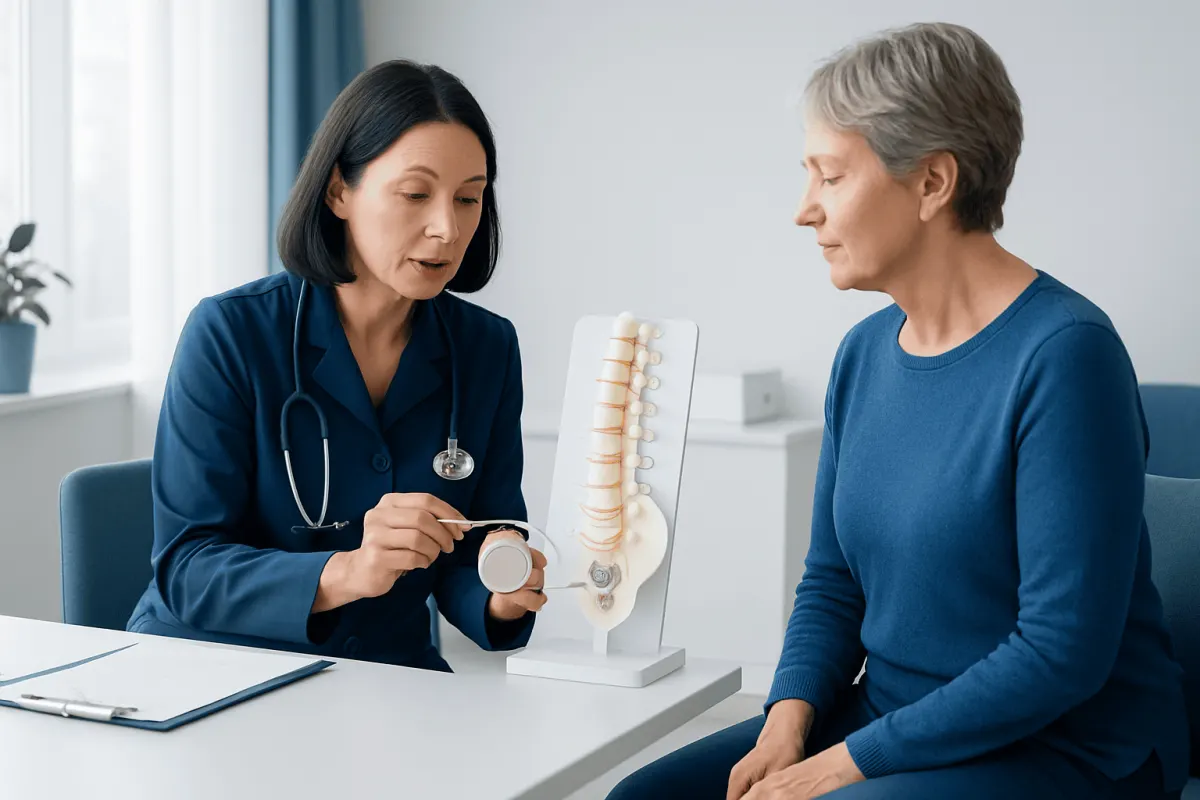
Neurostimulator systems usually include thin wires called leads or electrodes and a pulse generator, which is the battery-powered device that creates electrical signals. Depending on the type, the generator may be placed under the skin in the chest, abdomen, buttock, or another area. The settings can be adjusted from outside the body using a programmer.
Spinal cord stimulation is commonly used for certain chronic pain conditions. It sends signals to the spinal cord to modify how pain signals are processed. Deep brain stimulation is used for selected neurological conditions and involves electrodes placed in specific brain targets with a generator typically implanted in the chest. Vagus nerve stimulation affects signaling through the vagus nerve and may be used in some cases of epilepsy or depression. Sacral and peripheral nerve stimulators target nerves involved in bladder, bowel, or localized pain symptoms.
The exact mechanism is complex and can differ by device and condition. In general, stimulation may interrupt abnormal signaling, change how the brain perceives symptoms, or improve communication within neural circuits. The settings are personalized and may need multiple adjustments over time to achieve the best balance of symptom control and side effects.
Some devices use rechargeable batteries, while others use non-rechargeable systems that need replacement after several years. Battery life depends on the device model and how much stimulation is needed. This is one reason why long-term planning and regular follow-up matter.
Benefits, Limitations, and Possible Risks
The main benefit of implanted neurostimulator devices is symptom improvement in people who have limited relief from other options. For some, this can mean better mobility, sleep, concentration, or independence. In certain situations, neuromodulation may also help reduce the need for symptom-relief medicines, which can be important when medications cause drowsiness or other side effects.
However, results vary. Some patients have substantial improvement, some have partial relief, and some do not respond enough to justify continued use. Benefit may also change over time, which is why ongoing programming and reassessment are important. A successful outcome often depends on careful patient selection, skilled implantation, and active participation in follow-up care.
Risks include those related to surgery and anesthesia as well as device-specific problems. Possible complications can include infection, bleeding, pain at the implant site, lead movement, hardware malfunction, battery depletion, skin irritation, or loss of effect. Depending on the device type and placement, there may also be stimulation-related side effects such as uncomfortable tingling, muscle pulling, voice changes, balance issues, or mood or speech changes.
There are also practical limitations. Some devices may affect MRI access or require special imaging precautions, although newer systems may be MRI-conditional under defined conditions. Security systems, certain medical procedures, and strong electromagnetic fields may also require caution. Patients should carry device identification and inform healthcare providers before imaging or surgery.
Evaluation, Implantation, and Diagnosis of Problems
Before implantation, specialists usually confirm the diagnosis, review prior treatments, and make sure symptoms are suited to neuromodulation. This process may involve neurological examination, pain assessment, imaging, medication review, psychological evaluation in selected cases, and discussion of treatment goals. For some pain conditions, a temporary test stimulation may help predict whether a permanent device is worthwhile.
The implantation procedure depends on the device type. Some systems can be placed in stages, while others require more than one procedure. After the implant, the device is programmed and gradually adjusted. It can take time to find the most helpful settings, and this period is a normal part of treatment rather than a sign that the therapy has failed.
If symptoms return or the device seems less effective, the team may check for several possible causes. The issue may relate to battery life, lead movement, changed disease symptoms, scar tissue, or settings that need refinement. Imaging or device interrogation may be used to investigate, and in some cases revision surgery is needed.
Patients being evaluated for advanced symptom control may also discuss related treatment pathways such as deep brain stimulation, spinal cord stimulation, or vagus nerve stimulation when these are appropriate to the diagnosis and symptom pattern.
Follow-Up Care and Daily Living with a Device
Follow-up care is one of the most important parts of successful neurostimulator treatment. After surgery, appointments are used to check wound healing, review symptoms, adjust device settings, and answer practical questions. Over the months and years that follow, ongoing visits help maintain benefit and identify problems early.
Patients are usually taught how to use a handheld controller if their system includes one, how to charge a rechargeable generator if needed, and what activities may need temporary restriction while healing. They should know how to recognize signs of infection, how to protect the implant area from trauma, and when to contact their doctor if stimulation feels unusual or symptoms suddenly change.
Daily life often becomes easier once healing is complete, but routines may need small adjustments. Patients should keep a record of symptom response, medication changes, and any side effects, because this information helps the clinical team fine-tune the therapy. Travel is often possible, though airport screening and medical identification should be planned in advance.
For people receiving care across borders, coordinated aftercare is especially helpful. Near the end of the treatment journey, some international patients choose centers such as Acıbadem Health Point, where multidisciplinary specialists in JCI-accredited hospitals evaluate implanted neurostimulator devices and organize treatment and follow-up planning.
Self-Care, Safety, and When to See a Doctor
Self-care begins with following the postoperative plan closely. This may include keeping the incision area clean and dry, avoiding strenuous movement for a period recommended by the surgeon, taking prescribed medicines as directed, and attending all scheduled programming visits. Good communication with the care team can help prevent minor concerns from becoming bigger problems.
Patients should ask about device safety in everyday situations. Important topics include driving, exercise, sports, bathing, sexual activity, sleeping positions during recovery, work demands, and future imaging or surgeries. It is also wise to tell dentists, emergency clinicians, and any new specialist about the device before treatment.
A doctor should be contacted promptly for fever, redness, swelling, drainage from the wound, severe or worsening pain, sudden loss of benefit, unusual shocks, new weakness, fainting, or major changes in speech, balance, mood, or bladder function. These symptoms do not always mean a serious complication, but they deserve timely review.
People living with conditions sometimes treated by neuromodulation may also benefit from learning more about related disorders such as Parkinson’s disease or epilepsy when those diagnoses are part of their care plan. Education helps patients take an active role in treatment decisions and long-term follow-up.
Frequently asked questions
01What is an implanted neurostimulator device?
An implanted neurostimulator device is a medical system that sends controlled electrical signals to nerves, the spinal cord, or certain brain areas. It is used to help manage symptoms caused by abnormal nerve signaling, such as chronic pain, tremor, seizures, or bladder problems.
02Do neurostimulator devices cure the underlying condition?
Usually, no. These devices are designed to reduce symptoms and improve function, rather than cure the disease itself. Many patients still need other treatments, such as medication, rehabilitation, or regular specialist follow-up.
03How long does it take to know whether the device is working?
This depends on the condition and the type of device. Some people notice improvement soon after activation, while others need several programming sessions over weeks or months to find the best settings. A gradual adjustment period is common.
04Are implanted neurostimulator devices safe?
They are widely used in selected patients, but like any implanted medical device, they carry risks. Possible problems include infection, discomfort, lead movement, battery issues, or stimulation-related side effects. Careful patient selection and regular follow-up help improve safety.
05Can a person have an MRI with a neurostimulator?
Sometimes, but it depends on the device model and the exact MRI conditions. Some systems are MRI-conditional, meaning scans may be possible only under specific safety rules. Patients should always inform the imaging team about their implant before any scan.
06What follow-up care is needed after implantation?
Follow-up usually includes wound checks, device programming, symptom review, and battery monitoring. Over time, visits help adjust the treatment if symptoms change and allow the team to detect any hardware or healing issues early.
This article is for general information only and is not a substitute for professional medical advice. Please consult a qualified doctor about your individual situation.
Joint and spine care in Turkey — expert assessment & treatment
JCI-accredited · board-certified surgeons · reply within 24h
Add us as a Preferred Source to see more of our trusted health content across Google Search, AI Overviews and Discover.