Brain Disorders: Symptoms, Causes, and Care
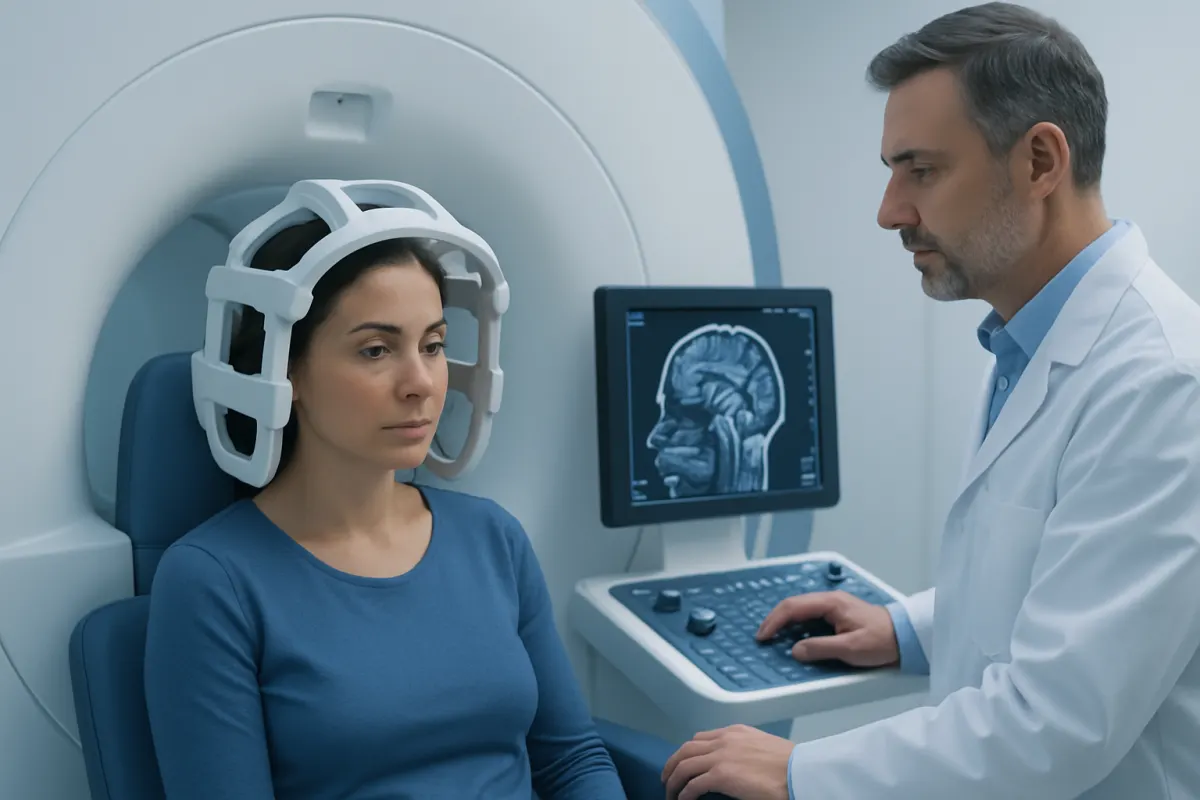
Brain disorders are a broad group of conditions that affect how the brain works. Their effects vary widely, but early evaluation of new or changing neurological symptoms can help identify the cause and guide appropriate care.
Overview: what are brain disorders?
Brain disorders are conditions that change the structure, function, or chemical activity of the brain. Because the brain controls movement, language, memory, emotions, sensation, vision, balance, sleep, and many automatic body functions, symptoms can differ greatly from one person to another. Some brain disorders begin suddenly, while others develop gradually over months or years.
The term is broad rather than a single diagnosis. It includes vascular conditions such as stroke, seizure disorders such as epilepsy, infections affecting the brain, After the Initial Recovery" class="ahp-ilk">traumatic brain injury, neurodegenerative conditions, brain tumors, inflammatory disorders, and some developmental or genetic conditions. Mental health conditions may also involve brain function, but they are assessed through a distinct clinical framework that considers emotional, behavioral, social, and biological factors.
Having a symptom that involves the nervous system does not necessarily mean a serious brain disorder is present. Headaches, dizziness, forgetfulness, tingling, and fatigue are common and can have many possible causes. A clinician can assess the pattern, timing, associated symptoms, medical history, and examination findings to determine whether testing or specialist care is needed.
How brain disorders can affect daily life
Brain disorders may affect one function or several at the same time. Symptoms can be temporary, episodic, progressive, or stable depending on the underlying condition. For example, a migraine can cause recurring attacks of head pain and sensory sensitivity, while a stroke typically causes sudden neurological changes. Conditions such as Parkinson’s disease or dementia often progress more gradually.
Possible symptoms include:
- Headache that is new, persistent, severe, or changing in pattern
- Weakness, numbness, tremor, stiffness, poor coordination, or difficulty walking
- Speech, language, swallowing, hearing, or vision changes
- Seizures, blackouts, fainting, confusion, or altered awareness
- Problems with memory, attention, planning, judgment, or personality
- Vertigo, imbalance, nausea, or unexplained falls
- Changes in sleep, energy, mood, or behavior alongside other neurological symptoms
The impact on everyday life can range from mild inconvenience to a need for ongoing support. Symptoms may affect work, driving, communication, relationships, mobility, and independence. Occupational therapy, physiotherapy, speech and language therapy, neuropsychological support, and practical adjustments at home or work can be important parts of care, alongside medical treatment.
Main types, causes and risk factors
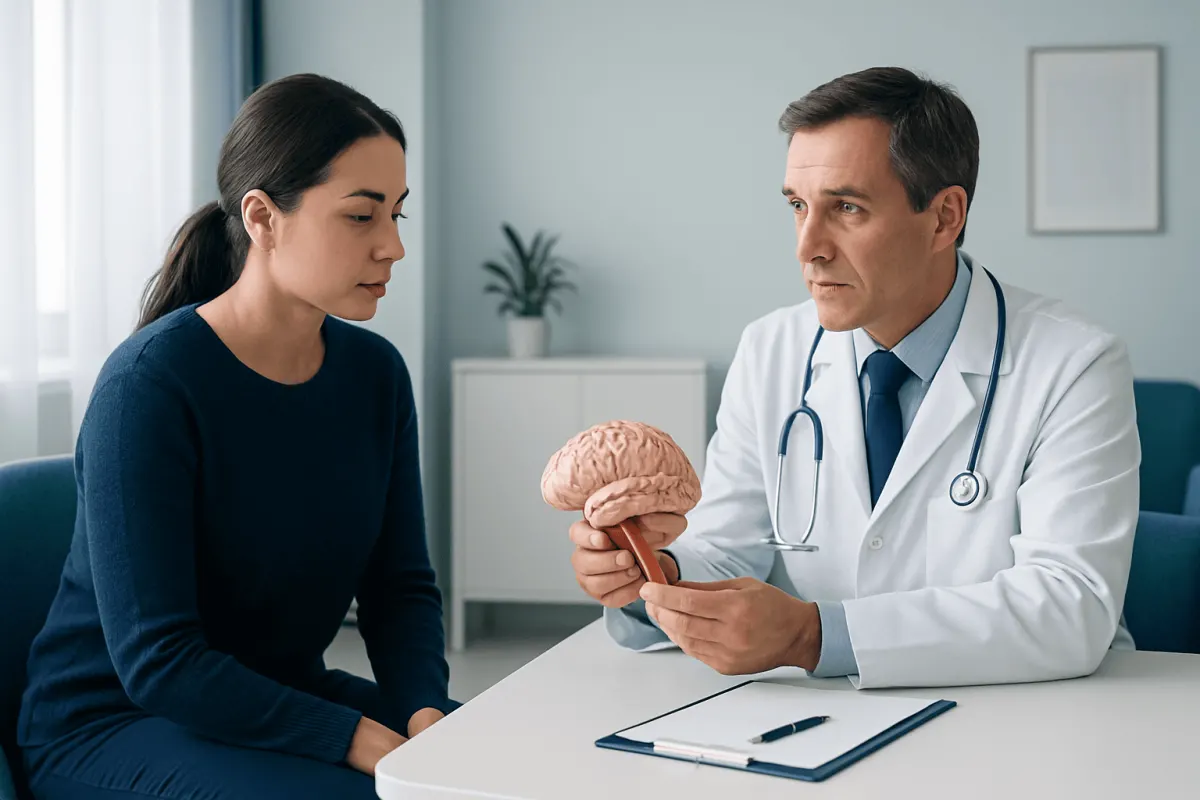
Brain disorders have many different causes. Vascular disorders occur when blood flow to part of the brain is blocked or when a blood vessel bleeds. This includes stroke and transient ischemic attack, sometimes called a mini-stroke. High blood pressure, diabetes, smoking, high cholesterol, atrial fibrillation, and other cardiovascular conditions can increase the risk of vascular brain disease.
Other conditions result from abnormal electrical activity in the brain, such as epilepsy; inflammation or autoimmunity, as can occur in multiple sclerosis or autoimmune encephalitis; or infection, including meningitis and encephalitis. Brain injury may follow a fall, road traffic collision, sport-related impact, or other trauma. Tumors may be benign or cancerous, and their effects depend on their location, size, and rate of growth.
Neurodegenerative disorders involve a gradual loss of nerve cell function. Examples include Alzheimer’s disease, Parkinson’s disease, and other causes of cognitive or movement changes. Genetics can contribute to some neurological conditions, although a family history does not mean a person will certainly develop a disorder. Age, environmental exposures, long-term alcohol or substance use, untreated sleep disorders, and certain infections may also influence risk in specific situations.
Some causes cannot be prevented, and many occur without a clear reason. This is why symptoms should not be blamed on stress, aging, or lifestyle alone without appropriate assessment. Understanding the cause is essential because treatment and outlook differ substantially among brain disorders.
How doctors assess and diagnose brain disorders
Diagnosis begins with a detailed history and neurological examination. A doctor may ask when symptoms started, whether they came on suddenly or gradually, how long they last, what makes them better or worse, and whether there has been injury, illness, medication changes, or a family history of neurological disease. The examination may assess strength, reflexes, sensation, eye movements, coordination, balance, speech, memory, and alertness.
Tests are selected based on the symptoms and suspected condition. Computed tomography (CT) can quickly identify bleeding, fractures, and some other urgent concerns. Magnetic resonance imaging (MRI) provides more detailed images of brain structures and is often used to investigate stroke, tumors, inflammation, or changes associated with neurodegenerative disease. In some cases, imaging of blood vessels may also be needed.
Additional tests may include blood tests, an electroencephalogram (EEG) to record brain electrical activity, nerve and muscle studies, cognitive testing, lumbar puncture to examine cerebrospinal fluid, or genetic testing. Not everyone needs all of these tests. A normal scan can also be reassuring, but it does not always exclude every neurological condition; clinicians interpret results together with the person’s symptoms and examination.
Referral to a neurologist, neurosurgeon, psychiatrist, rehabilitation specialist, or other clinician may be recommended. A clear diagnosis sometimes takes time, particularly when symptoms occur in episodes or overlap with more than one condition. Keeping a symptom diary can help document timing, triggers, duration, and recovery between episodes.
Treatment and ongoing support
Treatment for brain disorders is based on the diagnosis, symptom severity, general health, and personal goals. Some conditions need emergency care, such as stroke, meningitis, severe head injury, or ongoing seizures. Others are managed over time with medicines, lifestyle measures, rehabilitation, monitoring, psychological support, or combinations of these approaches.
Medication may help control seizures, reduce migraine attacks, manage movement symptoms, treat infection or inflammation, lower vascular risk, or support mood and sleep when appropriate. Procedures may be considered for certain tumors, blood vessel abnormalities, medication-resistant epilepsy, fluid buildup, or movement disorders. Surgery is recommended only after careful evaluation of its potential benefits, risks, and alternatives.
Rehabilitation can be central to recovery after stroke, brain injury, surgery, or a progressive neurological diagnosis. Physiotherapy may improve strength and balance; occupational therapy can support daily tasks and safe independence; and speech and language therapy may address communication or swallowing difficulties. Cognitive rehabilitation may help people develop strategies for memory, attention, and organization.
Care often works best when it is coordinated among several professionals. Family members and caregivers may also need education and support, especially when symptoms affect communication, memory, or safety. Treatment goals may include reducing symptoms, preventing complications, maintaining function, and improving quality of life rather than curing every condition completely.
Protecting brain health and living well
Not all brain disorders can be prevented, but several steps support brain and blood vessel health. Managing blood pressure, blood sugar, cholesterol, and heart rhythm conditions can reduce the risk of stroke and related vascular disease. Avoiding tobacco, limiting alcohol, and seeking help for substance use can also protect neurological health.
Regular physical activity, a balanced eating pattern, sufficient sleep, social connection, and mentally engaging activities can support overall health and may benefit brain function. Safety measures matter as well: wearing seat belts and helmets where appropriate, reducing fall hazards, and following workplace safety guidance can lower the risk of traumatic brain injury.
People with a diagnosed brain disorder should take medicines as prescribed and attend follow-up appointments. They should discuss any complementary therapies, supplements, or major lifestyle changes with their healthcare professional, since some products can interact with medicines or worsen symptoms. Keeping an updated list of medicines, diagnoses, allergies, and emergency contacts is practical, particularly for people with seizures or complex medical needs.
Acıbadem Health Point’s multidisciplinary specialists and JCI-accredited hospitals diagnose and treat neurological conditions for international patients, with care plans tailored to the individual diagnosis and support needs.
When to seek medical care
Emergency medical care is needed for sudden symptoms that could indicate a stroke or another serious neurological event. These include sudden weakness or numbness of the face, arm, or leg, particularly on one side; sudden trouble speaking or understanding speech; sudden vision loss; sudden severe imbalance; or a sudden, unusually intense headache. It is important not to drive oneself to hospital when these symptoms occur; emergency services should be contacted promptly.
Urgent assessment is also appropriate after a seizure lasting more than a few minutes, repeated seizures without full recovery, a first seizure, loss of consciousness, a significant head injury, fever with stiff neck or confusion, or a rapidly worsening headache. New confusion, severe drowsiness, persistent vomiting after head injury, or changes in behavior accompanied by neurological symptoms should also be assessed without delay.
A routine medical appointment is appropriate for recurring headaches, increasing forgetfulness, tremor, balance changes, persistent numbness, changes in sleep or behavior, or symptoms that interfere with daily activities. Early discussion is especially valuable when a symptom is new, worsening, or different from a person’s usual pattern. A clinician can help distinguish common, treatable causes from conditions needing specialist investigation.
Frequently asked questions
01What is considered a brain disorder?
A brain disorder is any condition that affects the brain’s structure, blood supply, electrical activity, immune function, or ability to process information. Examples include stroke, epilepsy, migraine, brain injury, infections, tumors, and neurodegenerative conditions. The term describes a broad category, not one specific disease.
02What are the first signs of a brain disorder?
Early signs depend on the condition but may include persistent or changing headaches, weakness, numbness, tremor, balance problems, seizures, memory changes, or changes in speech or vision. Symptoms that start suddenly, especially one-sided weakness or speech difficulty, need emergency evaluation. Gradual symptoms should still be discussed with a doctor if they persist or worsen.
03Can stress cause neurological symptoms?
Stress can contribute to symptoms such as headaches, poor sleep, dizziness, concentration difficulties, muscle tension, and fatigue. However, new or concerning neurological symptoms should not automatically be attributed to stress. A healthcare professional can assess whether another medical or neurological cause needs to be considered.
04Can brain disorders be cured?
Some brain disorders can be cured or resolved, particularly certain infections, treatable structural problems, or symptoms caused by reversible metabolic conditions. Others are long-term conditions that can often be controlled or managed effectively with medicines, rehabilitation, lifestyle adjustments, and regular follow-up. The outlook depends on the specific diagnosis and how early treatment begins when urgent care is needed.
05Which tests can check brain function?
A neurological examination is the first way doctors assess brain function. Depending on symptoms, they may use MRI or CT scans, EEG testing, blood tests, cognitive assessments, or a lumbar puncture. The right test depends on the suspected cause, and not every person needs imaging.
06When should a headache be checked by a doctor?
A headache should be assessed urgently if it is sudden and severe, follows a head injury, occurs with fever and stiff neck, or is accompanied by weakness, confusion, seizures, fainting, or vision or speech changes. A non-urgent appointment is sensible for headaches that are new after age 50, becoming more frequent, changing in character, or interfering with daily life. Most headaches are not caused by a serious brain condition, but changes in pattern deserve medical advice.
This article is for general information only and is not a substitute for professional medical advice. Please consult a qualified doctor about your individual situation.
Explore treatments in Turkey — costs, top hospitals & a free quote
JCI-accredited · board-certified surgeons · reply within 24h
Add us as a Preferred Source to see more of our trusted health content across Google Search, AI Overviews and Discover.