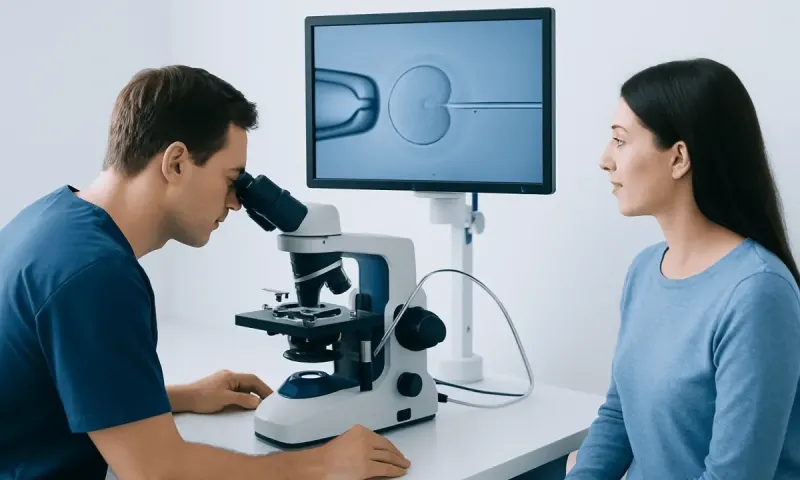
ICSI Before and After: Factors That Shape Results

ICSI before and after experiences are best understood as a sequence of clinical milestones rather than an immediate result: ovarian stimulation, egg collection, sperm injection, embryo development, transfer, and a pregnancy test. Outcomes differ substantially between individuals, so fertility teams use each stage to provide clearer, personalised expectations for the next step.
ICSI Before and After: What Changes to Expect
ICSI before and after usually refers to the changes seen across an assisted reproduction cycle, from fertility assessment through egg retrieval, embryo development, embryo transfer, and pregnancy testing. ICSI, or intracytoplasmic sperm injection, is a form of IVF in which an embryologist injects one selected sperm directly into a mature egg in the laboratory.
The most realistic expectation is that ICSI improves the chance of fertilisation when sperm-related barriers are present; it does not remove every factor that affects pregnancy. Not every collected egg is mature, not every mature egg fertilises, and not every fertilised egg develops into an embryo suitable for transfer or freezing. Even after an embryo transfer, implantation is not guaranteed.
“After” can therefore mean different things for different people: confirmation of fertilisation the next day, an embryo reaching the blastocyst stage, a completed embryo transfer, a positive pregnancy test, or an ongoing pregnancy. A fertility team interprets each milestone in the context of age, ovarian response, sperm assessment, embryo development, and medical history.
For a full explanation of the procedure and how it fits within IVF care, patients can review intracytoplasmic sperm injection (ICSI) treatment.
How ICSI Works and Who May Be a Candidate
In natural conception, sperm must travel through the reproductive tract, bind to the outer layer of the egg, and enter it. With ICSI, an embryologist uses specialised laboratory equipment to place a single sperm inside a mature egg. The injected eggs are then cultured and monitored for signs of fertilisation and early embryo development.
ICSI is commonly considered when semen testing shows a very low sperm count, reduced movement, abnormal shape, or a high level of difficulty with sperm reaching or entering the egg. It may also be used after a previous IVF cycle with low or absent fertilisation, when frozen eggs are being used, or when sperm need to be retrieved directly from the testicle or epididymis.
It is not automatically necessary for every person having IVF. For some couples without male-factor infertility or a history of fertilisation failure, conventional IVF may be appropriate. The choice depends on the clinical situation, laboratory assessment, and the couple’s preferences after discussion with a reproductive medicine specialist.
Before treatment, testing commonly includes an assessment of ovarian reserve, pelvic ultrasound, hormone tests where relevant, semen analysis, screening for infections, and review of reproductive and medical history. Some people may also need evaluation for conditions that affect the uterus, fallopian tubes, ovulation, or sperm production.
The ICSI Process: Step by Step

An ICSI cycle begins with planning. The fertility team reviews test results, explains the medication protocol, and sets out monitoring appointments. Medications are used to encourage several follicles to develop in the ovaries, allowing more than one egg to be collected during the cycle.
During stimulation, ultrasound scans and blood tests may be used to follow follicle growth and hormone changes. When the follicles are suitably developed, a final maturation injection is given at a carefully timed point. Egg retrieval is usually performed about 34 to 36 hours later, commonly with sedation or anaesthesia.
On the day of egg retrieval, a semen sample is usually provided, or previously frozen or surgically retrieved sperm may be prepared. In the laboratory, mature eggs are identified and each appropriate egg is injected with one sperm. The following day, the embryology team checks whether normal fertilisation has occurred.
Embryos are cultured for several days. Depending on the treatment plan, an embryo may be transferred in the same cycle or frozen for transfer later. If transfer is planned, medications may be used to prepare or support the uterine lining. A blood pregnancy test is generally performed around 9 to 14 days after transfer, according to the clinic’s protocol.
Before and After Timeline: Recovery and Waiting Periods
Before egg retrieval, people may notice abdominal fullness, bloating, mood changes, tiredness, or mild injection-site discomfort related to fertility medications. These effects are often temporary, but any severe or worsening symptoms should be reported promptly to the care team.
After egg retrieval, mild cramping, spotting, pelvic tenderness, and bloating can occur for a few days. Many people return to gentle daily activities within one or two days, although individual recovery differs. The team may advise avoiding strenuous exercise, sexual intercourse, and heavy lifting for a short period, particularly while the ovaries remain enlarged.
The laboratory timeline can feel emotionally intense. Fertilisation information is typically available the day after ICSI, but embryo development continues over the following days. A result that appears encouraging at one stage may still change later, because embryos vary in their ability to keep developing.
After an embryo transfer, normal activities are generally possible unless the clinical team advises otherwise. Resting in bed does not improve implantation. The two-week wait before testing can be difficult, and people may find it helpful to limit early home testing, ask for support from trusted people, and contact the fertility clinic with questions or concerns.
Realistic Results: Understanding Each Outcome
ICSI can overcome the specific step of sperm entering the egg, which is why it may be useful in male-factor infertility. However, the procedure cannot fully correct problems related to egg quality, chromosome differences in embryos, impaired embryo development, uterine conditions, or other health factors that may influence implantation and pregnancy.
A realistic review of results considers a chain of outcomes: number of follicles, eggs retrieved, mature eggs, normally fertilised eggs, embryos that continue to develop, embryos available for transfer or freezing, and pregnancy outcomes. Each stage naturally narrows the number of potential embryos, and this does not necessarily mean that treatment was performed incorrectly.
For example, one patient may collect several eggs but have only a small number mature enough for injection. Another may have normal fertilisation but no embryos that reach the stage selected for transfer. A third may have a good-quality embryo transferred but receive a negative pregnancy test. These are different clinical situations and may lead to different next-step recommendations.
Age is an important influence on egg and embryo quality, but it is not the only one. The cause and duration of infertility, ovarian reserve, sperm health, lifestyle factors, uterine findings, prior pregnancies, and previous treatment response all matter. A clinic should discuss an individual prognosis with care and avoid presenting one outcome as certain.
- Fertilisation confirms that the injected egg has begun normal early development.
- Embryo quality grading describes appearance and developmental progress; it cannot guarantee implantation.
- A positive pregnancy test shows early hormone production but does not by itself confirm an ongoing pregnancy.
- An ultrasound scan is needed later to confirm the location and progression of a pregnancy.
Benefits, Risks, and Ways to Support Treatment
The principal benefit of ICSI is that it can enable fertilisation in situations where sperm may otherwise be unable to fertilise an egg through conventional IVF. It can also be valuable when only a limited number of sperm are available. For some individuals and couples, this creates a path to using their own eggs and sperm that may not otherwise be possible.
ICSI carries the same major treatment-related considerations as IVF, including medication side effects, discomfort from egg retrieval, multiple pregnancy if more than one embryo is transferred, and the possibility that no pregnancy occurs. Ovarian hyperstimulation syndrome is uncommon with careful monitoring but can become serious; its risk and prevention should be discussed before treatment. Egg retrieval also has uncommon procedural risks such as bleeding, infection, or injury to nearby structures.
There is also a risk that eggs will not fertilise, embryos will not develop as hoped, or no embryo will implant. Some causes of severe male infertility may have genetic implications, so genetic counselling or testing may be appropriate for selected patients. The fertility specialist can explain which tests may be relevant based on the individual sperm diagnosis and family history.
Supportive steps include taking medicines exactly as prescribed, attending monitoring visits, avoiding smoking and recreational drugs, limiting alcohol as advised, and discussing all supplements and medicines with the clinical team. A balanced diet, regular gentle activity, sleep, and psychological support can support overall wellbeing, although they cannot guarantee a particular ICSI outcome.
When to Seek Medical Care
Anyone considering ICSI should arrange an appointment with a fertility specialist if pregnancy has not occurred after 12 months of regular unprotected intercourse, or after 6 months when the female partner is aged 35 or older. Earlier assessment is sensible when periods are absent or very irregular, there is known endometriosis, previous pelvic infection or surgery, recurrent miscarriage, prior cancer treatment, or a known sperm-related concern.
During an ICSI cycle, the clinic should be contacted urgently for severe or increasing abdominal pain, marked swelling or rapid weight gain, persistent vomiting, shortness of breath, fainting, heavy bleeding, fever, or reduced urination. These symptoms are uncommon but may need prompt assessment, particularly after ovarian stimulation or egg retrieval.
Emotional care is also medical care. Persistent low mood, anxiety, sleep disruption, relationship strain, or feeling unable to cope during fertility treatment are important reasons to ask for support. Counselling, fertility support groups, and mental health professionals can help individuals and couples manage uncertainty and decision-making.
Acıbadem Health Point’s multidisciplinary fertility specialists and JCI-accredited hospitals diagnose and treat infertility for international patients, with care plans based on individual clinical findings and goals.
Frequently asked questions
01What does ICSI before and after mean?
It describes the journey from assessment and preparation through egg collection, sperm injection, embryo development, transfer, and pregnancy testing. The “after” result may be fertilisation, embryos available for transfer, a pregnancy, or a live birth, so it is important to clarify which outcome is being discussed.
02How soon are ICSI fertilisation results known?
The embryology team generally checks injected eggs the day after the procedure for signs of normal fertilisation. Embryos are then observed over the next several days to assess whether they continue developing.
03Is ICSI more successful than conventional IVF?
ICSI is especially helpful when there is a significant sperm-related reason that conventional fertilisation may be difficult. It does not necessarily improve outcomes for every infertility diagnosis, because pregnancy also depends on egg quality, embryo development, uterine factors, and other considerations.
04How long does recovery take after ICSI egg retrieval?
Mild cramping, bloating, spotting, and tiredness may occur for a few days after egg retrieval. Many people resume gentle daily routines within one or two days, but the clinic’s individual instructions should be followed.
05Can ICSI guarantee pregnancy?
No. ICSI may help an egg fertilise, but it cannot guarantee embryo development, implantation, pregnancy, or live birth. A fertility specialist can provide an individual estimate based on relevant clinical factors and previous treatment results.
06Are there activities to avoid after embryo transfer?
Most people can continue normal, gentle activities after transfer. The care team may advise avoiding strenuous exercise and following medication instructions, but strict bed rest is not usually recommended because it has not been shown to improve implantation.
This article is for general information only and is not a substitute for professional medical advice. Please consult a qualified doctor about your individual situation.
IVF & fertility treatment in Turkey — success rates and costs
JCI-accredited · board-certified surgeons · reply within 24h
Add us as a Preferred Source to see more of our trusted health content across Google Search, AI Overviews and Discover.