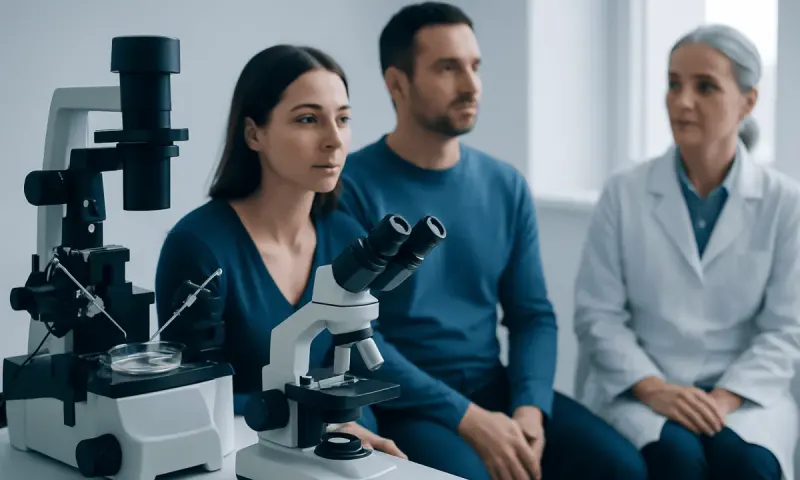
Best At-Home Fertility Test: What Results Can Show
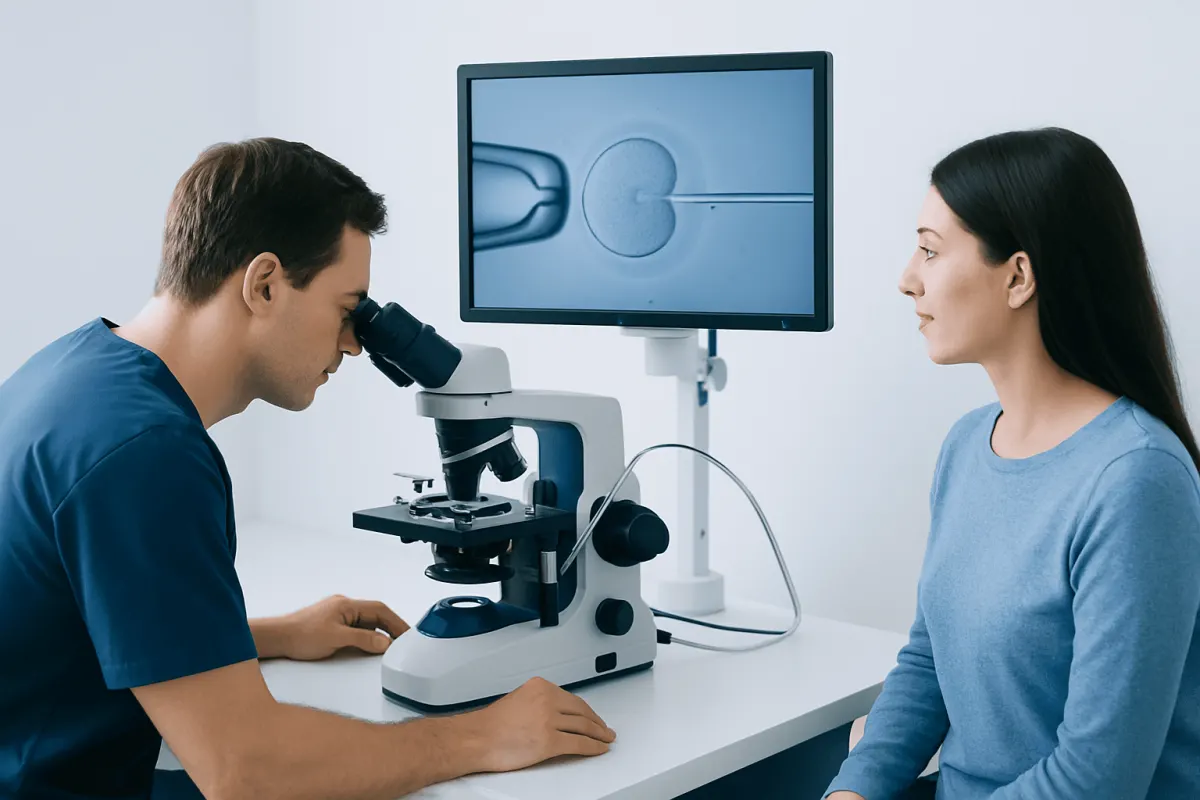
The best at home fertility test is not necessarily the one that gives the most results; it is one that measures a relevant marker accurately, provides clear instructions, and explains when medical follow-up is needed. Home tests can offer useful screening information, but they cannot confirm fertility or identify every cause of difficulty conceiving.
Choosing the Best at Home Fertility Test Safely
The best at home fertility test depends on the question being asked. A person tracking whether ovulation may be approaching needs a different test from a couple seeking an initial sperm screening or someone considering an ovarian-reserve-related hormone test. No single home kit can determine whether a person or couple is fertile.
Before choosing a test, it is helpful to look for transparent information about the marker measured, sample collection instructions, laboratory standards when a sample is mailed, privacy practices, and guidance on what to do with an abnormal or unclear result. A test should not claim to diagnose infertility, guarantee pregnancy, or replace a medical assessment.
For couples, the most practical approach is often to consider both partners rather than placing the focus on one person. Difficulty conceiving can relate to ovulation, sperm, fallopian tubes, the uterus, age, timing of intercourse, medical conditions, or factors that are not detectable through home testing.
What Home Fertility Tests Can and Cannot Tell You
At-home fertility products generally fall into several groups. Urine ovulation predictor kits detect a rise in luteinizing hormone (LH), which often occurs before ovulation. Hormone tests may use urine, saliva, finger-prick blood, or a mailed blood sample to assess selected hormones. Semen tests may estimate sperm concentration, motility, or both.
These results can be useful as a starting point. For example, an LH test can help identify a likely fertile window, while a sperm test may show whether a measured parameter appears lower than the test’s reference range. However, normal results do not prove that pregnancy will occur, and an abnormal result does not always mean permanent infertility.
Home kits cannot reliably assess many important contributors to conception, including blocked fallopian tubes, endometriosis, uterine conditions, egg quality, all aspects of sperm function, genetic factors, or whether ovulation actually resulted in release of an egg. A clinician can put test results into context and arrange appropriate infertility evaluation when indicated.
How Reliable Are Home Fertility Tests?
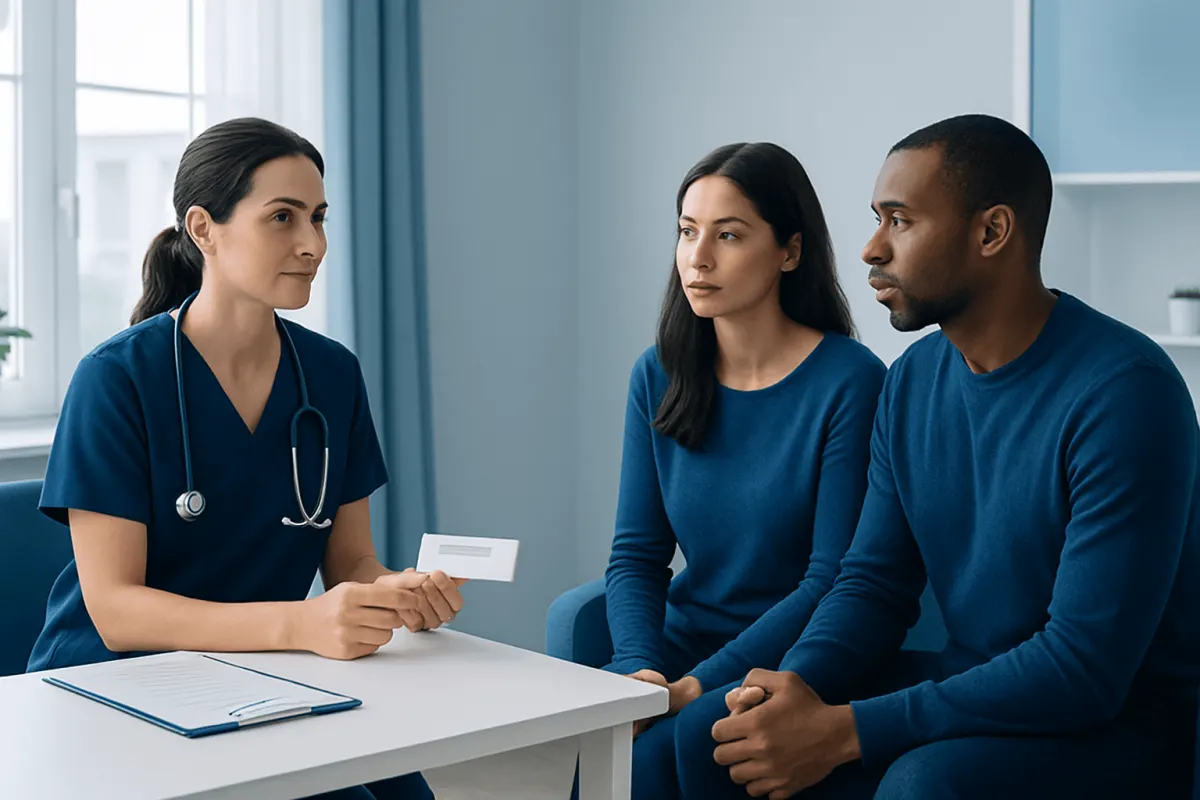
Home fertility tests can be reliable for the specific marker they are designed and validated to measure when they are used exactly as instructed. Reliability may be reduced by collecting a sample at the wrong time, using an expired kit, inadequate sample volume, medication effects, irregular cycles, shipping delays for mail-in samples, or interpreting a result outside its intended purpose.
Accuracy claims should be read carefully. A statement that a test is highly accurate may refer to agreement with another laboratory method for one hormone or sperm measure, not to its ability to predict natural conception. Tests also have different thresholds and may not be equally useful for every person.
For a best at home fertility test kit, useful signs of quality include clear limitations, a named laboratory for mail-in testing, clinician-reviewed results when offered, and regulatory information appropriate to the country where it is sold. People should avoid making major reproductive decisions based on one home result alone, especially if the result is unexpected.
Repeating a test may sometimes be appropriate, particularly for semen screening because sperm parameters naturally vary. A healthcare professional can advise whether repeat testing or a formal laboratory assessment is more suitable.
What Is the Best at Home Sperm Fertility Test?
The best at home sperm fertility test is one that answers the user’s specific screening need and clearly identifies what it measures. Some kits estimate sperm concentration only, while others assess concentration and motility. A test that measures more than one relevant parameter may provide broader screening information, but it still does not replace a full semen analysis performed by an accredited laboratory.
When comparing options, it is reasonable to check whether the product is intended for home use, whether it has appropriate regulatory clearance or authorization, how the sample must be collected, and whether the result includes understandable next steps. Mail-in semen testing may offer a more detailed assessment than an instant home test, depending on the laboratory and collection process.
A normal home sperm result cannot assess all factors that influence male fertility, such as sperm shape, semen volume, infection, obstruction, hormonal causes, DNA fragmentation, or sexual function. A low or borderline result should be discussed with a doctor, who may recommend a formal semen analysis and assessment for male infertility.
Because fertility is shared, a sperm test should not be viewed as a test of blame. For the best at home fertility test for couples, results are most helpful when they support timely, respectful medical care for both partners if pregnancy is not occurring.
Why 2.5 Days for Sperm Analysis?
Instructions for semen testing often ask for a period without ejaculation before sample collection. A recommendation of about 2.5 days is intended to balance two issues: very frequent ejaculation may temporarily lower semen volume or sperm concentration, while a prolonged abstinence period can affect motility and other semen characteristics.
For formal laboratory semen analysis, many clinical laboratories commonly recommend abstinence for a defined interval, often within a range of a few days, so results can be compared more consistently with reference standards. The exact recommendation varies by laboratory and test, so the collection instructions supplied by the service should always be followed.
Abstinence guidance applies to preparing a semen sample; it is not a general rule for trying to conceive. During the fertile window, regular intercourse every one to two days is commonly advised for many couples, unless a clinician recommends a different plan. If a sample is collected outside the requested window, it is important to tell the laboratory or clinician.
Which Fertility Tracker Is Most Accurate?
No fertility tracker is most accurate for every purpose. For predicting the approaching fertile window, urine LH tests are generally more direct than calendar-based apps because they measure a hormone surge rather than relying only on previous cycle dates. However, an LH surge suggests that ovulation may be near; it does not confirm that ovulation occurred.
Basal body temperature tracking can help identify a temperature shift that occurs after ovulation. It is more useful for confirming that ovulation likely happened than for predicting it in advance. Sleep disruption, illness, alcohol, travel, and inconsistent measurement times can make temperature patterns harder to interpret.
Wearable devices and smartphone apps may be convenient, but their accuracy depends on the data collected and the regularity of the menstrual cycle. Cervical mucus observations can also provide useful clues for some people. Combining a cycle history with LH testing and, when appropriate, clinical assessment is often more informative than relying on an app alone.
People with irregular periods, polycystic ovary syndrome, recent hormonal contraception use, perimenopause, or certain endocrine conditions may have results that are harder to interpret. In these situations, a clinician can help select appropriate ovulation testing and consider fertility treatment options if a fertility evaluation identifies a need.
Female Hormone Tests and Fertility Planning
A best at home fertility test female may refer to an ovulation predictor kit, a hormone panel, or a test marketed as an ovarian reserve assessment. These tools measure different things. LH testing is mainly used to identify a possible pre-ovulation surge, while blood tests for hormones such as anti-Müllerian hormone may provide information related to ovarian reserve.
Ovarian reserve is not the same as fertility and does not directly measure egg quality or predict whether an individual will conceive naturally in a particular month. Hormone levels can be influenced by age, timing in the menstrual cycle, medications, and laboratory methods. Results are most meaningful when interpreted alongside menstrual history, ultrasound findings when needed, and a clinician’s assessment.
People should seek professional advice before assuming that a hormone result means they must delay or urgently pursue treatment. A reproductive health specialist may recommend targeted blood testing, pelvic ultrasound, semen analysis, or other investigations based on the person’s history and goals.
Healthy lifestyle habits may support general reproductive health, including avoiding tobacco and recreational drugs, limiting alcohol, maintaining balanced nutrition, managing chronic conditions, and discussing medicines with a doctor. These steps cannot guarantee pregnancy, but they support overall wellbeing before and during pregnancy planning.
When to Seek Medical Care
Medical advice is recommended if pregnancy has not occurred after 12 months of regular unprotected intercourse for people under 35 years old, or after 6 months for those aged 35 or older. People aged 40 or older may benefit from seeking advice earlier. A consultation can also be appropriate sooner when there are irregular or absent periods, known pelvic or testicular conditions, previous pelvic infection or surgery, recurrent miscarriage, prior cancer treatment, or concerns about sexual function.
Urgent medical care is appropriate for severe pelvic or testicular pain, heavy bleeding, fever, fainting, or symptoms that could suggest an emergency. Home test results should not delay assessment when concerning symptoms are present.
A fertility consultation usually begins with a discussion of medical history, menstrual cycles, medications, prior pregnancies, lifestyle, and both partners’ health. Further testing is selected individually. Depending on the findings, options may include cycle guidance, treatment of an underlying condition, medications, surgery, or in vitro fertilization (IVF).
Acıbadem Health Point’s multidisciplinary specialists and JCI-accredited hospitals diagnose and treat fertility concerns for international patients. A qualified reproductive health team can help interpret home-test results in the context of each person’s circumstances.
Frequently asked questions
01Can an at-home fertility test diagnose infertility?
No. At-home tests can screen for selected hormones or semen measures, but infertility has many possible causes that cannot be assessed by a single home test. A medical evaluation may include history, examination, laboratory tests, imaging, and testing for both partners.
02Are home ovulation tests accurate?
Urine ovulation tests can accurately detect LH above the test's threshold when used correctly. An LH rise often occurs before ovulation, but it does not prove that ovulation occurred or guarantee that pregnancy is possible that cycle.
03Should both partners take a fertility test?
When a couple is having difficulty conceiving, considering both partners is important. Fertility factors can be present in either partner or in both, and a balanced assessment can reduce delays in finding appropriate care.
04What does a low sperm count result on a home test mean?
It means the measured sperm concentration may be below that test's reference range. Sperm results can vary over time and a home kit may assess only some semen parameters. A clinician may recommend a repeat sample or a formal laboratory semen analysis.
05Can an AMH home test tell someone if they can get pregnant?
No. AMH is one marker related to ovarian reserve, but it does not measure egg quality, confirm ovulation, or determine whether pregnancy will occur naturally. It is best interpreted by a qualified clinician alongside age, medical history, and other findings.
06How long should a couple try before seeing a fertility specialist?
People under 35 are commonly advised to seek assessment after 12 months of regular unprotected intercourse without pregnancy. Those aged 35 or older should generally seek advice after 6 months, and earlier consultation may be appropriate when there are known reproductive health concerns.
This article is for general information only and is not a substitute for professional medical advice. Please consult a qualified doctor about your individual situation.
IVF & fertility treatment in Turkey — success rates and costs
JCI-accredited · board-certified surgeons · reply within 24h
Add us as a Preferred Source to see more of our trusted health content across Google Search, AI Overviews and Discover.