Uterus Removal Surgery: What Recovery May Involve
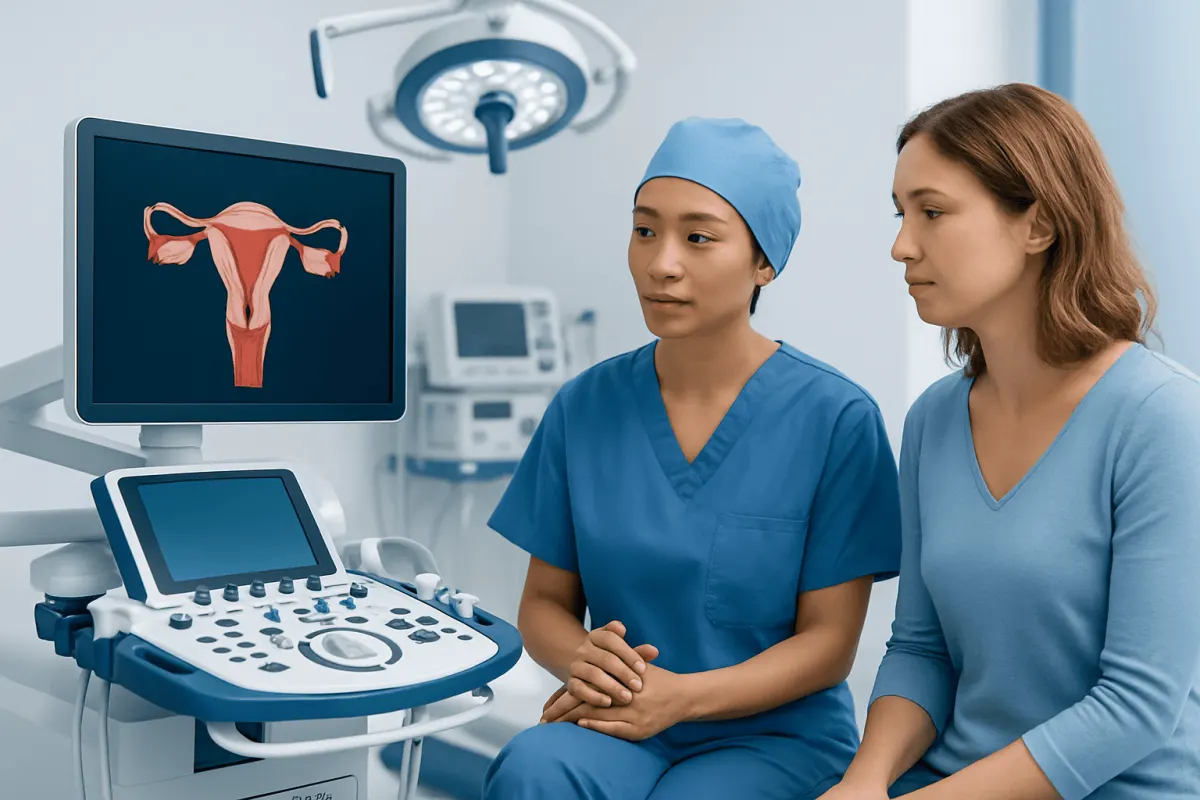
Uterus removal surgery, medically called a hysterectomy, is an operation that permanently removes the uterus and ends the ability to carry a pregnancy. It may be recommended for conditions such as fibroids, heavy bleeding, prolapse, endometriosis, chronic pelvic pain, or cancer when less invasive options are not appropriate or have not helped.
Overview: What Is Uterus Removal Surgery?
Uterus removal surgery is the common name for a hysterectomy. It permanently removes the uterus, also called the womb, so periods stop and pregnancy is no longer possible. For many people, the procedure can provide lasting relief from symptoms that have significantly affected daily life, such as severe bleeding, pressure from fibroids, or pain related to certain gynecologic conditions.
A hysterectomy may remove the uterus alone or include the cervix. The fallopian tubes are often removed at the same time, which is called salpingectomy. The ovaries may be left in place or removed, depending on age, medical history, cancer risk, the reason for surgery, and the person’s preferences.
This operation is considered when symptoms are severe, when medicines or less invasive procedures have not provided sufficient relief, or when surgery is needed to treat or stage cancer. The gynecologist should explain the expected benefits, alternatives, possible effects on hormones and sexual health, and the most suitable surgical route before a decision is made.
Who May Be a Candidate and How the Operation Is Planned
Common reasons for hysterectomy include large or symptomatic uterine fibroids, heavy menstrual bleeding that does not respond to treatment, uterine prolapse, adenomyosis, endometriosis, persistent pelvic pain, and gynecologic cancers. A hysterectomy is not the first treatment for every condition. Depending on the diagnosis, alternatives may include medication, hormonal treatment, an intrauterine device, myomectomy, endometrial ablation, embolization, or pelvic floor treatment.
Planning begins with a medical history, pelvic examination, and tests tailored to the concern. These can include ultrasound, blood tests, cervical screening, endometrial sampling, or imaging such as MRI. When cancer is suspected or diagnosed, the care team may include a gynecologic oncologist and discuss whether nearby tissues, lymph nodes, ovaries, or tubes need assessment or removal.
The route of surgery is selected individually. Vaginal hysterectomy is performed through the vagina and leaves no visible abdominal incision. Laparoscopic and robotic-assisted procedures use a camera and small abdominal incisions. Abdominal hysterectomy uses a larger incision and may be preferred when the uterus is very enlarged, scar tissue is extensive, or cancer treatment requires broader access.
- Total hysterectomy: removal of the uterus and cervix.
- Supracervical hysterectomy: removal of the upper uterus while leaving the cervix in place.
- Radical hysterectomy: removal of the uterus, cervix, and surrounding tissues for selected cancers.
How Uterus Removal Surgery Works: Step by Step
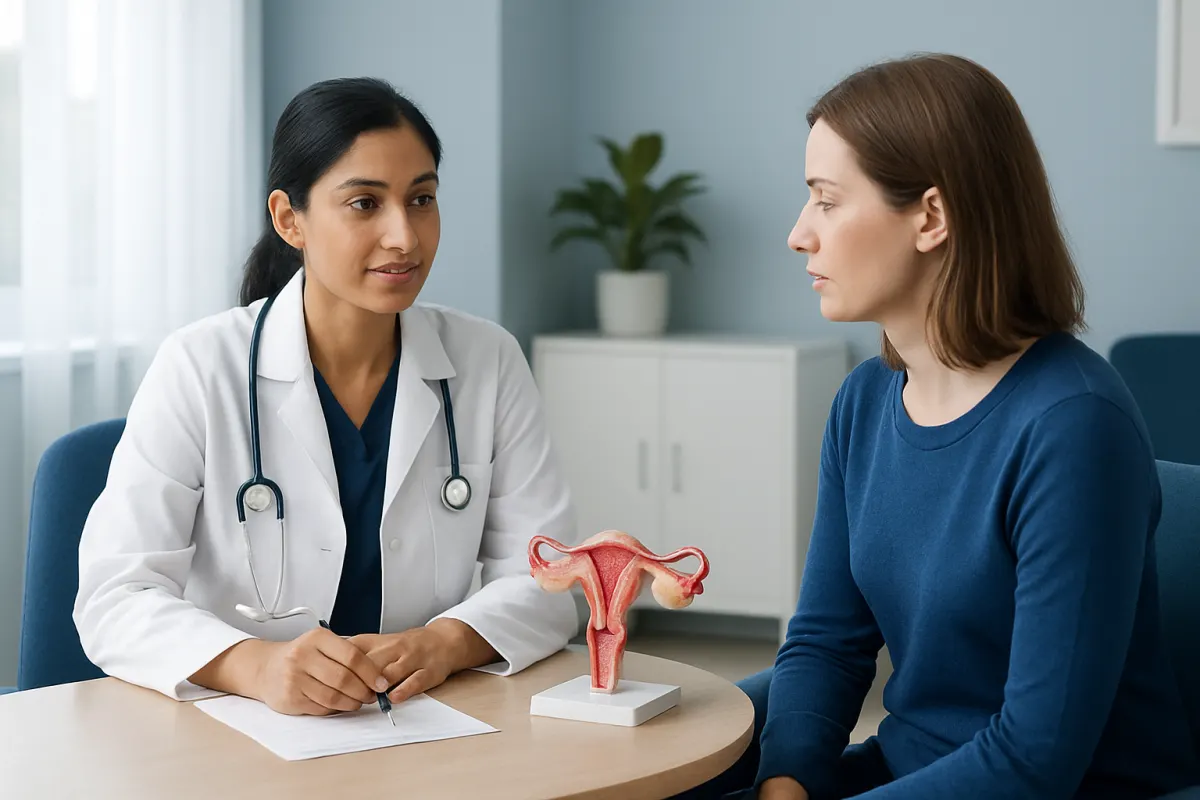
Before surgery, the patient meets the anesthesia and surgical teams, reviews medicines and allergies, and receives instructions about fasting and preparation. Hysterectomy is usually performed under general anesthesia, meaning the patient is asleep and does not feel the operation. In some cases, preventive antibiotics and measures to lower the risk of blood clots are used.
During the procedure, the surgeon carefully separates the uterus from its supporting tissues and blood supply. The uterus is then removed through the vagina, through a small incision, or through the abdominal incision, according to the planned technique. If the tubes or ovaries are to be removed, this is done during the same operation. The surgeon closes the internal and external tissues and sends any necessary specimens for laboratory examination.
Some minimally invasive procedures may be suitable as uterus removal surgery outpatient care, allowing discharge on the day of surgery after monitoring. Others require an overnight stay or a longer admission, particularly after open surgery or when additional treatment is needed. The hospital team reviews pain control, mobility, eating and drinking, bladder function, incision care, and discharge instructions before the patient goes home.
For people seeking specialist evaluation and surgical planning, hysterectomy treatment may involve choosing the least invasive appropriate approach while keeping the underlying diagnosis, prior operations, and personal goals in view.
What Happens to Your Body After Your Uterus Is Removed?
After the uterus is removed, menstrual periods end permanently and pregnancy cannot occur. The body continues to produce hormones if the ovaries remain. Therefore, hysterectomy by itself does not usually cause menopause in people whose ovaries are preserved, although menopause may occur naturally later or, in some cases, somewhat earlier than expected.
If both ovaries are removed before natural menopause, hormone levels fall quickly and surgical menopause begins. Symptoms can include hot flashes, night sweats, sleep disruption, vaginal dryness, and mood changes. A clinician may discuss symptom management and whether menopausal hormone therapy is appropriate, based on the patient’s health history and reason for surgery.
Sexual wellbeing varies from person to person. Many people report improvement when bleeding, pain, or pressure has been relieved. Others need time to feel physically and emotionally ready, particularly if surgery was related to cancer, fertility loss, or a complicated recovery. Vaginal intercourse and insertion should be avoided until the surgeon confirms that internal healing is complete, often around six weeks, though individual instructions differ.
Pelvic floor strength, bowel habits, and bladder comfort can temporarily change while the tissues heal. Gentle activity, adequate fluids, fiber in the diet, and avoiding straining can help. New or persistent urinary, bowel, pelvic pressure, or sexual concerns should be discussed at follow-up rather than managed alone.
Uterus Removal Surgery Recovery: Rest, Pain and Timeline
How many days should I rest after uterus removal surgery? Most patients need significant rest during the first several days, with short walks around the home encouraged as advised to support circulation and reduce stiffness. Rest does not mean remaining in bed all day: gradual movement, regular meals, hydration, and sleep are important. The exact uterus removal recovery time depends mainly on whether surgery was vaginal, laparoscopic, robotic, or open abdominal.
After vaginal, laparoscopic, or robotic surgery, many people resume light daily activities within about two to four weeks, although full internal healing and return to strenuous exercise may take longer. After an abdominal hysterectomy, recovery more commonly takes six to eight weeks. Heavy lifting, high-impact exercise, driving while taking sedating pain medicine, and sexual activity should wait until the treating surgeon says they are safe.
How painful is uterus removal surgery? Pain is expected after an operation, but it is usually managed with a personalized plan that may include non-opioid medicines, limited stronger pain relief when needed, and practical measures such as supporting the abdomen when coughing. Minimally invasive surgery often causes less incision pain than open surgery. Shoulder discomfort from surgical gas can occur after laparoscopy and usually settles over several days.
What is the hardest part of hysterectomy recovery? For many people, the challenging part is balancing the desire to feel normal again with the need to protect internal healing. Fatigue can persist even as pain improves, and emotional adjustment may be substantial, especially when fertility changes are unexpected. Accepting help, pacing activity, and keeping follow-up appointments can make uterine removal surgery recovery more manageable.
Benefits, Risks and Self-Care During Healing
The main potential benefit of hysterectomy is definitive treatment for uterus-related symptoms or disease. It can stop heavy uterine bleeding, remove fibroids or cancerous tissue, address prolapse, and relieve symptoms when other treatments have not worked. The likely benefit depends on the original diagnosis, and symptoms caused by conditions outside the uterus may not always resolve completely.
Like all major operations, hysterectomy has risks. These include bleeding, infection, blood clots, reactions to anesthesia, injury to the bladder, bowel, ureters, or blood vessels, wound problems, and the need for additional surgery. Less common longer-term concerns can include pelvic floor changes, scar tissue, ongoing pelvic pain, or early menopause. The surgical team discusses relevant individual risks before consent.
At home, patients should take medicines only as directed, keep incisions clean and dry according to instructions, and avoid smoking because it can delay healing. Light walking is generally helpful, but activity should increase slowly. Constipation is common after anesthesia and pain medicines; fluids, fiber, gentle movement, and clinician-approved treatment can help reduce straining.
Emotional recovery deserves attention as well. Relief, sadness, grief, anxiety, or changes in body image can all be valid responses. Support from a partner, family member, counselor, or support group may be helpful, particularly for people coping with cancer or the end of fertility.
When to Seek Medical Care
Contact the surgical team promptly for fever, chills, worsening rather than improving pain, increasing abdominal swelling, persistent vomiting, burning or difficulty when passing urine, foul-smelling discharge, or redness, drainage, or opening of an incision. Heavy vaginal bleeding, such as soaking a pad quickly or passing large clots, also needs urgent medical advice.
Seek emergency care for chest pain, shortness of breath, fainting, coughing blood, sudden severe abdominal pain, or one-sided leg swelling or pain. These symptoms are uncommon but can signal complications that need immediate assessment. Patients should not wait for a scheduled appointment if they feel seriously unwell.
Routine follow-up allows the clinician to check healing, review pathology results when relevant, and advise on returning to work, driving, exercise, and sexual activity. Acıbadem Health Point’s multidisciplinary specialists and JCI-accredited hospitals diagnose and treat gynecologic conditions for international patients, with care plans based on individual clinical needs.
Frequently asked questions
01Can a person still have periods after uterus removal surgery?
No. Because the uterus is removed, menstrual bleeding stops permanently. Light spotting or discharge can occur during surgical healing, but it is not a menstrual period and should gradually improve.
02Will uterus removal surgery cause menopause?
Hysterectomy does not usually cause immediate menopause if both ovaries remain in place. If both ovaries are removed, menopause begins promptly because ovarian hormone production falls. The care team can explain whether ovary removal is recommended and how symptoms can be managed.
03How long is the uterus removal recovery time?
Recovery commonly takes about two to four weeks after vaginal, laparoscopic, or robotic surgery for many everyday activities, although full healing takes longer. Open abdominal surgery often requires around six to eight weeks of recovery. The surgeon’s instructions should guide each person’s return to work, exercise, lifting, and sex.
04Is uterus removal surgery outpatient?
Some vaginal and minimally invasive hysterectomies can be completed as outpatient procedures, so the patient goes home the same day after recovery monitoring. Other patients stay overnight or longer, especially after abdominal surgery, complex procedures, or surgery for cancer. The decision depends on the operation, health status, pain control, and safe support at home.
05Can someone get pregnant after a hysterectomy?
No. Removing the uterus means a person cannot carry a pregnancy. For people who may want future biological children, it is important to discuss fertility-preserving alternatives and possible fertility preservation before surgery whenever time and medical circumstances allow.
06When can a person return to exercise after hysterectomy?
Short, gentle walks are often encouraged soon after surgery if the clinician agrees. More strenuous exercise, abdominal workouts, swimming, and heavy lifting should usually wait until the surgeon confirms adequate healing. Returning too quickly can increase discomfort and may affect recovery.
This article is for general information only and is not a substitute for professional medical advice. Please consult a qualified doctor about your individual situation.
Oncology care in Turkey — second opinion and treatment plan
JCI-accredited · board-certified surgeons · reply within 24h
Add us as a Preferred Source to see more of our trusted health content across Google Search, AI Overviews and Discover.