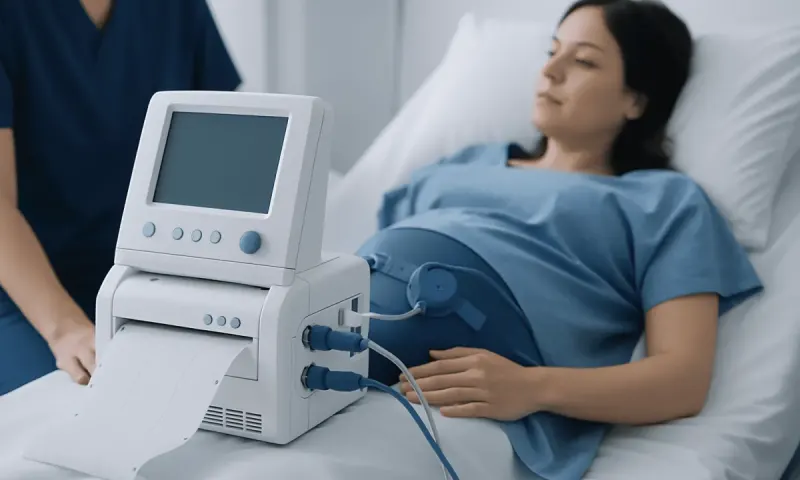
An HSG Checks Whether the Fallopian Tubes Are Open

Wondering why pregnancy hasn’t happened yet, even when everything else seems fine? One common reason can be hidden in the fallopian tubes — and a short imaging test called a hysterosalpingogram (HSG) can check whether they’re open and whether the inside of your uterus looks normal.
Doctors most often recommend it during a fertility evaluation. Knowing what this test can show — and what it can’t — helps clear up the myths you may have heard and gives you the facts instead.
What a hysterosalpingogram is and what it shows
A hysterosalpingogram, often shortened to HSG, is a specialized X-ray test that examines the inside of the uterus and the fallopian tubes. During the procedure, a doctor places contrast dye through the cervix into the uterus. X-ray images then show how the dye moves through the uterine cavity and whether it passes through the tubes and spills into the pelvic cavity, which suggests the tubes are open.
The test is most often used as part of an infertility evaluation. It can help doctors look for structural reasons a pregnancy may not be happening, such as tubal blockage, scarring, or changes in the shape of the uterine cavity. It may also be used after certain procedures to check whether the tubes remain open or whether the uterine cavity has healed normally.
Keep one thing in mind: an HSG is a diagnostic test, not a complete answer on its own. It tells us about your anatomy, but it does not evaluate egg quality, ovulation, sperm function, hormone levels, or every possible cause of pelvic pain or infertility. Think of it as one piece of a broader fertility assessment, not a final verdict.
Why doctors recommend this test
The most common reason for a hysterosalpingogram is difficulty becoming pregnant. If pregnancy has not occurred after a period of trying, a clinician may recommend HSG to see whether the fallopian tubes are open and whether the uterine cavity looks suitable for implantation. This can be especially helpful because blocked tubes may not cause clear symptoms.
Doctors may also use the test when there is concern about uterine abnormalities such as adhesions, polyps, some fibroids that affect the cavity, or congenital differences in uterine shape. In some cases, these findings can affect fertility, recurrent pregnancy loss, or menstrual symptoms. The HSG can suggest that further evaluation is needed, often with ultrasound, hysteroscopy, or other imaging.
Sometimes the test is considered after previous pelvic infection, endometriosis, surgery, or ectopic pregnancy, because these conditions can raise the chance of scarring around the tubes. Depending on the broader clinical picture, the HSG may be combined with other fertility investigations such as IVF evaluation and treatment or assessment for related conditions like endometriosis.
How to prepare and what happens during the procedure

An HSG is usually scheduled after menstrual bleeding has ended but before ovulation. This timing helps reduce the chance of performing the test during an early pregnancy and often gives the clearest view of the uterine cavity. The care team may ask about allergies, recent infection, current symptoms, and any possibility of pregnancy before proceeding.
Preparation instructions vary slightly, but patients are often advised to take a simple pain reliever beforehand if their doctor recommends it. In some situations, a clinician may prescribe antibiotics, especially if there is a higher risk of infection. It is also common to be told that light spotting or mild cramping may happen afterward, so bringing a sanitary pad can be useful.
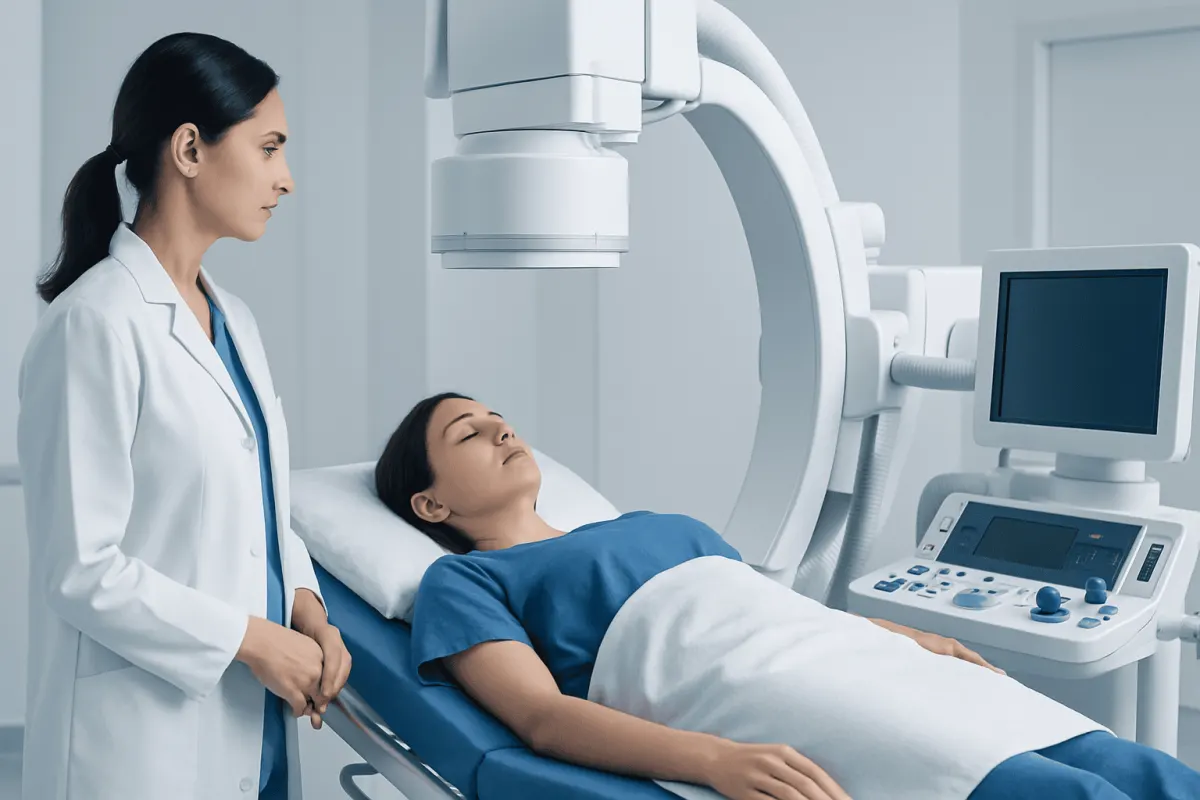
During the procedure, the patient lies on an examination table, usually in a position similar to a pelvic exam. A speculum is placed in the vagina, the cervix is cleaned, and a thin catheter is inserted through the cervix into the uterus. Contrast dye is then introduced while X-ray images are taken. The test itself is often brief, although some people feel temporary cramping or pressure as the dye fills the uterus and tubes.
Worried it will be unbearable? For most people it isn’t. The experience varies — some feel only mild discomfort, others have stronger cramping for a short while. Anxiety can make it feel more intense, so don’t hesitate to ask the team to explain each step before they do it.
What the results mean
If the dye outlines the uterine cavity and then passes through both fallopian tubes into the pelvic cavity, the test is generally considered normal. This suggests the tubes are open and the cavity does not show an obvious structural abnormality on this study. Even then, a normal HSG does not rule out all fertility problems, because issues such as ovulation disorders, sperm factors, or subtle endometriosis may still be present.
If the dye does not move through one or both tubes, the report may suggest a blockage. Sometimes the blockage is real and may be caused by prior infection, scarring, surgery, or inflammation. In other cases, the tube can temporarily tighten or spasm during the test, creating the appearance of blockage when the tube is not permanently closed. This is one reason HSG findings are interpreted together with symptoms, history, and other tests.
The HSG may also show irregularities inside the uterus, such as filling defects or an unusual shape. These findings do not always mean a serious problem, but they often lead to further evaluation. Depending on the result, the doctor may recommend additional imaging, hysteroscopy, laparoscopy, or fertility treatments. In some cases, findings may guide next steps such as hysteroscopy or assessment for uterine fibroids.
Benefits, limits, and common myths
The main benefit of a hysterosalpingogram is that it gives targeted information about tubal patency and the shape of the uterine cavity in a relatively quick outpatient test. It can help narrow down possible causes of infertility and guide a more efficient treatment plan. For some patients, the process of passing dye through the tubes may even clear minor mucus or debris, although this should not be viewed as a guaranteed treatment.
That said, the test has real limits. It does not diagnose every pelvic condition, and it cannot tell how well the tubes work beyond whether dye appears to pass through them. It doesn’t replace a full gynecologic examination, hormone testing, semen analysis, or ultrasound either. That’s why we use HSG as one tool within a complete clinical assessment — not as the answer to every fertility question.
Several myths are common. One is that HSG is always extremely painful; in fact, discomfort ranges from minimal to moderate for most patients and is usually short-lived. Another myth is that a normal HSG means fertility is definitely normal, which is not correct. A third is that an abnormal HSG always confirms permanent infertility; in reality, some findings require confirmation, and many causes of infertility are treatable.
- Myth: The test treats infertility by itself in every case.
- Fact: It may occasionally improve passage through the tubes, but its primary role is diagnosis.
- Myth: Abnormal results always mean surgery is necessary.
- Fact: Management depends on the exact finding, symptoms, and reproductive goals.
Risks, side effects, and recovery after the test
Most people recover quickly after a hysterosalpingogram. Mild cramping, light spotting, or a small amount of watery discharge from the contrast dye can happen for a short time afterward. Rest, hydration, and simple pain relief recommended by a doctor are often enough for comfort.
Although the test is generally considered safe, it is not completely risk-free. Possible complications include infection, allergic reaction to contrast, fainting, or rarely injury to the uterus. The risk is usually low, but it can be higher in people with active pelvic infection or certain medical histories. This is why clinicians screen carefully before the procedure.
Patients are often advised to avoid inserting anything into the vagina for a short period if their doctor recommends it, especially if there has been spotting or discomfort. It is also sensible to follow the specific aftercare instructions given by the imaging or gynecology team. If ongoing fertility planning is needed, the next step may involve medical or procedural options such as intrauterine insemination or discussion of broader reproductive care.
When to seek medical care
If your symptoms after an HSG feel stronger than you expected, don’t wait — get medical advice promptly. Warning signs include fever, worsening pelvic pain, heavy bleeding, foul-smelling vaginal discharge, dizziness that does not settle, or signs of an allergic reaction such as rash or breathing difficulty. These don’t always mean a serious complication, but they deserve prompt evaluation.
Also tell your doctor before the test if there is any chance you could be pregnant, if a pelvic infection is suspected, or if you have a history of significant allergy to contrast materials. Not sure whether the test is right for you? Ask about alternatives, timing, and whether any medications need to be stopped beforehand.
Still have questions after your HSG? That’s common — and completely valid. A gynecologist or fertility specialist can explain your findings in context and walk you through the next steps. Acıbadem Health Point’s multidisciplinary specialists in JCI-accredited hospitals diagnose and treat reproductive conditions for international patients when further evaluation or treatment is needed.
Frequently asked questions
01Is a hysterosalpingogram painful?
Many patients feel cramping or pressure during the test, especially when the dye is introduced, but the intensity varies from person to person. For most, the discomfort is temporary and improves soon after the procedure.
02How long does a hysterosalpingogram take?
The imaging part of the procedure is usually quite short, often completed within several minutes. The full appointment may take longer because of preparation, positioning, and post-procedure observation.
03Can a hysterosalpingogram improve fertility?
In some cases, passing contrast through the tubes may temporarily help clear minor debris or mucus. However, the main purpose of the test is diagnosis, and it should not be relied on as a fertility treatment by itself.
04What does it mean if one or both tubes look blocked?
A blocked appearance may suggest scarring or another structural problem, but sometimes tubal spasm during the test can mimic blockage. Doctors usually interpret the result alongside symptoms, history, and other tests before deciding on next steps.
05Can someone try to conceive after an HSG?
The answer depends on the reason for the test, the findings, and the doctor’s instructions. Many people can resume trying soon after, but individual advice is important, especially if there was discomfort, concern about infection, or a need for further procedures.
06Does a normal hysterosalpingogram rule out infertility?
No. A normal HSG means the uterine cavity appears normal on the test and the tubes seem open, but infertility can still be caused by ovulation problems, sperm factors, endometriosis, or other issues not seen on HSG.
This article is for general information only and is not a substitute for professional medical advice. Please consult a qualified doctor about your individual situation.
IVF & fertility treatment in Turkey — success rates and costs
JCI-accredited · board-certified surgeons · reply within 24h
Add us as a Preferred Source to see more of our trusted health content across Google Search, AI Overviews and Discover.