How to Provoke Labour? Causes, Explanations, and Next Steps
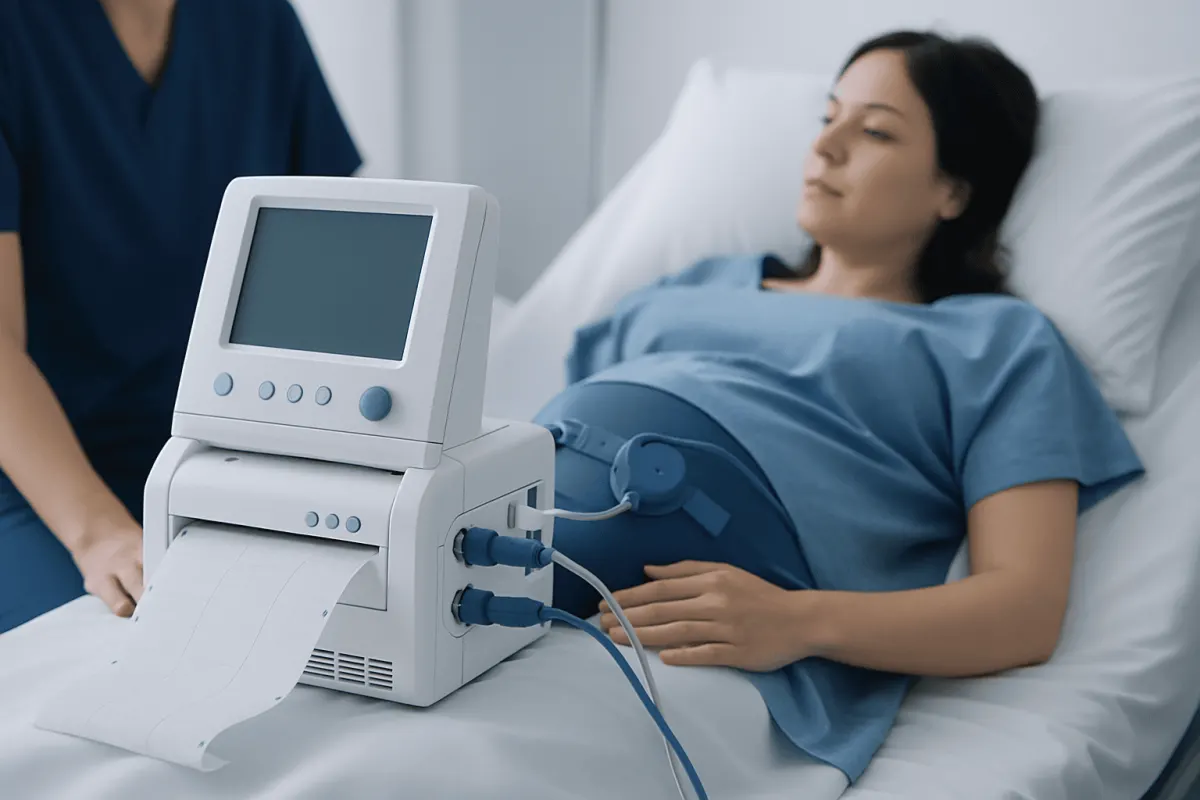
How to provoke labour is a common question near the end of pregnancy, and in many cases the safest answer is to wait unless a clinician recommends induction. If labor needs help to start, medical induction methods are usually more reliable and safer than home remedies, especially when there are warning signs or the pregnancy is past term.
Overview: can labour be provoked safely?
Many pregnant people ask how to provoke labour when the due date passes or discomfort increases. In most cases, this is harmless curiosity rather than a sign that something is wrong. The key point is that labor should only be encouraged when the pregnancy timing, the health of the mother, and the baby’s condition make it reasonable to do so.
There is no single guaranteed way to start labor at home. Walking, sex, dates, spicy foods, and herbal remedies are often discussed, but evidence is limited or mixed, and some approaches may be unsuitable depending on the pregnancy. For this reason, maternity clinicians usually advise against trying to force labor without guidance.
If labor needs to be started, medical induction is the safest and most predictable option. A clinician first looks for red flags, then checks how far along the pregnancy is, whether the cervix is beginning to soften or open, and whether the baby is doing well. This step-by-step approach helps explain why the answer to how to provoke labour is different for each pregnancy.
When trying to start labour may not be appropriate
Most people do not need to do anything special to start labor. Pregnancy length varies, and a due date is an estimate rather than an exact deadline. Many healthy pregnancies continue a little beyond the expected date before labor begins naturally.
It may be unsafe to try to provoke labor without medical advice if there is a history of cesarean birth, placenta previa, unexplained vaginal bleeding, breech presentation, concerns about fetal growth, multiple pregnancy, or a medical condition such as high blood pressure. In these situations, even common home suggestions may carry risk or delay needed care.
A clinician may discuss induction when the pregnancy is post-term, the waters have broken but contractions have not started, or there are maternal or fetal concerns. Examples include hypertension, diabetes, infection, or signs that the placenta is not working as well as expected. In some cases, referral for specialist review helps guide safer decisions, especially when there are concerns linked to preeclampsia.
Common signs labor may be approaching

Near the end of pregnancy, it can be difficult to know whether the body is preparing for labor or whether symptoms are simply part of late pregnancy. Pelvic pressure, backache, more frequent Braxton Hicks contractions, looser stools, and loss of the mucus plug can all happen before labor starts. These changes may occur gradually over days.
True labor usually involves contractions that become stronger, more regular, and closer together over time. They do not settle with rest or hydration and are often felt across the lower abdomen and back. The cervix also changes during true labor, becoming thinner and beginning to dilate.
Some people notice a sudden gush or steady trickle of fluid if the membranes rupture. Others have only mild early contractions at first. Because symptoms can vary, it is usually best to contact a maternity team if contractions are regular, the waters may have broken, or fetal movement seems reduced.
- Possible early labor signs: regular contractions, pelvic pressure, back pain, mucus discharge, or fluid leakage
- Less reliable signs: nesting urges, fatigue, and occasional tightening of the uterus
- Important difference: pre-labor symptoms do not always mean delivery is close
What doctors consider before inducing labor
Before recommending induction, a doctor or midwife checks whether there is a good reason to start labor and whether the benefits outweigh the risks. Gestational age matters because methods that might be considered near or after the due date are not appropriate earlier in pregnancy unless there is a medical indication.
The cervix is also important. A soft, thinning, slightly open cervix generally means induction is more likely to work smoothly. If the cervix is still firm and closed, cervical ripening may be needed first. This is one reason a clinician may perform an examination rather than relying only on symptoms.
The baby’s position, heart rate pattern, growth, and movements are reviewed as well. A clinician may use fetal monitoring, ultrasound, and maternal assessment to decide on the safest plan. If the pregnancy involves concerns such as high blood pressure, growth restriction, or previous delivery complications, induction planning may become more individualized and sometimes may include pregnancy follow-up in a specialized setting.
How labor is medically induced
Medical induction aims to start contractions and prepare the cervix in a controlled way. The method depends on whether the cervix is favorable, whether the waters are intact, the stage of pregnancy, and any previous uterine surgery. A doctor explains the reasons, expected timing, and possible need for monitoring.
One option is membrane sweeping, in which a clinician gently separates the membranes from the lower part of the uterus during a vaginal examination. This may encourage natural prostaglandin release and sometimes helps labor begin within a short period. It can be uncomfortable and does not work for everyone, but it is commonly used near or after term.
If the cervix needs ripening, medications or a balloon catheter may be used. Once the cervix is more ready, clinicians may break the waters, known as amniotomy, and/or give oxytocin through a drip to stimulate contractions. When monitoring or delivery support is needed, treatment may involve hospital-based obstetric care such as birth and delivery care.
In some situations, induction is not the safest route and delivery by cesarean birth may be recommended instead. This depends on fetal wellbeing, placental issues, labor progress, and maternal factors rather than on a simple wish to speed things up. If surgery becomes necessary, clinicians may discuss cesarean section as part of the overall birth plan.
Home methods people talk about: what is known
Many home approaches are suggested for how to provoke labour, but most have limited evidence. Walking may help comfort and posture, and remaining active can support general wellbeing, but it does not reliably trigger labor. Sexual intercourse is sometimes discussed because semen contains prostaglandins and orgasm may stimulate uterine activity, yet studies show inconsistent results.
Nipple stimulation may promote natural oxytocin release, but it should only be considered after discussing it with a maternity clinician because it can lead to strong contractions in some cases. Herbal preparations, castor oil, and unregulated supplements are more concerning. They may cause dehydration, diarrhea, uterine overstimulation, or interactions with other medical issues, and they are not routinely recommended.
Food-based claims are also common. Dates have been studied for possible effects on cervical readiness in late pregnancy, but they are not a dependable way to start labor. Spicy foods and certain teas may affect digestion more than the uterus. If someone is considering any home method, the safest step is to ask their doctor or midwife first, particularly if there are risk factors or questions about conditions such as high-risk pregnancy.
When to seek medical care
Prompt medical advice is important if there is reduced fetal movement, vaginal bleeding, a suspected gush or continuous leakage of fluid, fever, severe abdominal pain, or regular painful contractions before term. These symptoms do not always mean an emergency, but they should be assessed quickly to protect both mother and baby.
Urgent review is also needed for severe headache, visual changes, sudden swelling of the face or hands, chest pain, or shortness of breath. These can suggest a pregnancy complication that should never be managed with home attempts to start labor. A clinician can check blood pressure, urine, fetal wellbeing, and other signs to decide what is happening.
At assessment, the medical team may ask about contraction timing, fetal movements, fluid loss, bleeding, and previous pregnancies. They may perform an abdominal examination, fetal heart monitoring, ultrasound, or a cervical exam. This helps separate harmless late-pregnancy discomfort from labor, ruptured membranes, or a condition that needs treatment.
Self-care, reassurance, and next steps
For many people, the best next step is not to try to force labor but to stay in contact with their maternity team and watch for clear changes. Gentle walking, rest, hydration, regular meals, and tracking contractions or fetal movement can be practical ways to stay comfortable while waiting. Emotional support also matters, since the final days of pregnancy can feel long and uncertain.
Birth planning can help reduce stress. It may be useful to ask when induction would be considered, what methods are offered, how long the process may take, and what monitoring will be used. Understanding these details often makes the end of pregnancy feel more manageable and less urgent.
If specialist evaluation is needed, Acıbadem Health Point’s multidisciplinary obstetric specialists and JCI-accredited hospitals diagnose and treat pregnancy-related conditions for international patients. The most important message remains simple: when wondering how to provoke labour, the safest and most effective plan is individualized medical guidance rather than relying on unproven remedies.
Frequently asked questions
01What is the safest way to provoke labour?
The safest way depends on how far along the pregnancy is and whether there are any medical concerns. In general, labor should only be actively induced under the guidance of a doctor or midwife, using methods that match the clinical situation.
02Can walking help start labor?
Walking can support comfort, posture, and circulation late in pregnancy, but it does not reliably start labor. It is usually reasonable if a maternity clinician has not advised rest, though it should not replace medical assessment when warning signs are present.
03Do home remedies to induce labor really work?
Most home remedies have limited or inconsistent evidence. Some may be harmless for certain people, while others may cause side effects or be risky in pregnancies with complications, previous cesarean birth, or bleeding.
04When do doctors usually recommend induction?
Doctors may recommend induction when the pregnancy goes past term or when continuing the pregnancy may be less safe than delivery. Common reasons include ruptured membranes without labor, high blood pressure, diabetes, infection, or concerns about the baby's wellbeing.
05How do doctors check if induction is likely to work?
They usually assess the cervix, the baby's position, the gestational age, and overall maternal and fetal health. A more favorable cervix often means induction is more likely to succeed with fewer steps.
06Should someone try to provoke labour if the due date has passed?
Not necessarily. A due date is an estimate, and some pregnancies continue a bit longer without a problem. It is better to speak with a maternity clinician, who can advise whether monitoring, waiting, or induction is the safest next step.
This article is for general information only and is not a substitute for professional medical advice. Please consult a qualified doctor about your individual situation.
IVF & fertility treatment in Turkey — success rates and costs
JCI-accredited · board-certified surgeons · reply within 24h
Add us as a Preferred Source to see more of our trusted health content across Google Search, AI Overviews and Discover.