Hypovolemic Shock: Symptoms, Causes and Treatment

Key Takeaways
- Hypovolemic shock occurs when blood volume drops too low to support organ function.
- Common causes include major bleeding, severe dehydration, burns, and fluid loss from illness or injury.
- Symptoms often include rapid pulse, low blood pressure, confusion, weakness, and cold, clammy skin.
- Treatment focuses on stopping the loss, replacing fluids or blood, and treating the underlying cause.
- This is an emergency; immediate medical attention is needed if shock is suspected.
Hypovolemic shock is a life-threatening emergency that happens when the body loses too much blood or fluid and the organs no longer get enough circulation. Quick recognition and treatment are essential, whether the cause is bleeding, dehydration, burns, or another severe fluid loss.
Overview
Hypovolemic shock is the body’s response to a critical drop in circulating blood or fluid volume. When too little fluid reaches the heart and organs, blood pressure falls and tissues begin to receive less oxygen. Because this can progress quickly, it is treated as a medical emergency.
The condition is not a diagnosis on its own so much as a warning that something has gone seriously wrong, such as major bleeding, severe dehydration, a burn injury, or fluid loss from the digestive system. In practical terms, the question is not only “is the person in shock?” but also “what caused the loss, and can it be stopped now?”
For patients and families, especially those traveling for care, the early signs can be easy to miss because they may first look like weakness, faintness, or simple exhaustion. In a hospital setting, clinicians move quickly to confirm the cause and restore circulation before organs are affected further.
Symptoms
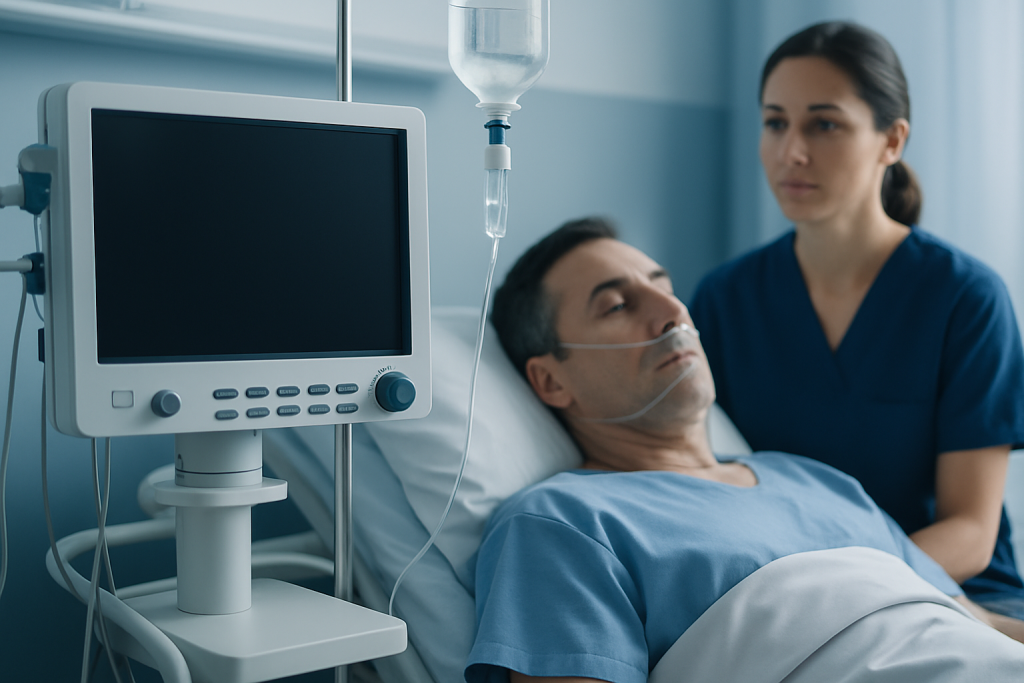
Symptoms often reflect the body’s attempt to protect the brain and heart while circulation is falling. A person may feel dizzy, unusually weak, thirsty, or anxious, and they may look pale or develop a cool, clammy skin texture. Breathing can become rapid, and the pulse may be fast and weak.
As the condition worsens, confusion, sleepiness, fainting, reduced urination, and worsening low blood pressure may appear. In severe cases, the person may become difficult to wake or unable to respond normally. These are signs that the brain and other organs are not getting enough blood flow.
Symptoms can vary depending on the cause. For example, a person with internal bleeding may have abdominal pain or swelling, while someone with dehydration may have a very dry mouth, sunken eyes, or a recent history of vomiting or diarrhea.
Causes & Risk Factors

The most common trigger is blood loss. This can happen after an injury, surgery, gastrointestinal bleeding, childbirth complications, or internal bleeding that is not immediately visible. Even if bleeding seems to slow down, the body may already have lost enough volume to become unstable.
Hypovolemic shock can also develop from severe fluid loss without bleeding. Common examples include prolonged vomiting or diarrhea, high fever, inadequate fluid intake, burns, or certain kidney and adrenal problems. In these situations, the blood vessels and organs are still short of the fluid they need to function properly.
Risk is higher in older adults, young children, people with chronic illness, and anyone taking medications that affect bleeding or fluid balance. Travelers may also face delays in care, language barriers, or unfamiliar medical systems, which can make early recognition and timely treatment even more important.
- Major trauma or surgery
- Heavy internal or external bleeding
- Severe dehydration
- Large burns
- Persistent vomiting or diarrhea
Diagnosis
Doctors diagnose hypovolemic shock by looking for both the signs of poor circulation and the likely source of fluid loss. The assessment begins with vital signs, mental status, skin temperature and color, urine output, and a focused medical history if the patient can provide one.
Tests are used to understand how severe the problem is and what is driving it. Blood tests may check hemoglobin, electrolytes, kidney function, and markers of organ stress. Imaging or bedside ultrasound may be used if internal bleeding is suspected, and other studies may be ordered depending on the injury or illness.
Because the condition can deteriorate rapidly, treatment often begins before all test results are available. In emergency care, diagnosis and stabilization happen at the same time, with the team balancing immediate support and a careful search for the underlying cause.
Treatment Options
Treatment starts with restoring circulation and stopping the loss. This may involve intravenous fluids, blood transfusion, oxygen, and close monitoring in an emergency department, operating room, or intensive care setting. If bleeding is the cause, the priority is to control it as quickly as possible.
Specific treatment depends on the source. A wound may need pressure, sutures, or surgery; internal bleeding may require procedures or transfusion support; severe dehydration may be treated with IV fluids and correction of electrolytes. Burns, infection, and other causes are managed according to the underlying problem.
Recovery does not end when blood pressure improves. Doctors continue to watch for organ strain, anemia, infection, electrolyte imbalance, and a return of bleeding or fluid loss. For international patients, this is often when a clear discharge plan matters most: medication instructions, warning signs, follow-up timing, and whether a second check-up should happen before travel home.
Prevention & Self-care
Not every case can be prevented, but many episodes can be reduced or identified earlier. Staying hydrated during illness, replacing fluids after vomiting or diarrhea when appropriate, and seeking timely care for significant blood loss can help lower risk. People with known bleeding disorders or those taking blood thinners should understand their personal warning signs and follow medical advice closely.
After treatment, self-care is focused on recovery and preventing a repeat episode. Rest, gradual return to activity, proper wound care, and follow-up appointments are important. If a doctor recommends a specific nutrition plan, fluid intake strategy, or medication adjustment, it should be followed exactly as directed.
When traveling for care, patients should carry discharge paperwork, test summaries, and medication lists, and know who to contact if symptoms return. Having these details in one place can make follow-up with a local physician much smoother.
- Drink fluids appropriately during illness if a doctor has not advised otherwise
- Seek prompt care for heavy bleeding or black/bloody stools
- Use protective equipment to reduce injury risk
- Follow medication instructions carefully, especially for anticoagulants
- Do not ignore repeated vomiting, severe diarrhea, or fainting
When to See a Doctor
Hypovolemic shock needs emergency medical care, not a routine appointment. Anyone with severe bleeding, signs of fainting, confusion, very fast pulse, cold clammy skin, or trouble staying awake should be taken to the emergency department or local emergency services immediately.
It is also important to seek urgent care if a person has ongoing vomiting or diarrhea with weakness, minimal urination, or worsening dizziness, especially if they are elderly, very young, pregnant, or already medically fragile. Even if symptoms seem to improve briefly, the underlying loss may still be continuing.
For patients arranging treatment across borders, a hospital team experienced in emergency stabilization and coordinated follow-up can be helpful. Acibadem Health Point’s multidisciplinary specialists and JCI-accredited hospitals diagnose and treat this condition for international patients, with care planning that can support both treatment and safe return home.
Recovery and Outlook
The outlook depends on how quickly the cause is recognized and treated, how much fluid or blood was lost, and whether the organs were affected before treatment began. Many people improve once circulation is restored and the underlying problem is addressed, but recovery may take time if the episode was severe.
Follow-up may include repeat blood tests, medication review, wound checks, or reassessment of any ongoing cause of fluid loss. Some patients also need rehabilitation after prolonged illness or surgery to rebuild strength, appetite, and confidence with daily activity.
A careful discharge plan is particularly valuable after treatment abroad. It gives patients and their home doctors a shared record of what happened, what was done, and what signs should trigger re-evaluation.
Frequently asked questions
01Is hypovolemic shock the same as dehydration?
No. Dehydration is one possible cause of low circulating volume, but hypovolemic shock is the more serious emergency that happens when the body can no longer maintain adequate blood flow. A person can be dehydrated without being in shock, but severe dehydration can lead to shock if it is not corrected.
02What are the earliest warning signs?
Early signs often include thirst, dizziness, weakness, anxiety, fast heartbeat, and pale or cool skin. The person may also feel faint or look unusually tired, which can be easy to overlook at first.
03Can hypovolemic shock happen without visible bleeding?
Yes. Severe vomiting, diarrhea, burns, or internal bleeding can reduce blood volume even when there is no obvious blood loss. That is why ongoing symptoms should be evaluated promptly, not watched at home for long.
04How is it treated in the hospital?
Treatment usually starts with IV fluids, oxygen, and close monitoring, followed by blood transfusion or procedures if bleeding is present. The care team also works to correct the cause, such as stopping blood loss or treating the illness causing fluid depletion.
05What should family members do while waiting for emergency help?
Call emergency services right away, lay the person flat if possible, and keep them warm. If they are unconscious, not breathing normally, or vomiting, follow emergency operator instructions and avoid giving food or drink.
06Can someone recover fully after hypovolemic shock?
Many people recover well if treatment is started quickly and the cause is controlled. Recovery depends on how long organs were under stress and whether there were complications, so follow-up care is important.
This article is for general information only and is not a substitute for professional medical advice. Please consult a qualified doctor about your individual situation.
Persistent digestive symptoms? Get evaluated in Turkey
JCI-accredited · board-certified surgeons · reply within 24h
Add us as a Preferred Source to see more of our trusted health content across Google Search, AI Overviews and Discover.