Huntington’s Disease Care Team: Which Specialists Are Involved and Why

Huntington’s disease affects movement, thinking, and emotions, so care often involves more than one doctor or therapist. A coordinated team can help manage symptoms, support daily function, and guide patients and families through each stage of the condition.
Overview: Why Huntington’s Disease Needs Team Care
Huntington’s disease is an inherited neurodegenerative condition that gradually affects movement, mood, behavior, and thinking. Because symptoms can involve several parts of health at the same time, care is often most effective when different specialists work together. This is sometimes called multidisciplinary or team-based care.
One person may need help with involuntary movements, another with depression or irritability, and another with speech or swallowing problems. Over time, needs can change. A coordinated Huntington’s disease care team helps make sure symptoms are assessed from different angles and that treatment plans stay practical, safe, and focused on quality of life.
Team care does not mean every patient will need every specialist right away. Instead, the care team is usually built around the person’s current symptoms, stage of disease, home situation, and personal goals. Many people start with a neurologist and then add other professionals as needed.
The Neurologist: Usually the Main Specialist
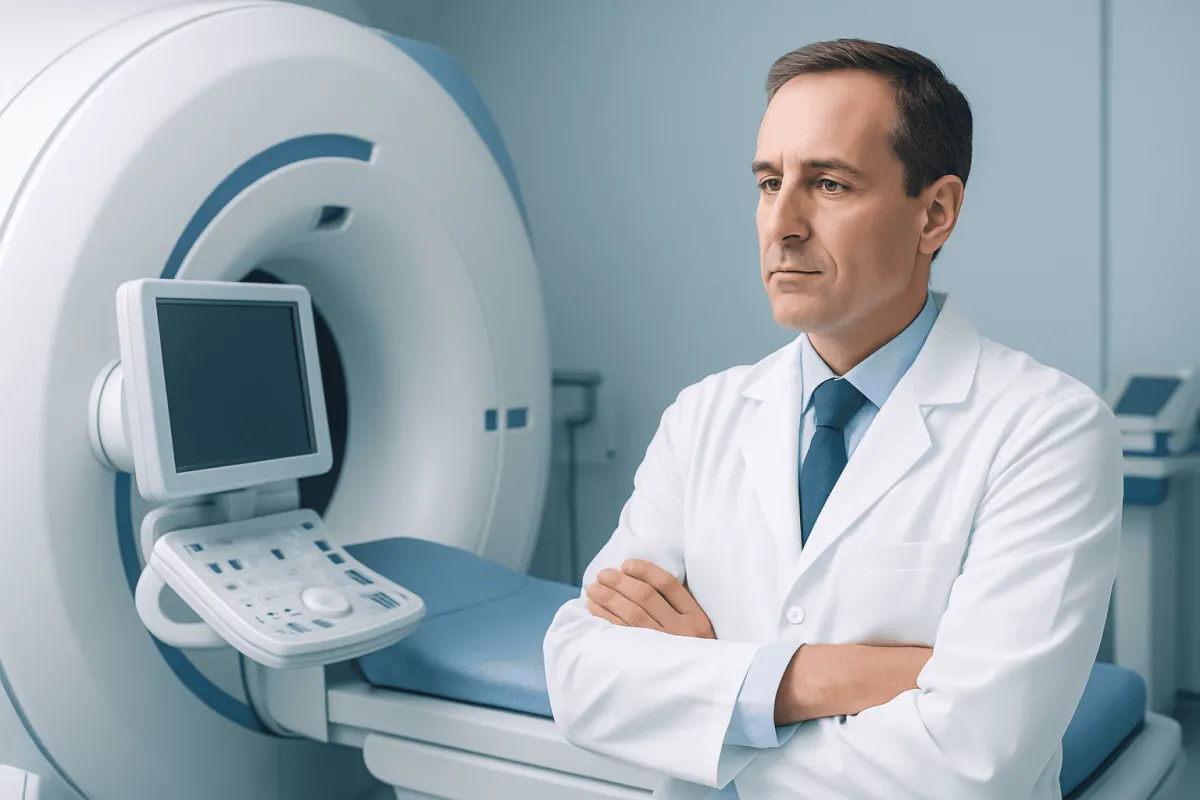
A neurologist is often the central doctor in a Huntington’s disease care team. This specialist evaluates symptoms related to the brain and nervous system, confirms the clinical picture, monitors disease progression, and helps coordinate referrals to other professionals. In many cases, a neurologist with experience in movement disorders or neurodegenerative diseases is especially helpful.
The neurologist looks for signs such as chorea, balance problems, slowed movements, coordination difficulties, speech changes, and cognitive decline. They may also review sleep, falls, swallowing, driving safety, and day-to-day function. When needed, they arrange brain imaging or other tests to rule out conditions that may appear similar, although Huntington’s disease itself is usually diagnosed through clinical evaluation and genetic testing rather than imaging alone.
Treatment often focuses on symptom control. A neurologist may recommend medicines for involuntary movements, stiffness, irritability, depression, or sleep problems, while carefully balancing benefits and side effects. They also help families understand what to expect over time and when it may be useful to add rehabilitation, mental health, or nutrition support. People who want to learn more about the condition itself may also be guided to resources on Huntington disease.
Mental Health Specialists: Psychiatry, Psychology, and Neuropsychology

Huntington’s disease can affect emotions and behavior as much as movement. Depression, anxiety, apathy, irritability, impulsivity, obsessive behaviors, sleep difficulties, and changes in judgment may appear before or after movement symptoms. For this reason, psychiatry and psychology are often key parts of the care team.
A psychiatrist can assess mood and behavior symptoms and, when appropriate, prescribe medicines to help manage depression, anxiety, agitation, or psychosis. A psychologist or counselor may provide talking therapies, coping strategies, stress management, and support for both the patient and family. When mental and neurological symptoms overlap, input from neuropsychiatry can be valuable.
Neuropsychologists play a different but equally important role. They perform structured thinking and memory assessments that can help identify changes in attention, planning, insight, language, and problem-solving. These evaluations can guide work decisions, driving discussions, daily support needs, and long-term planning. In some cases, referral for neuropsychology helps families better understand which changes come from the disease rather than from stress or aging alone.
Genetic Counselors and Diagnostic Specialists
Because Huntington’s disease is inherited, genetic counseling is a central part of care. A genetic counselor explains how the condition is passed through families, what genetic testing can and cannot tell a person, and how results may affect future planning. This support is important both for people with symptoms and for family members considering predictive testing.
Genetic testing should ideally happen with careful counseling before and after the test. Learning about a positive, negative, or uncertain result can be emotionally complex. A counselor helps patients think through issues such as privacy, family communication, insurance concerns where relevant, reproductive decisions, and whether they feel ready to know the result.
Other specialists may support diagnosis as well. Depending on symptoms, the team may include radiologists, speech specialists, or neurophysiology experts to assess related concerns and rule out other neurological conditions. This can be especially useful if symptoms overlap with other movement disorders, such as dystonia or essential tremor, although the underlying causes are different.
Rehabilitation Specialists: Physical, Occupational, and Speech Therapy
Rehabilitation professionals help people stay safe, independent, and active for as long as possible. Physical therapists focus on walking, balance, posture, strength, flexibility, and fall prevention. They may suggest exercises, mobility aids, and strategies for transfers or stair use. Regular reassessment is important because mobility needs can change gradually.
Occupational therapists help with daily activities such as dressing, bathing, eating, writing, and household tasks. They may recommend changes at home to improve safety, such as grab bars, better lighting, simplified layouts, or adaptive utensils. They also support energy conservation and routines that make daily life more manageable.
Speech and language therapists are especially important when speech becomes less clear or swallowing becomes difficult. They assess communication and swallowing safety, suggest speaking strategies, and may recommend texture modifications or posture changes during meals. Early referral can help before choking, weight loss, or aspiration become more serious concerns.
Other Important Team Members: Primary Care, Nutrition, Social Work, and Palliative Care
Although Huntington’s disease is a neurological condition, general medical care still matters. A primary care doctor helps with vaccinations, blood pressure, diabetes, infections, pain, sleep concerns, and other routine health needs. This can reduce complications and support overall well-being. Primary care is also important because some symptoms, such as fatigue or confusion, may be worsened by treatable non-neurological problems.
A dietitian can be very helpful, especially if weight loss, swallowing problems, or high calorie needs become concerns. People with Huntington’s disease may burn more energy because of involuntary movements or may struggle to finish meals. Nutrition advice may focus on meal timing, food texture, hydration, and ways to make eating safer and easier.
Social workers and case managers help families navigate practical issues such as home care, disability support, transportation, community resources, advance care planning, and caregiver strain. As the disease progresses, palliative care specialists may also become part of the team. Palliative care is not only for end of life; it can be introduced earlier to help with symptom burden, communication, and planning based on the patient’s goals and values.
How Care Changes Over Time
Huntington’s disease is progressive, which means care needs usually change over the years. Early on, the focus may be on diagnosis, genetic counseling, work and driving questions, emotional adjustment, and treatment for mild movement or mood symptoms. In the middle stages, rehabilitation, nutrition, communication strategies, and home safety often become more central.
Later in the disease, greater support may be needed for walking, swallowing, personal care, and supervision. Decisions about feeding, aspiration risk, falls, advanced directives, and caregiver respite may become more important. A well-coordinated team can revisit these topics gradually and respectfully, helping patients and families make informed decisions without feeling rushed.
Regular follow-up matters because symptoms do not all progress at the same pace. Someone may have prominent mood changes with mild movement symptoms, while another may experience earlier balance or swallowing problems. Personalized care plans are usually more helpful than a one-size-fits-all approach.
When to Seek Specialist Help and What Families Can Do
It is wise to seek specialist assessment if a person has involuntary movements, personality or mood changes, worsening coordination, unexplained falls, difficulty swallowing, or a family history of Huntington’s disease. Early evaluation can clarify the diagnosis, address treatable symptoms, and connect the person with the right support services. Urgent medical attention is needed for choking, severe dehydration, suicidal thoughts, sudden major confusion, or injuries from falls.
Families and caregivers are essential members of the Huntington’s disease care team. They often notice subtle changes first, help track symptoms, support medicines and appointments, and assist with communication. Caregivers also need support for their own emotional health, rest, and practical planning, because long-term care can be demanding.
Helpful steps include keeping a symptom diary, bringing a list of questions to appointments, asking about swallowing and fall risk, and discussing legal and future planning early. In experienced centers, multidisciplinary teams may review the patient together to coordinate care more smoothly. Near the end of the care pathway, patients seeking international evaluation may wish to know that Acıbadem Health Point’s multidisciplinary specialists and JCI-accredited hospitals diagnose and treat Huntington’s disease for international patients, including through services related to Huntington’s disease care.
Frequently asked questions
01Who is the most important specialist for Huntington’s disease?
A neurologist is usually the main specialist and often coordinates care. However, Huntington’s disease affects more than movement alone, so other professionals are often just as important at different stages.
02Does every person with Huntington’s disease need a psychiatrist?
Not everyone will need psychiatric treatment right away, but mental health assessment is often helpful. Mood, behavior, sleep, and thinking changes are common, and early support can improve daily life for both the patient and family.
03Why is genetic counseling important in Huntington’s disease?
Genetic counseling helps people understand inheritance, testing options, and the personal impact of results. It also gives space to discuss family planning, emotional readiness, and how to share information with relatives.
04When should speech therapy be considered?
Speech and language therapy can be useful as soon as speech becomes less clear or swallowing seems more difficult. Early assessment may help reduce choking risk and support safer eating and better communication.
05Can physical therapy really help if Huntington’s disease is progressive?
Yes. Physical therapy cannot stop the disease, but it can help with balance, mobility, posture, exercise, and fall prevention. The goal is to maintain function and safety for as long as possible.
06What role do family members play in the care team?
Family members often help notice changes, organize appointments, support medication routines, and provide daily care. Their observations can be very valuable during clinic visits, and their own well-being should also be supported.
This article is for general information only and is not a substitute for professional medical advice. Please consult a qualified doctor about your individual situation.
Explore treatments in Turkey — costs, top hospitals & a free quote
JCI-accredited · board-certified surgeons · reply within 24h
Add us as a Preferred Source to see more of our trusted health content across Google Search, AI Overviews and Discover.