Neurodegenerative Diseases: Early Signs That Should Not Be Ignored

Neurodegenerative diseases are conditions in which nerve cells in the brain or nervous system gradually become damaged over time. Early signs may be subtle, but noticing persistent changes in memory, movement, speech, mood, or daily function can help people seek timely medical advice.
Overview
Neurodegenerative diseases are a group of disorders that affect nerve cells, also called neurons, in the brain, spinal cord, or peripheral nervous system. Over time, these cells may stop working properly or gradually die, leading to changes in thinking, movement, behavior, sensation, or independence. The pattern depends on which parts of the nervous system are most affected.
Examples include Alzheimer’s disease, Parkinson’s disease, Huntington’s disease, motor neuron disease, and some forms of frontotemporal dementia. Although these conditions differ, they can share a common feature: symptoms often start slowly and become more noticeable over months or years. Because the earliest changes may be mild, they are sometimes mistaken for stress, aging, poor sleep, or ordinary forgetfulness.
Recognizing early signs does not mean assuming the worst. Many symptoms linked with neurodegenerative diseases can also happen for other reasons, including vitamin deficiencies, thyroid problems, medication effects, depression, sleep disorders, or other neurological conditions. A careful medical evaluation is important because some causes are treatable, and early diagnosis helps guide care planning and symptom management.
Early signs that should not be ignored
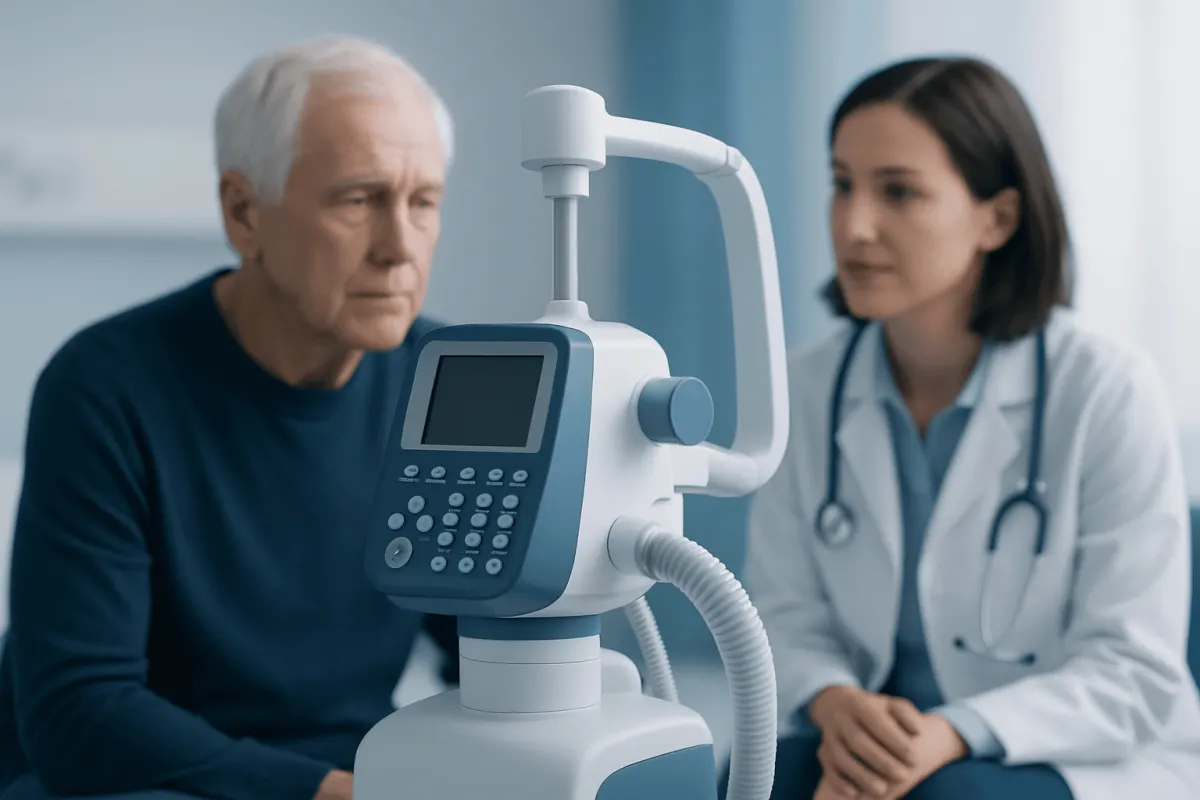
Early symptoms vary widely from person to person. In some, the first clue is memory difficulty; in others, it may be tremor, changes in walking, unusual stiffness, language problems, or shifts in mood and judgment. The key concern is not a single isolated symptom, but a pattern of persistent or progressive change that affects daily life.
Possible early signs include:
- Memory loss that goes beyond occasional forgetfulness, especially when it interferes with work, finances, appointments, or familiar routines
- Difficulty finding words, following conversations, reading, writing, or understanding complex instructions
- Tremor, slowness of movement, muscle stiffness, reduced facial expression, or smaller handwriting
- Changes in balance, walking, coordination, or frequent unexplained falls
- Personality or behavior changes, such as apathy, irritability, poor judgment, impulsivity, or social withdrawal
- Problems with planning, organizing, multitasking, or solving everyday problems
- Swallowing difficulties, softer speech, or changes in voice quality
- Weakness, muscle wasting, twitching, or loss of hand function
- Visual-spatial problems, such as getting lost in familiar places or misjudging distances
- Sleep disturbances, including acting out dreams or significant daytime sleepiness
Some symptoms can overlap with other neurological disorders. For example, a tremor may be related to essential tremor rather than Parkinson’s disease, and a sudden neurological change could suggest stroke or transient ischemic attack rather than a slowly progressive condition. This is one reason professional evaluation is so important.
Family members often notice early changes before the affected person does. If loved ones observe repeated forgetfulness, unusual behavior, increasing unsteadiness, or declining communication skills, it can be helpful to document specific examples and share them with a doctor.
Causes and risk factors

The exact cause of many neurodegenerative diseases is not fully understood. Researchers believe they often involve a combination of genetic, biological, and environmental factors. In some disorders, abnormal proteins build up in the brain or nervous system and interfere with normal cell function. In others, nerve pathways gradually deteriorate for reasons that are still being studied.
Age is one of the strongest risk factors for several neurodegenerative diseases, especially dementia-related conditions and Parkinson’s disease. However, these disorders are not simply a normal part of aging. Some types can begin earlier in adulthood, and some have a stronger inherited component than others. For example, Huntington disease is linked to a specific genetic change and often runs in families.
Other possible risk factors may include family history, certain gene variants, repeated head injury, vascular risk factors such as high blood pressure or diabetes, smoking, poor sleep, and limited physical activity. Still, having one or more risk factors does not mean a person will definitely develop a neurodegenerative disease, and people without clear risk factors can also be affected.
It is also important to separate risk from cause. A person may develop symptoms because of another condition that mimics neurodegeneration, such as depression, medication side effects, infection, autoimmune disease, or metabolic imbalance. A thorough assessment helps doctors distinguish between these possibilities.
How doctors diagnose neurodegenerative diseases
Diagnosis usually begins with a detailed medical history and neurological examination. The doctor will ask when symptoms started, how they have changed over time, whether there is any family history, and how the symptoms affect everyday activities. Information from a partner, relative, or caregiver can be especially valuable, because subtle changes are sometimes easier for others to observe.
The neurological examination may assess memory, attention, language, reflexes, strength, muscle tone, coordination, gait, balance, eye movements, and sensation. Depending on the symptoms, more specialized testing may be recommended. This can include cognitive screening, formal neuropsychology assessment, speech and language evaluation, or movement analysis through neurophysiology studies.
Doctors may also order brain imaging such as MRI or CT scans, and in selected cases, functional imaging or other advanced neuroradiology techniques. Blood tests are often used to look for other causes of symptoms, such as vitamin deficiency, thyroid disease, inflammation, infection, or liver and kidney problems. In some situations, genetic counseling and genetic testing may be discussed.
Getting a diagnosis can take time, especially early in the disease process when symptoms overlap with other conditions. Follow-up visits may be needed to see how symptoms evolve. Even when a definitive diagnosis is not immediately possible, ongoing observation can still help guide treatment and support.
Treatment options and supportive care
Treatment depends on the specific diagnosis, the stage of symptoms, and the person’s general health and goals. While many neurodegenerative diseases cannot yet be cured, treatment often helps reduce symptoms, maintain function, support independence, and improve quality of life. Care may include medication, rehabilitation, lifestyle strategies, assistive devices, and psychological support.
For movement-related conditions such as Parkinson disease, treatment may involve medicines that improve mobility, along with physical therapy, occupational therapy, and speech therapy. For some people with tremor, rigidity, or other complex symptoms, specialists in movement disorders may help tailor advanced treatment plans. Cognitive symptoms may be managed with structured routines, memory strategies, caregiver education, and when appropriate, medicines that support cognition or behavior.
Multidisciplinary care is especially valuable because these diseases can affect several areas at once. A care team may include neurologists, geriatricians, neuropsychologists, physiotherapists, speech and swallowing therapists, nutrition professionals, and mental health specialists. Emotional support matters too, since anxiety, depression, frustration, and caregiver strain are common and deserve attention.
In some cases, doctors may recommend evaluation in specialized services for neurodegenerative diseases or geriatric neurology to coordinate diagnosis, symptom control, rehabilitation, and long-term planning. Treatment is usually most effective when adjusted regularly as needs change over time.
Prevention and self-care
There is no guaranteed way to prevent all neurodegenerative diseases, but brain-healthy habits may help lower risk or support overall neurological function. These habits are also helpful for general health, heart health, and resilience during aging. Small, sustainable changes are often more realistic and beneficial than drastic short-term efforts.
Self-care approaches that may support brain health include:
- Regular physical activity suited to age and ability
- A balanced diet rich in vegetables, fruits, whole grains, legumes, and healthy fats
- Good sleep habits and medical attention for persistent sleep problems
- Managing blood pressure, cholesterol, diabetes, and other vascular risks
- Not smoking and limiting alcohol intake
- Staying socially connected and mentally engaged through learning, hobbies, and conversation
- Protecting the head from injury and reducing fall risks at home
- Reviewing medications with a doctor if new confusion, dizziness, or drowsiness develops
For people already experiencing symptoms, self-care also includes practical planning. Using calendars, reminders, pill organizers, exercise programs, home safety measures, and speech or swallowing strategies can make daily life easier. Families and caregivers often benefit from education about what to expect and how to offer support without taking away independence too early.
When a diagnosis is confirmed, follow-up care becomes an important part of self-management. Regular reviews help monitor changes, update therapies, and identify complications such as falls, malnutrition, sleep problems, or mood symptoms before they have a larger impact.
When to see a doctor
A person should consider medical evaluation if they or their family notice persistent changes in memory, behavior, speech, movement, balance, or daily functioning. It is especially important to seek advice when symptoms are getting worse, affecting work or home life, or causing concern among loved ones. Early assessment may help identify treatable causes and allow earlier support if a neurodegenerative disease is present.
Urgent medical attention is needed for sudden symptoms such as one-sided weakness, facial drooping, sudden trouble speaking, abrupt vision loss, severe sudden headache, new seizures, or sudden confusion. These are not typical early signs of a slowly progressive neurodegenerative disease and may point to an emergency condition that should be assessed immediately.
Some people delay seeking help because they fear the diagnosis or assume symptoms are just part of aging. However, timely assessment can be reassuring as well as informative. Even if symptoms are not caused by a neurodegenerative disease, they still deserve attention if they are persistent or disruptive.
For international patients who need coordinated neurological assessment, Acıbadem Health Point’s multidisciplinary specialists and JCI-accredited hospitals diagnose and treat a wide range of neurological conditions with individualized care planning.
Frequently asked questions
01Are neurodegenerative diseases a normal part of aging?
No. Although the risk of some neurodegenerative diseases increases with age, these conditions are not considered a normal part of getting older. Persistent decline in memory, movement, speech, or behavior should be discussed with a doctor rather than assumed to be age-related.
02What is usually the first symptom of a neurodegenerative disease?
There is no single first symptom for everyone. Some people notice memory lapses, while others develop tremor, stiffness, balance problems, language difficulty, or personality changes. The most important clue is a gradual, ongoing change that does not fully go away.
03Do early symptoms always mean dementia or Parkinson’s disease?
No. Many common problems, such as stress, depression, sleep disorders, medication side effects, vitamin deficiencies, and thyroid disease, can cause similar symptoms. That is why proper evaluation is important before drawing conclusions.
04Can neurodegenerative diseases be cured?
Many neurodegenerative diseases cannot currently be cured, but treatment can often help manage symptoms and maintain function. Rehabilitation, supportive care, and regular follow-up can also improve comfort, communication, mobility, and quality of life.
05When should a family member be concerned about memory changes?
Concern is reasonable when memory problems are frequent, progressive, or interfere with everyday tasks such as paying bills, taking medicines, keeping appointments, or following conversations. Changes in judgment, orientation, or personality also deserve attention.
06How are neurodegenerative diseases diagnosed?
Doctors usually diagnose these conditions through a combination of medical history, neurological examination, cognitive testing, and sometimes imaging or blood tests. In certain cases, genetic testing or specialized assessments may also be helpful.
This article is for general information only and is not a substitute for professional medical advice. Please consult a qualified doctor about your individual situation.
Joint and spine care in Turkey — expert assessment & treatment
JCI-accredited · board-certified surgeons · reply within 24h
Add us as a Preferred Source to see more of our trusted health content across Google Search, AI Overviews and Discover.