How to Stretch a Quad Muscle? A Doctor-Reviewed Answer
Most quadriceps tightness after exercise, sitting, or everyday activity is harmless and improves with gentle movement and stretching. Learning how to stretch a quad muscle safely can improve comfort and flexibility while helping a person recognize when thigh pain needs medical assessment.
How to Stretch a Quad Muscle: The Short Answer
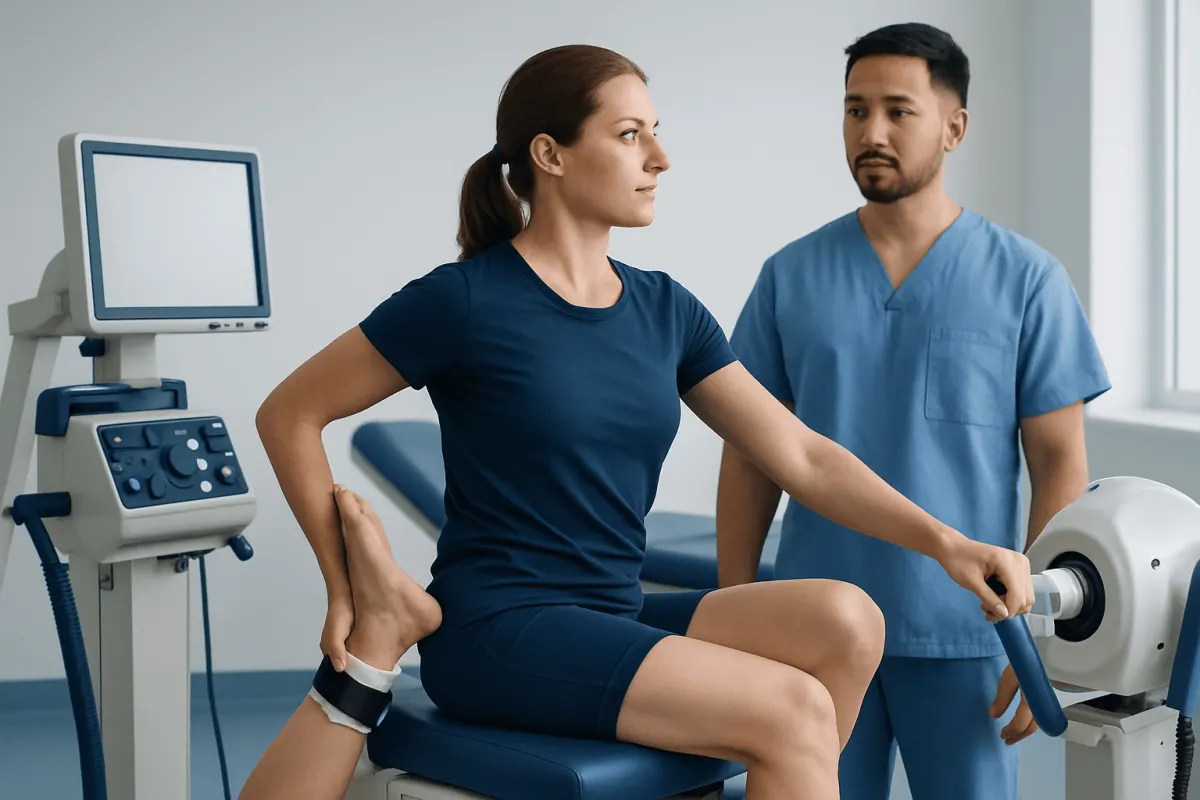
To stretch a quadriceps, or quad, muscle, a person can stand near a stable support, bend one knee, and gently bring the heel toward the buttock while keeping the knees close together. Holding the foot or ankle, rather than pulling hard on the toes, can help create a controlled stretch across the front of the thigh. The torso should remain upright, the pelvis should stay level, and the stretch should feel mild to moderate rather than painful.
For most people, temporary quad tightness is harmless and can occur after exercise, long periods of sitting, walking uphill, cycling, or unfamiliar activity. A stretch is generally held steadily for about 20 to 30 seconds and repeated on both sides, without bouncing. It should be stopped if it causes sharp pain, a tearing sensation, numbness, knee pain, or worsening symptoms.
Before stretching, it is helpful to warm up with several minutes of comfortable movement. Stretching a cold, sore muscle aggressively may increase discomfort. Gentle range-of-motion exercises and a gradual return to activity are often more suitable than deep stretching when the thigh feels very tender after a workout.
Understanding the Quadriceps and Why They Feel Tight
The quadriceps are a group of four muscles at the front of the thigh. They straighten the knee and help control movements such as standing from a chair, climbing stairs, walking, running, jumping, and kicking. One of these muscles, the rectus femoris, also crosses the hip joint, which is why hip position affects how a quad stretch feels.
A feeling of tightness does not always mean that a muscle is structurally short. It may reflect temporary muscle fatigue, delayed soreness after unfamiliar exercise, reduced movement after prolonged sitting, or protective tension around the hip or knee. Limited flexibility in the hip flexors, weakness in the gluteal muscles, and changes in training load may also contribute to recurrent thigh tightness.
Quadriceps discomfort can overlap with symptoms from the hip, knee, lower back, or surrounding tendons. For example, pain just above or around the kneecap may occur with overuse-related knee problems, while pain after a sudden sprint or kick may indicate a muscle strain. The location, timing, and nature of symptoms are important when deciding whether stretching is appropriate.
Step-by-Step Quad Stretches to Try

The standing quad stretch is practical for many people. Standing beside a wall, chair, or countertop for balance, a person bends one knee and brings the heel toward the buttock. They may hold the ankle with the hand on the same side, keep the supporting knee slightly soft rather than locked, and gently tuck the pelvis only enough to avoid arching the lower back. The knees should point in the same direction rather than allowing the bent knee to move far out to the side.
A side-lying quad stretch can be a comfortable alternative for people who find balancing difficult. Lying on one side with the head supported, a person bends the top knee and holds the ankle, guiding the heel gently toward the buttock. Keeping the thighs aligned and avoiding excessive low-back arching helps focus the stretch on the front of the thigh. A strap or towel around the ankle may help someone who cannot comfortably reach their foot.
Another option is a modified kneeling stretch, but it may not suit people with knee pain, poor balance, or recent lower-limb injury. With one knee on a padded surface and the other foot in front, the person gently shifts the hips forward while keeping the trunk tall. This can stretch both the hip flexor area and the upper part of the quadriceps. The movement should be small and controlled; forcing the hips forward can irritate the lower back or front of the hip.
- Use light support for balance during standing stretches.
- Breathe normally instead of holding the breath.
- Do not bounce, jerk, or force the heel toward the buttock.
- Stretch both legs, even if only one side feels tight.
- Choose a position that does not increase knee, hip, or back pain.
How Often to Stretch and What to Do Before and After Exercise
For general flexibility, quadriceps stretching can be performed on most days, particularly after activity or after periods of sitting. One or two gentle rounds on each side may be enough for many people. The goal is regular, comfortable practice rather than reaching the deepest possible position. Flexibility changes gradually and may be supported by consistent movement over weeks.
Before sport or exercise, dynamic movements are often more useful than long static holds. Examples include easy walking, gentle cycling, controlled leg swings while holding support, shallow bodyweight squats, or slow marching. These movements increase circulation and prepare the muscles for activity without placing a sustained pull on them.
After exercise, once breathing and heart rate have settled, static stretching may feel pleasant and may help restore a sense of comfortable movement. However, stretching is not a substitute for a gradual training plan, adequate recovery, sleep, hydration, or appropriate nutrition. A person returning after illness, injury, or a long break should increase walking, running, cycling, or strength training progressively.
When Stretching Is Not the Right Choice
Stretching should be avoided or significantly reduced when a person suspects an acute quadriceps injury. A strain can occur when the muscle is overloaded or suddenly lengthened, often during sprinting, kicking, jumping, or abrupt changes of direction. Symptoms may include sudden sharp pain, tenderness, weakness, swelling, bruising, or pain when trying to straighten the knee or bend the hip.
In the first stage after a possible muscle injury, relative rest and protection from painful activity are generally more appropriate than forceful stretching. Gentle, pain-free movement may be introduced as symptoms settle, but timing should be individualized. Returning to intense exercise too soon can prolong recovery or increase the risk of reinjury.
People who have had knee surgery, a fracture, joint replacement, significant arthritis, or a diagnosed tendon injury should follow their treating clinician’s rehabilitation instructions. Some positions may be limited temporarily, and a physical therapist can tailor flexibility work to the person’s healing stage, mobility, strength, and goals.
When to Seek Medical Care
Most mild thigh tightness improves with rest from aggravating activity, gentle movement, and gradual stretching. Medical review is advisable when pain is severe, follows a clear injury, causes a limp, does not improve over several days, or repeatedly returns despite sensible changes in activity. It is also important to seek assessment for marked swelling, bruising, a visible change in the shape of the muscle, inability to bear weight, knee buckling, or reduced ability to move the knee.
Urgent medical care is appropriate if leg pain occurs with major swelling, redness, warmth, chest pain, shortness of breath, fainting, fever, or a cold, pale, or numb foot. These symptoms are not typical of simple muscle tightness and need prompt evaluation. A person should also be assessed if pain is accompanied by new weakness, widespread numbness, or bladder or bowel changes.
A doctor will usually begin by asking how symptoms started, what activities preceded them, and whether there was a pop, fall, or direct blow. Examination may include checking walking, thigh tenderness, swelling, hip and knee movement, muscle strength, and circulation and nerve function. Imaging is not always necessary, but ultrasound, X-ray, or MRI may be considered when a significant tear, bone injury, tendon problem, or another cause is suspected.
Supporting Healthy Quad Function Over Time
Flexibility is only one part of healthy quadriceps function. Strength and control in the quadriceps, hamstrings, gluteal muscles, calves, and trunk help the legs absorb force during daily activity and sport. A balanced program may include walking, cycling, sit-to-stand practice, step-ups, squats within a comfortable range, and professionally guided strengthening when needed.
Training changes should be gradual. Sudden increases in running distance, hill work, cycling resistance, or high-intensity sport can overload the front of the thigh, especially when recovery is limited. Alternating demanding sessions with easier days and addressing worn footwear, poor training technique, or unsuitable surfaces may reduce recurring symptoms.
If thigh tightness or pain persists, a clinician or physical therapist can identify contributing factors and recommend an individualized plan. Acıbadem Health Point’s multidisciplinary specialists and JCI-accredited hospitals can assess musculoskeletal symptoms and support rehabilitation planning for international patients.
Frequently asked questions
01How long should a quad stretch be held?
A gentle static quadriceps stretch is commonly held for about 20 to 30 seconds. It can be repeated once or twice on each side, provided it remains comfortable. The stretch should not produce sharp pain or force the knee into an uncomfortable position.
02Should a person stretch a sore quad after exercise?
Mild soreness after unfamiliar activity may respond well to gentle movement and light stretching. However, a very painful, swollen, bruised, or weak thigh may indicate an injury, and forceful stretching should be avoided. Reducing activity and seeking clinical advice may be appropriate when symptoms are significant.
03Why does the quad stretch hurt the knee?
Knee discomfort during a quad stretch can occur if the knee is bent too far, the ankle is pulled forcefully, or an underlying knee condition is irritated. A person can try a gentler position, use a strap, or choose a side-lying stretch. Persistent knee pain should be assessed by a healthcare professional.
04Is it normal for one quadriceps to be tighter than the other?
Mild differences between sides are common and may relate to daily habits, previous injury, sport technique, or strength differences. Both sides can be stretched and strengthened evenly, while paying attention to symptoms. A marked difference in flexibility, pain, weakness, or swelling deserves medical evaluation.
05Can stretching prevent a quadriceps strain?
Stretching may support comfortable range of motion, but it cannot fully prevent muscle strains. Gradual training progression, a thorough warm-up, adequate recovery, and balanced leg strength are also important. People with a prior strain may benefit from a clinician-guided return-to-sport program.
06What is the safest quad stretch for poor balance?
A side-lying quad stretch is often a good option because it does not require standing on one leg. A person can also use a stable wall or chair during a standing stretch, or place a strap around the ankle to avoid twisting. Any stretch that causes instability or pain should be stopped.
This article is for general information only and is not a substitute for professional medical advice. Please consult a qualified doctor about your individual situation.
Joint and spine care in Turkey — expert assessment & treatment
JCI-accredited · board-certified surgeons · reply within 24h
Add us as a Preferred Source to see more of our trusted health content across Google Search, AI Overviews and Discover.