How to Remove Pimples That Are Under the Skin? Causes, Explanations, and Next Steps
Most pimples under the skin are harmless clogged pores that improve with time, gentle skin care, and acne treatments that reduce inflammation. They should be medically reviewed if they are very painful, repeatedly return, spread redness, drain pus, or leave significant scarring.
Overview: what a pimple under the skin usually means
For most people asking how to remove pimples that are under the skin, the short answer is that these bumps usually improve best with patience, gentle skin care, and anti-acne treatment rather than squeezing. A pimple under the skin is commonly an inflamed clogged pore, often called a blind pimple, because it may not form a visible whitehead and can feel sore, firm, or swollen.
These bumps are common and often harmless, especially if they occur occasionally. The main concerns are discomfort, a longer healing time than surface pimples, and the higher chance of dark marks or scarring if the area is picked or manipulated.
Some warning signs deserve medical review sooner. These include rapidly spreading redness, warmth, fever, severe pain, repeated outbreaks, drainage of pus, a lump that does not go away, or scarring. A doctor may also assess whether the bump is truly acne or another condition such as a cyst, inflamed hair follicle, or a deeper skin infection.
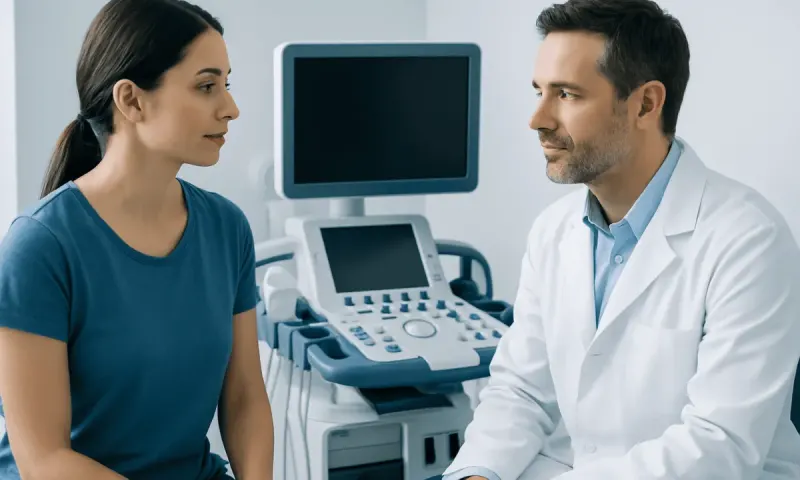
If professional evaluation is needed, the doctor usually starts with a close skin examination and questions about timing, skin-care products, medications, hormones, and family history. This step helps distinguish a temporary clogged pore from more persistent acne or another skin problem that may need targeted treatment.
What these bumps feel and look like
Pimples under the skin often appear as tender, raised, red, pink, or skin-colored bumps. They may feel deeper than an ordinary pimple and can be painful when touched. Because the blocked pore sits lower in the skin, there may be no central opening or visible pus at the surface.
Some lesions stay small and sore for a few days, while others enlarge and become more inflamed. In people with oily or acne-prone skin, these bumps may occur on the face, jawline, chest, shoulders, back, or neck. They may appear one at a time or as part of a larger acne flare.
It is not always easy to tell a blind pimple from a cyst or ingrown hair. Features that can overlap include a firm lump, redness, tenderness, and a slow healing course. If a bump keeps recurring in the same spot, feels very deep, or lasts several weeks, it is worth having it examined rather than assuming it is just routine acne.
- Common sensations: soreness, pressure, throbbing, tenderness
- Common appearances: no white tip, mild swelling, redness, firm texture
- Common locations: face, jawline, back, shoulders, chest
Why pimples form under the skin
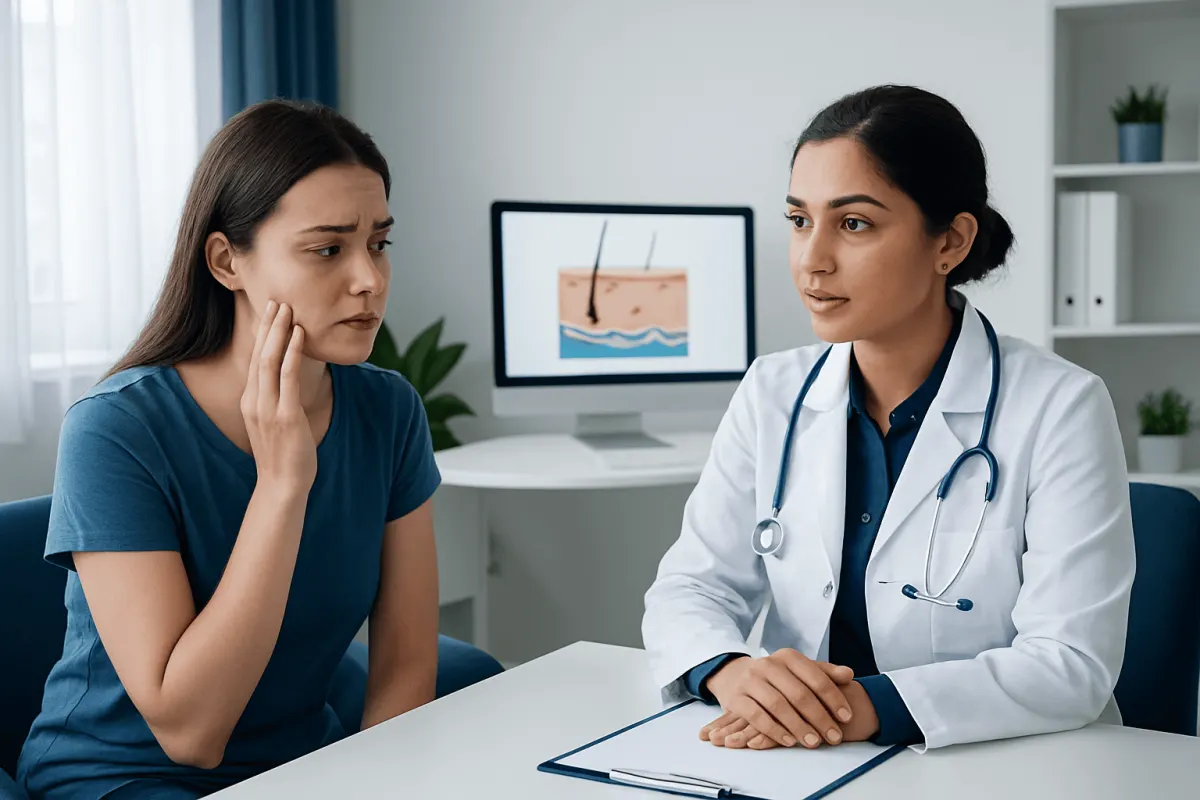
Under-the-skin pimples develop when oil, dead skin cells, and debris block a hair follicle. The blocked pore can then become inflamed, and naturally occurring skin bacteria may contribute to swelling and tenderness. When inflammation happens deeper in the skin, the result may be a painful bump rather than a surface whitehead.
Several factors can increase the chance of these lesions. Hormonal shifts are a common trigger, particularly around puberty, menstruation, pregnancy, or conditions that affect hormone balance. Stress can also worsen acne in some people, likely through inflammatory and hormonal pathways.
Skin-care habits matter too. Heavy or pore-clogging products, frequent touching of the face, friction from helmets or tight clothing, and overly harsh scrubbing can all aggravate the skin. In some people, persistent deep lesions may be part of nodular or cystic acne rather than occasional pimples.
Other bumps can mimic acne. Folliculitis, epidermoid cysts, ingrown hairs, and skin infections may look similar at first. This is one reason a doctor may review the pattern carefully if home treatment is not helping or if the lesions are unusually deep, painful, or recurrent.
How to remove pimples that are under the skin safely
The safest approach is to reduce inflammation and support natural healing. The area should be kept clean with a mild cleanser once or twice daily, but aggressive scrubbing should be avoided. A warm compress for several minutes can sometimes help the bump soften and become less painful, while ice wrapped in cloth may briefly reduce swelling and discomfort.
Squeezing, poking, or trying to drain the bump at home is not recommended. Deep pimples usually do not empty easily, and pressure can push inflammation farther into the skin. This raises the risk of infection, prolonged healing, post-inflammatory dark marks, and permanent scars.
Over-the-counter acne products can be useful, especially if the person gets repeated blemishes. Ingredients commonly used include benzoyl peroxide to reduce acne-causing bacteria and inflammation, and salicylic acid to help unclog pores. A retinoid such as adapalene may also help prevent new clogged pores over time, although it can irritate sensitive skin if started too quickly.
Spot treatment may help some lesions, but consistency matters more than using many products at once. If the skin becomes very dry, red, or burning, products should be reduced and a doctor or pharmacist can advise on next steps. For people with repeated or deeper breakouts, a dermatologist may discuss acne treatment plans that combine skin care, prescription creams, or oral medicines when appropriate.
When home care may not be enough
Home care is often reasonable for a single mild lesion, but persistent or more severe symptoms deserve a closer look. Recurrent deep pimples can signal inflammatory acne that is more likely to scar, especially when lesions involve the jawline, cheeks, chest, or back. Earlier treatment can reduce both discomfort and long-term skin changes.
A person should consider medical review if a bump lasts for weeks, repeatedly returns in the same place, becomes increasingly painful, or is associated with multiple similar lesions. Medical care is also sensible if over-the-counter acne therapy has been used consistently for several weeks without improvement.
Possible warning signs of infection include increasing redness, warmth, significant swelling, yellow drainage, or fever. These symptoms do not always mean a serious problem, but they should not be ignored. In some cases, what seems like a pimple may actually be a cyst, boil, or another condition needing different treatment.
Scarring is another reason to seek help sooner rather than later. If the skin is developing pitted scars, firm nodules, or dark marks that are emotionally distressing, a dermatologist can discuss options to control active lesions and reduce the chance of lasting marks, including care related to dermatology assessment and follow-up.
How doctors diagnose the cause
Diagnosis is usually based on the history and a skin examination. A doctor will ask when the bumps started, whether they are painful or itchy, what skin products are being used, whether there are menstrual or other hormonal patterns, and if there is any family history of significant acne. The location, number, and depth of lesions also provide useful clues.
Most people do not need blood tests or scans for routine acne-like bumps. However, if lesions are unusual, resistant to treatment, or linked to signs of hormone imbalance, additional evaluation may be recommended. This could include checking for endocrine causes or reviewing medicines that can worsen acne.
The doctor may also look for signs that the bump is not acne. A solitary firm nodule may suggest a cyst; clusters around hair follicles may suggest folliculitis; recurrent painful lumps in body folds may point toward another inflammatory condition. Identifying the right cause is important because treatment varies.
For patients needing broader care, specialists may coordinate diagnosis and treatment across dermatology and related services. Acıbadem Health Point’s multidisciplinary specialists in JCI-accredited hospitals diagnose and treat skin conditions for international patients when more detailed assessment is needed.
Treatment options for frequent, painful, or deep lesions
If pimples under the skin are frequent or severe, doctors may recommend prescription treatment. Common options include topical retinoids, benzoyl peroxide combinations, topical antibiotics used in selected cases, or oral medicines for inflammatory acne. The choice depends on age, pregnancy status, skin sensitivity, acne severity, and the risk of scarring.
For people whose breakouts appear hormone-related, treatment may involve approaches that address that pattern under medical guidance. Deep cystic lesions sometimes need more than topical care, and early treatment can shorten recovery and reduce damage to the skin. Some painful inflamed nodules may be treated in the clinic with targeted procedures, depending on the diagnosis.
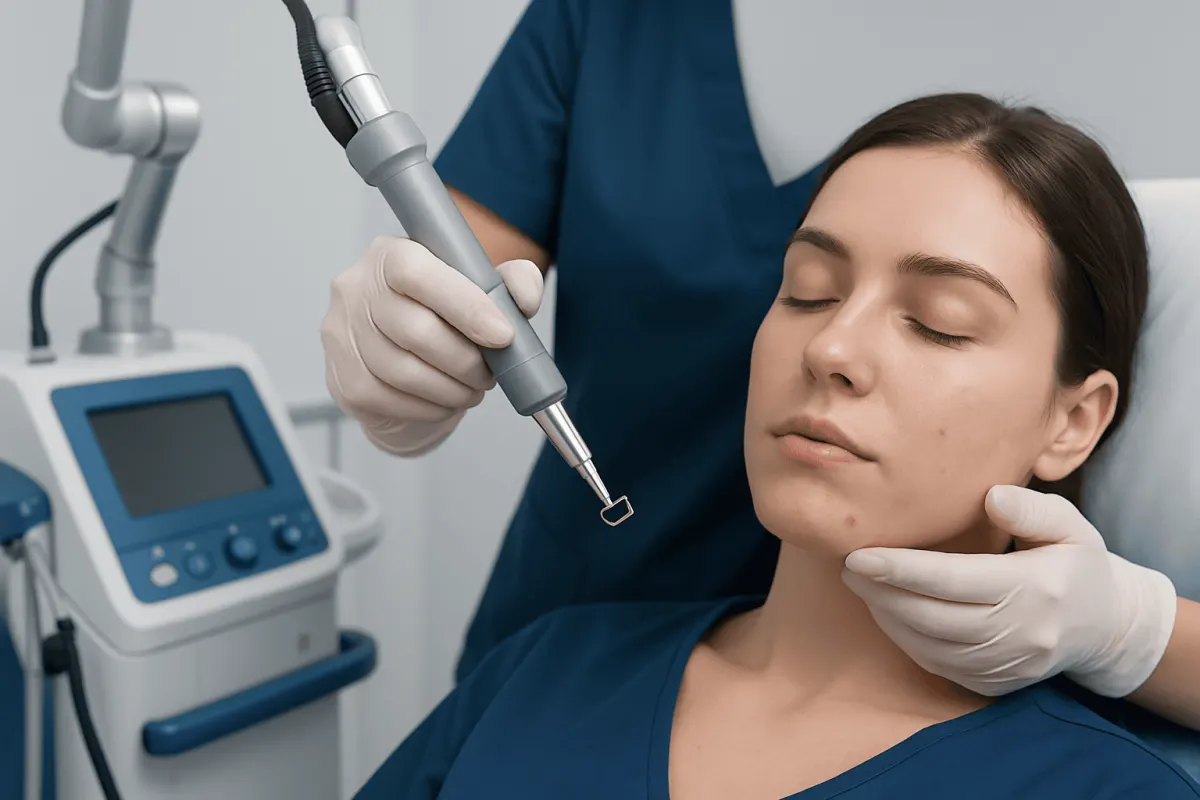
If marks or scars remain after acne settles, further treatment may be discussed once active inflammation is controlled. Options vary and can include medical skin care, procedural therapies, or scar-focused approaches. In selected patients with pitted or textural scars from former acne, a specialist may discuss procedures such as laser treatment when clinically suitable.
When acne is severe, widespread, or emotionally distressing, structured follow-up is helpful. This allows treatment to be adjusted safely and gives the skin enough time to respond, since acne therapies often work gradually rather than overnight.
Prevention, self-care, and when to seek medical care
Prevention focuses on lowering pore blockage and irritation. Gentle cleansing, non-comedogenic skin and hair products, and regular but not excessive acne care are usually more effective than harsh routines. Makeup should be removed before sleep, and sports gear or tight clothing that traps sweat and friction should be cleaned regularly and used carefully when possible.
Hands should be kept away from active spots, and any temptation to squeeze should be resisted. Picking can turn a small deep bump into a larger inflamed lesion and increase the risk of discoloration. A consistent simple routine is often better than layering many products that dry or irritate the skin.
Medical care should be sought if a pimple under the skin becomes very painful, swollen, hot, or drains pus; if redness spreads; if there is fever; if lesions are frequent or scarring; or if the diagnosis is uncertain. A person should also seek help if the lump persists for several weeks or recurs in the same place, since a non-acne cause may need to be ruled out.
People who have repeated deep breakouts, especially with scarring or a possible hormonal pattern, may benefit from specialist review instead of relying only on home remedies. Early treatment can make symptoms easier to control and may help prevent lasting marks.
Frequently asked questions
01Can a pimple under the skin go away on its own?
Yes, many under-the-skin pimples gradually settle without being drained. They often take longer than surface pimples to heal, so gentle care and avoiding picking are important. If a bump lasts for weeks or keeps returning, it should be checked.
02Should a pimple under the skin be popped?
No. Deep pimples are difficult to empty safely, and squeezing can push inflammation deeper into the skin. This can increase pain, infection risk, dark marks, and scarring.
03What helps reduce pain and swelling quickly?
A warm compress may help some bumps soften, while a cool compress can reduce swelling and tenderness for short periods. Gentle cleansing and an appropriate acne spot treatment may also help. If pain is severe or redness is spreading, medical advice is recommended.
04How long do blind pimples usually last?
They may last several days to a few weeks depending on the depth of inflammation and whether the skin is being irritated. Deeper lesions often heal more slowly than whiteheads or blackheads. Recurrent lesions may point to inflammatory acne that needs treatment.
05When is a pimple under the skin not really acne?
Some lumps are actually cysts, ingrown hairs, folliculitis, or small skin infections rather than acne. A non-acne cause is more likely if the bump keeps returning in the same place, behaves differently from usual breakouts, or does not improve with standard acne care. A doctor can usually tell by examining the skin.
06Can under-the-skin pimples leave scars?
Yes, deeper inflammatory lesions are more likely to leave dark marks or scars, especially if they are squeezed or if treatment is delayed. Early management can reduce this risk. Anyone noticing pitted scars or repeated painful nodules should consider seeing a dermatologist.
This article is for general information only and is not a substitute for professional medical advice. Please consult a qualified doctor about your individual situation.
Hair transplant in Turkey — costs, graft counts & a free assessment
JCI-accredited · board-certified surgeons · reply within 24h
Add us as a Preferred Source to see more of our trusted health content across Google Search, AI Overviews and Discover.