Does Alcohol Raise Cholesterol? A Doctor-Reviewed Answer
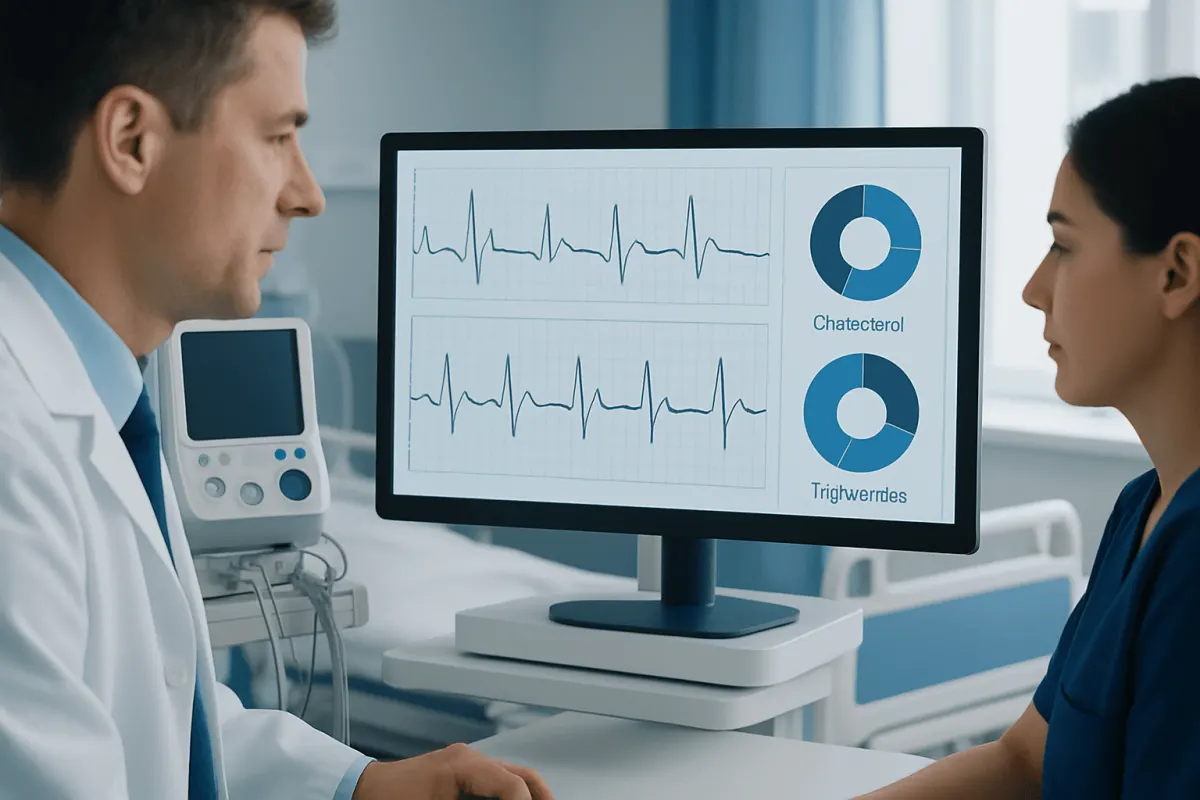
Alcohol can affect blood fats, particularly triglycerides. Occasional drinking does not usually cause an immediate problem in otherwise healthy people, but regular or heavy alcohol use can contribute to high triglycerides, weight gain, liver problems, and an unfavorable cholesterol profile.
Does alcohol raise cholesterol?
Yes, alcohol can raise cholesterol-related blood fats, especially triglycerides. For many people, an occasional alcoholic drink does not cause a lasting change in laboratory results or symptoms. However, regular drinking, binge drinking, or drinking large amounts can raise triglycerides substantially and may contribute to an unhealthy overall lipid profile.
Alcohol has sometimes been associated with higher HDL cholesterol, often called “good” cholesterol. However, a higher HDL level does not cancel out alcohol’s potential harms, including higher triglycerides, high blood pressure, liver disease, some cancers, injuries, and alcohol dependence. Major health organizations do not recommend starting to drink alcohol, or drinking more, to improve cholesterol or prevent heart disease.
The effect differs from person to person. It depends on the amount and pattern of alcohol use, diet, body weight, genetics, physical activity, medicines, and conditions such as diabetes or thyroid disease. A blood test is needed to determine whether cholesterol or triglycerides are high; these changes usually do not cause noticeable symptoms.
How alcohol changes cholesterol and triglycerides
A standard lipid panel measures total cholesterol, LDL cholesterol, HDL cholesterol, and triglycerides. LDL is often called “bad” cholesterol because higher levels can contribute to plaque buildup in arteries over time. Triglycerides are the main form of stored fat in the body and provide energy, but high levels can also increase cardiovascular risk.
The liver processes alcohol. During this process, it may make more triglycerides and release more of them into the bloodstream. Alcoholic drinks can also add calories, and drinks mixed with sugar, syrups, juice, or soft drinks may further increase triglyceride levels. Over time, excess calories can contribute to weight gain, which may raise LDL cholesterol and triglycerides while lowering HDL cholesterol.
Alcohol’s influence on LDL cholesterol is less predictable than its effect on triglycerides. Some people may see little LDL change, while others develop higher LDL because of weight gain, dietary patterns, liver effects, or related metabolic conditions. Therefore, looking only at total cholesterol or HDL can be misleading; the full lipid profile and a person’s overall cardiovascular risk are more informative.
- Triglycerides: often increase with regular heavy drinking or binge drinking.
- HDL cholesterol: may increase with alcohol exposure, but this is not a reason to drink.
- LDL cholesterol: may rise indirectly through weight gain, diet, metabolic changes, and individual factors.
- Total cholesterol: can change in either direction and should be interpreted alongside LDL, HDL, and triglycerides.
Who is more likely to be affected?

People respond differently to alcohol, and some are particularly sensitive to its effect on triglycerides. Regular heavy intake and episodes of consuming several drinks in a short time are more likely to cause abnormal results than infrequent, low-volume intake. In some individuals, even modest alcohol intake can noticeably increase triglycerides.
The risk is also higher in people with excess body weight, insulin resistance, type 2 diabetes, metabolic syndrome, or poorly controlled blood sugar. These conditions can already raise triglycerides, and alcohol may add to the effect. A family history of high cholesterol or very high triglycerides can also make a person more susceptible.
Liver conditions are another important consideration because the liver plays a central role in processing fats and alcohol. People with fatty liver disease or other liver disorders should discuss alcohol use with their clinician. Alcohol can also interact with some medicines, including certain treatments used for cholesterol, diabetes, blood pressure, pain, sleep, and mental health.
Diet matters as well. A pattern high in refined carbohydrates, sugary foods, saturated fats, or ultra-processed foods can compound alcohol’s impact. For this reason, a raised triglyceride result does not always have one single cause. A clinician will consider alcohol use as one part of the wider picture.
What high triglycerides and cholesterol may mean
High cholesterol and triglycerides usually develop silently. They do not typically cause pain, tiredness, or other clear warning signs. Even so, persistently elevated LDL cholesterol can increase the likelihood of atherosclerosis, a gradual buildup of fatty plaque in the arteries that can raise the risk of heart attack and stroke over many years.
Very high triglycerides deserve prompt medical attention because they can increase the risk of acute pancreatitis, an inflammation of the pancreas. Symptoms of pancreatitis may include severe and persistent upper abdominal pain, pain that spreads to the back, vomiting, fever, or a fast heartbeat. These symptoms can have several causes, but they should be assessed urgently rather than managed at home.
Very high triglyceride levels may occasionally be associated with yellowish fatty deposits on the skin, known as xanthomas, although these are not present in most people. More commonly, an abnormal result is found during routine health screening or when blood tests are performed for diabetes, liver health, or cardiovascular risk assessment.
High cholesterol is common and manageable. Identifying it early gives people an opportunity to make informed lifestyle changes and, when appropriate, use medicines that lower cardiovascular risk. The aim is not simply to improve one number on a test, but to support long-term heart, blood vessel, liver, and metabolic health.
How doctors assess alcohol-related lipid changes
A doctor will usually start by reviewing the lipid panel and asking about alcohol use in a nonjudgmental way. It is helpful to share the typical number of drinks per week, whether drinking occurs daily or in binges, and whether intake has changed recently. Information about diet, exercise, smoking, sleep, family history, and current medicines is also important.
The clinician may repeat the lipid panel after a period of reduced alcohol intake and lifestyle adjustment, especially if the triglyceride level is unexpectedly high. Depending on the situation, blood tests may also assess blood glucose or HbA1c, thyroid function, liver enzymes, kidney function, and other possible contributors. The timing and preparation for testing can matter, so patients should follow the laboratory’s instructions about fasting if one is requested.
A doctor will assess cardiovascular risk as a whole rather than interpreting a single result in isolation. Age, blood pressure, diabetes, smoking status, kidney disease, family history, and previous heart or vascular disease all influence the best plan. People with persistently high levels may need further evaluation for inherited lipid disorders or secondary causes.
When alcohol use feels difficult to reduce or stop, this is a health issue worth discussing openly. Support may include counseling, structured alcohol-reduction programs, mental health support, and medical treatment where appropriate. Seeking help is a practical, positive step and does not require someone to wait for a crisis.
What can help improve cholesterol and triglycerides
For people whose triglycerides are high, reducing alcohol or avoiding it completely is often one of the most effective first steps. This is particularly important when triglycerides are markedly elevated, when there is liver disease, or when a clinician has advised abstinence. The appropriate approach is individual; people who drink heavily should seek medical guidance before stopping suddenly if they may be at risk of alcohol withdrawal.
Eating patterns also make a meaningful difference. A heart-healthy approach emphasizes vegetables, fruits, beans, whole grains, nuts, seeds, and unsaturated fats, while limiting sugary drinks, refined carbohydrates, processed meats, and foods high in saturated or trans fats. Choosing water or unsweetened drinks instead of alcohol and sugary mixers can reduce both alcohol exposure and excess calories.
Regular physical activity, gradual weight loss when advised, not smoking, and managing diabetes or thyroid disease can improve lipid levels. A clinician may recommend cholesterol-lowering or triglyceride-lowering medicine based on the result and the person’s overall risk. Medication should not be stopped or changed without medical advice, and alcohol use should be reviewed for potential interactions.
Acıbadem Health Point’s multidisciplinary specialists and JCI-accredited hospitals can assess lipid abnormalities and related metabolic or liver concerns for international patients. A personalized plan can help address alcohol use, nutrition, cardiovascular risk factors, and any underlying medical condition together.
When to seek medical care
Arrange a routine medical appointment if a cholesterol or triglyceride result is high, particularly if it remains elevated on repeat testing. A review is also sensible for anyone with diabetes, high blood pressure, obesity, liver disease, a strong family history of early heart disease, or a family history of very high cholesterol or triglycerides. Early assessment is reassuring and can clarify whether alcohol is playing a role.
Seek prompt medical care for severe, ongoing upper abdominal pain, especially if it occurs with nausea, repeated vomiting, fever, or pain spreading to the back. These symptoms may indicate pancreatitis or another condition needing urgent assessment. Chest pressure or pain, sudden shortness of breath, fainting, weakness on one side of the body, facial drooping, or difficulty speaking also require emergency care.
It is also important to seek professional support if alcohol use is affecting work, relationships, safety, mood, sleep, or physical health, or if cutting down feels difficult. Medical teams can offer confidential, compassionate support. Addressing alcohol use early may protect health and make lipid management more effective.
Frequently asked questions
01Can drinking alcohol the night before a cholesterol test affect the results?
Alcohol shortly before testing may affect triglyceride levels, particularly after heavier drinking. It is best to follow the testing instructions provided by the laboratory or clinician, including any fasting guidance. Let the doctor know about recent alcohol intake if results are unexpectedly abnormal.
02Does wine lower cholesterol?
Some studies have observed that alcohol intake may be associated with higher HDL cholesterol, but wine is not a recommended cholesterol treatment. Any possible HDL change does not outweigh alcohol-related risks for everyone. Heart-healthy food choices, physical activity, and prescribed treatment are safer ways to manage cholesterol.
03Will stopping alcohol lower triglycerides?
Reducing or stopping alcohol can lower triglycerides, especially when alcohol has been a major contributor. The degree of improvement varies according to alcohol intake, diet, weight, diabetes control, genetics, and other factors. A repeat lipid test can show how levels respond over time.
04Can alcohol cause very high triglycerides?
Yes. Heavy alcohol intake can contribute to very high triglycerides, particularly in people with diabetes, obesity, inherited lipid disorders, or a diet high in sugar and refined carbohydrates. Very high triglycerides can raise the risk of pancreatitis and should be reviewed promptly by a doctor.
05Should someone with high cholesterol stop drinking alcohol completely?
The best approach depends on the full lipid profile, health history, medicines, and alcohol intake. People with high triglycerides, liver disease, pancreatitis, alcohol use disorder, or certain medical conditions may be advised to avoid alcohol. A clinician can provide individualized guidance rather than a one-size-fits-all recommendation.
06How long does it take for triglycerides to improve after reducing alcohol?
Triglycerides may begin to improve within weeks after alcohol reduction, but the timing differs between individuals. Changes in diet, weight, physical activity, and treatment of related conditions also influence the result. A doctor may recommend repeat blood testing after an appropriate interval.
This article is for general information only and is not a substitute for professional medical advice. Please consult a qualified doctor about your individual situation.
Medical weight-loss options in Turkey — costs & eligibility
JCI-accredited · board-certified surgeons · reply within 24h
Add us as a Preferred Source to see more of our trusted health content across Google Search, AI Overviews and Discover.