How to Get Rid of Toothache?

Key Takeaways
- Toothache relief at home can help temporarily, but it does not treat the underlying problem.
- Common causes include cavities, gum disease, cracked teeth, infection, and sensitivity.
- Cold compresses, gentle rinsing, and careful cleaning may reduce discomfort until dental care is available.
- Severe pain, swelling, fever, or trouble swallowing need prompt professional assessment.
- A dentist can identify the source of pain and recommend treatment that prevents it from returning.
Toothache can sometimes ease with simple home measures, but lasting relief usually depends on finding and treating the cause. This guide explains safe ways to calm pain, what may be behind it, and when dental care should not be delayed.
Overview
For someone wondering how to get rid of toothache, the most useful first step is to treat it as a symptom, not a diagnosis. Tooth pain often improves only briefly with home care because the real issue may be a cavity, inflamed gum tissue, a cracked tooth, or an infection that needs dental treatment.
In practical terms, the goal is twofold: ease the pain safely and arrange a dental assessment as soon as possible. A mild toothache after eating something hot or cold may settle for a while, but persistent pain, throbbing pain, or pain that wakes a person at night deserves attention. In international-patient settings, this often means deciding whether to use local temporary relief at home or travel for a more complete dental evaluation if symptoms are recurring or severe.
Toothache is common, but it should not be ignored for long. Even when the pain seems manageable, early care can prevent the problem from becoming more complex and can reduce the chance of tooth loss or spread of infection.
Symptoms
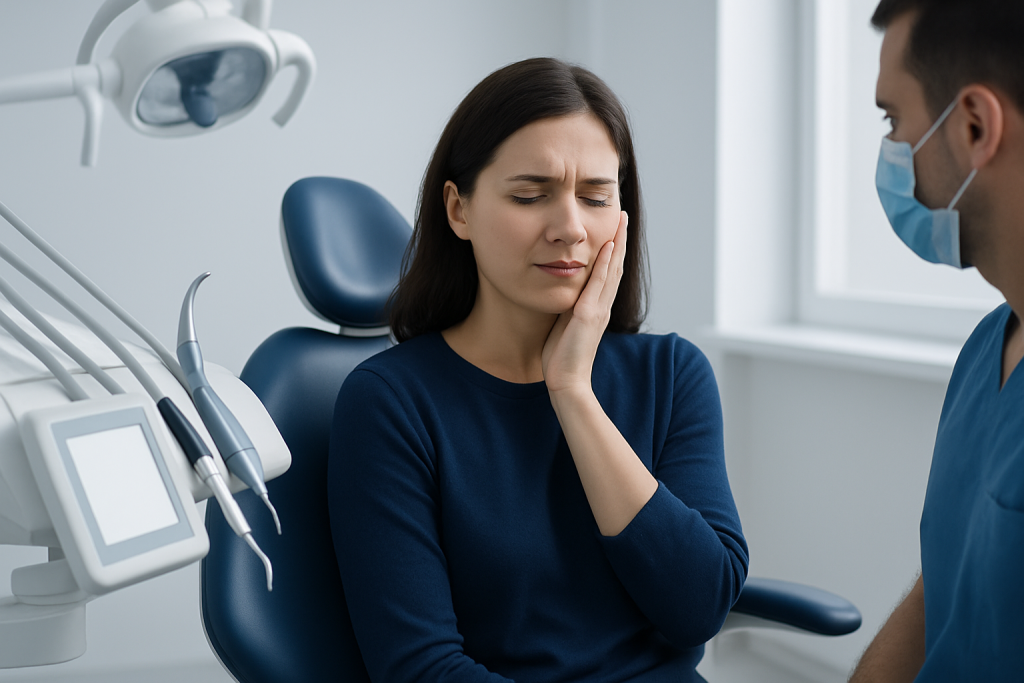
Toothache does not always feel the same way. Some people describe a sharp pain only when chewing, while others notice a steady ache, pressure, or a throbbing sensation that becomes more noticeable at night. Sensitivity to cold, heat, or sweet foods may be an early clue that a tooth or the surrounding tissues are irritated.
Other symptoms can help show whether the issue is likely to be more than simple sensitivity. These may include swelling around the gum, bad taste in the mouth, bleeding gums, pain when biting, or a tooth that feels loose or higher than the others. Pain that spreads to the jaw, ear, or head can still come from a dental source.
- Pain that starts suddenly or gradually
- Sensitivity to temperature or pressure
- Swollen or tender gums
- Pain while chewing or opening the mouth
- Fever, facial swelling, or a foul taste in the mouth in some cases
Because symptoms overlap, the pattern alone is not enough to know the exact cause. A dentist usually needs to examine the mouth and may use imaging to identify the source accurately.
Causes & Risk Factors

The most common reason for toothache is tooth decay. When bacteria damage the enamel and deeper layers of the tooth, the nerve can become irritated and painful. Pain may begin as mild sensitivity and later become more constant if the decay reaches the inner tooth.
Gum disease is another frequent cause. Inflamed gums can feel sore and bleed easily, and advanced gum problems may expose tooth roots or affect the support around teeth. A cracked tooth, worn filling, grinding, or trauma can also trigger pain, sometimes only when biting or releasing pressure.
Less commonly, tooth pain may be linked to a dental abscess, impacted wisdom tooth, sinus pressure, or a problem in the jaw joint that is felt as tooth pain. Risk tends to increase when oral hygiene is inconsistent, sugary foods are frequent, dry mouth is present, smoking is involved, or regular dental checkups have been delayed.
Diagnosis
A dental diagnosis usually begins with a conversation about the pain itself. The dentist may ask when it started, whether it is sharp or dull, what makes it worse, and whether the pain is linked to biting, hot or cold foods, or sleep. These details help narrow the likely cause before the mouth is examined.
During the examination, the dentist looks for cavities, swelling, gum inflammation, cracks, loose restorations, and signs of infection. Gentle tapping or temperature testing may help identify the tooth involved. If the source is not obvious, dental X-rays or other imaging may be used to see hidden decay, the root area, or the bone around the tooth.
In some people, pain that feels like toothache may have a non-dental cause, such as sinus-related discomfort or jaw joint strain. That is why a professional evaluation matters: the right treatment depends on knowing exactly where the pain is coming from.
Treatment Options
How to get rid of toothache permanently depends on the cause. If decay is the issue, the tooth may need a filling, crown, or root canal treatment. If infection is present, dental drainage or other treatment may be necessary, and the dentist will decide whether medication is appropriate as part of the overall plan.
When gum disease is contributing to pain, treatment may include a professional cleaning, improved plaque control, and follow-up care to calm inflammation and protect the teeth. A cracked tooth may need bonding, a crown, or in some situations removal if it cannot be repaired. Wisdom tooth pain may improve after treatment for gum inflammation, or the tooth may need to be removed if it repeatedly causes problems.
For temporary relief before dental care, a person may try a few careful measures:
- Rinse gently with warm salt water
- Use a cold compress on the outside of the cheek
- Keep the mouth clean with gentle brushing and flossing around the area
- Avoid very hot, cold, or sugary foods if they worsen pain
- Chew on the opposite side if possible
It is important not to place aspirin directly on the gums or tooth, as this can irritate the tissue. Home remedies can reduce discomfort, but they do not remove decay, heal a crack, or cure infection. A dentist should guide any medication use, especially for children, pregnant individuals, or people with other medical conditions.
Prevention & Self-care
Many toothaches can be prevented with steady daily care rather than dramatic changes. Brushing twice a day with fluoride toothpaste, cleaning between the teeth once daily, and limiting frequent snacking help reduce the buildup of plaque that damages teeth and gums. Regular dental visits allow problems to be found before they become painful.
Self-care is also about noticing patterns. If a tooth hurts when a person drinks cold water, chews on one side, or wakes up with jaw soreness, these clues should be shared with the dentist. People who grind their teeth may benefit from a night guard, while those with dry mouth may need personalized advice to protect the enamel.
For patients traveling from another country for dental treatment, it helps to plan follow-up before leaving home. A clear aftercare schedule, access to records, and instructions for what symptoms are normal during recovery can make treatment safer and less stressful once the patient returns home.
When to See a Doctor
A dentist should be contacted promptly if tooth pain lasts more than a day or two, keeps returning, or interferes with eating or sleeping. Even if the pain fades, the cause may still be present and can worsen over time. Early assessment is especially helpful when a person has ongoing dental work, orthodontic appliances, or a history of gum disease.
Some symptoms need faster attention. These include facial swelling, fever, pus, severe pain, trouble swallowing, difficulty opening the mouth, or pain after an injury to the mouth or jaw. These signs can indicate infection or another problem that should be assessed without delay.
If care is being arranged from abroad, it is reasonable to ask for a review of symptoms, imaging, and treatment options before travel whenever possible. Acibadem Health Point’s multidisciplinary specialists and JCI-accredited hospitals diagnose and treat dental conditions for international patients, helping them coordinate care before, during, and after their visit.
Living With Tooth Pain Until Care Is Available
When a dental appointment is not immediate, comfort and caution both matter. Soft foods, careful oral hygiene, and avoiding temperature extremes can make the day more manageable. Rest and hydration may also help, especially if pain has made eating or sleeping difficult.
Still, it is best to view these measures as a bridge to proper treatment rather than a solution. Tooth pain often improves and then returns if the underlying cause remains active. A planned dental visit is the most reliable path to lasting relief.
People who are uncertain whether their symptoms are urgent can use a simple rule: if the pain is new, worsening, or associated with swelling or systemic symptoms, it should not be watched for long at home. A qualified dental professional can explain the next steps clearly and help prevent further discomfort.
Frequently asked questions
01What is the fastest way to ease a toothache at home?
A cold compress, gentle warm salt-water rinsing, and avoiding very hot or cold foods may reduce discomfort temporarily. These measures can help a person stay comfortable until a dentist can identify the cause. They do not replace treatment for decay, infection, or a cracked tooth.
02Can a toothache go away on its own?
Sometimes pain may lessen for a short time, especially if irritation settles or food gets dislodged. However, the underlying problem often remains and may return later. Persistent or recurring pain should be checked by a dentist.
03Should antibiotics be taken for a toothache?
Not every toothache needs antibiotics, and they do not fix cavities or cracks. A dentist decides whether medication is appropriate based on whether infection is present and on the overall treatment plan. Self-starting antibiotics is not recommended.
04Why does toothache get worse at night?
Lying down can increase awareness of throbbing pain, and there are fewer distractions at night. In some cases, inflammation or infection may also be the reason the pain feels stronger. Night pain is a good reason to arrange dental care soon.
05What if the toothache is actually coming from the jaw or sinus?
Pain can sometimes feel like it is coming from a tooth even when the jaw joint or sinuses are involved. Because the symptoms overlap, a dental exam is the safest way to sort out the source. The right treatment depends on whether the pain is dental or not.
06When is tooth pain an emergency?
Tooth pain becomes more urgent if it comes with facial swelling, fever, pus, trouble swallowing, or difficulty opening the mouth. These features can suggest infection or another problem that needs prompt assessment. If breathing is affected, emergency care is needed right away.
This article is for general information only and is not a substitute for professional medical advice. Please consult a qualified doctor about your individual situation.
Explore treatments in Turkey — costs, top hospitals & a free quote
JCI-accredited · board-certified surgeons · reply within 24h
Add us as a Preferred Source to see more of our trusted health content across Google Search, AI Overviews and Discover.