What Is Cracked Tooth? A Complete Medical Guide

Key Takeaways
- A cracked tooth can cause pain when biting, sensitivity to temperature, or intermittent discomfort that comes and goes.
- Cracks may be small and hard to see, but they can still weaken the tooth and allow bacteria to enter.
- Treatment depends on crack depth, location, and whether the tooth pulp is involved.
- Early care may help preserve the tooth and reduce the need for more complex dental treatment.
- Home care can protect the tooth temporarily, but it does not repair the crack.
- Prompt dental assessment is especially important if pain is severe, swelling develops, or chewing becomes difficult.
A cracked tooth is a tooth with a fracture that may range from a tiny surface line to a deeper break affecting the nerve. Because symptoms can be subtle and the crack may not be visible, timely dental evaluation is important.
Overview
A cracked tooth is exactly what it sounds like: a tooth that has developed a fracture. The crack may be superficial and limited to the outer enamel, or it may extend deeper into the tooth structure, sometimes reaching the inner pulp where the nerve and blood supply are located.
For many people, the first clue is not a visible break but a sharp twinge when chewing, especially on a release of pressure after biting. Others notice sensitivity to cold drinks, unexplained discomfort that comes and goes, or pain that is difficult to pin to one exact spot. Because the signs can be inconsistent, a cracked tooth is often mistaken for a sinus problem, gum irritation, or simple tooth sensitivity.
Understanding the condition early matters. Some cracks remain stable for a time, while others deepen with chewing, grinding, or repeated temperature changes. A dentist can determine whether the tooth can be restored, monitored, or protected with a crown or another treatment.
Symptoms
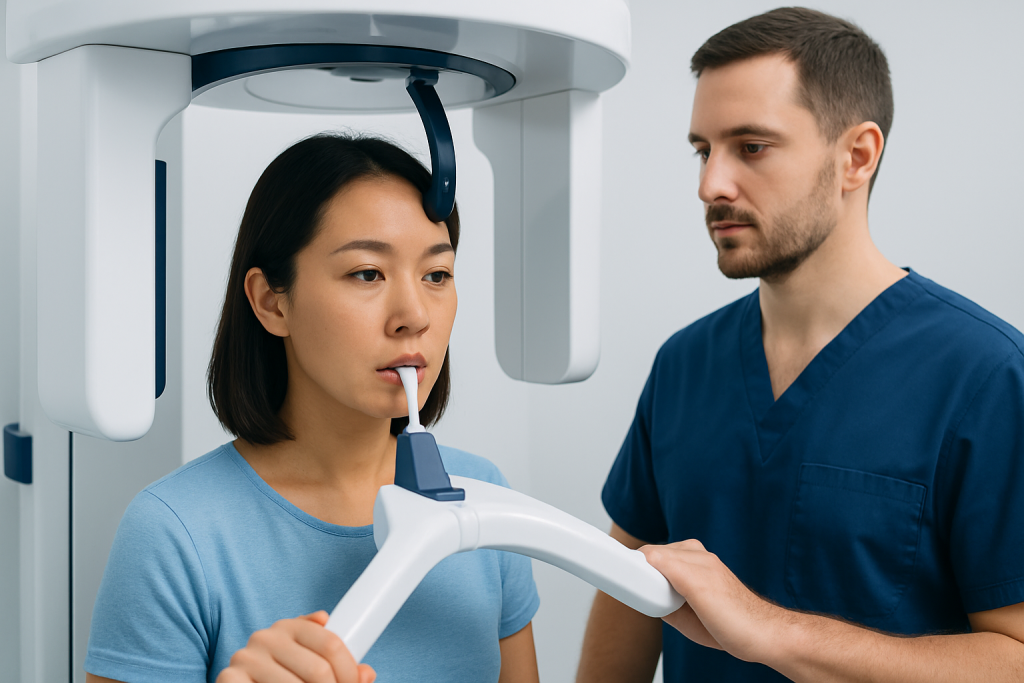
The symptoms of a cracked tooth vary widely, which is one reason the condition can be challenging to recognize. Pain may be sharp and brief, or it may appear only under certain conditions such as biting on a hard food or drinking something cold. In some cases, the tooth feels normal most of the time and then suddenly becomes irritated.
Common signs may include:
- Pain when chewing, especially when pressure is released
- Sensitivity to hot, cold, or sweet foods and drinks
- Intermittent discomfort that is hard to locate
- Swelling around the tooth or gum if inflammation develops
- A rough edge, visible line, or chipped area on the tooth surface
Not every cracked tooth causes severe pain. Some cracks are discovered during a dental examination or imaging after a person mentions mild, recurring symptoms. When the tooth’s inner tissue becomes irritated or infected, the discomfort can become more persistent and the tooth may need more involved treatment.
Causes & Risk Factors

Cracks can form for several reasons, and often more than one factor is involved. Teeth are designed to handle daily forces, but repeated stress can eventually overwhelm their structure. A single hard bite on a seed, ice, or unpopped popcorn kernel may be enough to trigger a crack in a tooth that is already weakened.
Common causes and risk factors include:
- Teeth grinding or clenching, especially during sleep
- Biting hard foods, hard objects, or unexpected foreign material in food
- Large fillings that leave less natural tooth structure supporting the tooth
- Sudden temperature changes, such as very hot and very cold foods in sequence
- Previous dental trauma or injury
- Age-related wear, which can make teeth more vulnerable over time
Some teeth are more at risk than others. Back teeth take the highest chewing forces, and teeth with multiple restorations may have less resilience. People who grind their teeth, have bite alignment issues, or have a history of extensive dental work should be especially attentive to new symptoms.
Diagnosis
Diagnosing a cracked tooth often requires careful clinical evaluation because the crack may be too small to see directly. A dentist typically begins by asking about symptoms, when they occur, and whether pain is linked to chewing, temperature, or a specific tooth. The pattern of discomfort can provide important clues.
To confirm the diagnosis, the dentist may use several approaches. These can include a visual exam, biting tests, transillumination with a special light, staining methods to highlight a fracture, and dental X-rays. Imaging may not always show a crack clearly, especially if it is very fine or runs in a direction that is hard to capture on standard films.
In some cases, additional imaging or specialist assessment is needed to understand how deep the crack extends. This is particularly important when deciding whether the tooth can be preserved with restoration or whether root canal treatment or another procedure is necessary. For international patients, this step-by-step evaluation is helpful because it avoids unnecessary treatment decisions made before the full picture is clear.
Treatment Options
Treatment depends on the type of crack, where it is located, and whether the nerve tissue inside the tooth is affected. A minor surface crack in the enamel may only need monitoring and protective dental care. More significant fractures usually require structural support to keep the tooth from splitting further.
Possible treatments include:
- Bonding or filling: Used for small cracks or chipped areas in selected cases
- Crown: Covers and strengthens a tooth with a deeper crack or significant wear
- Root canal treatment: Considered when the crack has irritated or infected the pulp
- Extraction: Needed when the tooth is too damaged to restore safely
Many patients wonder whether a cracked tooth can simply be “glued back together.” In most cases, treatment is not that simple. The aim is to stabilize the tooth, remove pain, and prevent the fracture from progressing. When the crack extends below the gumline or into the root, preserving the tooth becomes more complex and the dentist will discuss realistic options.
For a patient traveling from another country, timing matters. A dentist may first stabilize the tooth, then complete definitive treatment either during the same visit or in a planned follow-up, depending on how deep the crack is and how symptoms respond.
Prevention & Self-care
Not every cracked tooth can be prevented, but several habits can reduce risk. The goal is to reduce repeated stress on teeth and avoid sudden force that can create or widen a fracture. Small changes can make a meaningful difference over time, especially for people who clench or grind their teeth.
Helpful preventive steps include wearing a night guard if recommended for grinding, avoiding chewing ice or very hard foods, and not using teeth to open packaging. Regular dental checkups are also valuable because worn fillings, bite problems, and early cracks may be identified before they become more troublesome.
If a crack is already suspected, self-care is temporary support rather than a cure. Until a dentist is seen, it may help to chew on the opposite side, choose softer foods, avoid very hot or very cold items, and keep the mouth clean with gentle brushing and flossing. Over-the-counter pain relief should only be used according to the product label and if it is safe for the individual. If swelling, fever, or worsening pain appears, dental care should not be delayed.
When to See a Doctor
A dentist should be consulted promptly if pain occurs when biting, a tooth becomes sensitive without a clear reason, or discomfort keeps returning in the same area. Cracks are often easier to manage when addressed early, before the fracture reaches the pulp or causes infection.
Urgent dental assessment is especially important if there is facial swelling, pain that wakes the person at night, a tooth that feels loose, or difficulty chewing. These signs can suggest deeper damage or inflammation that needs professional treatment rather than watchful waiting.
People traveling internationally for care may want evaluation before departure if possible, especially when symptoms are unstable. Acibadem Health Point’s multidisciplinary specialists and JCI-accredited hospitals diagnose and treat cracked tooth cases for international patients, with care plans tailored to the condition and follow-up needs.
Recovery and Follow-up
Recovery after treatment depends on what was done and how deep the crack was. A tooth restored with a crown or filling may need a short adjustment period as chewing feels normal again. If root canal treatment was necessary, the tooth may need additional protection afterward so it can function safely under biting forces.
Follow-up visits are important because a cracked tooth can behave differently over time. The dentist may want to confirm that pain is resolving, the restoration is stable, and the surrounding gum tissue is healthy. If a tooth was treated while the patient was abroad, the dental team may provide a clear follow-up plan for the home dentist to continue care.
It is reasonable to ask practical questions before leaving the clinic: What symptoms are expected, what changes would be unusual, and what should happen if pain returns? Clear instructions help patients recover with more confidence and reduce uncertainty after they return home.
Frequently asked questions
01What is the difference between a cracked tooth and a chipped tooth?
A chipped tooth usually involves a small piece breaking off the outer surface. A cracked tooth has a fracture line that may extend deeper into the tooth, sometimes without obvious visible damage. Both should be checked by a dentist, but a crack is often more likely to worsen if ignored.
02Can a cracked tooth heal on its own?
Teeth do not heal cracks the way skin heals cuts. The tooth may be stabilized with dental treatment, but the fracture itself does not regenerate. Early assessment gives the best chance of preserving the tooth.
03Why does my tooth hurt only when I bite down?
Pain on biting is a classic clue for a cracked tooth because the fracture can open slightly under pressure and irritate the inner structures. The pain may be brief and occur only on release of the bite. This pattern is worth a dental evaluation even if the tooth looks normal.
04Is a cracked tooth always an emergency?
Not always, but it should not be ignored. A small crack without severe pain may be handled as a prompt dental appointment, while swelling, intense pain, or trouble chewing may need faster attention. The safest approach is to have it assessed rather than wait for it to worsen.
05What foods should be avoided with a cracked tooth?
It is usually best to avoid hard, sticky, and very crunchy foods until the tooth has been evaluated. Chewing on the other side can reduce pressure on the affected tooth. Soft foods and gentle oral hygiene are typically better choices in the short term.
06Will I need a root canal for a cracked tooth?
Not every cracked tooth needs root canal treatment. It is considered when the crack reaches or inflames the pulp, causing lasting pain or infection risk. Many cracked teeth can instead be managed with a filling, crown, or other restorative approach, depending on the extent of damage.
This article is for general information only and is not a substitute for professional medical advice. Please consult a qualified doctor about your individual situation.
Joint and spine care in Turkey — expert assessment & treatment
JCI-accredited · board-certified surgeons · reply within 24h
Add us as a Preferred Source to see more of our trusted health content across Google Search, AI Overviews and Discover.