How to Get Rid of a UTI: Treatment, Relief and When to See a Doctor

Key Takeaways
- Most UTIs are bacterial and are treated with prescription antibiotics chosen by a clinician; there is no reliable way to clear an infection at home overnight.
- Many people notice meaningful symptom relief within about a day or two after starting the right antibiotic, but the full course should still be completed as directed.
- Fluids, rest and doctor-approved pain relief can ease burning and urgency while treatment takes effect.
- Fever, chills, back or flank pain, nausea or blood in the urine may signal a kidney infection and need same-day medical care.
- Urine testing helps confirm the diagnosis and identify the bacteria, which matters when infections keep coming back.
- Anyone who is pregnant, has diabetes, is male, has a catheter, or has repeated infections should be evaluated rather than self-treating.
A urinary tract infection (UTI) is a common bacterial infection of the bladder or urinary tract that usually improves only after a doctor-prescribed antibiotic is started. This guide explains what realistic relief looks like, how UTIs are diagnosed and treated, and the warning signs that mean a person should be seen promptly.
Overview: What a UTI Is and Why It Rarely Clears on Its Own
People searching for how to get rid of a uti in 24 hours usually want one thing: fast relief from burning, urgency and pressure. The honest answer is that a urinary tract infection is a bacterial infection, and the most reliable way to clear it is a prescription antibiotic selected by a clinician. Once the right antibiotic is started, many people feel noticeably better within roughly a day or two — but that is symptom improvement, not a guaranteed 24-hour cure, and the prescribed course still needs to be finished.
A UTI happens when bacteria — most often those normally found in the digestive tract — enter the urethra and multiply in the bladder. When the infection stays in the bladder, it is usually called cystitis and tends to cause bothersome but manageable symptoms. When bacteria travel upward to the kidneys, the illness becomes more serious and may require different or longer treatment, sometimes in a hospital setting.
UTIs are among the most common infections seen in outpatient care, and they affect women far more often than men because of anatomy. That commonness can be reassuring: the condition is familiar, well understood and treatable. It is also the reason self-diagnosis is so tempting — and why a quick professional assessment is still worthwhile, since several other conditions can mimic UTI symptoms.
How to Get Rid of a UTI in 24 Hours: What Is Realistic
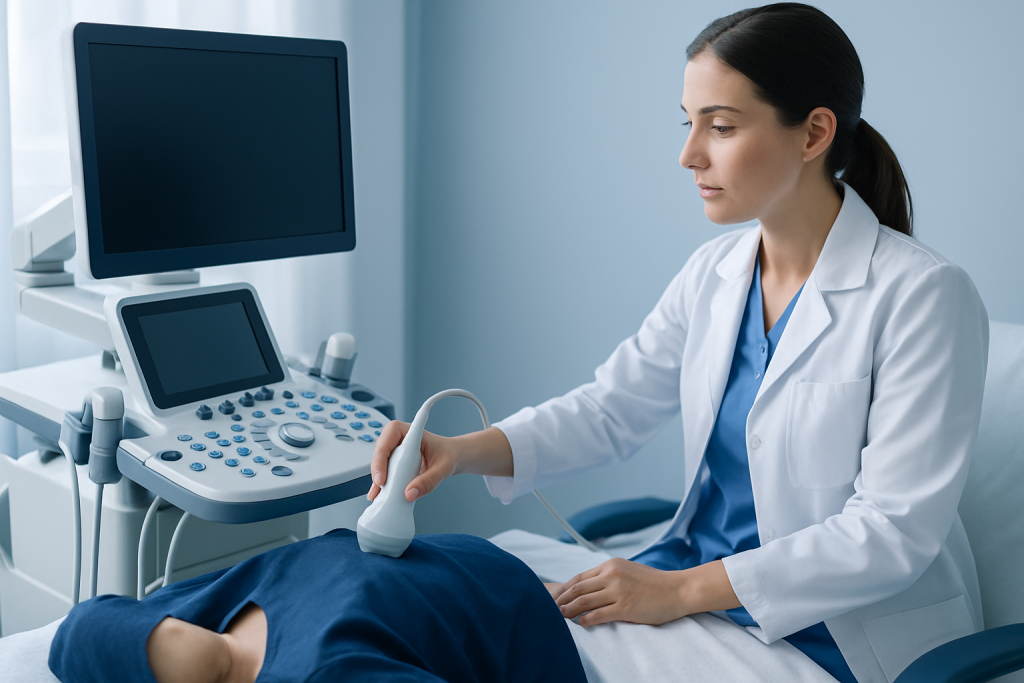
The realistic version of how to get rid of a uti in 24 hours is this: see a clinician quickly, get tested if needed, start the prescribed antibiotic promptly, and use comfort measures while the medicine works. Antibiotics do not sterilize the bladder instantly. They reduce the bacterial load, and the body’s inflammatory response — the part responsible for burning and urgency — settles gradually. Improvement within the first 24 to 48 hours is common, but it is not promised, and it varies by person, bacteria and general health.
Home measures alone do not reliably eliminate an established infection. Drinking more water may dilute urine and slightly reduce irritation, and some people find warmth over the lower abdomen soothing, but neither approach is a substitute for treatment. Over-the-counter urinary analgesics that turn urine orange can numb discomfort temporarily; they treat the sensation, not the infection, and they can interfere with urine test strips, so a doctor should be told if they have been used.
What genuinely speeds things up is time-to-treatment. Waiting several days in the hope that symptoms will fade allows bacteria more opportunity to move upward toward the kidneys. Anyone who cannot easily reach a clinic can often start with a telehealth visit, which is frequently enough for a straightforward bladder infection in an otherwise healthy adult.
- Contact a clinician the same day symptoms begin, if possible.
- Provide a urine sample when requested so testing can guide therapy.
- Start the prescribed medication exactly as directed and complete it.
- Use fluids, rest and doctor-approved pain relief for comfort in the meantime.
- Report back if symptoms are unchanged or worse after two to three days.
Recognizing the Symptoms: What Is Typical and What Is Not

Classic bladder infection symptoms include a burning or stinging sensation while urinating, a frequent and urgent need to go, passing only small amounts each time, pelvic pressure or cramping, and urine that looks cloudy or smells unusually strong. Some people notice a pinkish tinge from small amounts of blood. These symptoms are uncomfortable but, in a healthy adult, generally not dangerous when treated promptly.
Symptoms that suggest the infection may have reached the kidneys are different in character. Fever, shaking chills, pain in the mid-back or side, nausea and vomiting, or feeling generally very unwell point toward a more serious illness that needs urgent evaluation. In older adults, a UTI can present atypically — with new confusion, unsteadiness or reduced appetite rather than classic urinary complaints — which is another reason a professional assessment matters.
It is also worth knowing what a UTI is not. Vaginal itching, unusual discharge, genital sores or pain during intercourse point toward other conditions, including yeast infections or sexually transmitted infections, which require different treatment. Bladder symptoms that persist despite negative urine tests may reflect interstitial cystitis or pelvic floor dysfunction. Detailed symptom checklists and diagnostic criteria are best reviewed with a physician who can examine the individual case.
Causes and Risk Factors
Most UTIs begin when bacteria from the bowel reach the urethral opening and ascend into the bladder. Women are more susceptible because the urethra is shorter and sits closer to the anus. Sexual activity can mechanically move bacteria toward the urethra, which is why some infections follow intercourse. None of this reflects poor hygiene, and framing UTIs as a cleanliness failure is both inaccurate and unhelpful.
Several factors increase risk. Anything that prevents the bladder from emptying completely — such as an enlarged prostate, pelvic organ prolapse, kidney stones or nerve conditions affecting bladder function — allows bacteria to linger. Urinary catheters provide a direct route for bacteria. Pregnancy changes urinary flow and makes prompt treatment especially important. Diabetes and conditions or medications that suppress the immune system also raise susceptibility, as does the drop in estrogen after menopause, which alters the protective lining and bacterial balance of the genital tract.
Certain products and habits contribute for some people: spermicide-containing contraceptives, diaphragms, and routinely delaying urination. Men develop UTIs less often, and when they do, clinicians usually look more carefully for an underlying urinary tract or prostate issue rather than treating it as a routine event.
How UTIs Are Diagnosed
Diagnosis usually starts with a symptom history. For a healthy, non-pregnant adult woman with classic, uncomplicated symptoms, many clinicians will treat based on history alone or after a simple dipstick test that checks urine for white blood cells, nitrites and blood. This is often enough for a first, straightforward episode.
A urine culture is the more definitive test. It grows the bacteria present and identifies which antibiotics are likely to work — information that becomes valuable when infections recur, when symptoms do not respond to first-line treatment, when the patient is pregnant or male, or when there is any suspicion of kidney involvement. Because a culture takes a day or more, treatment is often started before results return and then adjusted if needed.
When infections keep coming back or the picture is unclear, further evaluation may be recommended. This can include imaging such as ultrasound or CT to look for stones, structural differences or incomplete bladder emptying, and in some cases a urology referral for cystoscopy. Deciding which of these steps is appropriate is an individual clinical judgment, not something to determine from an online checklist.
Treatment Options and Practical Relief
Antibiotics remain the cornerstone of UTI treatment. The specific medication and duration depend on the type of infection, local bacterial resistance patterns, pregnancy status, kidney function, allergies and prior culture results. Short courses are often used for simple bladder infections, while kidney infections and complicated cases generally require longer or stronger regimens, sometimes given intravenously. Because these choices are individualized, no article can — or should — recommend a particular drug or duration.
Two treatment principles are worth emphasizing. First, leftover antibiotics from a previous illness, or medication borrowed from someone else, should never be used; the wrong drug can fail, delay recovery and contribute to antibiotic resistance. Second, feeling better after two days does not mean the infection is gone. Stopping early is one of the more common reasons symptoms return.
For comfort while the antibiotic works, clinicians commonly suggest steady fluid intake, avoiding bladder irritants such as caffeine and alcohol for a few days, applying gentle warmth to the lower abdomen, and using an over-the-counter pain reliever if it is appropriate for that person’s medical history. Anyone with recurrent infections may also discuss preventive strategies with a physician, which can range from behavioral changes to vaginal estrogen after menopause or, in selected cases, prophylactic antibiotic plans.
Prevention and Everyday Self-Care
Prevention will not eliminate risk entirely, but several habits are widely recommended and low-risk. Drinking enough water so urine stays pale, urinating when the urge arises rather than holding it, and emptying the bladder after sexual activity are the most consistently advised measures. Wiping front to back after using the toilet reduces the transfer of bowel bacteria toward the urethra.
People who experience repeated infections sometimes explore cranberry products or D-mannose supplements. Evidence for these is mixed, and they should be considered possible adjuncts rather than treatments — they will not resolve an active infection. Probiotics are similarly under study. Any supplement should be mentioned to a clinician, particularly for those taking other medications.
Other useful adjustments include reviewing contraception if spermicide seems to trigger episodes, treating constipation, and managing blood glucose for people with diabetes. For postmenopausal women, discussing local estrogen therapy with a gynecologist can be a meaningful part of a prevention plan. Keeping a simple record of episodes — dates, symptoms, treatments and results — helps a physician spot patterns and decide whether further investigation is warranted.
When to See a Doctor — and How International Patients Coordinate Care
A clinician should be contacted for any suspected UTI rather than waiting it out, and urgently in specific situations: fever or chills, back or flank pain, nausea or vomiting, visible blood in the urine, symptoms during pregnancy, symptoms in a man or a child, symptoms in someone with a catheter or a weakened immune system, or symptoms that do not improve within two to three days of starting an antibiotic. New confusion or a sudden decline in an older adult also warrants prompt assessment.
Repeated infections deserve a broader conversation rather than another round of the same prescription. A doctor can look for treatable contributors — incomplete bladder emptying, stones, hormonal changes, prostate issues — and build a longer-term plan. That process may involve a urologist, a gynecologist, an infectious disease specialist or a primary care physician working together.
For patients traveling from abroad for evaluation of recurrent or complicated urinary problems, Acibadem Health Point coordinates care with the multidisciplinary specialists and JCI-accredited hospitals of Acıbadem Healthcare Group. The coordination team helps arrange remote second opinions and video consultations before travel, organizes appointment scheduling and any recommended imaging or laboratory work into a practical sequence, and supports the non-medical side of the journey — travel and visa guidance, accommodation, interpreters, and a clear written summary so care can continue with the patient’s own doctor at home. Indicative cost planning is discussed in advance so that expectations are realistic, while all clinical decisions remain with the treating physicians.
Frequently asked questions
01Can a UTI really be cured in 24 hours?
An established bacterial UTI is unlikely to be fully eradicated within a single day, though many people feel considerably better within 24 to 48 hours of starting the right antibiotic. The bacteria need time to be cleared and the bladder lining needs time to calm down. The prescribed course should be completed even if symptoms disappear quickly.
02Can a UTI go away without antibiotics?
Some very mild bladder infections do resolve on their own, and clinicians occasionally discuss watchful waiting with carefully selected patients. However, this is a decision for a doctor, not a self-treatment strategy, because untreated infections can spread to the kidneys. Anyone with fever, back pain, pregnancy or underlying health conditions should be treated rather than waiting.
03Does cranberry juice cure a urinary tract infection?
Cranberry products are sometimes studied for reducing the frequency of recurrent infections, but the evidence is inconsistent and they are not a treatment for an active UTI. Drinking cranberry juice will not clear bacteria that are already established in the bladder. It is reasonable to ask a physician whether a cranberry or D-mannose product might fit into a prevention plan.
04How much water should someone drink during a UTI?
Most clinicians suggest drinking enough plain water that urine stays light in color, which supports frequent bladder emptying and may ease irritation. There is no magic amount, and people with heart or kidney conditions should follow their doctor's fluid advice instead. Water is not a replacement for prescribed treatment.
05Why do UTIs keep coming back?
Recurrent infections can result from anatomy, incomplete bladder emptying, hormonal changes after menopause, kidney stones, prostate enlargement, catheter use or certain contraceptive methods. Sometimes the original infection was never fully treated. A doctor can order urine cultures and, if needed, imaging or a urology referral to identify a treatable cause and design a prevention strategy.
06Is it safe to use leftover antibiotics for a suspected UTI?
No. Using leftover or borrowed antibiotics risks choosing the wrong drug or an inadequate course, which can allow the infection to persist and contributes to antibiotic resistance. It can also mask symptoms and complicate later testing. A current prescription based on present symptoms and, where appropriate, urine testing is the safer approach.
07When does a UTI become an emergency?
Fever, shaking chills, flank or back pain, vomiting, confusion, or feeling severely unwell suggest the infection may have reached the kidneys or bloodstream and require same-day or emergency care. Visible blood in the urine, inability to urinate, or symptoms during pregnancy also warrant urgent evaluation. When in doubt, contacting a clinician promptly is the right step.
This article is for general information only and is not a substitute for professional medical advice. Please consult a qualified doctor about your individual situation.
Explore treatments in Turkey — costs, top hospitals & a free quote
JCI-accredited · board-certified surgeons · reply within 24h
Add us as a Preferred Source to see more of our trusted health content across Google Search, AI Overviews and Discover.