How to Get a Sharper Jawline?
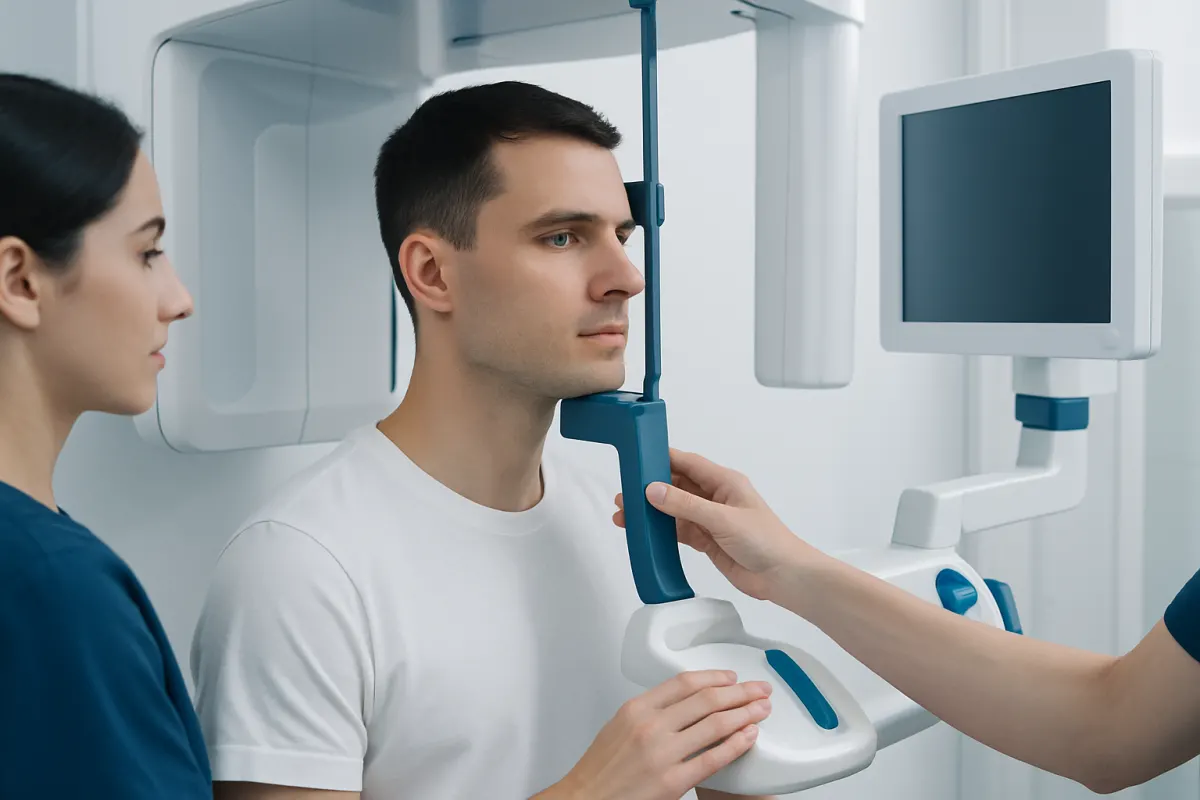
A sharper jawline can be supported by overall healthy weight management, good posture, dental and skin health, and realistic expectations about facial anatomy. The jawbone itself cannot be reshaped through exercise, but a clinician can help identify safe options when concerns involve bite alignment, swelling, skin laxity, or facial proportions.
How to get a sharper jawline: the evidence-based approach
How to get a sharper jawline depends on the reason the jawline looks less defined. For many people, the most useful natural measures are maintaining a stable, healthy body weight, eating a balanced diet, sleeping well, managing posture, and avoiding smoking. These habits may reduce facial puffiness or fullness over time, but they do not change the underlying jawbone shape.
Jawline definition is also affected by inherited facial proportions, the amount and location of facial fat, skin firmness, the size of chewing muscles, and the position of the teeth and jaw. Men and women can both seek a more angular look, but there is no single ideal jawline; a healthy, natural-looking result should suit the individual face.
Online advice, including discussions about how to get a sharper jawline Reddit users may recommend, often overstates the effect of chewing gum, “mewing,” jaw exercisers, or restrictive diets. These methods cannot spot-reduce face fat and may cause jaw-joint discomfort, dental wear, or unhealthy eating patterns when taken to extremes.
What determines jawline definition?
The visible jawline is the contour from the chin to the angle of the lower jaw and toward the neck. Its appearance depends partly on skeletal anatomy: chin projection, jaw width, the angle of the lower jaw, and the relationship between the upper and lower teeth. These features develop through genetics and growth, with some influence from dental and medical conditions.
Soft tissues matter as well. Fat beneath the chin and along the lower face can soften the transition between the face and neck. Skin naturally becomes less elastic with age, and changes in body weight can affect skin and fat distribution. Fluid retention from poor sleep, high-salt meals, alcohol, allergies, or some health conditions can also temporarily make the face look fuller.
Muscles can influence the outline. The masseter muscles at the sides of the jaw become larger in some people who clench or grind their teeth, while weak neck posture can make the area under the chin appear less defined in photographs. These factors need different solutions, which is why a personal assessment is more useful than a one-size-fits-all routine.
Is jawline 100% genetic?

No. Jawline shape is strongly influenced by genetics, particularly bone structure and natural facial proportions, but it is not 100% genetic. Body-fat distribution, aging, skin quality, dental alignment, muscle activity, posture, and lifestyle habits can all affect how defined the jawline appears.
Genetics also influence how a person stores fat and how their skin changes over time, so two people with similar weight may have different facial contours. This is normal and does not mean that one person has done anything wrong. It also means that results from a diet, exercise routine, or cosmetic procedure can vary.
In adults, non-surgical habits cannot substantially alter the size or angle of the jawbone. Orthodontic treatment can improve tooth alignment and bite-related facial balance in suitable cases, while surgical procedures may change skeletal structure when medically or cosmetically appropriate. Such decisions require assessment by qualified dental, maxillofacial, or plastic surgery specialists.
Why have I lost my jawline?
A less visible jawline can develop gradually with normal aging, weight changes, reduced skin elasticity, and changes in fat distribution beneath the chin or along the lower face. Poor head-and-neck posture, temporary facial puffiness, and photographs taken from close range or below can also make the jawline appear softer than it does in person.
Dental factors can contribute. Missing teeth, a changing bite, jaw misalignment, or teeth grinding may alter facial support or muscle bulk. If jaw clenching is present, the masseter muscles can become prominent and create a wider lower face rather than a sharply tapered contour. A dentist can assess bite concerns, tooth wear, and jaw-joint symptoms.
Not every change is cosmetic. New one-sided swelling, a lump, persistent pain, fever, toothache, numbness, difficulty opening the mouth, or Weight Loss: Possible Causes and Medical Evaluation" class="ahp-ilk">unexplained weight loss should not be attributed to normal facial changes. These symptoms need timely medical or dental evaluation.
How to get a sharp jawline in 5 days?
It is not realistic or safe to expect a major structural change in the jawline within five days. The jawbone, facial fat distribution, and skin laxity do not change substantially in that time. However, mild temporary puffiness may improve with regular sleep, adequate hydration, balanced meals, moderate salt intake, limited alcohol, and management of allergies when appropriate.
For an upcoming event or photograph, posture can make a visible difference without harming health. Keeping the neck long, shoulders relaxed, and head level can improve the appearance of the chin-and-neck area. Good lighting and camera positioning may also change how facial contours appear in images.
Avoid crash diets, dehydration, excessive chewing, unregulated supplements, and aggressive facial devices in pursuit of a sharper jawline fast. These approaches can cause fatigue, headaches, dental problems, temporomandibular joint irritation, or rebound weight changes without offering a dependable long-term result.
How to get a jawline in 2 months?
Two months is enough time to establish habits that may improve overall health and, for some people, reduce facial fullness gradually. If weight loss is medically appropriate, a clinician or registered dietitian can help set a sustainable plan based on balanced nutrition, regular physical activity, sleep, and individual health needs. Fat loss occurs across the body; it cannot be directed specifically to the face or jaw.
A practical approach includes regular meals with vegetables, fruit, protein-rich foods, whole grains, and healthy fats; limiting highly processed foods and sugary drinks; and choosing physical activity that can be maintained. Strength and aerobic exercise support general fitness and body composition. The goal should be health and consistency rather than rapid facial change.
People looking for how to get a sharper jawline male, how to get a sharper jawline women, or how to get a sharper jawline as a girl should use the same safety principles. Nutritional needs, growth stage, hormones, medical history, and body-image concerns differ from person to person. Adolescents should avoid dieting or cosmetic interventions without guidance from a parent or guardian and a qualified clinician.
Do jawline exercises and natural methods work?
Jawline exercises may strengthen or fatigue certain facial and neck muscles, but there is limited evidence that they create a noticeably sharper jawline. They do not burn fat only from the face and do not reshape the adult jawbone. Frequent forceful chewing or resistance devices can overload the temporomandibular joint and may worsen clicking, pain, headaches, or tooth wear.
For people wondering how to get a sharper jawline naturally, the safest options are general health measures: stable weight management when needed, adequate sleep, hydration, sun protection, not smoking, and attention to head-and-neck posture. Gentle stretching may be helpful for comfort in people who spend long periods at a desk, but it should not be treated as a facial-sculpting treatment.
If the lower face looks broad because of teeth grinding or clenching, treating the underlying habit is more appropriate than adding more jaw exercise. A dentist may recommend a protective appliance, stress-management strategies, or other individualized care. Persistent jaw symptoms should be evaluated rather than self-treated with vigorous exercises.
- Choose gradual lifestyle changes rather than rapid weight-loss plans.
- Use a supportive chair and screen position to reduce prolonged forward-head posture.
- Seek dental advice for grinding, bite changes, jaw pain, or difficulty chewing.
- Use daily sunscreen and avoid smoking to support long-term skin health.
Medical options and when to seek medical care
When lifestyle measures do not address a person’s concern, clinicians may discuss options based on the cause. Depending on facial anatomy and goals, these can include orthodontic care for bite alignment, treatment for teeth grinding, skin-focused therapies, injectable treatments, chin enhancement, or procedures addressing excess fat or skin under the chin. Each option has limitations and potential risks, so an in-person consultation is essential.
A person should seek medical or dental care promptly for sudden facial or neck swelling, a growing lump, severe or persistent jaw pain, injury, fever, redness, difficulty swallowing or breathing, numbness, or trouble opening the mouth. An appointment is also appropriate for ongoing clenching, frequent headaches, tooth wear, a changed bite, or concerns about body image that affect daily life.
Acıbadem Health Point’s multidisciplinary specialists and JCI-accredited hospitals can assess jaw, dental, skin, and facial-contour concerns for international patients and advise on suitable care. A qualified clinician can help distinguish normal cosmetic variation from a problem that needs treatment and support decisions that are safe and proportionate.
Frequently asked questions
01Can I lose face fat to get a sharper jawline?
Overall fat loss may reduce facial fullness in some people if weight loss is appropriate for their health. However, the body does not selectively burn fat from the face, and the degree of change depends on genetics, age, and individual fat distribution. A gradual, sustainable plan is safer than restrictive dieting.
02Does chewing gum make the jawline sharper?
Chewing gum may work the chewing muscles, but it does not reliably create a sharper jawline or remove fat under the chin. Excessive chewing can aggravate jaw-joint pain, headaches, clenching, or tooth wear. People with jaw clicking or pain should speak with a dentist before using chewing-based exercises.
03Can posture improve the appearance of my jawline?
Better head-and-neck posture can make the chin and neck look more aligned, especially in photos or while sitting. It will not change bone structure or permanently remove fat, but it can reduce the appearance of a tucked chin caused by forward-head posture. Ergonomic adjustments and regular movement breaks can help.
04Are jawline exercises safe?
Gentle facial and neck movements are usually well tolerated, but evidence that they sharpen the jawline is limited. Forceful resistance exercises, prolonged chewing, and jaw-training devices may strain the jaw joint and muscles. Stop if pain, clicking, locking, headaches, or tooth discomfort occurs and seek professional advice.
05What medical treatments can make the jawline more defined?
Appropriate options depend on whether the concern involves fat beneath the chin, skin laxity, chin projection, enlarged jaw muscles, or bite alignment. A clinician may discuss dental, dermatologic, injectable, or surgical approaches after examining the face and reviewing health history. No treatment is suitable for everyone, and expected benefits and risks should be considered carefully.
06When is a changing jawline a medical concern?
A gradual softening of facial contours is often related to normal aging or weight changes. Medical assessment is important if there is sudden or one-sided swelling, a lump, pain, fever, numbness, difficulty chewing, trouble opening the mouth, swallowing problems, or breathing difficulty. Dental symptoms such as a changed bite or persistent tooth pain also need evaluation.
This article is for general information only and is not a substitute for professional medical advice. Please consult a qualified doctor about your individual situation.
Joint and spine care in Turkey — expert assessment & treatment
JCI-accredited · board-certified surgeons · reply within 24h
Add us as a Preferred Source to see more of our trusted health content across Google Search, AI Overviews and Discover.