Gout on the Bottom of the Foot: Symptoms and Care
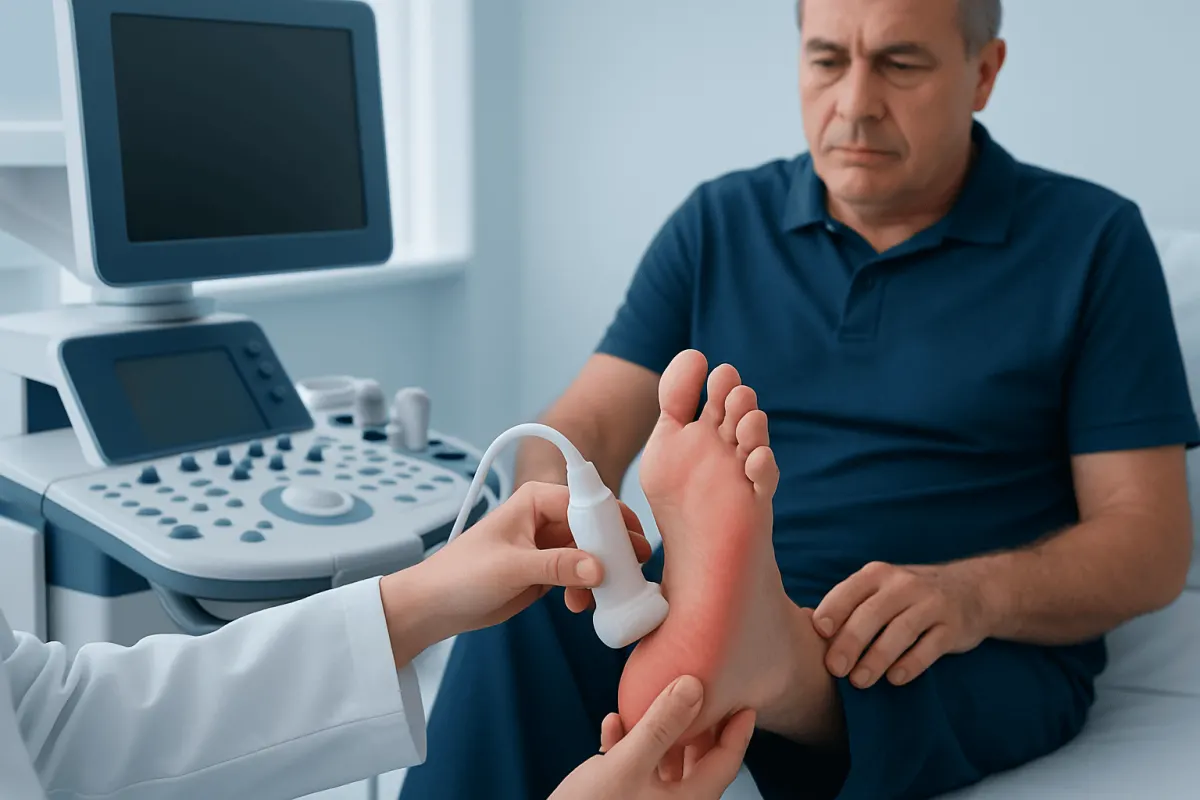
Gout at the bottom of the foot can cause abrupt, intense pain, tenderness, warmth and swelling, often making it difficult to stand or walk. Although gout frequently affects the big-toe joint, it may also involve the midfoot, arch, heel area or other joints in the foot and should be assessed to confirm the cause.
Gout at the Bottom of the Foot: An Overview
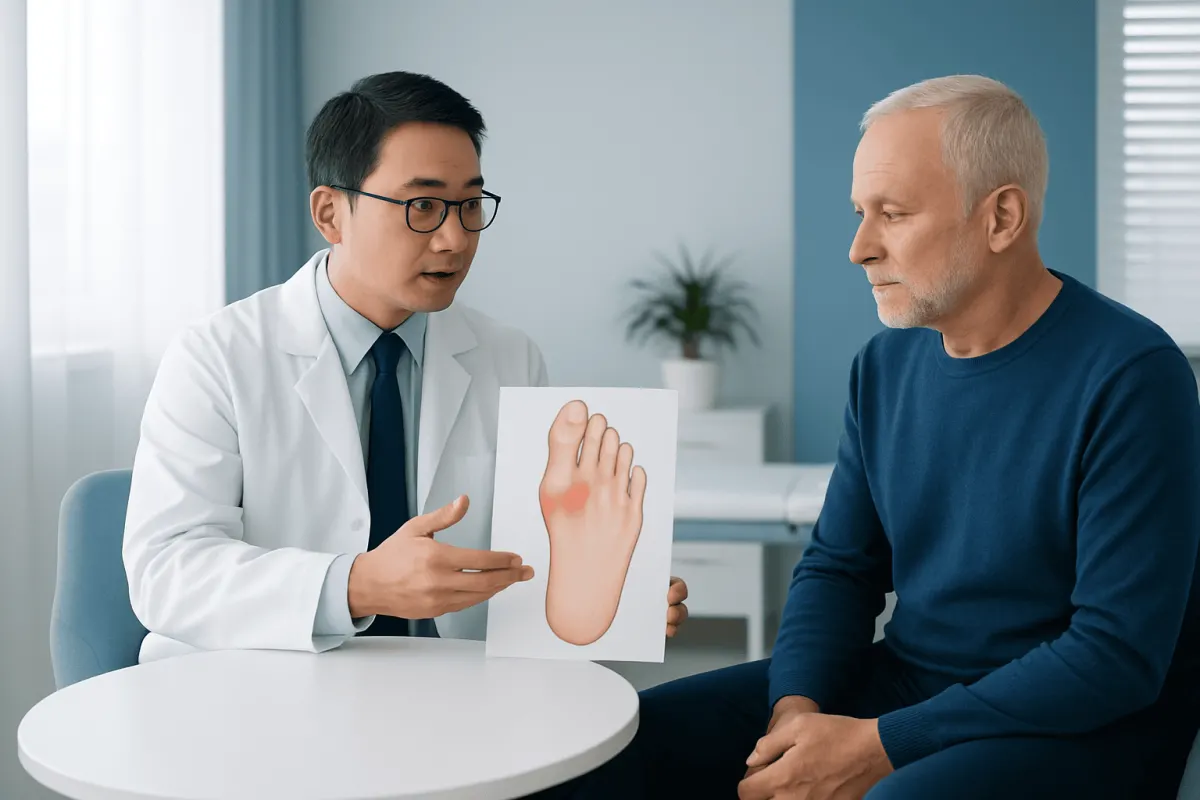
Gout bottom of foot refers to gout-related inflammation affecting joints or nearby tissues on the underside of the foot. It can produce sudden, severe pain that may feel as though the foot has been injured, even when there has been no clear trauma. The affected area may become swollen, warm, red or darker than the surrounding skin, and even light pressure from footwear, socks or bed covers can be uncomfortable.
Gout is a form of inflammatory arthritis. It occurs when uric acid in the blood is high enough for monosodium urate crystals to form and collect in a joint. The immune system reacts to these crystals, causing the intense inflammation of a gout flare. The big-toe joint is the best-known location, but gout may affect the joints of the forefoot, midfoot, ankle or other areas of the body.
Pain on the sole of the foot is not always gout. Conditions such as plantar fasciitis, tendon problems, stress injuries, osteoarthritis, nerve irritation and skin or joint infections can cause similar symptoms. A clinician can identify the likely cause and discuss appropriate care. Readers can also find general information about gout and its effects on the joints.
How Gout Can Feel in the Foot
A gout flare often begins quickly, sometimes overnight or over a few hours. Pain can be most severe during the first day, then gradually settle over several days to a couple of weeks. Some people experience a single episode, while others have recurring flares if uric acid remains elevated.
When gout affects the lower surface of the foot, symptoms may be felt beneath the big toe, across the ball of the foot, through the midfoot or close to the heel. Walking and pushing off the foot may aggravate discomfort. The location depends on which joint or tissue is inflamed; gout does not usually cause diffuse sole pain alone without tenderness or inflammation around a joint.
- Sudden, intense pain in one area of the foot
- Swelling, warmth, tenderness and skin redness or darkening
- Difficulty wearing shoes, standing or walking
- Stiffness and reduced movement in a nearby joint
- Symptoms that improve between flares, particularly early in the condition
Repeated or longstanding gout can lead to persistent joint symptoms. In some people, firm deposits of urate crystals called tophi develop under the skin, commonly around toes, fingers, ears or elbows. Early assessment and effective uric acid management can reduce the risk of complications.
Why Gout Develops and Who Is at Risk
Uric acid is made when the body breaks down purines, substances found naturally in the body and in some foods and drinks. Most uric acid leaves the body through the kidneys. Gout becomes more likely when the body produces too much uric acid, the kidneys do not remove enough of it, or both.
Risk is influenced by family history, kidney function, body weight, age, sex, metabolic conditions and certain medicines. High blood pressure, diabetes, high cholesterol and chronic kidney disease may occur alongside gout. Diuretics, sometimes called water tablets, can raise uric acid levels in some people; however, medicines should never be stopped without speaking to the prescriber.
Some flares are triggered by dehydration, illness, surgery, injury, rapid weight changes, alcohol or meals high in purines. Purine-rich choices include organ meats and some seafood, while sugar-sweetened drinks may also contribute to elevated uric acid. Triggers vary considerably, and a flare after a particular meal does not prove that food was the sole cause.
Foot-specific factors can also be misleading. Pressure from walking or a minor knock may draw attention to a joint where crystals are already present, but gout is not simply caused by poor footwear. Supportive shoes may improve comfort, yet they do not remove urate crystals or replace medical treatment when it is needed.
How a Doctor Diagnoses Foot Gout
Diagnosis begins with a discussion of symptoms, past attacks, medical conditions, medicines, diet and family history. The clinician examines the painful foot and may compare it with the other foot. The timing of pain, the exact joint involved and signs of inflammation help distinguish gout from mechanical foot pain and other inflammatory conditions.
A blood test for uric acid can be useful, but it cannot diagnose gout by itself. Uric acid may be within the usual range during an acute flare, and some people with elevated uric acid never develop gout. Tests of kidney function and other blood markers may also be considered to guide treatment safely.
If the diagnosis is uncertain, the most definitive test is analysis of fluid removed from the affected joint, which can show urate crystals under a microscope. This testing can also help rule out joint infection. Ultrasound, X-ray or dual-energy CT may sometimes be used to look for crystal deposits, joint changes or alternative causes of pain.
It is particularly important not to assume that all painful, red feet are gout. Cellulitis and septic arthritis can require prompt treatment, while fractures, tendon disorders and plantar fasciitis need different management. Accurate diagnosis helps avoid delays and unnecessary medication.
Treatment During a Gout Flare and Between Attacks
During an acute gout flare, treatment focuses on controlling inflammation and relieving pain. Depending on the individual’s health history, a doctor may recommend an anti-inflammatory medicine, colchicine or a corticosteroid. The best option depends on factors such as kidney disease, stomach ulcers, cardiovascular disease, blood-thinning medicines and other prescriptions, so treatment should be individualized.
While waiting for symptoms to settle, it may help to rest the foot, avoid pressure from tight footwear, elevate it when comfortable and use a cold pack wrapped in cloth for short periods. Drinking enough water is generally sensible unless a clinician has advised fluid restriction. Alcohol should be avoided during a flare, and strenuous exercise involving the painful foot should wait until movement is comfortable again.
For people with frequent flares, tophi, kidney stones related to uric acid, joint damage or persistently high uric acid, a clinician may recommend long-term urate-lowering treatment. These medicines lower uric acid gradually to prevent future crystal formation and help existing deposits dissolve over time. They are not pain medicines and may require monitoring and preventive anti-inflammatory treatment when first started.
Long-term care may involve a rheumatologist, primary care physician and, where relevant, kidney or metabolic specialists. Acıbadem Health Point’s multidisciplinary specialists and JCI-accredited hospitals diagnose and treat gout and related health concerns for international patients.
Prevention and Everyday Foot Care
Gout prevention is usually based on lowering and maintaining uric acid at an appropriate target set by the treating clinician. Taking prescribed long-term medicine consistently is often more effective than relying on diet alone. Regular follow-up allows the care team to monitor uric acid, kidney function, treatment response and possible side effects.
Diet and lifestyle changes can support medical care. A balanced eating pattern that emphasizes vegetables, fruit, whole grains, low-fat dairy foods and appropriate protein portions may be helpful. Limiting alcohol, sugar-sweetened beverages, organ meats and frequent large portions of certain seafood or red meat may reduce risk for some people. Extreme diets, fasting and rapid weight loss may trigger flares and are best avoided unless supervised by a clinician.
Maintaining a weight that is appropriate for the individual, staying physically active when the foot is not inflamed, sleeping well and managing conditions such as high blood pressure or diabetes can support overall health. During symptom-free periods, comfortable shoes with enough toe room and cushioning may reduce pressure on sensitive foot joints.
A simple symptom record can be useful. Recording the date of flares, the joints involved, recent illnesses, alcohol intake, new medicines and potential dietary triggers may help identify patterns. It should not replace medical evaluation, especially when symptoms change or become more frequent.
When to Seek Medical Care
New severe foot pain with swelling, warmth or skin color changes should be assessed by a healthcare professional, particularly if gout has never been diagnosed. Early review can confirm the cause and provide safe treatment. People who have had gout before should also contact their clinician if attacks become more frequent, last longer, involve new joints or do not respond to the agreed treatment plan.
Urgent medical care is needed for a hot, swollen and very painful foot or joint accompanied by fever, chills, feeling unwell, an open wound, spreading redness, numbness, or inability to bear weight. These symptoms can occur with infection or other conditions that should not be managed as gout at home.
People with diabetes, reduced immune function, kidney disease, poor circulation, or a history of foot ulcers should seek medical advice promptly for any new foot inflammation. A clinician can determine whether gout is present and make sure other important causes are not overlooked.
Frequently asked questions
01Can gout cause pain on the bottom of the foot?
Yes. Gout can affect joints in the forefoot or midfoot and cause pain that is felt on the underside of the foot, especially while standing or walking. However, sole pain can also result from conditions such as plantar fasciitis, tendon problems or infection, so a new episode should be assessed.
02Is gout in the foot always in the big toe?
No. The big-toe joint is a common site, but gout can affect other toe joints, the midfoot, ankle and, less commonly, other joints. The painful location may vary between flares.
03How long does a gout flare in the foot last?
Without treatment, a gout flare may last from several days to around two weeks, although timing varies. Prompt treatment can shorten symptoms and improve comfort. Repeated flares should be discussed with a doctor to consider prevention.
04Can walking make gout in the bottom of the foot worse?
Walking does not cause the underlying crystal deposits, but pressure through an inflamed foot can make pain more intense. Resting the painful foot during a flare and returning to activity gradually as symptoms improve is usually sensible. A clinician can advise when symptoms are severe or recurrent.
05What foods should be avoided during a gout flare?
Avoiding alcohol, especially beer and spirits, and limiting sugar-sweetened drinks may be helpful during a flare. It is also reasonable to avoid organ meats and large portions of high-purine foods such as certain seafood. Dietary changes support care but do not replace prescribed treatment.
06Can a normal uric acid blood test rule out gout?
No. Uric acid levels can fall temporarily during an acute flare, so a normal result does not fully exclude gout. A clinician considers the symptoms, examination findings and, when needed, joint-fluid testing or imaging.
This article is for general information only and is not a substitute for professional medical advice. Please consult a qualified doctor about your individual situation.
Joint and spine care in Turkey — expert assessment & treatment
JCI-accredited · board-certified surgeons · reply within 24h
Add us as a Preferred Source to see more of our trusted health content across Google Search, AI Overviews and Discover.