How to Choose a Neuropsychologist: Questions Patients Should Ask

Choosing a neuropsychologist is an important step for people seeking answers about memory, attention, learning, mood, or thinking changes. The right specialist should have appropriate training, relevant experience, a clear testing process, and a communication style that helps patients and families feel informed and supported.
Overview: What a Neuropsychologist Does
A neuropsychologist is a psychologist with advanced training in how brain function affects thinking, behavior, mood, and daily life. This specialist uses interviews, standardized tests, and clinical interpretation to understand concerns such as memory loss, attention problems, language difficulties, learning issues, or changes after illness or injury. Neuropsychologists do not usually perform brain surgery or prescribe medication, but they often work closely with neurologists, psychiatrists, pediatricians, rehabilitation teams, and other specialists.
People may be referred for a neuropsychological assessment for many reasons. Common examples include concussion, stroke, epilepsy, dementia concerns, attention-deficit/hyperactivity disorder, autism spectrum disorder, learning differences, brain tumors, multiple sclerosis, or changes in thinking after medical treatment. The goal is not simply to label a problem, but to build a detailed picture of strengths and weaknesses that can guide diagnosis, school or work support, treatment planning, and daily coping strategies.
Because this process can feel unfamiliar, choosing the right professional matters. Patients and families often want someone who is technically skilled, but also patient, respectful, organized, and able to explain findings clearly. Asking a few thoughtful questions before booking an appointment can make the experience more helpful and less stressful.
When Someone May Need a Neuropsychologist
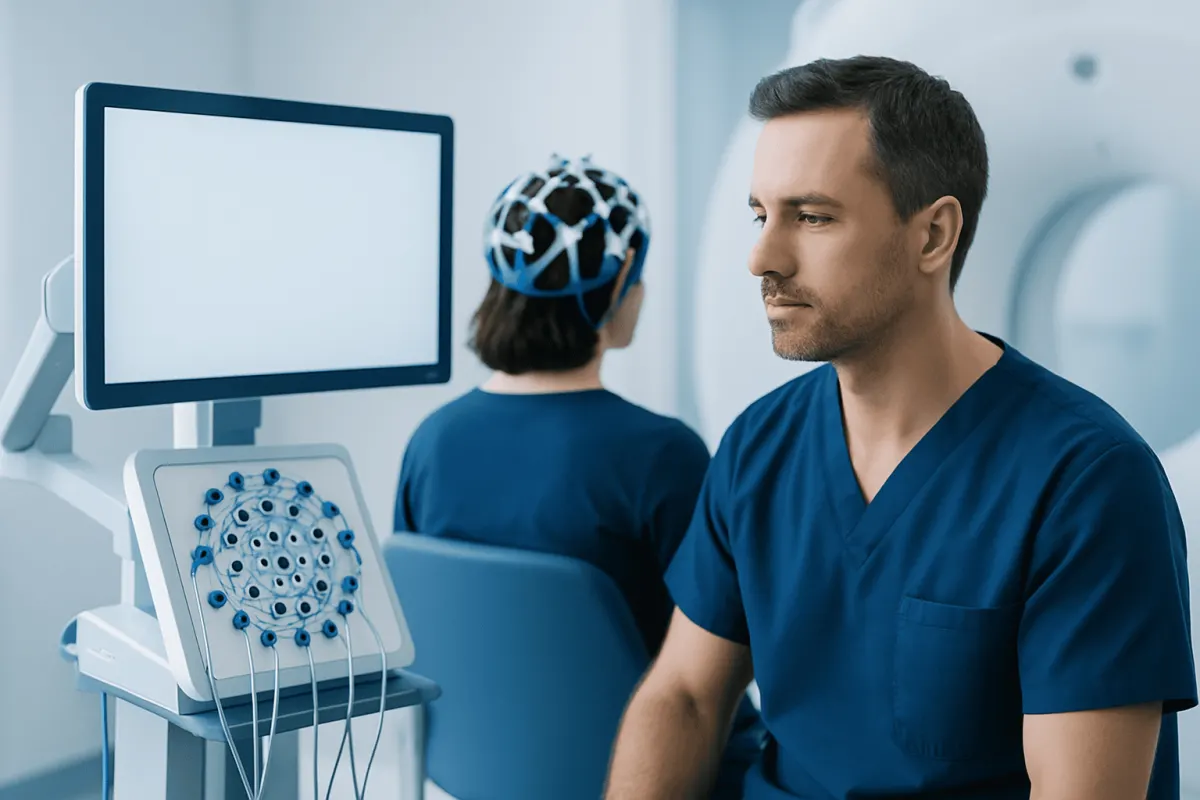
A neuropsychological evaluation may be helpful when there are unexplained changes in memory, attention, problem-solving, language, school performance, or behavior. It can also help when symptoms overlap, such as when it is unclear whether difficulties are related to stress, depression, a neurological condition, medication effects, or a developmental issue. In these situations, detailed testing can provide a more complete understanding than a brief office conversation alone.
Children may be referred when there are concerns about learning, developmental progress, school performance, or social and behavioral regulation. Adults may seek care after a concussion, stroke, seizure disorder, or concerns about cognitive decline. Older adults are often referred to help distinguish normal aging from conditions that need medical attention.
Sometimes a neuropsychologist is involved as part of a larger care pathway. For example, testing may support the evaluation of memory concerns related to Alzheimer’s disease, or help clarify thinking changes after a brain event such as stroke. In other cases, the assessment helps guide rehabilitation, return-to-school or return-to-work planning, and conversations with family members about support needs.
Credentials and Experience to Check

One of the first questions to ask is about qualifications. A neuropsychologist should be a licensed psychologist with specialized training in Neurology and Psychiatry" class="ahp-ilk">clinical neuropsychology. Depending on the country, this may include a doctoral degree in psychology, supervised clinical training, and additional fellowship-level experience in neuropsychology. Patients can ask directly about licensure, board certification where applicable, and the clinician’s main areas of practice.
Experience is especially important when the concern is complex or age-specific. A child with suspected learning difficulties may be best served by a pediatric neuropsychologist, while an older adult with memory changes may need someone experienced in aging and dementia. Patients can ask whether the clinician regularly evaluates people with similar symptoms, diagnoses, cultural backgrounds, or language needs.
It is also reasonable to ask whether the neuropsychologist works within a multidisciplinary team. Collaboration can be valuable when care involves neurology, psychiatry, speech therapy, rehabilitation, or imaging. In some cases, assessment may fit alongside services such as neurology care or rehabilitation and physical therapy, especially when symptoms affect daily function over time.
Questions Patients Should Ask Before Booking
Before scheduling, patients and families can ask practical and clinical questions that help them decide whether the clinician is a good fit. A useful starting point is: What is the purpose of the evaluation in this case? The answer should explain whether testing is meant to assist diagnosis, measure current functioning, guide treatment, support school or workplace accommodations, or monitor change over time.
Other helpful questions include: What tests are typically used, and how long does the appointment take? Will there be an interview with family members or caregivers? How should the patient prepare, including sleep, medication, food, glasses, or hearing aids? When will the written report be ready, and will the clinician review the results in person or by video?
Patients may also want to ask:
- Do you have experience with people who have symptoms or conditions similar to mine?
- How do you adapt testing for language, education level, or cultural background?
- Will the report include practical recommendations for home, school, or work?
- Do you communicate with the referring doctor if needed?
- What costs are involved, and is insurance or prior authorization required?
These questions are not meant to challenge the clinician. They simply help patients understand the process, compare options, and choose someone whose approach is thorough and transparent.
What to Expect From the Assessment Process
A well-run neuropsychological assessment usually starts with a detailed clinical interview. The neuropsychologist asks about symptoms, medical history, mood, education, work, medications, sleep, and daily functioning. Family input may also be important, especially when memory or behavior changes are part of the concern. This background helps the clinician choose the most appropriate tests rather than using the same battery for every patient.
Testing often examines several areas, such as attention, memory, language, visual-spatial skills, processing speed, executive function, and emotional functioning. The assessment may take a few hours or, in some cases, be split across sessions. Breaks are typically offered, and the goal is to measure performance carefully, not to make the patient feel pressured or judged.
After testing, the neuropsychologist interprets results in the context of age, education, language, medical history, and the reason for referral. A good report should be understandable, clinically meaningful, and focused on next steps. Depending on the findings, recommendations may include medical follow-up, counseling, school accommodations, cognitive rehabilitation, lifestyle changes, or additional testing such as MRI when a physician believes imaging is needed.
How to Judge Communication, Fit, and Quality
Technical expertise matters, but the clinician’s communication style is also very important. Patients should feel that the neuropsychologist listens carefully, explains the purpose of testing, and answers questions in a respectful way. A thoughtful specialist does not rush difficult conversations and does not rely on jargon without explaining what it means.
Good fit also includes cultural sensitivity and language support. Test performance can be influenced by language fluency, education, hearing or vision problems, anxiety, fatigue, and cultural background. Patients can ask how these factors are considered and whether interpreters or adapted approaches are available when appropriate. This helps improve fairness and the usefulness of the results.
Another sign of quality is whether recommendations are practical. The final discussion should not only describe test scores but also connect them to real-life concerns such as driving, medication management, school supports, work demands, or family communication. In some cases, the next step may involve referral for therapies that support function, including cognitive rehabilitation as part of a broader recovery plan.
Practical Considerations: Cost, Timing, and Follow-Up
Neuropsychological testing can be detailed and time-intensive, so it is helpful to clarify logistics early. Patients should ask how long the appointment will last, whether forms need to be completed beforehand, and whether a caregiver should attend part of the visit. It is also wise to ask about wait times, cancellation policies, and how soon results will be available.
Insurance coverage varies by country, plan, and reason for referral. Some assessments are covered when they are medically necessary, while others may need prior authorization or may be partly self-paid. Asking for a clear explanation of fees, billing codes if relevant, and expected out-of-pocket costs can prevent surprises. Administrative clarity is often a sign of a well-organized service.
Follow-up is another important point. Some patients need a one-time assessment, while others may need repeat testing to track change after treatment, injury, or disease progression. Patients can ask whether the neuropsychologist offers review appointments, communicates with schools or employers when appropriate, and coordinates with other doctors. Near the end of the care journey, some people also value access to multidisciplinary teams; Acıbadem Health Point’s JCI-accredited hospitals and specialists diagnose and treat neurological and cognitive conditions for international patients when this type of coordinated care is needed.
When to Seek Help and How to Prepare
It is a good idea to seek professional advice when thinking, memory, behavior, or learning concerns are persistent, worsening, or starting to affect safety, school, work, or independence. Early assessment can be especially helpful after concussion, stroke, seizures, or unexplained changes in an older adult. Even when the cause is not serious, a clear explanation can reduce uncertainty and help families plan next steps with more confidence.
Preparation can make the visit smoother. Patients should bring a list of medications, previous medical reports if available, glasses or hearing aids, and any school or workplace concerns they want addressed. Getting a good night’s sleep, eating beforehand unless told otherwise, and telling the clinic about language, mobility, sensory, or fatigue issues in advance can also help the assessment reflect everyday abilities more accurately.
If there is uncertainty about where to start, the referring doctor, pediatrician, neurologist, psychiatrist, or rehabilitation specialist can often help identify an appropriate neuropsychologist. Choosing carefully does not mean looking for perfection. It means finding a qualified professional whose experience, process, and communication style match the patient’s needs and goals.
Frequently asked questions
01What is the difference between a neuropsychologist and a neurologist?
A neurologist is a medical doctor who diagnoses and treats disorders of the nervous system and may prescribe medication or order medical tests. A neuropsychologist is a psychologist who evaluates how brain function affects thinking, mood, learning, and behavior through interviews and standardized testing. They often work together as part of the same care team.
02Do patients need a referral to see a neuropsychologist?
This depends on the healthcare system, clinic policy, and insurance plan. Some patients are referred by a doctor, school, or therapist, while others can book directly. It is usually helpful to ask in advance whether a referral is required and whether prior authorization is needed for coverage.
03How long does neuropsychological testing take?
The length varies depending on the reason for referral and the patient’s age and needs. Some assessments take a few hours, while others are divided into more than one session. The clinic should explain the expected timing before the appointment.
04Will the assessment diagnose a condition by itself?
Neuropsychological testing can provide very important diagnostic information, but it is usually one part of a full clinical picture. The results are interpreted alongside medical history, symptoms, examination findings, and sometimes imaging or laboratory tests. This combined approach helps make conclusions more accurate and useful.
05How should a patient prepare for a neuropsychology appointment?
It helps to get enough sleep, eat normally unless instructed otherwise, and bring glasses, hearing aids, medication lists, and prior records if available. Patients should also mention language needs, fatigue, pain, or sensory issues ahead of time. Good preparation helps the testing reflect everyday functioning more accurately.
06Can a neuropsychologist help children as well as adults?
Yes, but it is important to choose someone with experience in the relevant age group. Pediatric neuropsychologists focus on development, learning, school performance, and behavior in children and adolescents. Adult and geriatric specialists focus more on brain injury, neurological disease, mood, and age-related cognitive changes.
This article is for general information only and is not a substitute for professional medical advice. Please consult a qualified doctor about your individual situation.
Explore treatments in Turkey — costs, top hospitals & a free quote
JCI-accredited · board-certified surgeons · reply within 24h
Add us as a Preferred Source to see more of our trusted health content across Google Search, AI Overviews and Discover.