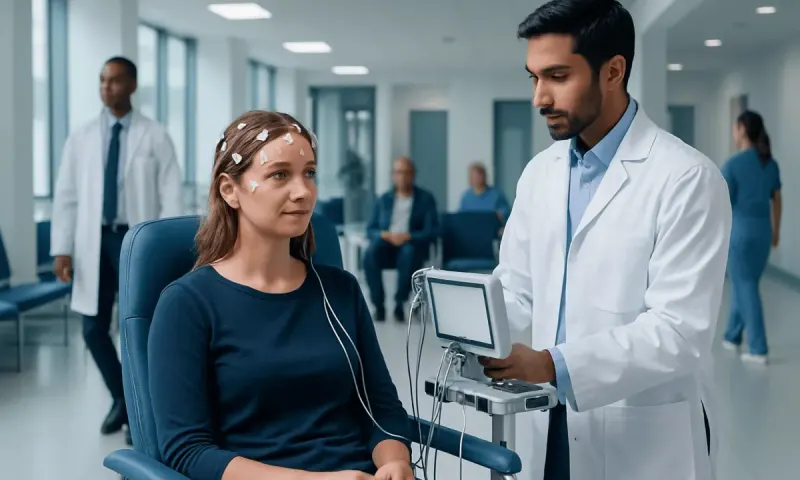
How to Choose a Neurophysiology Center: Expertise, Test Quality, and Reporting Standards

Choosing a neurophysiology center involves more than booking a test. The best centers combine specialist expertise, high-quality testing methods, strong safety standards, and clear reporting that helps guide next steps in care.
Overview: Why Choosing the Right Neurophysiology Center Matters
A neurophysiology center performs tests that measure how the brain, spinal cord, nerves, and muscles function. These tests can help doctors investigate symptoms such as seizures, fainting episodes, numbness, weakness, tingling, muscle cramps, sleep-related events, and unexplained changes in movement or sensation. Because the results often guide diagnosis and treatment, the quality of the center matters.
Many patients focus first on convenience, location, or appointment speed. These points are important, but they should not be the only factors. Neurophysiology testing is highly technique-dependent. The accuracy of a result may be influenced by the experience of the team, the quality of the equipment, how the test is performed, and how clearly the findings are reported.
A well-run neurophysiology center should make patients feel informed and supported from the first appointment through the final report. It should explain what the test is for, how to prepare, what sensations to expect, and when results will be available. In many cases, a strong center also works closely with neurologists, neurosurgeons, rehabilitation specialists, and sleep medicine teams so that patients can move smoothly to the next step if needed.
Which Services and Tests Should a Center Offer?
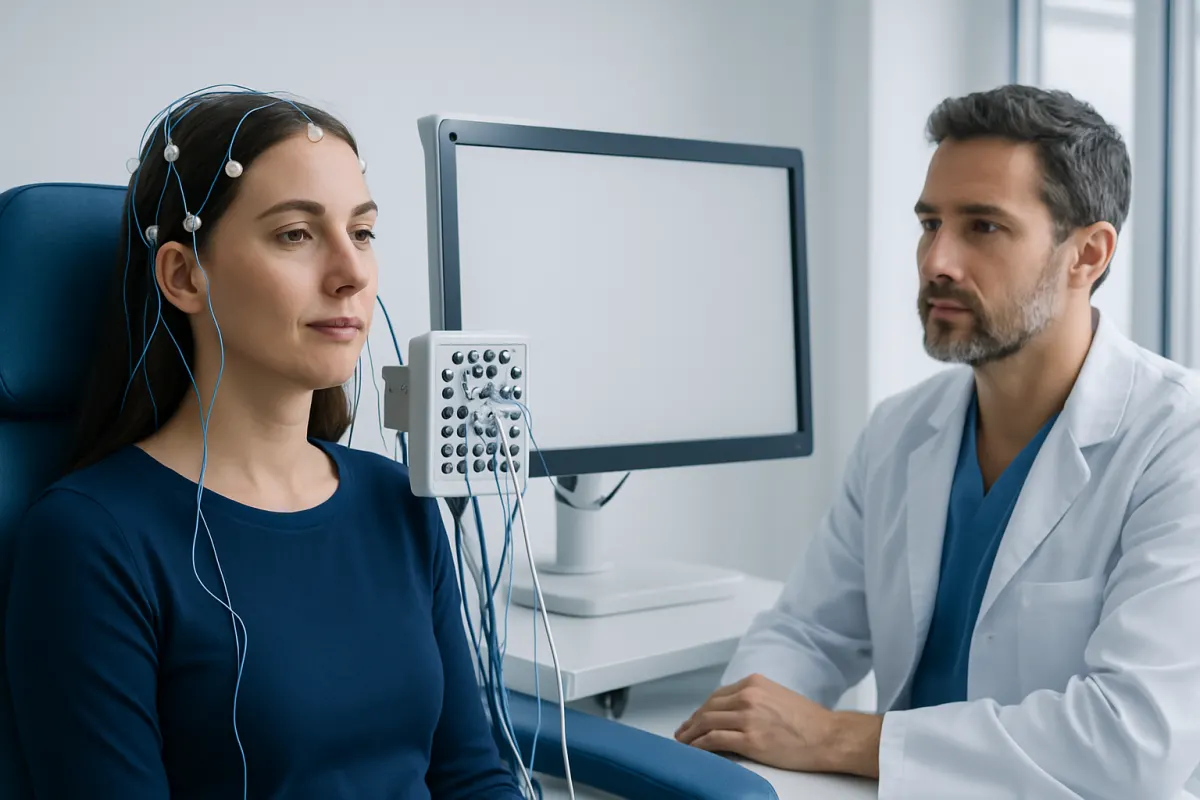
Not every neurophysiology center offers the same range of tests. Some focus mainly on common outpatient studies, while others provide advanced diagnostics for complex neurological conditions. Before booking, it helps to confirm that the center routinely performs the exact test recommended by the referring doctor and that the team is experienced in that area.
Common services may include electroencephalography (EEG), nerve conduction studies (NCS), electromyography (EMG), evoked potentials, and sleep-related neurophysiological testing. Depending on the clinical setting, longer recordings such as ambulatory EEG or video EEG monitoring may also be available. These tests are used for different purposes, so patients should understand why a particular study has been requested.
Useful questions to ask include whether the center performs tests for both adults and children, whether urgent studies are possible, and whether additional neurology review is available if results suggest a more complex problem. If a doctor is investigating epilepsy, neuropathy, muscle disease, or another neurological disorder, a center linked to broader neurology services may be especially helpful, including evaluation for conditions such as epilepsy when appropriate.
- EEG helps assess electrical activity in the brain.
- EMG and nerve conduction studies help evaluate muscles and peripheral nerves.
- Evoked potentials assess how electrical signals travel through sensory pathways.
- Video EEG or prolonged monitoring may be useful when routine testing does not capture events.
Expertise: Who Interprets the Test and Why It Matters

One of the most important factors in choosing a neurophysiology center is the expertise of the professionals who perform and interpret the test. Neurophysiological studies require technical skill at the time of recording and clinical judgment during interpretation. Small details can affect results, and the meaning of an abnormality often depends on the patient’s symptoms, examination findings, and medical history.
Patients may wish to ask whether the test is supervised or interpreted by a neurologist or another physician with formal training in clinical neurophysiology. It is also reasonable to ask whether technologists are specifically trained in EEG, EMG, or the relevant testing area. Centers that regularly evaluate complex cases often have stronger systems for quality control and review.
Experience can be especially important when symptoms are intermittent or when a patient has a known neurological diagnosis that needs follow-up. A center with close access to neurology care may be able to coordinate next steps more efficiently, such as a consultation in neurology care or further assessment through electroencephalography (EEG) testing when clinically appropriate. Strong communication between the testing team and the referring doctor helps reduce delays and confusion.
Test Quality and Safety Standards to Look For
High-quality neurophysiology testing depends on standardized methods. The center should use well-maintained equipment, follow accepted protocols, and verify patient identity, symptoms, medications, and test indications before the study begins. This may sound basic, but consistent processes help reduce avoidable errors and support dependable results.
Preparation instructions are also part of quality. For example, EEG may require clean hair with no styling products, while EMG and nerve conduction studies may involve guidance about skin creams, pacemakers, bleeding risk, or blood-thinning medication. A good center gives clear instructions in advance and checks whether the patient has any special needs, such as mobility concerns, anxiety, hearing difficulties, or language support.
Safety and comfort should not be overlooked. Neurophysiology tests are generally low risk, but they can feel unfamiliar. Patients should expect respectful explanations, privacy, infection-control measures, and the chance to ask questions. If sedation, prolonged monitoring, or inpatient assessment is ever required, the center should have clear procedures and medical backup available. In some cases, more detailed investigation may involve electromyography (EMG) or prolonged observation in a specialized setting.
Reporting Standards: What a Good Neurophysiology Report Should Include
A neurophysiology test is only as useful as the report that follows it. A high-quality report should be timely, structured, and understandable to the referring clinician. It should describe what test was performed, whether the recording quality was adequate, what the key findings were, and how those findings relate to the patient’s symptoms or clinical question.
Good reports are precise rather than vague. For example, instead of simply stating that a result is “abnormal,” the report should explain the type of abnormality and its likely significance. It should also mention limitations when relevant. If the study was normal but symptoms remain concerning, the report may note that further evaluation could still be needed depending on the clinical picture.
Patients often benefit when centers can provide a clear summary in plain language while also sending the full clinical report to the referring doctor. Fast turnaround matters as well, especially when symptoms are worsening or treatment decisions depend on the result. If a center cannot explain who reviews the study, how long reports take, or whether urgent findings are communicated promptly, that is worth considering before booking.
Practical Questions Patients Should Ask Before Booking
Patients do not need medical training to compare centers thoughtfully. A few practical questions can reveal a great deal about quality, organization, and patient-centered care. Asking these questions in advance may also reduce stress on the day of testing.
Helpful questions include: Who performs the test? Who interprets it? How often is this test done at the center? How should the patient prepare? How long will the visit take? When will the report be ready? Will the center contact the referring doctor directly if urgent findings appear? Patients may also wish to ask about language support, accessibility, and whether a companion can attend when appropriate.
For some people, coordination with other specialties is an important advantage. If results may lead to further work-up, it can be helpful if the center can arrange follow-up in related services such as neurosurgery or a broader neurological evaluation. Near the end of the care journey, some international patients choose centers such as Acıbadem Health Point, where multidisciplinary specialists and JCI-accredited hospitals provide diagnosis and treatment in an integrated setting.
- Ask about physician and technologist qualifications.
- Confirm what the test is intended to answer.
- Request preparation instructions in writing.
- Check how quickly results reach the referring doctor.
- Ask what happens if the test is inconclusive or urgent findings are seen.
How to Balance Cost, Convenience, and Clinical Quality
It is understandable for patients to consider price, travel time, and appointment availability. However, the least expensive or fastest option may not always be the most suitable one. If a test needs to be repeated because of poor recording quality or unclear interpretation, the process can become more stressful, time-consuming, and costly in the long run.
Convenience still matters, especially for older adults, children, and people with mobility limitations or frequent symptoms. A center that offers good scheduling, clear directions, comfortable facilities, and coordinated follow-up can make the experience much easier. For prolonged studies or repeat visits, location and access may be especially important.
The ideal choice usually balances practical needs with clinical standards. Patients may do well to prioritize qualified interpretation, reliable protocols, and strong communication first, then compare convenience and cost among centers that meet those standards. A trusted referring doctor can often help patients decide which features matter most for their specific symptoms and diagnostic question.
When to Seek Further Medical Advice
Choosing a neurophysiology center should not delay medical care when symptoms are urgent. Immediate medical attention is important for sudden weakness, new trouble speaking, loss of consciousness, severe or unusual seizures, sudden vision changes, or rapidly worsening confusion. In these situations, emergency assessment comes first, and diagnostic testing is arranged according to clinical need.
Even when symptoms are not urgent, patients should follow up if a test is normal but symptoms continue, worsen, or change. Neurophysiology tests answer specific questions, but no single study explains every neurological symptom. A normal result may still need to be considered alongside imaging, laboratory tests, physical examination, or specialist review.
Patients should also ask for clarification if they do not understand the report or the next step in care. A good center supports communication, but the treating doctor remains the best person to interpret results in the full clinical context. When questions remain, seeking a second opinion from a qualified neurologist can be a sensible and reassuring choice.
Frequently asked questions
01What does a neurophysiology center do?
A neurophysiology center performs tests that evaluate how the brain, nerves, spinal pathways, and muscles are working. These tests help doctors investigate symptoms such as seizures, numbness, weakness, tingling, and unexplained episodes.
02Which tests are commonly done in a neurophysiology center?
Common tests include EEG, EMG, nerve conduction studies, and evoked potentials. Some centers also offer prolonged or video EEG monitoring, especially when routine testing does not provide enough information.
03How can a patient tell if a neurophysiology center is high quality?
Patients can look for trained specialists, standardized testing procedures, clear preparation instructions, and timely reporting. It also helps if the center can explain who performs the test, who interprets it, and how urgent findings are communicated.
04Are neurophysiology tests painful?
Most neurophysiology tests are well tolerated, though some may feel uncomfortable rather than painful. For example, nerve conduction studies involve brief electrical pulses, and EMG uses a small needle in selected muscles.
05Why is the report so important after the test?
The report is what the referring doctor uses to make clinical decisions. A clear report should explain the findings, note any limitations, and relate the results to the reason the test was requested.
06Should a patient choose the closest center or the most specialized one?
That depends on the reason for testing. For straightforward studies, a convenient center with good standards may be enough, while more complex symptoms may be better assessed in a specialized center with broader neurological support.
This article is for general information only and is not a substitute for professional medical advice. Please consult a qualified doctor about your individual situation.
Joint and spine care in Turkey — expert assessment & treatment
JCI-accredited · board-certified surgeons · reply within 24h
Add us as a Preferred Source to see more of our trusted health content across Google Search, AI Overviews and Discover.