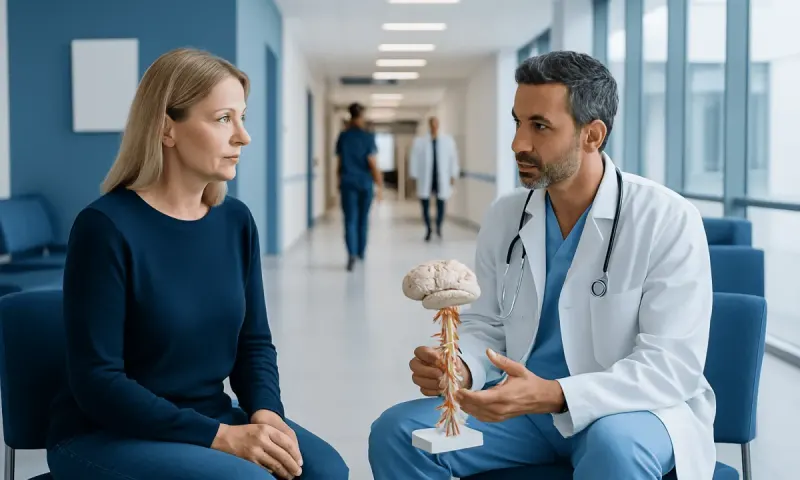
What Is a Neurophysiology Test? EEG, EMG, and Other Studies Explained
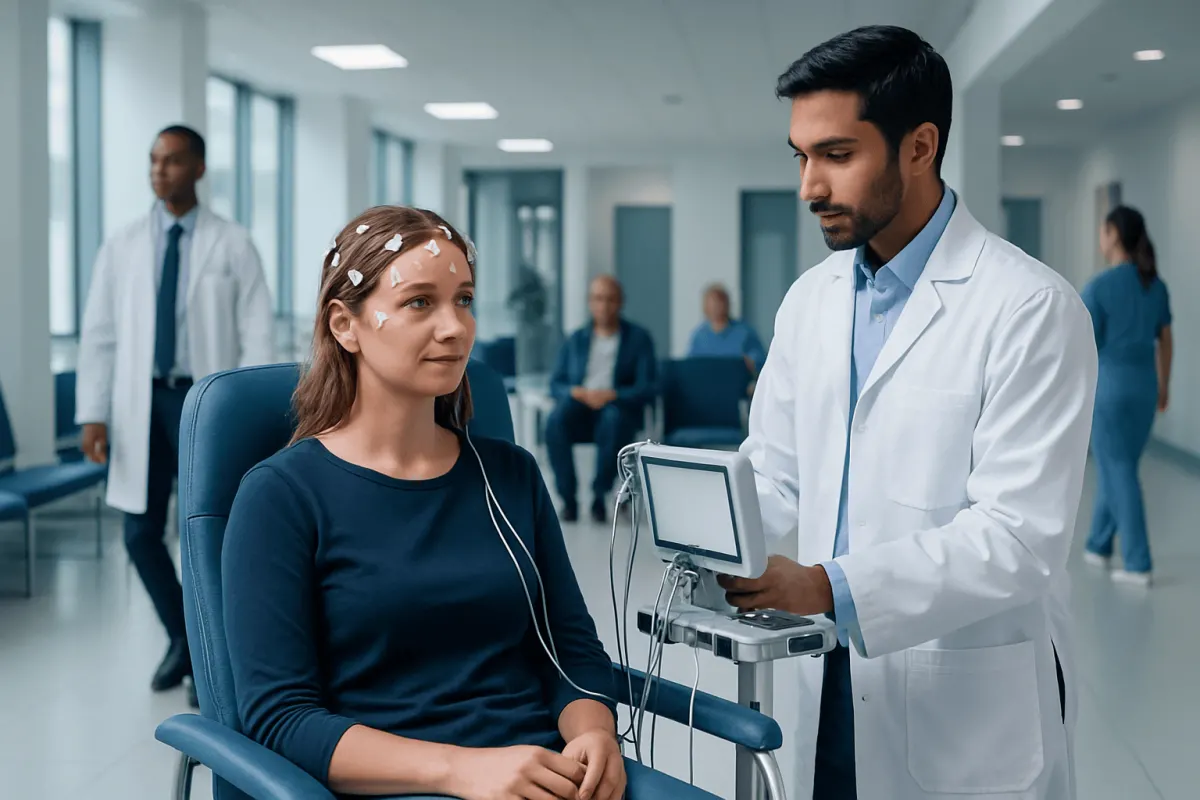
A neurophysiology test is a group of studies that assess how the brain, spinal cord, nerves, and muscles function. Common examples include EEG, EMG, nerve conduction studies, evoked potentials, and sleep-related tests, which help doctors investigate symptoms such as seizures, numbness, weakness, tremor, or sleep disturbances.
Overview: What is a neurophysiology test?
A neurophysiology test is a medical study that measures how the nervous system functions. Rather than focusing mainly on body structures, these tests look at electrical signals traveling through the brain, spinal cord, peripheral nerves, and muscles. This information can help doctors understand whether symptoms are related to abnormal brain activity, nerve damage, muscle disease, or problems in how signals are transmitted.
Neurophysiology includes several different tests. An electroencephalogram (EEG) records electrical activity in the brain. Electromyography (EMG) and nerve conduction studies evaluate muscles and peripheral nerves. Evoked potential tests measure how the nervous system responds to visual, sound, or touch stimuli. Sleep-related neurophysiology studies may be used when symptoms happen during sleep or when disorders such as epilepsy or movement disorders are suspected at night.
These tests are often recommended when a person has symptoms that cannot be explained by a routine examination alone. Examples include seizures, fainting, weakness, muscle twitching, numbness, tingling, facial symptoms, balance problems, or unusual movements. In many cases, a neurophysiology test is one part of a broader assessment that may also include a medical history, neurological examination, blood work, or imaging such as MRI or CT scans.
Common types of neurophysiology tests
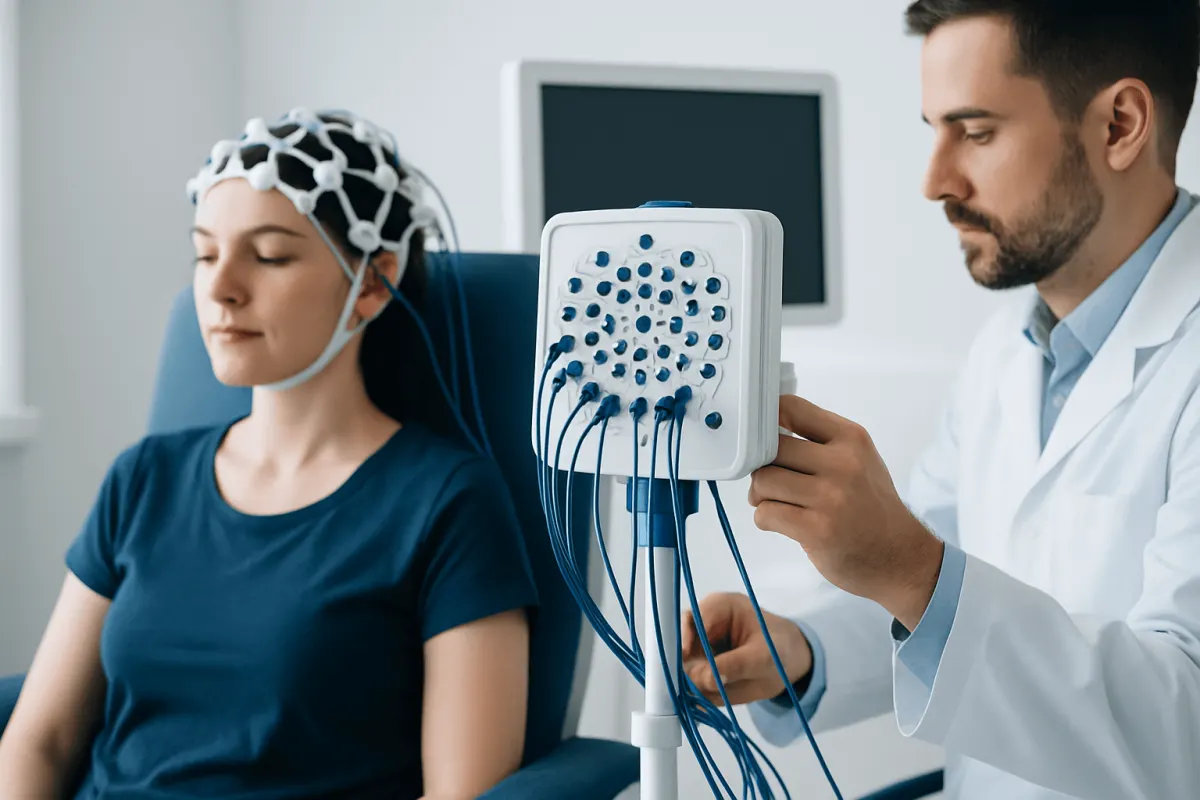
EEG is one of the best-known neurophysiology tests. Small sensors are placed on the scalp to record brain wave patterns. EEG can help assess seizures, episodes of staring, unexplained loss of awareness, some sleep disorders, and certain types of encephalopathy. Depending on the reason for testing, the recording may be brief, prolonged over several hours, or combined with video monitoring.
EMG and nerve conduction studies are often performed together. In a nerve conduction study, mild electrical impulses are applied to a nerve to see how quickly and effectively signals travel. During EMG, a fine needle electrode is inserted into selected muscles to assess their electrical activity at rest and during movement. These tests are useful in evaluating peripheral neuropathy, nerve compression, radiculopathy, muscle disease, and motor neuron disorders.
Evoked potential tests measure how the nervous system responds to a stimulus. Visual evoked potentials assess pathways from the eyes to the brain, while auditory and somatosensory evoked potentials evaluate hearing and sensory pathways. Other specialized studies may include autonomic testing, which examines functions such as blood pressure and sweating, and polysomnography or sleep studies when overnight symptoms need further evaluation.
- EEG: brain electrical activity
- EMG: muscle electrical activity
- Nerve conduction study: speed and strength of nerve signals
- Evoked potentials: brain responses to sensory stimulation
- Sleep studies: brain, breathing, movement, and sleep patterns
Why these tests are done

Doctors request a neurophysiology test to investigate symptoms and to support or rule out possible diagnoses. For example, EEG may be used when a person has suspected epilepsy, unexplained blackouts, periods of confusion, or episodes that may be difficult to classify. It can also help monitor brain function in some hospital settings. In certain cases, EEG findings contribute to the evaluation of conditions such as epilepsy.
EMG and nerve conduction studies are commonly ordered for persistent numbness, tingling, burning pain, weakness, muscle wasting, muscle cramps, or reduced reflexes. These tests can help distinguish whether symptoms come from a nerve root in the spine, a peripheral nerve, the nerve-muscle connection, or the muscle itself. They may be useful in assessing problems such as carpal tunnel syndrome, sciatica-like symptoms, diabetic neuropathy, or suspected inflammatory or inherited muscle disorders.
Evoked potentials can support the assessment of visual pathway disorders, spinal cord problems, or diseases that affect nerve signal transmission. Sleep-related studies may be recommended when events happen mostly at night, when seizures are suspected during sleep, or when symptoms could be related to parasomnias, movement disorders, or sleep apnea. The choice of test depends on the person’s symptoms, age, medical history, and examination findings.
What to expect before, during, and after testing
Preparation varies by test, so patients are usually given specific instructions in advance. For EEG, it is often recommended to wash the hair and avoid oils, sprays, or styling products so the scalp electrodes can adhere well. Some people may be asked to reduce sleep the night before if a sleep-deprived EEG is planned. For EMG and nerve conduction studies, it is generally helpful to keep the skin clean and avoid heavy lotions or creams on the day of the appointment.
During an EEG, scalp electrodes are applied using a paste or cap, and the person is asked to relax while the recording is made. They may be asked to breathe deeply or look at flashing lights, depending on the purpose of the test. The test is painless, although the paste can feel messy. During a nerve conduction study, brief electrical pulses can feel surprising or uncomfortable but are usually well tolerated. During EMG, the fine needle electrode may cause temporary discomfort in the tested muscles.
Most people can return to usual activities shortly after testing unless they were given sedation or are advised otherwise. Mild muscle soreness after EMG can happen for a short time. Results are usually reviewed by a neurologist or neurophysiologist, who interprets the findings in context rather than in isolation. A normal study does not always exclude disease, and an abnormal study may need to be correlated with symptoms and other test results.
How results help with diagnosis
Neurophysiology tests do not simply give a yes-or-no answer; they provide clues about where a problem may be located and how severe it may be. For example, an EEG may show patterns that support a seizure tendency, but the interpretation depends on the person’s symptoms and clinical history. Some EEG changes are nonspecific, while others are more strongly associated with epileptic activity. Similarly, a normal EEG does not completely rule out seizures if events are intermittent.
EMG and nerve conduction studies can help identify whether symptoms arise from a damaged peripheral nerve, a compressed nerve, a problem at the nerve root, a disorder of the muscle, or an issue at the neuromuscular junction. The pattern of abnormalities can also suggest whether the process is acute or chronic, widespread or localized, and predominantly affecting sensory fibers, motor fibers, or both.
Because the nervous system is complex, neurophysiology findings are often combined with imaging, blood tests, or specialist assessments. A person with weakness may need further evaluation with MRI scanning to look at the brain or spine, while someone with recurring events may benefit from prolonged EEG monitoring or a focused neurological workup. This step-by-step approach helps build a clearer diagnosis and a more suitable treatment plan.
Treatment planning and follow-up
A neurophysiology test does not treat a condition by itself, but it often guides next steps. When EEG findings support seizures, treatment may involve anti-seizure medicines and follow-up with a neurology or epilepsy specialist. If a nerve conduction study points to nerve compression, treatment may include splinting, physiotherapy, activity changes, or, in selected cases, procedural or surgical options. If a muscle disorder is suspected, further blood tests, imaging, or muscle biopsy may be considered.
In some situations, repeated testing is useful. Follow-up studies can show whether a nerve is recovering after injury, whether a neuropathy is progressing, or whether a treatment plan is helping. For sleep-related problems, results from a sleep study can help guide therapies such as lifestyle measures, breathing support, or treatment of nighttime events. In carefully selected cases, tests such as EMG or sleep studies help clarify symptoms that overlap between neurological and sleep disorders.
For international patients or those needing coordinated specialist input, multidisciplinary neurology and neurophysiology teams can be helpful. Acıbadem Health Point’s multidisciplinary specialists and JCI-accredited hospitals diagnose and treat neurological conditions for international patients, with testing and follow-up planned according to the individual clinical picture.
Limitations, safety, and when to seek medical advice
Most neurophysiology tests are considered safe when performed by trained professionals. EEG is noninvasive and does not expose the person to radiation. Nerve conduction studies use controlled electrical stimulation, and EMG uses sterile needle electrodes; both are generally low risk, though they may cause temporary discomfort or minor bruising. Patients with implanted medical devices, bleeding disorders, or certain skin conditions should tell the medical team beforehand so precautions can be taken if needed.
These tests also have limitations. Findings can be normal between episodes, especially if symptoms are intermittent. Some abnormalities are subtle or nonspecific, and technical factors may affect recordings. This is why doctors do not rely on one test alone. A careful history, physical examination, and, when appropriate, imaging or laboratory investigations remain important.
Medical advice should be sought promptly if someone has a first seizure, repeated fainting, new muscle weakness, worsening numbness, sudden facial drooping, severe balance problems, or confusion. Urgent assessment is especially important when symptoms begin suddenly, involve breathing or swallowing, or occur with severe headache, chest pain, fever, or recent head injury. Early evaluation can help identify whether neurophysiology testing is needed and how soon it should be arranged.
Frequently asked questions
01Is a neurophysiology test painful?
Many neurophysiology tests are painless or only mildly uncomfortable. EEG is noninvasive and usually does not hurt, while nerve conduction studies and EMG can cause brief discomfort from electrical stimulation or needle insertion. Most people tolerate these tests well, and any soreness after EMG is usually short-lived.
02How long does an EEG or EMG take?
The length of the test depends on the type of study and the reason it is being done. A routine EEG often takes less than an hour, while prolonged or video EEG monitoring may continue for several hours or longer. EMG and nerve conduction studies commonly take between 30 and 90 minutes, depending on how many nerves and muscles need to be tested.
03Can a normal test result still mean something is wrong?
Yes. Some neurological symptoms occur intermittently, so abnormalities may not appear during the recording. A normal result can still be helpful, but it is interpreted alongside symptoms, examination findings, and any other tests the doctor has ordered.
04Do I need to stop my medications before testing?
Patients should not stop medications unless their doctor specifically instructs them to do so. Some medicines can affect certain test results, but decisions about adjusting treatment depend on the purpose of the study and the person’s health condition. It is best to bring a full list of medicines and supplements to the appointment.
05What is the difference between EEG and EMG?
EEG records electrical activity from the brain using electrodes placed on the scalp. EMG evaluates the electrical activity of muscles, often together with nerve conduction studies that examine how signals travel through peripheral nerves. In simple terms, EEG focuses on brain function, while EMG focuses on nerve and muscle function.
06Are neurophysiology tests safe for children and older adults?
Many neurophysiology tests can be performed safely in both children and older adults when they are clinically appropriate. The exact method may be adjusted for comfort, cooperation, and underlying medical conditions. The healthcare team will explain any special precautions before the test.
This article is for general information only and is not a substitute for professional medical advice. Please consult a qualified doctor about your individual situation.
Hair transplant in Turkey — costs, graft counts & a free assessment
JCI-accredited · board-certified surgeons · reply within 24h
Add us as a Preferred Source to see more of our trusted health content across Google Search, AI Overviews and Discover.