How to Bring Down Puffy Eyes?

Key Takeaways
- Cold compresses and elevating the head can help reduce mild morning puffiness.
- Allergies, lack of sleep, irritation, salt intake, and crying are common triggers.
- Puffy eyes that are painful, red, one-sided, or long-lasting need medical review.
- Treating the underlying cause is the most reliable way to prevent repeat swelling.
- Healthy sleep habits, good hydration, and gentle eye care can lower recurrence.
Puffy eyes are often temporary and can improve with cold compresses, rest, hydration, and reducing salt or allergens. If swelling is one-sided, painful, persistent, or linked to vision changes, a doctor should assess the cause.
Overview
If someone is wondering how to bring down puffy eyes, the fastest safe answer is usually to cool the area, rest the eyes, and look for the trigger behind the swelling. In many people, puffiness around the eyes is temporary and related to sleep position, tears, allergies, salt, or simple irritation rather than a serious eye disease.
The skin around the eyes is thin, so even a small amount of fluid or inflammation can look dramatic in the mirror. That is why puffy eyes can appear after a late night, a salty meal, a bout of crying, or an allergy flare. The goal is not only to calm the swelling, but also to understand why it happened so it is less likely to return.
Most mild puffiness improves with supportive care at home. However, swelling that is sudden, painful, one-sided, associated with redness, or linked to changes in vision deserves medical attention. In international care journeys, this matters because the cause may need a focused eye examination rather than a cosmetic approach alone.
Symptoms
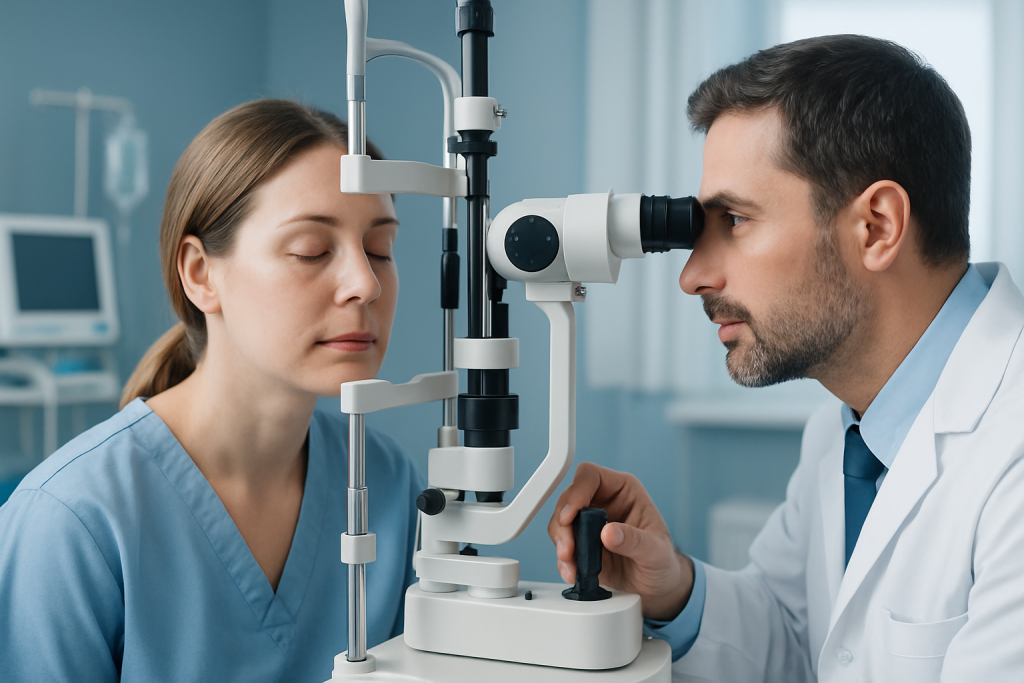
Puffy eyes usually mean the tissues around the eyelids look swollen or feel slightly heavy. The swelling may affect the upper lids, the lower lids, or both. Some people notice a “baggy” look under the eyes, while others mainly feel pressure or fullness when blinking.
Commonly associated symptoms can include mild itching, watery eyes, redness, tired eyes, or a feeling of irritation. If allergies are involved, both eyes are often affected and the puffiness may come with sneezing or nasal congestion. After crying or rubbing the eyes, the swelling is often more noticeable for a few hours and then gradually settles.
Symptoms that suggest more than simple puffiness include significant pain, fever, discharge, blurry vision, light sensitivity, trouble moving the eye, or swelling that clearly affects only one side. Those signs deserve prompt evaluation because they can point to infection, injury, or another condition that needs treatment.
Causes & Risk Factors

Puffy eyes can develop for several everyday reasons. Fluid can collect around the eyes after sleeping flat, especially if a person has had less sleep, cried, consumed a lot of salty food, or used alcohol the night before. The area can also swell after eye rubbing, contact lens irritation, or exposure to wind and smoke.
Allergies are a frequent cause. When the body reacts to pollen, dust, pet dander, or cosmetics, the eyelids may become swollen, itchy, and watery. Sinus congestion can also contribute because pressure and fluid changes around the nose and eyes may make the eyelids appear puffy.
Some medical conditions can also play a role, including eyelid inflammation, conjunctivitis, styes, thyroid eye disease, kidney problems, and skin conditions such as eczema. Risk is higher in people who have a history of allergies, chronic eye irritation, poor sleep, frequent salt-heavy meals, or a tendency to rub the eyes when tired or stressed.
Diagnosis
When puffiness is mild and clearly linked to a short-lived trigger, a person may not need testing. A doctor or eye specialist usually starts by asking when the swelling began, whether it affects one or both eyes, and whether there are other symptoms such as pain, itching, redness, fever, or vision changes.
The examination may include a close look at the eyelids, the white of the eye, the surface of the eye, and nearby skin. If an allergy, infection, blocked gland, or eyelid inflammation is suspected, the pattern of swelling often gives useful clues. If the problem seems deeper or more complex, further testing may be recommended.
Depending on the situation, a clinician may suggest allergy evaluation, blood tests, or imaging if a sinus, thyroid, or systemic cause is suspected. For international patients, a clear diagnosis is especially helpful because it guides treatment plans that can continue safely after travel and during follow-up at home.
Treatment Options
The most effective treatment depends on the cause. For mild puffiness from fluid retention, a cool compress can help calm the area, and sleeping with the head slightly elevated may reduce morning swelling. Gentle handling matters; the eyelids are sensitive, and rubbing usually makes irritation worse.
If allergies are the reason, treatment often focuses on reducing exposure to triggers and managing the allergic response. A doctor may recommend general allergy care or eye drops depending on the pattern of symptoms. For inflammation or infection, treatment may need to target the specific condition rather than the puffiness itself.
When an eyelid lump, skin condition, thyroid issue, or other medical problem is driving the swelling, treating that underlying cause is key. Cosmetic treatments are not the first step when swelling reflects inflammation or disease. The safest approach is to have a qualified clinician confirm whether the puffiness is harmless or part of a broader issue.
- Cool compresses for short periods
- Head elevation during rest
- Allergy trigger reduction
- Careful use of prescribed eye treatments when indicated
- Avoiding eye rubbing and irritating products
Prevention & Self-care
Preventing repeat puffiness often comes down to small habits. Regular sleep, good hydration, and a moderate salt intake can make a noticeable difference for people whose eyes swell after a long day or a poor night of rest. It also helps to remove makeup gently and avoid leaving irritating products near the lash line.
People with allergies may benefit from keeping windows closed during high-pollen periods, washing bedding regularly, and minimizing exposure to known triggers. If contact lenses are part of the routine, following lens hygiene carefully can reduce irritation that may contribute to eyelid swelling.
For anyone who travels often for treatment or work, packing familiar allergy remedies, preservative-free lubricating drops if advised, and a simple eye-care routine can be useful. Long flights and dry cabin air may make the eyes feel more irritated, so hydration and occasional blinking breaks during travel can be helpful.
When to See a Doctor
Medical advice is important if puffiness is new and unexplained, keeps returning, or does not improve with basic self-care. A doctor should also evaluate swelling that is painful, warm, red, or centered on one eyelid, since these features may suggest infection or another local problem.
Prompt assessment is especially important if the person has blurry vision, double vision, fever, headache, discharge, trouble opening the eye, or pain when moving the eye. Sudden swelling after an injury or after using a new product should also be checked, as should any severe allergic reaction with lip, tongue, or throat swelling.
If the eyes look puffy along with swelling elsewhere in the body, or if the swelling seems persistent rather than occasional, a broader medical evaluation may be needed. Acibadem Health Point’s multidisciplinary specialists and JCI-accredited hospitals diagnose and treat eye conditions for international patients in a coordinated way when a more detailed assessment is needed.
Living With Recurrent Puffy Eyes
People with repeated puffiness often do best when they identify patterns. Keeping track of sleep, foods, allergies, makeup, stress, and travel can reveal the triggers that matter most. A short diary can be surprisingly helpful when the swelling seems random at first.
It is also useful to know when “just puffiness” is no longer a simple cosmetic concern. Recurrent swelling can be a sign that allergies are undertreated, the eyelids are inflamed, or another health issue is affecting fluid balance. A stable, personalized plan from an eye doctor or general physician can reduce uncertainty and improve comfort over time.
For international patients, building that plan before returning home can make follow-up easier. Clear instructions on what to watch for, how to use treatments safely, and when to seek reassessment can prevent unnecessary worry and help the person manage symptoms with confidence.
Practical At-Home Steps for Mild Puffiness
When puffiness is mild and there are no warning signs, a few simple measures are reasonable. A clean cool compress placed gently over closed eyelids for short intervals can ease swelling. Resting with the head slightly raised may also help the fluid drain away from the eye area.
Staying well hydrated, limiting salty foods for a day or two, and avoiding alcohol may help if the swelling followed a late night or a heavy meal. If the eyes are itchy, it is better to avoid rubbing and instead address the possible trigger, such as dust, pollen, or makeup irritation.
If someone is unsure whether the swelling is ordinary puffiness or a sign of an eye problem, a medical assessment is the safest next step. The right treatment depends on the reason for the swelling, and that reason is not always obvious from appearance alone.
Frequently asked questions
01What is the quickest way to bring down puffy eyes?
For mild puffiness, a cool compress and a bit of head elevation are often the quickest helpful steps. Rest, hydration, and avoiding eye rubbing can also make the swelling settle more comfortably. If the cause is allergies or irritation, the puffiness may return until the trigger is addressed.
02Does ice help puffy eyes?
A cool compress can help reduce swelling, but it should be gentle and not applied directly as ice to the skin. The eyelid area is delicate, so brief cooling is safer than prolonged or very cold contact. If the skin becomes uncomfortable, the compress should be removed.
03Why are my eyes puffy in the morning?
Morning puffiness is often related to fluid shifting while sleeping flat, especially after salty food, crying, alcohol, or poor sleep. Allergies and nasal congestion can also make the eyelids look swollen after waking. If the swelling is persistent or unusual, a doctor should evaluate it.
04Can allergies cause puffy eyes?
Yes, allergies are a common cause of puffy, itchy, watery eyes. Both eyes are often involved, and symptoms may come and go with exposure to pollen, dust, pets, or cosmetics. Managing the trigger is usually an important part of treatment.
05When should puffy eyes be checked by a doctor?
A doctor should check puffy eyes if the swelling is painful, red, one-sided, or linked to fever, discharge, or vision changes. It should also be evaluated if it keeps coming back or does not improve with basic self-care. Sudden swelling with lip or throat swelling needs urgent attention.
06Are puffy eyes ever a sign of something serious?
Sometimes, yes. While many cases are harmless and temporary, puffiness can also happen with infection, thyroid disease, kidney problems, or significant allergy reactions. The pattern of symptoms helps determine whether the cause is simple or needs medical care.
This article is for general information only and is not a substitute for professional medical advice. Please consult a qualified doctor about your individual situation.
Explore treatments in Turkey — costs, top hospitals & a free quote
JCI-accredited · board-certified surgeons · reply within 24h
Add us as a Preferred Source to see more of our trusted health content across Google Search, AI Overviews and Discover.