How to Boost Lung Capacity?

Key Takeaways
- Lung capacity can often be improved indirectly by strengthening breathing muscles and increasing fitness.
- Breathing exercises, especially diaphragmatic and pursed-lip breathing, may help people breathe more efficiently.
- Regular aerobic activity supports stamina and can make everyday breathing feel easier.
- Smoking cessation, good posture, and air-quality awareness are important for lung health.
- Persistent breathlessness, wheezing, chest pain, or a sudden change in exercise tolerance should be medically evaluated.
To boost lung capacity safely, a person usually needs a combination of regular aerobic exercise, breathing training, posture work, and good control of any underlying lung condition. The best approach depends on age, fitness level, and whether shortness of breath is related to asthma, COPD, recovery after illness, or low activity levels.
Overview
If someone is asking how to boost lung capacity, the most useful answer is that the lungs themselves do not usually “grow” dramatically, but breathing efficiency, respiratory muscle strength, and exercise tolerance can often improve. For many people, that translates into less breathlessness during activity and better day-to-day stamina.
Lung capacity is influenced by age, body size, fitness, posture, smoking history, and medical conditions such as asthma or chronic obstructive pulmonary disease (COPD). In practice, improving lung health often means helping the body use oxygen more effectively rather than trying to force the lungs to work harder.
That matters for people planning travel, returning to work after an illness, or rebuilding strength after time spent inactive. A sensible plan focuses on safe, repeatable habits that can be continued at home and adjusted with a clinician’s guidance when needed.
Symptoms That Suggest Breathing Needs Attention

People do not always notice reduced lung capacity directly. Instead, they may become aware of shortness of breath when climbing stairs, walking at a faster pace, carrying luggage, or speaking for long periods. Some people also feel that they cannot take a full breath, even when resting.
Other signs can include wheezing, frequent coughing, chest tightness, rapid breathing, or tiredness that seems out of proportion to the activity being done. In older adults, a gradual drop in exercise tolerance is sometimes the first clue that breathing fitness needs attention.
It is important to distinguish ordinary breathlessness from a new or unexplained pattern. A person who suddenly cannot do tasks that were previously easy, or who develops breathlessness with fever, chest pain, or dizziness, should be assessed by a doctor.
Causes & Risk Factors
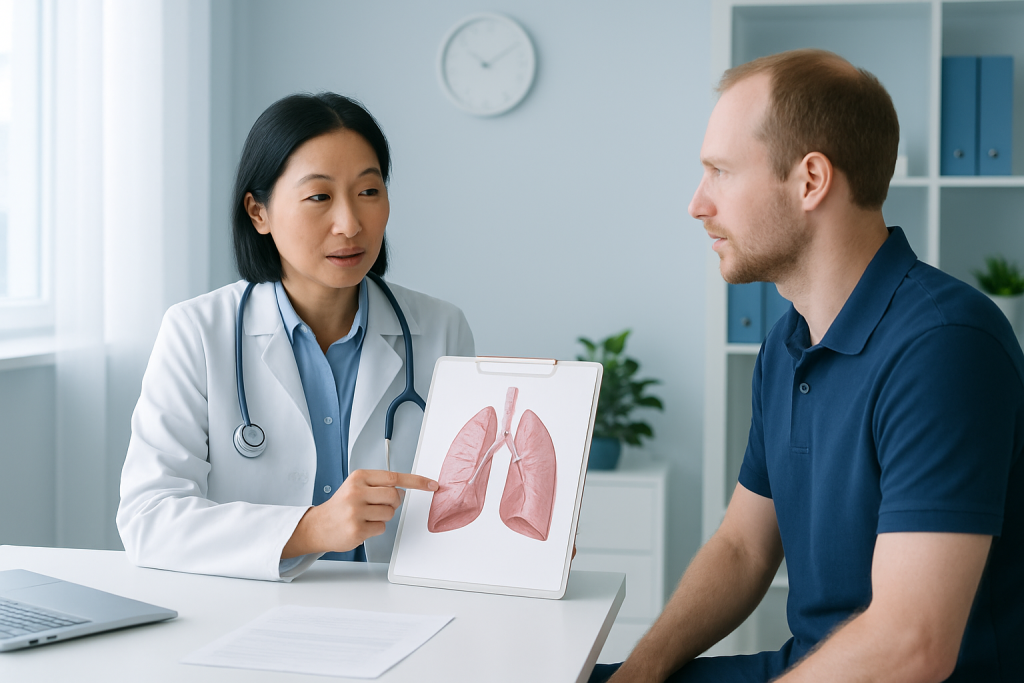
Low lung capacity is not a single diagnosis. It can reflect reduced fitness, stiff chest wall mechanics, shallow breathing habits, obesity, deconditioning after illness, or an underlying lung disease that limits airflow or oxygen exchange.
Smoking is one of the strongest risk factors for lung damage, and secondhand smoke also matters. Long-term exposure to air pollution, dust, chemical fumes, or occupational irritants may contribute as well. People with asthma, COPD, prior pneumonia, interstitial lung disease, or chest wall disorders may notice greater limitations.
Risk can also increase with prolonged inactivity. When a person rests for long periods, the respiratory muscles and overall cardiovascular system can lose conditioning, making even normal exertion feel more difficult.
Diagnosis: How Clinicians Assess Lung Function
Before trying to raise lung capacity, a clinician may want to understand what is causing the limitation. The evaluation often begins with a symptom history, smoking history, activity level, medication review, and a physical examination.
Common tests include spirometry, which measures how much air a person can exhale and how quickly, and sometimes other pulmonary function tests that look more closely at lung volumes and gas exchange. Depending on the situation, a doctor may also order chest imaging, oxygen measurements, allergy testing, or heart-related evaluation if symptoms overlap.
When the issue is mainly low fitness or poor breathing mechanics, the approach is usually different from the plan for asthma, COPD, or another medical condition. A careful diagnosis helps ensure that exercises and lifestyle changes are helpful and safe.
Treatment Options
There is no single technique that instantly increases lung capacity, but several strategies can improve breathing performance over time. The most effective plan usually combines movement, breathing practice, and treatment of the underlying cause, if one is present.
- Aerobic exercise: Walking, cycling, swimming, and similar activities help the body use oxygen more efficiently and can make breathing feel easier over time.
- Breathing exercises: Diaphragmatic breathing encourages deeper, more controlled breaths, while pursed-lip breathing may help slow exhalation and reduce the sensation of air hunger.
- Pulmonary rehabilitation: For people with chronic lung disease, supervised programs combine exercise, breathing training, education, and symptom management.
- Medication or inhaler therapy: When asthma or COPD is involved, appropriate treatment can open airways and reduce flare-ups.
- Treatment of other conditions: Managing anemia, heart disease, obesity, or sleep-related breathing problems may also improve breathing capacity.
Posture and core strength can also affect how comfortably the lungs expand. Gentle chest-opening stretches, upright sitting, and avoiding slumped positions may help the diaphragm move more freely. For some people, guided physical therapy or rehabilitation is more effective than trying to improvise a routine alone.
It is worth noting that many international patients seek a second opinion when symptoms are persistent or the diagnosis is unclear. In such cases, multidisciplinary specialists can coordinate testing and treatment plans, and Acibadem Health Point’s JCI-accredited hospitals provide care for international patients with respiratory concerns.
Prevention & Self-care
People often get the best results by building lung-friendly habits into everyday life rather than relying on occasional intense effort. Regular movement, enough hydration, and good sleep support overall respiratory health and energy levels.
Stopping smoking is one of the most meaningful steps anyone can take for the lungs. Limiting exposure to indoor smoke, dust, and poor outdoor air quality also helps. When pollution levels are high, reducing strenuous outdoor activity and following local air-quality guidance can be sensible.
Simple self-care practices may also make a difference:
- Practice slow, controlled breathing for a few minutes each day.
- Use stair climbing or brisk walking to gradually build endurance.
- Maintain an upright posture during desk work and travel.
- Warm up before exercise and increase intensity gradually.
- Follow prescribed inhalers or treatments consistently if a lung condition has been diagnosed.
For people recovering after infection or a hospital stay, progression should be gradual. Pushing too hard too soon can worsen symptoms, so pacing and medical follow-up are often more useful than trying to “power through” breathlessness.
When to See a Doctor
Medical assessment is important if shortness of breath is new, unexplained, worsening, or interfering with normal activities. A doctor should also review symptoms if exercise tolerance is falling, even when the person assumes it is only due to aging or being out of shape.
Prompt evaluation is especially important when breathlessness comes with chest pain, fainting, blue lips, swelling in the legs, coughing up blood, or a sudden change in breathing. These symptoms need timely attention because they may point to a condition beyond simple low fitness.
Even when symptoms are mild, a clinician can help identify whether the issue is related to breathing mechanics, a treatable lung disease, or another medical factor. That guidance is often the safest way to decide which exercises are appropriate and how quickly to progress.
Living With the Goal of Better Breathing
Improving lung capacity is usually a gradual process. People tend to do best when they track practical goals, such as walking farther without stopping, recovering more quickly after exertion, or feeling less winded on stairs. Those everyday wins are often more meaningful than a number on a test alone.
For travelers and patients arranging care from another country, a clear plan matters: confirm the diagnosis, understand the treatment steps, and know what follow-up should happen after returning home. With the right support, many people can build better breathing habits and manage lung-related symptoms more confidently.
The main idea is simple: safe, steady conditioning and proper medical evaluation usually help more than quick fixes. A qualified doctor can tailor the plan to the individual’s lungs, health history, and activity goals.
Frequently asked questions
01Can lung capacity really be improved?
Yes, in many cases it can be improved indirectly through better fitness, breathing technique, and treatment of any underlying condition. The lungs may not change dramatically in size, but breathing can become more efficient and less tiring. That often leads to better daily function.
02What is the best exercise to boost lung capacity?
Aerobic exercise such as brisk walking, cycling, or swimming is often the most useful starting point. These activities train the heart, muscles, and lungs to work together more efficiently. The best choice is one that can be done regularly and safely.
03Do breathing exercises help?
They can help some people, especially when breathlessness is related to shallow breathing or chronic lung disease. Diaphragmatic breathing and pursed-lip breathing are commonly used techniques. A clinician or respiratory therapist can show the correct method if needed.
04How long does it take to notice improvement?
That varies widely. Some people notice easier breathing after a few weeks of regular activity and practice, while others improve more slowly, especially if they are recovering from illness or managing a chronic condition. Consistency usually matters more than intensity.
05Can posture affect lung capacity?
Yes, posture can influence how easily the chest and diaphragm move. Slouching may restrict expansion, while upright posture can make breathing feel more comfortable. Small changes during sitting, standing, and walking can help.
06Should someone with asthma or COPD try to increase lung capacity on their own?
They can often benefit from exercise and breathing training, but it is important to do so within a treatment plan. Inhalers, pulmonary rehabilitation, and medical follow-up may be needed to keep symptoms controlled. A doctor can help decide what is safe.
This article is for general information only and is not a substitute for professional medical advice. Please consult a qualified doctor about your individual situation.
Joint and spine care in Turkey — expert assessment & treatment
JCI-accredited · board-certified surgeons · reply within 24h
Add us as a Preferred Source to see more of our trusted health content across Google Search, AI Overviews and Discover.