How Often Should I Pump to Maintain Milk Supply?
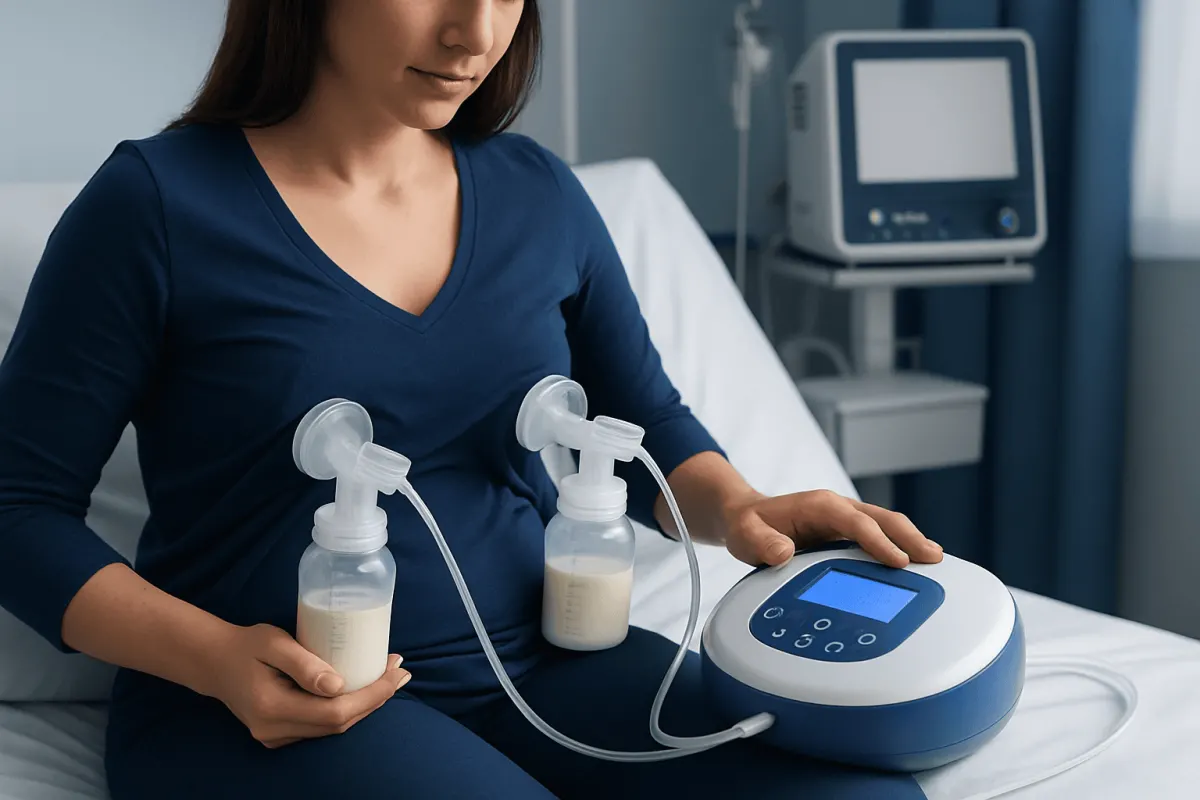
How often a person should pump depends on whether they are exclusively pumping, pumping after nursing, or replacing a missed feed. In the early weeks, frequent and effective milk removal is usually more important than following an exact clock-based schedule.
How Often Should a Person Pump?
For most people who are exclusively pumping in the first weeks after birth, the usual evidence-based starting point is 8–12 milk-removal sessions in 24 hours. This frequency broadly reflects how often many newborns feed and helps establish milk production. Sessions do not need to occur at identical intervals, but regularly removing milk, including at least one session overnight in the early period, is often important for building supply.
Pumping is generally harmless when it is comfortable, uses appropriate settings, and does not cause nipple or breast injury. There is no single schedule that suits everyone: a parent who pumps occasionally while also nursing will usually pump less often than someone who is fully replacing feeds with expressed milk. Once milk production is well established and the baby is growing well, some people can gradually reduce sessions while maintaining an adequate supply.
Medical review is important if pumping causes significant pain, cracked or bleeding nipples, fever, flu-like symptoms, a hot red area of breast skin, a persistent lump, or a sudden and unexplained fall in milk output. A clinician may ask about the baby’s feeding and weight gain, examine the breasts and nipples when needed, review pump technique and flange fit, and consider factors such as retained milk, infection, medications, hormonal conditions, or previous breast surgery.
Match Pumping Frequency to the Feeding Situation
Exclusive pumping means expressed milk is replacing all or most feeds at the breast. In this situation, the pump should generally replace the baby’s expected feeding frequency. During the first several weeks, pumping 8–12 times daily is commonly advised, with the goal of removing milk frequently enough to signal ongoing demand. Some sessions may be shorter and some longer; effectiveness and consistency matter more than achieving a precise number of minutes.
When a baby nurses directly and pumping is only used to collect milk for a later feed, one or two planned sessions may be enough for many families. For example, pumping after an early-morning feed can be practical because milk volume is often higher then. However, routine pumping after every breastfeed is not necessary for everyone and can create an uncomfortable oversupply in some people.
If a nursing session is missed because of work, travel, illness, or separation from the baby, pumping around the time the baby would normally feed can help protect comfort and milk production. During temporary separation, the aim is usually to express milk as often as the baby normally feeds, rather than waiting until the breasts feel very full.
Why Frequent Milk Removal Matters in Early Weeks

Milk production works mainly through supply and demand. When milk is removed effectively, the breasts receive a signal to continue producing milk. In the early postpartum period, frequent milk removal helps establish the long-term pattern of production. Waiting until breasts feel very full may be uncomfortable and, when it happens repeatedly, may reduce the signal to make milk.
Nighttime milk removal can be particularly relevant in the first weeks because hormone levels that support milk production are often higher overnight. This does not mean every parent must follow the same overnight plan indefinitely. Sleep is also essential for recovery and wellbeing, so a realistic schedule should be discussed with a lactation professional when possible.
Milk output from one pumping session is not a reliable measure of total supply. Pump response varies widely, especially in the first days and weeks, and a baby may remove milk more effectively than a pump. Trends over several days, breast comfort, diaper output, and the baby’s growth are more useful indicators than comparing a single session with another person’s output.
Building a Practical Pumping Routine
A useful routine starts by identifying the purpose of pumping: establishing supply, replacing feeds, preparing for a return to work, relieving fullness, or supplementing after nursing under clinical guidance. For exclusive pumping, many people spread sessions across the day and night rather than clustering all sessions into daytime hours. Setting reminders can help during the early weeks, when fatigue and recovery make schedules difficult to manage.
Each session should be comfortable. The breast shield, also called a flange, should fit properly; the nipple should move freely in the tunnel without substantial rubbing, blanching, or pulling in a large amount of surrounding breast tissue. Suction should be increased only to a comfortable level. Stronger suction does not necessarily remove more milk and may cause swelling or tissue damage.
Gentle breast massage before or during pumping, warmth for comfort, and hands-on compression may help some people express milk more effectively. A double electric pump can reduce the time needed when both breasts are pumped at once. If pumping remains painful, ineffective, or emotionally overwhelming, a lactation consultant can help tailor the approach without assuming that a more intensive schedule is always the answer.
- Keep pump parts clean and follow the manufacturer’s instructions for use and replacement.
- Record timing and volume for a few days if supply is a concern, but avoid letting tracking become a source of stress.
- Store expressed milk safely according to current local public-health guidance.
- Make schedule changes gradually when possible, especially when reducing sessions.
Adjusting Frequency as Milk Supply Changes
After supply is established, often around the first few months but with considerable individual variation, some exclusively pumping parents can reduce the number of sessions gradually. A common approach is to lengthen the interval between two sessions or shorten one session at a time, then observe breast comfort and total daily milk output for several days. Abruptly dropping multiple sessions can lead to engorgement, plugged ducts, or a noticeable reduction in supply.
People with a history of low milk production, premature birth, multiple birth, breast surgery, endocrine conditions, or delayed onset of abundant milk production may need individualized support. In these situations, more frequent expression may be advised temporarily, but the plan should take physical recovery, mental health, and family circumstances into account.
Conversely, recurrent engorgement, forceful milk flow, or producing much more milk than the baby needs may suggest oversupply. Adding extra pumping sessions without a clear reason can worsen this pattern. A clinician or lactation consultant can help determine whether pumping frequency should be reduced carefully and whether another feeding issue needs attention.
When to Seek Medical Care
Prompt medical advice is recommended for fever, chills, feeling unwell, worsening breast pain, a wedge-shaped red area, or a swollen and tender breast. These symptoms can occur with breast inflammation or infection and should not be managed by simply stopping milk removal. Continuing to feed or express milk is often appropriate, but the individual plan should be guided by a healthcare professional.
A person should also arrange review for nipple wounds that are not healing, severe pain with pumping or feeding, a breast lump that persists after effective milk removal, pus-like discharge, or changes in breast skin that do not settle. Urgent evaluation is particularly important for rapidly worsening symptoms or if the person feels very unwell.
Concerns about low milk supply deserve assessment when the baby has poor weight gain, fewer wet diapers than expected for age, persistent lethargy, or difficulty feeding. A doctor or lactation specialist may observe a feed or pumping session, assess the baby’s growth, check pump fit and milk transfer, and review maternal health factors. Acıbadem Health Point’s multidisciplinary specialists and JCI-accredited hospitals can assess breastfeeding and breast-health concerns for international patients.
Supporting Comfort, Recovery, and Confidence
Pumping should support feeding goals without causing unnecessary discomfort or pressure. Drinking to thirst, eating regular nourishing meals, resting whenever possible, and accepting practical help can support postpartum recovery. There is no strong evidence that one particular food, drink, or supplement reliably increases milk supply for every person.
Emotional wellbeing also matters. Exclusive pumping or frequent pumping can be demanding, and it is reasonable to seek help if the routine feels unmanageable, distressing, or isolating. A feeding plan can be adjusted as family needs change; using some expressed milk, direct breastfeeding, formula, or a combination of approaches can all be appropriate ways to nourish a baby.
The best pumping frequency is therefore the one that adequately replaces missed milk removal, maintains breast comfort and the desired supply, and remains sustainable. Professional guidance is especially valuable when there is pain, a supply concern, a baby growth concern, or uncertainty about how to change a schedule safely.
Frequently asked questions
01How often should I pump if I am exclusively pumping?
In the first weeks, many exclusively pumping parents aim for 8–12 pumping sessions in 24 hours. This generally matches newborn feeding patterns and helps establish milk production. The exact number can later be adjusted based on daily output, breast comfort, the baby’s needs, and advice from a lactation professional.
02Should I pump every time my baby breastfeeds?
Not usually. If a baby is nursing effectively and growing well, pumping after every feed may not be needed and can sometimes lead to oversupply or discomfort. Extra pumping may be recommended in specific circumstances, such as separation from the baby, low milk transfer, or a supply-building plan.
03How long should each pumping session last?
There is no universal session length. Many people pump until milk flow has slowed and the breasts feel softer, often using a session of around 15–20 minutes with a double pump, but individual needs differ. Pain, swelling, or ongoing poor output should be discussed with a lactation consultant rather than addressed by simply pumping longer.
04Do I need to pump during the night?
For exclusive pumping in the first weeks, overnight milk removal is commonly helpful for establishing supply. As supply becomes established, some people can gradually extend their nighttime interval if their output and comfort allow. The safest approach depends on the individual’s supply history and the baby’s feeding needs.
05Why am I pumping often but getting little milk?
Low output can result from pump fit, pump settings, timing, stress, delayed let-down, infrequent effective milk removal, or a baby-related or maternal health factor. One low-volume session does not prove low supply. A professional can assess output trends, pumping technique, breast health, and the baby’s growth to identify the likely cause.
06Can pumping too often reduce milk supply?
Frequent effective pumping usually increases the signal to produce milk rather than reducing supply. However, excessive pumping can cause pain, nipple trauma, fatigue, or oversupply, which can make feeding harder to manage. A sustainable plan with comfortable pumping technique is more useful than adding sessions without a clear reason.
This article is for general information only and is not a substitute for professional medical advice. Please consult a qualified doctor about your individual situation.
Medical weight-loss options in Turkey — costs & eligibility
JCI-accredited · board-certified surgeons · reply within 24h
Add us as a Preferred Source to see more of our trusted health content across Google Search, AI Overviews and Discover.