How Often Can You Donate Plasma?

Key Takeaways
- Donation frequency is set by safety rules and varies by country, center, and health status.
- Good hydration, nutrition, and rest help the body recover after plasma donation.
- People with certain illnesses, low protein levels, anemia, or recent infections may need to wait or avoid donation.
- Before donating, the center checks vital signs and reviews medical history to protect donor safety.
- A doctor should be consulted if there is dizziness, unusual fatigue, or other symptoms after donation.
Plasma donation can be a safe way to help others when it is done within recommended intervals and with proper health screening. The right schedule depends on local donation rules, personal health, and how well the body recovers between sessions.
Overview
Plasma is the liquid part of blood that carries proteins, antibodies, and clotting factors. It is used in the treatment of burns, immune disorders, bleeding problems, and other medical conditions, which is why many healthy adults choose to donate it.
When people ask how often can you donate plasma, the answer is not the same everywhere. Donation intervals depend on local regulations, the type of donation center, and whether the donor’s body is recovering well. The aim is to balance a steady supply for patients with safe, repeatable donation for the donor.
For anyone planning donation as part of travel or while living abroad, it helps to check the rules of the destination country before making an appointment. A center can confirm whether the donor is eligible on that day and explain how future visits should be spaced.
How plasma donation timing is usually set
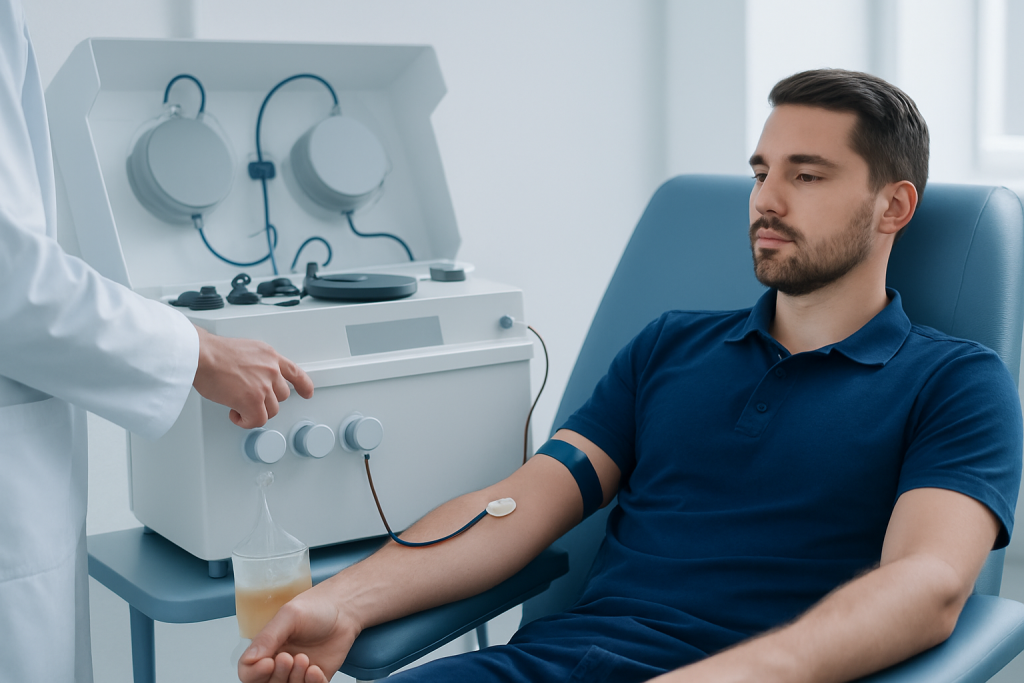
Plasma donation is often allowed more frequently than whole-blood donation because red blood cells are returned to the donor during the procedure. Even so, plasma is not something the body should be asked to replace without limits. Donation centers use waiting periods to lower the risk of dehydration, protein loss, and fatigue.
In many places, donors may give plasma more than once a month if they continue to meet the health criteria and screening requirements. Some systems allow donations at shorter intervals, while others are more conservative. The center’s policy, rather than a personal guess, should guide the schedule.
A safe interval also depends on how a person feels after the last donation. If recovery is slow, if there is poor sleep, recent illness, or reduced food intake, it may be wise to wait longer and speak with the donation staff or a clinician.
Symptoms and signs that the body may need more recovery time

Most donors feel well after plasma donation, but mild short-lived effects can happen. These may include lightheadedness, thirst, tiredness, or a small bruise at the needle site. Such symptoms usually improve with fluids, food, and rest.
Some signals suggest the body may not be ready for another donation yet. These include ongoing weakness, fainting, paleness, shortness of breath, persistent dizziness, or an unusually fast heartbeat. If any of these occur, the donor should pause future donations until a healthcare professional or donation center advises otherwise.
It is also important to pay attention to how one feels in the days after donation, not just during the appointment. A person who returns to baseline quickly is more likely to tolerate repeated donations well than someone who remains fatigued.
Causes and risk factors that affect eligibility
Several factors can make plasma donation unsafe or temporarily unsuitable. Common reasons include recent infection, fever, pregnancy, anemia, low body weight, certain medications, and medical conditions that affect the immune system, circulation, or clotting.
Protein levels matter as well, because plasma contains antibodies and other proteins the body must rebuild. A donor with poor nutrition, limited fluid intake, or an illness that affects protein balance may need to wait before giving plasma again.
Donation centers also screen for travel-related risks, previous transfusions, and infectious disease exposures. This is especially relevant for international patients or travelers who may have had recent vaccinations, infections, or time spent in regions with different screening rules.
- Recent illness or fever
- Low iron or anemia
- Pregnancy or recent childbirth
- Some prescription medicines
- Poor hydration or low body weight
- Conditions affecting immunity or clotting
How donation is checked and why screening matters
Before a plasma donation, staff usually review medical history, ask about symptoms and travel, check pulse and Systolic Blood Pressure: What Patients Need to Know" class="ahp-ilk">blood pressure, and often test hemoglobin or total protein depending on local practice. These steps are not red tape; they are the main way donation centers protect donor safety.
If any screening result is outside the accepted range, the donation may be postponed. That can be frustrating, but it often prevents a problem that would be harder to manage later. The decision is usually made on the spot and based on the donor’s current condition, not just on past donations.
People considering donation during a short stay abroad should allow extra time for screening and possible rescheduling. A rushed appointment is rarely ideal if the body is still adjusting to travel, jet lag, or a different routine.
Treatment options and what recovery usually looks like
There is no medical treatment needed after a routine plasma donation unless symptoms develop. Recovery usually focuses on simple supportive measures: drinking fluids, eating a balanced meal, avoiding heavy exercise for a short period, and watching the puncture site for unusual swelling or bleeding.
If a donor feels faint, staff can help them lie down, rehydrate, and rest until symptoms pass. If symptoms are more than mild or do not improve, a doctor may check for dehydration, anemia, low blood pressure, or another underlying issue.
For people who donate regularly, it can help to keep a personal record of donation dates, how they felt afterward, and any deferrals. That record can make future appointments smoother, especially when donating while traveling between countries or returning home after a long stay.
Prevention and self-care for safer repeat donations
Good self-care starts before the appointment. Drinking enough water the day before and the day of donation, eating a nourishing meal with protein, and sleeping well can make the process easier on the body. Clothing with sleeves that roll up comfortably also helps the procedure go more smoothly.
After donation, donors are usually advised to keep up fluids, avoid alcohol if they feel drained, and delay strenuous activity until they feel back to normal. If a bruise develops, a cool compress can be helpful. If a bandage is in place, it should be kept clean and dry for the time advised by the center.
For international patients, planning matters. It can be useful to schedule donation on a day with no long flights, major sightseeing, or intense work demands. Recovery is often more comfortable when the rest of the day is kept simple.
- Hydrate well before and after donation
- Eat a balanced meal with protein
- Sleep adequately the night before
- Follow the center’s spacing rules
- Pause donation if illness develops
When to see a doctor
A medical evaluation is a good idea if a person has repeated dizziness after donation, ongoing fatigue, bruising that enlarges, bleeding that does not stop, or symptoms of anemia such as weakness and shortness of breath. These signs may point to a problem that needs attention before the next donation.
People with chronic illnesses, low protein levels, clotting disorders, immune conditions, or complex medication schedules should ask a qualified doctor before beginning regular plasma donation. The same advice applies if there is uncertainty about whether a recent illness, vaccination, pregnancy, or travel history changes eligibility.
Acibadem Health Point’s multidisciplinary specialists and JCI-accredited hospitals evaluate and treat a wide range of health concerns for international patients, including situations where donation safety or recovery needs further medical review. The most important step is to choose a qualified center or clinician who can give advice based on the donor’s own medical history.
Summary
How often plasma can be donated depends on the rules where the donation takes place and on how well the donor’s body recovers between visits. Safe donation is built on screening, hydration, rest, and honest reporting of symptoms.
For many healthy adults, repeat donation is possible, but it should never be treated as a fixed routine without checking eligibility each time. When in doubt, a donation center or doctor can help decide whether the timing is right.
Frequently asked questions
01How often can you donate plasma in general?
The exact timing depends on local rules and the donation center’s policy. Many places allow more frequent plasma donation than whole-blood donation, but each session still requires a health screening to make sure it is safe that day.
02Does plasma donation hurt recovery more than whole blood donation?
Plasma donation usually returns red blood cells to the donor, so recovery can be different from whole-blood donation. Even so, fluid balance, protein replacement, and rest still matter, and some people may need more time between donations.
03What should a person eat before donating plasma?
A balanced meal with protein and good hydration is usually helpful. Donation staff often recommend avoiding an empty stomach, because it can increase the chance of lightheadedness.
04Can someone donate plasma if they have a cold or mild illness?
Usually not until they are fully recovered and symptom-free, especially if there has been fever. Donation centers screen for recent illness because even mild infections can affect donor safety and the quality of the donation.
05What side effects should not be ignored after donation?
Persistent dizziness, fainting, shortness of breath, ongoing weakness, or bleeding that does not stop should be checked by a healthcare professional. These symptoms are not typical and may mean the donor needs medical review before donating again.
06Can travel affect plasma donation eligibility?
Yes. Recent travel can matter because some regions have specific screening rules, and jet lag, dehydration, or illness during travel can also affect how a person feels at donation. It is wise to tell the center about recent trips and vaccinations.
This article is for general information only and is not a substitute for professional medical advice. Please consult a qualified doctor about your individual situation.
Explore treatments in Turkey — costs, top hospitals & a free quote
JCI-accredited · board-certified surgeons · reply within 24h
Add us as a Preferred Source to see more of our trusted health content across Google Search, AI Overviews and Discover.