How Much Is a Hair Transplant in the USA?
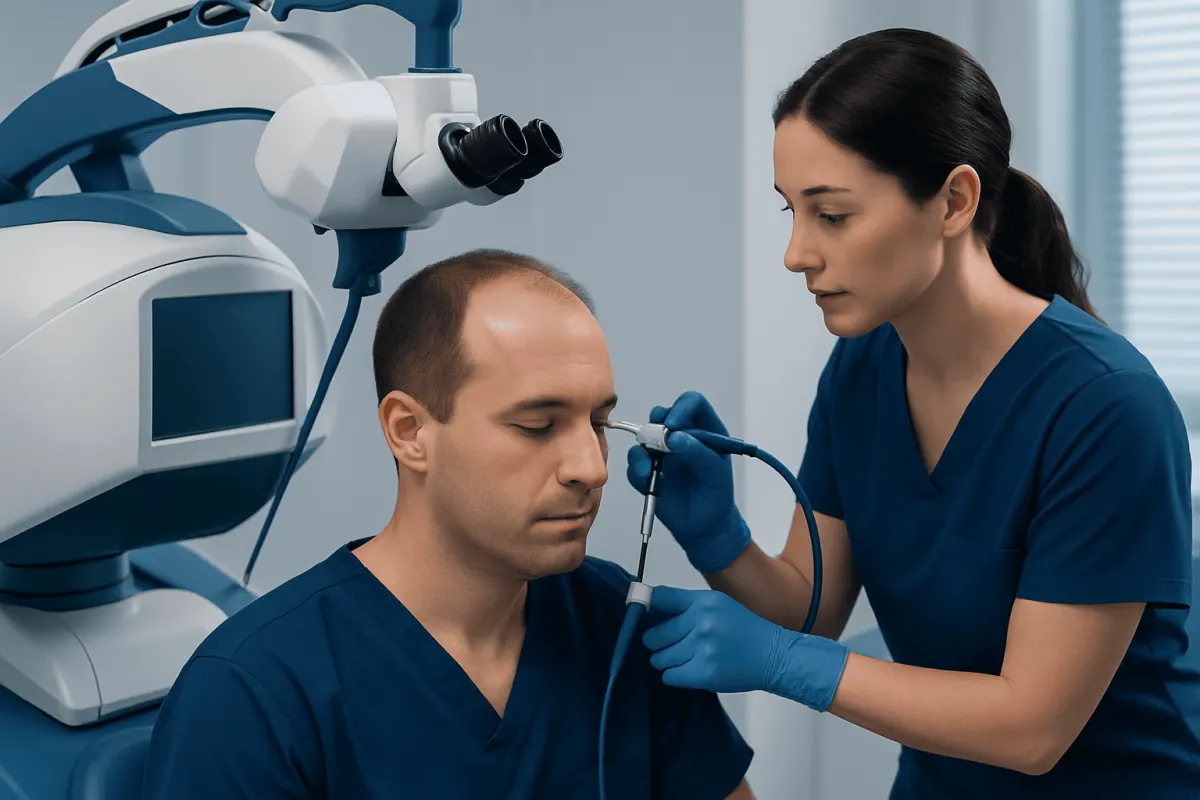
How much is a hair transplant in USA? There is no single standard price because the overall cost depends on the method used, the extent of hair loss, the number of grafts required, the clinical team and what follow-up care is included. A specialist assessment and a clear written treatment plan are the safest ways to understand whether the procedure is appropriate and what it involves.
How much is a hair transplant in USA?
For people asking how much is a hair transplant in USA, the most accurate answer is that there is no universal figure. The total can differ considerably according to the amount of hair restoration needed, the surgical technique, the clinic’s location, the experience of the surgeon and team, and whether consultations, medications, laboratory tests and follow-up visits are included.
Hair transplantation is usually an elective procedure, so it is commonly paid for privately rather than covered by health insurance. A reputable clinic should provide an individualized assessment and a written plan explaining the proposed technique, expected number of grafts, professional fees, aftercare and any separate charges. Decisions should not be based on price alone; safety standards, clinician qualifications and realistic planning are equally important.
A useful consultation should also clarify whether surgery is needed now or whether medical treatment and observation may be more suitable first. Hair loss can have different causes, and transplanting hair does not stop ongoing thinning in areas that were not treated.
What a hair transplant does and how it works
A hair transplant is a surgical procedure that moves hair follicles from a donor area, usually the back and sides of the scalp, to areas affected by thinning or baldness. These donor follicles are generally more resistant to the hormonal effects involved in common pattern hair loss. Once transplanted and healed, they can continue to grow hair in their new location.
The two main approaches are follicular unit extraction (FUE) and follicular unit transplantation (FUT), also called strip surgery. With FUE, individual follicular units are removed from the donor area. With FUT, a narrow strip of donor scalp is removed and separated into follicular units under magnification. Both approaches can be appropriate, and the best choice depends on scalp characteristics, hairstyle preferences, donor supply and treatment goals.
The procedure is most often used for androgenetic alopecia, also known as male- or female-pattern hair loss. It may sometimes be considered for stable scarring hair loss, eyebrows or selected areas of facial hair, but these situations require careful specialist evaluation. Patients can learn more about hair transplant treatment options during a consultation with a qualified hair-restoration team.
Who may be a candidate for hair transplantation?

Suitable candidates generally have a recognizable, sufficiently stable pattern of hair loss and enough healthy donor hair to redistribute. The donor area is limited, so the surgeon must balance present goals with the possibility of future hair loss. A natural-looking result depends on careful hairline design, appropriate graft placement and preserving donor density.
Age alone does not determine candidacy. However, people with early or rapidly progressing hair loss may be advised to delay surgery, use medical treatment first, or plan conservatively. This helps avoid an unnatural appearance if hair loss continues behind a newly created hairline.
Before surgery, the clinician should review medical history, medicines, smoking or nicotine use, scalp conditions and family history of hair loss. Blood tests may be recommended when symptoms or examination suggest a nutritional, hormonal, autoimmune or other medical contributor. A diagnosis such as alopecia areata requires a different approach because transplant surgery is usually not appropriate during active disease.
- Realistic expectations are essential: a transplant improves coverage but cannot recreate unlimited hair density.
- People need to be willing to follow wound-care instructions and attend follow-up appointments.
- Stable scalp health is important before proceeding with surgery.
What happens during the procedure?
Hair transplantation is usually performed as an outpatient procedure under local anesthesia, sometimes with additional medication to help the person relax. The surgical team first confirms the treatment plan, photographs the scalp for comparison and prepares the donor and recipient areas. Hair may be trimmed to allow precise harvesting and placement.
In FUE, the team extracts individual follicular units from the donor zone using specialized instruments. In FUT, the surgeon removes a strip of scalp and closes the donor area, while the follicles are carefully prepared for implantation. The recipient area is then anesthetized, and tiny channels are made at planned angles and directions to support a natural growth pattern.
The harvested follicular units are placed into these channels. The process can take several hours, especially when a larger area is being treated. Afterward, patients usually return home the same day with written aftercare instructions. The clinician may prescribe or recommend suitable pain relief, wound-care products or other supportive treatment based on the individual situation.
Recovery timeline, expected benefits and limitations
Temporary redness, mild swelling, tenderness and small scabs are common in the first days after surgery. The recipient area should be handled gently, and patients are usually asked to avoid scratching, vigorous exercise, swimming, direct sun exposure and activities that could disturb grafts for a period advised by their clinician. Washing instructions vary by technique and should be followed closely.
Transplanted hairs commonly shed within the first several weeks. This expected phase is sometimes called shock shedding and does not necessarily mean the grafts have failed. New growth often begins gradually after several months, while the full cosmetic effect can take longer because hair grows slowly and each person heals differently.
The main benefit is improved hair coverage using the person’s own follicles. Results may look natural when planning and placement are careful, but density is limited by the donor supply and by the degree of existing hair loss. Some people may require more than one session over time, particularly when treating a large area or when hair loss continues.
Medical therapies may be recommended to help preserve non-transplanted hair. A doctor can discuss options, potential benefits and side effects, as well as whether they are appropriate for the person’s health profile and reproductive plans.
Risks and how to make an informed choice
Hair transplantation is generally considered safe when performed by appropriately trained professionals, but it is still surgery. Potential risks include bleeding, infection, prolonged swelling, numbness, discomfort, scarring, poor wound healing, temporary shedding of existing hair and an unsatisfactory cosmetic result. Rarely, transplanted follicles may not grow as expected.
Risk can be reduced by choosing a regulated clinical setting, confirming who will perform key parts of the procedure, sharing complete medical information and following all pre- and post-procedure instructions. Smoking and nicotine products can affect healing, so clinicians may advise stopping them before and after surgery. Patients should also avoid unregulated treatments or clinics that make guarantees about density or outcomes.
A thorough consultation should include examination of the donor area, discussion of likely future hair loss, photographs, a description of scars and recovery, and an opportunity to ask questions. It is reasonable to request information about the surgeon’s training, the facility’s safety processes and who will be available for follow-up care.
When to seek medical care
Medical assessment is important before considering a transplant if hair loss is sudden, patchy, painful, itchy, accompanied by scaling, or associated with scalp redness or sores. These features can point to conditions that need diagnosis and treatment first. People should also seek medical advice if hair shedding follows illness, major stress, childbirth, a new medicine or substantial weight change.
A dermatologist or qualified hair-loss clinician can examine the scalp and determine whether pattern hair loss, a scalp disorder, nutritional deficiency, hormonal condition or another cause is involved. Early evaluation may help protect existing hair and guide treatment choices. Prompt care is especially important if there are signs of scarring, as some forms of inflammatory hair loss can permanently damage follicles.
For international patients exploring surgical care, Acıbadem Health Point’s multidisciplinary specialists and JCI-accredited hospitals can assess hair loss and provide hair-transplant treatment planning. A personalized evaluation remains essential to determine whether surgery is suitable and to set realistic expectations.
Frequently asked questions
01Is there one average answer to how much is a hair transplant in USA?
No. The final amount varies by the extent of hair loss, the number of grafts planned, the technique, the clinical setting, clinician expertise and the services included in the treatment package. A personal examination and written treatment plan provide the most meaningful estimate.
02Is FUE better than FUT?
Neither technique is universally better. FUE removes individual follicular units and usually leaves many small dot-like scars, while FUT removes a narrow strip and leaves a linear scar. The best method depends on donor-hair characteristics, scalp flexibility, the size of the treatment area and hairstyle preferences.
03How long does it take to see results after a hair transplant?
The transplanted hair often sheds during the first weeks, which is a normal part of the recovery process. New growth generally begins gradually after several months, and the appearance continues to mature over time. The exact timeline differs between individuals.
04Can a hair transplant stop future hair loss?
A transplant redistributes existing donor follicles but does not stop hair loss in untreated areas. Because pattern hair loss can continue, doctors may recommend medical treatment or a conservative surgical plan to preserve a natural-looking result over time.
05Can women have a hair transplant?
Some women can be candidates, particularly when they have stable, localized thinning and adequate donor density. Diffuse hair loss is more complex, so evaluation is important to identify potential causes such as iron deficiency, thyroid conditions, medication effects or other scalp disorders.
06When should a person avoid or postpone a hair transplant?
Surgery may need to be postponed when hair loss is rapidly changing, the scalp has active inflammation or infection, or the cause of shedding has not been identified. A clinician may also advise delaying surgery when donor hair is limited or expectations are not yet aligned with what the procedure can safely achieve.
This article is for general information only and is not a substitute for professional medical advice. Please consult a qualified doctor about your individual situation.
Hair transplant in Turkey — costs, graft counts & a free assessment
JCI-accredited · board-certified surgeons · reply within 24h
Add us as a Preferred Source to see more of our trusted health content across Google Search, AI Overviews and Discover.