How Much Does Sleeve Gastrectomy Cost?
The cost of sleeve gastrectomy varies widely because it depends on the country, hospital, surgeon and anaesthesia fees, pre-operative testing, length of stay, follow-up care and whether complications or related treatments are included. Rather than relying on a single advertised figure, patients should request an individual, itemised estimate and clarify exactly what their care package covers.
Overview: what determines sleeve gastrectomy cost?
For people asking, “how much does sleeve gastrectomy cost?”, there is no single reliable price that applies to every person or location. Sleeve gastrectomy may also be called gastric sleeve surgery, laparoscopic sleeve gastrectomy or vertical sleeve gastrectomy. The overall cost depends on the healthcare system, country, hospital, clinical complexity and the services included before and after the operation.
An estimate may include surgeon and anaesthesia fees, operating theatre costs, hospital accommodation, laboratory tests, imaging, prescribed medicines, dietary consultations and follow-up appointments. It is important to ask whether the quote includes treatment for unexpected needs, revision care, travel-related expenses or support after returning home. Insurance coverage also differs substantially by policy and local eligibility rules.
People comparing how much gastric sleeve surgery costs in South Africa, Turkey, Australia or New Zealand should avoid comparing advertised prices alone. Standards of assessment, hospital stay, follow-up access, travel costs and what is included in the package can differ. A written, itemised quote from a qualified bariatric service is the safest basis for planning.
How sleeve gastrectomy works
Sleeve gastrectomy is a bariatric, or metabolic and weight-loss, operation. During the procedure, a surgeon removes a large portion of the stomach, leaving a narrow tube-shaped stomach, often described as a sleeve. The intestinal pathway is not rerouted, unlike some other bariatric procedures.
The smaller stomach limits the amount of food that can be eaten at one time. Removing part of the stomach may also affect appetite-related hormones, helping some people feel full sooner and experience less hunger. The procedure is permanent because the removed stomach tissue cannot be replaced.
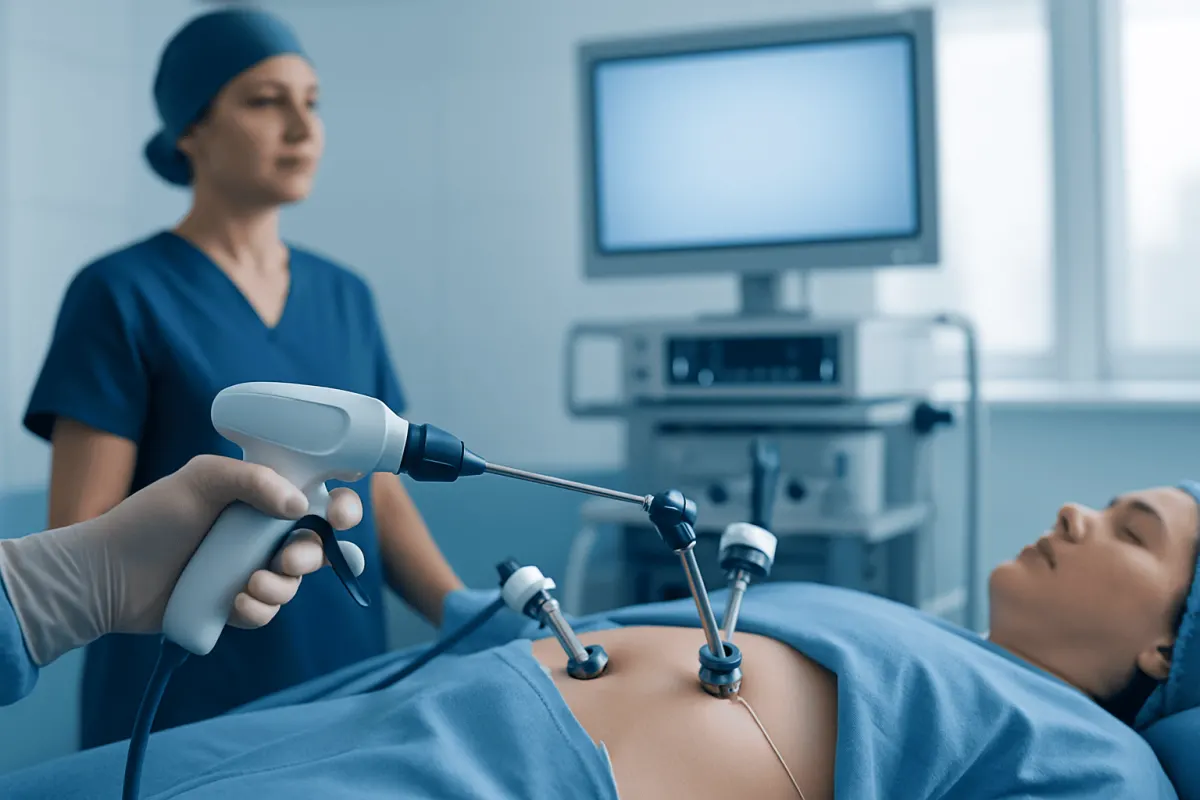
It is usually performed using minimally invasive, laparoscopic techniques through several small abdominal incisions. A team may discuss sleeve gastrectomy treatment alongside non-surgical weight-management approaches and other procedures, based on the individual’s health needs and goals.
Although it can support substantial weight loss and improvements in some weight-related conditions, surgery is not a stand-alone cure. Lasting results depend on regular follow-up, nutrition, movement, behavioural support and lifelong health monitoring.
Candidacy and pre-operative assessment
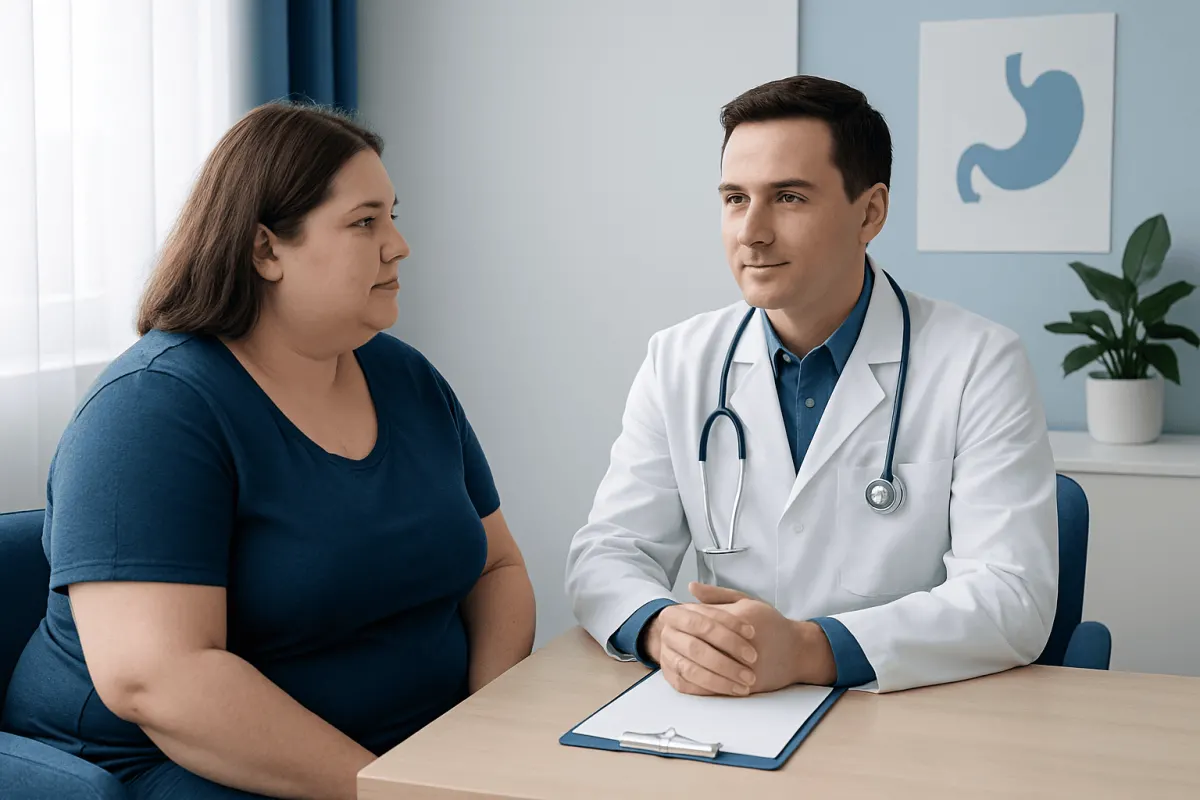
Bariatric surgery is generally considered for adults with obesity when structured nutrition, activity and medical weight-management efforts have not produced adequate or sustained benefit. Candidacy commonly takes body mass index (BMI), obesity-related conditions, previous treatments, medical risks and the person’s ability to participate in long-term follow-up into account.
A thorough assessment helps determine whether sleeve gastrectomy is appropriate and safe. It may include medical history, physical examination, blood tests, nutritional screening, review of medicines, assessment for sleep apnoea and evaluation of heart or lung health when indicated. Mental health and eating-pattern assessments can also help identify support needs before and after surgery.
Some people may need to stop smoking, address nutritional deficiencies, improve blood sugar control or adjust medicines before surgery. Pregnancy should be discussed carefully with the bariatric and obstetric teams, as weight-loss surgery is not performed during pregnancy and pregnancy timing after surgery requires individual advice.
The consultation is also an opportunity to discuss alternatives. These may include structured lifestyle treatment, psychological support, anti-obesity medicines or a different bariatric procedure. A clinician should explain which option best matches the person’s health profile, preferences and expected follow-up needs.
What happens during gastric sleeve surgery?
Before surgery, the patient is given general anaesthesia, meaning they are asleep and monitored throughout the procedure. The surgical team makes small incisions in the abdomen and inserts a camera and specialised instruments. The stomach is carefully divided along a sizing guide, and the larger curved portion is removed.
The remaining stomach is closed with surgical staples, creating the sleeve shape. The team checks the staple line and monitors for bleeding or leakage before finishing the operation. In some circumstances, an operation may need to be modified or converted to an open procedure for safety, although this is uncommon.
After surgery, the patient is observed in a recovery area and then admitted to hospital. The exact hospital stay varies according to recovery, medical history and local clinical protocols. Early care focuses on pain control, walking, breathing exercises, hydration and monitoring for complications.
Before discharge, patients receive guidance on fluids, diet progression, medicines, wound care, activity and warning signs. They should know whom to contact if concerns arise after leaving hospital, especially if they are travelling home after treatment.
Recovery timeline, nutrition and expected results
Recovery after sleeve gastrectomy happens in stages. In the first days, the priority is drinking small amounts of approved fluids, walking regularly and using prescribed pain relief as directed. The diet then progresses gradually from liquids to puréed foods, soft foods and eventually carefully portioned solid foods, following the bariatric team’s plan.
Many people return to light daily activities within a relatively short period, but the timeline for work, exercise and travel depends on the type of work, individual recovery and medical advice. Heavy lifting and strenuous activity are typically delayed until the surgeon confirms healing is progressing appropriately.
Long-term nutrition is essential. Patients need protein-focused meals, adequate fluids, mindful portion sizes and recommended vitamin and mineral supplements. Regular blood tests may be needed to identify nutritional deficiencies. Follow-up appointments also help manage reflux, eating tolerance, weight changes and emotional adjustment.
Weight loss differs considerably between individuals. It is influenced by starting weight, metabolic health, dietary patterns, physical activity, medicines and follow-up support. Progress should not be judged by a short-term number alone; improvements in mobility, blood pressure, sleep and quality of life can also be meaningful outcomes.
How much weight will I lose 3 months after gastric sleeve?
There is no exact amount that every person will lose three months after gastric sleeve surgery. Weight often decreases quickly in the first months because food intake is much smaller and appetite may change, but the pace varies widely. Starting body weight, medical conditions, fluid balance, food tolerance, activity and adherence to the post-operative plan all influence results.
Bariatric teams often review progress using more than body weight alone. They assess hydration, protein intake, vitamin use, wound healing, symptoms, blood sugar or blood pressure where relevant, and the patient’s ability to advance through the recommended diet safely. Rapid loss does not necessarily mean better health if nutrition or hydration is inadequate.
A slower-than-expected change at three months does not automatically mean surgery has failed. Patients should raise concerns with their surgeon or dietitian, who can check for practical barriers, medication effects, eating difficulties or medical issues. Comparisons with social media results or another person’s experience can be misleading.
Benefits, risks and the safety question
Sleeve gastrectomy can help selected patients achieve clinically meaningful weight loss and may improve obesity-related conditions such as type 2 diabetes, high blood pressure, obstructive sleep apnoea and joint strain. The degree of improvement varies, and some people still need medicines or other treatment for these conditions after surgery.
Like all major operations, gastric sleeve surgery carries risks. Potential early complications include bleeding, infection, blood clots, reactions to anaesthesia and a leak from the staple line. Longer-term concerns can include acid reflux or worsening reflux, narrowing of the sleeve, gallstones, nutritional deficiencies, inadequate weight loss or weight regain. A surgical team discusses personal risk during consent.
Careful patient selection, experienced surgical and anaesthesia teams, prevention of blood clots, early mobilisation and structured follow-up all contribute to safety. Patients should promptly report concerning symptoms rather than attempting to manage them alone.
Acıbadem Health Point’s multidisciplinary specialists and JCI-accredited hospitals diagnose and treat obesity-related health needs for international patients, with care plans designed around appropriate assessment and follow-up.
Which is safer, Ozempic or gastric sleeve?
Ozempic is a brand of semaglutide that is approved for type 2 diabetes in many settings; semaglutide may also be prescribed for weight management under specific products and indications. Comparing it directly with gastric sleeve surgery is not straightforward because medication and surgery are different treatments, used for different clinical situations and with different risk profiles.
Medicines in this class can cause side effects such as nausea, vomiting, diarrhoea or constipation, and may not be suitable for everyone. Gastric sleeve is an irreversible operation with surgical and long-term nutritional risks, but it can produce greater and more durable average weight loss for appropriately selected patients than medication alone. Neither choice is universally safer or better.
A clinician can help compare expected benefits, side effects, contraindications, cost and access to long-term support. For some people, medication is a suitable first approach; for others, surgery may be the more appropriate option. In some cases, both approaches may be used at different stages of care under medical supervision.
Is gastric sleeve really worth it? How painful is surgery?
Whether gastric sleeve is worth it is a personal decision made after weighing possible health benefits against the permanent changes, risks, costs and lifelong follow-up involved. It may be worthwhile for someone with obesity-related health concerns who has not achieved sufficient benefit from non-surgical treatment and is ready to follow the required nutrition and monitoring plan. It may not be the preferred option for everyone.
Pain after gastric sleeve surgery is expected but is usually managed with a planned approach that may include prescribed pain medicine, gentle movement and techniques to reduce discomfort from the laparoscopic incisions and abdominal gas used during surgery. People experience pain differently, and discomfort generally improves as healing progresses. Severe, worsening or unusual pain should be assessed promptly.
Before deciding, patients should ask about the full care pathway: surgical expertise, emergency arrangements, length of follow-up, dietitian access, mental health support, expected lifestyle changes and all financial inclusions. A well-informed decision is more useful than choosing a procedure based on cost alone.
When to seek medical care
After gastric sleeve surgery, patients should contact their surgical team urgently for persistent vomiting, inability to keep fluids down, worsening abdominal or chest pain, fever, shortness of breath, a fast heartbeat, fainting, black stools, significant wound redness or drainage, or signs of dehydration. These symptoms can have many causes, but they need timely medical assessment after an operation.
Emergency care is appropriate for severe chest pain, severe breathing difficulty, confusion, loss of consciousness, coughing up blood or other symptoms that feel immediately life-threatening. Patients should follow local emergency guidance rather than travelling long distances to reach their original surgical centre.
People considering surgery should also seek medical advice if weight is affecting mobility, sleep, blood sugar, blood pressure, fertility or emotional wellbeing. A qualified healthcare professional can discuss safe, evidence-based options and arrange referral to a specialist bariatric service when appropriate.
Frequently asked questions
01How much does laparoscopic sleeve gastrectomy cost?
The cost of laparoscopic sleeve gastrectomy varies by country, hospital, surgeon, anaesthesia requirements, length of admission and aftercare included. Patients should request a written estimate that separates procedure fees from tests, medicines, dietary support, follow-up and possible travel costs.
02How much does vertical sleeve gastrectomy cost?
Vertical sleeve gastrectomy is another name for sleeve gastrectomy, so the same cost factors apply. A lower advertised price may not include all necessary services, such as pre-operative assessment, post-operative monitoring or care if complications occur.
03How much does gastric sleeve surgery cost in Turkey?
Gastric sleeve surgery costs in Turkey vary between hospitals and care packages. International patients should confirm what is included, such as airport transfers, accommodation, interpretation, follow-up arrangements, laboratory testing and support after returning home.
04How much does gastric sleeve surgery cost in Australia or New Zealand?
In Australia and New Zealand, costs depend on public or private access, insurance status, surgeon and hospital fees, and the type of follow-up programme. A local bariatric service or insurer can explain eligibility and out-of-pocket responsibilities.
05How much does gastric sleeve surgery cost in South Africa?
Costs in South Africa depend on the hospital, specialist fees, insurance arrangements and the level of pre- and post-operative support. An itemised quote is important because coverage for complications, medicines and nutrition consultations may vary.
06Can weight come back after sleeve gastrectomy?
Yes, weight regain can occur after sleeve gastrectomy. It may relate to changes in eating patterns, reduced activity, emotional factors, medicines, medical conditions or changes in the stomach over time. Regular follow-up can help identify supportive treatments early.
This article is for general information only and is not a substitute for professional medical advice. Please consult a qualified doctor about your individual situation.
Medical weight-loss options in Turkey — costs & eligibility
JCI-accredited · board-certified surgeons · reply within 24h
Add us as a Preferred Source to see more of our trusted health content across Google Search, AI Overviews and Discover.