Gallstones: When Observation Is Safe and When Surgery Is the Better Plan

Key Takeaways
- Many gallstones are found by chance and can be safely observed if they do not cause symptoms.
- Pain after meals, nausea, fever, jaundice, or repeated attacks may mean surgery is the better long-term plan.
- Ultrasound is the usual first test, while blood tests help look for inflammation or bile duct blockage.
- Gallbladder removal is the standard treatment when gallstones become symptomatic or complicated.
- Healthy eating and weight management may lower the chance of future gallstone problems, but they do not remove existing stones.
Gallstones are common, and not every person with them needs immediate treatment. The key decision is whether the stones are silent or causing symptoms, inflammation, or blockage.
Overview
Gallstones form when substances in bile harden into pebble-like deposits inside the gallbladder. For some people, they remain quiet for years and are discovered only during an ultrasound done for another reason. For others, they begin to interfere with digestion or block the flow of bile, turning a hidden finding into a recurring problem.
The important question is not simply whether gallstones are present, but what they are doing. In many people, especially those with no symptoms, careful observation is reasonable. In others, surgery offers the clearest way to prevent repeated pain episodes and more serious complications.
For patients making decisions from another country, this can feel less like a single treatment choice and more like a timing question: Is it safe to wait, or is it wiser to treat now rather than plan around another attack later? A good treatment plan answers that question by looking at symptoms, test results, overall health, and how predictable follow-up care will be after travel.
Symptoms
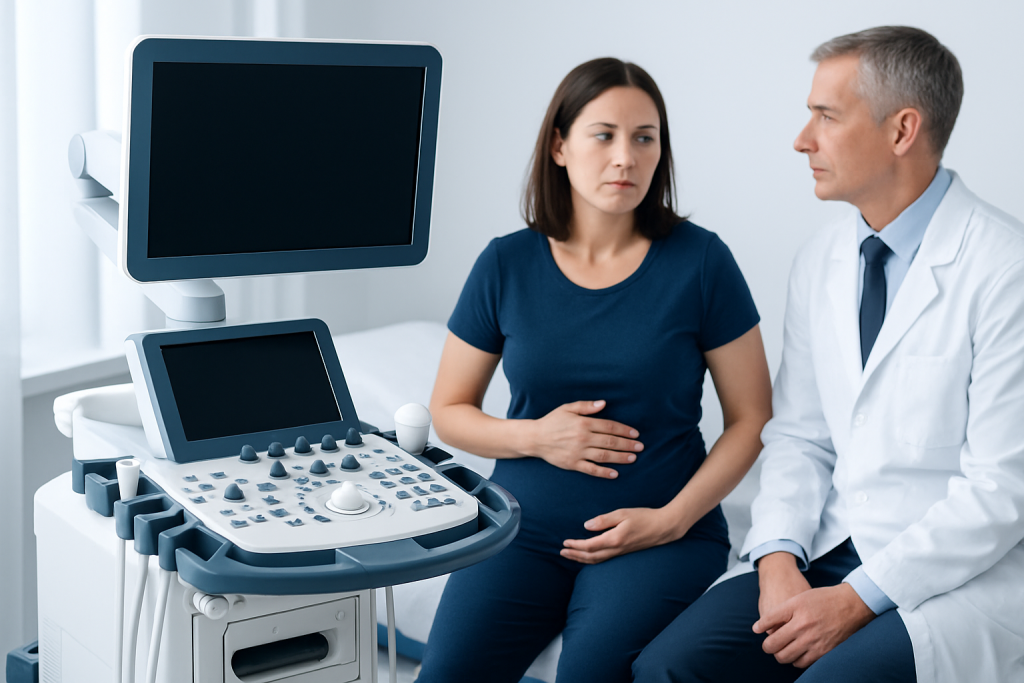
Gallstones may cause no symptoms at all. When they do become active, the pattern is often characteristic: a sudden, steady pain in the upper right abdomen or center of the upper belly that may spread to the back or right shoulder. The discomfort often begins after a meal, especially a heavier or fattier one, and can last from minutes to hours.
Other symptoms may travel with the pain. Nausea, vomiting, bloating, and a feeling of fullness are common. If a stone blocks a duct or leads to inflammation, symptoms can become more intense and may include fever, chills, yellowing of the skin or eyes, dark urine, or pale stools.
- Abdominal Pain: Causes and Treatment" class="ahp-ilk">Upper abdominal pain, especially after eating
- Nausea or vomiting
- Bloating or indigestion-like discomfort
- Fever or chills
- Jaundice, dark urine, or pale stools
Some symptoms overlap with other digestive conditions, which is why persistent or repeated attacks deserve medical evaluation rather than guesswork. A clear diagnosis helps separate uncomplicated gallstones from situations that need faster treatment.
Causes & Risk Factors
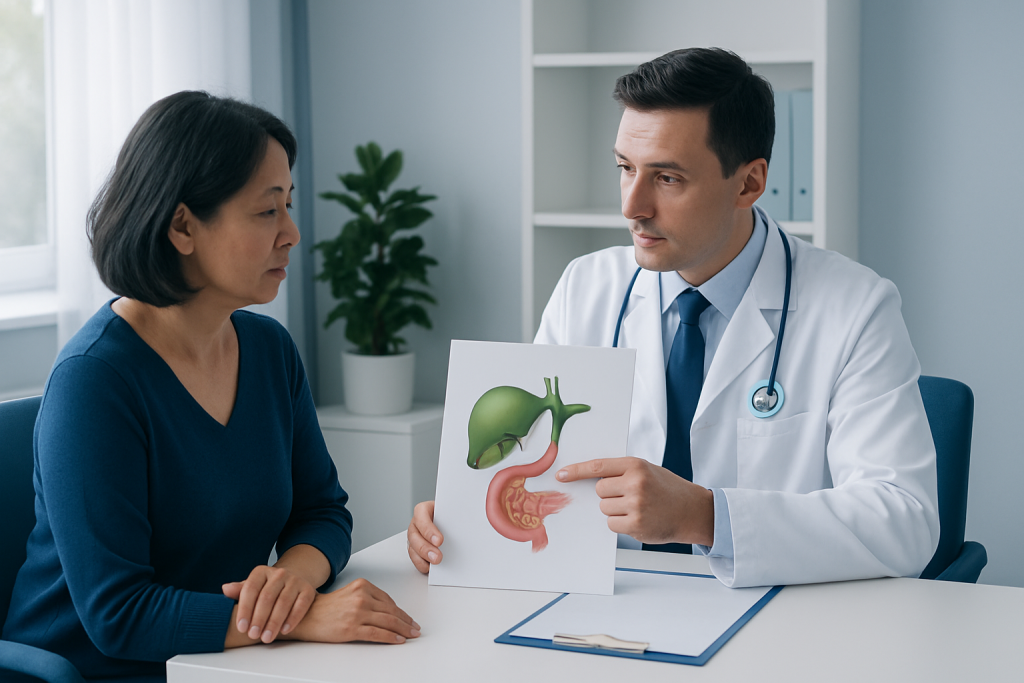
Gallstones usually develop when the balance of substances in bile changes. Cholesterol stones are common and may form when bile contains too much cholesterol or the gallbladder does not empty efficiently. Pigment stones are less common and are linked to conditions that affect bilirubin levels or bile composition.
Several factors can make gallstones more likely, although many people with these risks never develop symptoms. These include female sex, increasing age, family history, pregnancy, rapid weight loss, obesity, certain cholesterol-lowering patterns, and some blood disorders or intestinal conditions. Long periods without eating can also affect gallbladder emptying in some people.
For international patients, it is helpful to think in practical terms: risk factors explain why stones formed, but they do not by themselves determine treatment. A person may have several risks and still only need observation if the gallstones are silent. Another person with a single small stone may still need surgery if it causes repeated biliary colic or inflammation.
Diagnosis
Ultrasound is usually the first and most useful test for gallstones. It can show stones in the gallbladder, signs of gallbladder inflammation, and sometimes whether the bile ducts look widened. Because it is noninvasive and does not involve radiation, it is a natural starting point for most patients.
Blood tests are often added when symptoms suggest inflammation, infection, or blockage. These may check liver enzymes, bilirubin, white blood cell count, and markers of pancreatic irritation if pancreatitis is suspected. If a stone may be in the common bile duct, doctors may recommend additional imaging such as MRCP or an endoscopic procedure like ERCP.
The full evaluation is not only about confirming that stones exist. It is about answering where the stone is, whether the gallbladder is inflamed, and whether bile is flowing normally. That distinction is what separates a watch-and-wait plan from one that points toward surgery or another urgent intervention.
Treatment Options
When gallstones do not cause symptoms, observation is often appropriate. Many people can live normally with silent gallstones, and treatment may not be needed unless the situation changes. In that setting, doctors usually focus on education: what symptoms to watch for, how to seek help if an attack occurs, and when repeat evaluation makes sense.
Once gallstones become symptomatic, gallbladder removal, known as cholecystectomy, is the most common and durable treatment. This is often done laparoscopically through small incisions, which usually supports a smoother recovery than open surgery. Removing the gallbladder does not stop the liver from making bile; it simply changes the path bile takes into the intestine.
Other treatments are used more selectively. In some cases, ERCP is needed to remove a stone from the bile duct before or instead of surgery. Medicines that dissolve certain stones exist, but they are used in limited situations and are not a quick fix for most patients. The decision between observation and surgery often depends on whether the stones are silent, repeatedly painful, or causing complications.
A simple way to think about the choice is this: if gallstones are a quiet finding, monitoring may be enough; if they are creating episodes that interrupt eating, travel, work, or sleep, surgery often becomes the more reliable plan.
Prevention & Self-care
No lifestyle step can guarantee that gallstones will never cause trouble, but several habits may lower the chance of new problems or help reduce digestive strain. A balanced diet, regular physical activity, and maintaining a stable, healthy weight are sensible goals. Very rapid weight loss can actually worsen gallstone formation, so gradual change is usually preferable to extreme dieting.
People who already know they have gallstones can pay attention to triggers. Some notice more discomfort after large, greasy meals, while smaller and more balanced meals feel easier to tolerate. Drinking enough fluids and avoiding long stretches without food may also help some patients feel more comfortable.
- Choose gradual, sustainable weight changes
- Favor smaller, balanced meals over heavy meals
- Stay active in a way that fits overall health
- Keep follow-up appointments if stones are being observed
- Seek advice before starting extreme diets or fasting plans
Self-care is especially important for patients returning home after evaluation or treatment abroad. Clear discharge instructions, a written follow-up plan, and a local doctor who understands the diagnosis can make recovery feel much more manageable after travel.
When to See a Doctor
Medical review is important if gallstone pain is new, recurring, or interfering with normal activities. Even if symptoms ease on their own, repeated episodes often mean the gallstones are no longer just an incidental finding. A clinician can help decide whether observation remains safe or whether surgery should be scheduled electively.
Urgent care is needed if pain is severe or prolonged, or if it comes with fever, vomiting that prevents fluids, yellowing of the skin or eyes, or dark urine and pale stools. These features may signal inflammation, blockage, or infection and should not be watched at home.
For people considering treatment abroad, timing matters as much as technique. It is wise to confirm how follow-up will work after the trip, what warning signs should prompt local care, and whether a surgeon or gastroenterologist at home will be available to continue management. Acibadem Health Point can support international patients with multidisciplinary specialists and JCI-accredited hospitals that diagnose and treat gallstones in a coordinated setting.
Living With the Decision
Choosing between observation and surgery is often less about a dramatic emergency and more about weighing future risk against present symptoms. A silent gallstone may simply be a finding to monitor, while a gallstone that repeatedly interrupts daily life often becomes a problem best solved definitively. That is why many treatment plans are individualized rather than automatic.
Patients usually benefit from asking a few practical questions: How likely are symptoms to recur? Is there evidence of duct blockage or inflammation? What would happen if another attack occurs during travel or after returning home? These questions help turn a vague diagnosis into a realistic plan.
With the right evaluation, gallstones can be managed in a calm, stepwise way. Some people will safely observe them for years, while others will feel better after surgery because the source of repeated attacks has been removed. In both cases, the goal is the same: a safer, more predictable digestive future.
Frequently asked questions
01Can gallstones be left alone if they do not cause symptoms?
Yes, many silent gallstones can be safely observed. Doctors usually recommend monitoring rather than immediate treatment when there are no symptoms and no signs of complication.
02What makes surgery the better option?
Surgery is often favored when gallstones cause repeated pain, inflammation, infection, pancreatitis, or bile duct blockage. It may also be recommended if attacks are disrupting daily life or travel plans.
03Does gallbladder removal affect digestion?
Most people digest food normally after gallbladder removal, although some notice temporary changes in bowel habits. The liver still makes bile, but it flows directly into the intestine instead of being stored in the gallbladder.
04Can medicine dissolve gallstones?
In limited situations, certain medicines may help dissolve some cholesterol stones. They are not suitable for everyone and usually work slowly, so surgery remains the standard treatment for symptomatic disease.
05What should a person do during a gallstone attack?
If pain is mild and passes, the person should still arrange medical evaluation, especially if attacks recur. If the pain is severe, lasts for hours, or comes with fever or jaundice, urgent medical care is needed.
06Are gallstones more common after weight loss?
Rapid weight loss can increase the chance of gallstones forming or becoming symptomatic. Gradual, steady weight management is generally safer than very restrictive dieting or fasting.
This article is for general information only and is not a substitute for professional medical advice. Please consult a qualified doctor about your individual situation.
Persistent digestive symptoms? Get evaluated in Turkey
JCI-accredited · board-certified surgeons · reply within 24h
Add us as a Preferred Source to see more of our trusted health content across Google Search, AI Overviews and Discover.