How Much Does Rhinoplasty Cost? Key Cost Factors
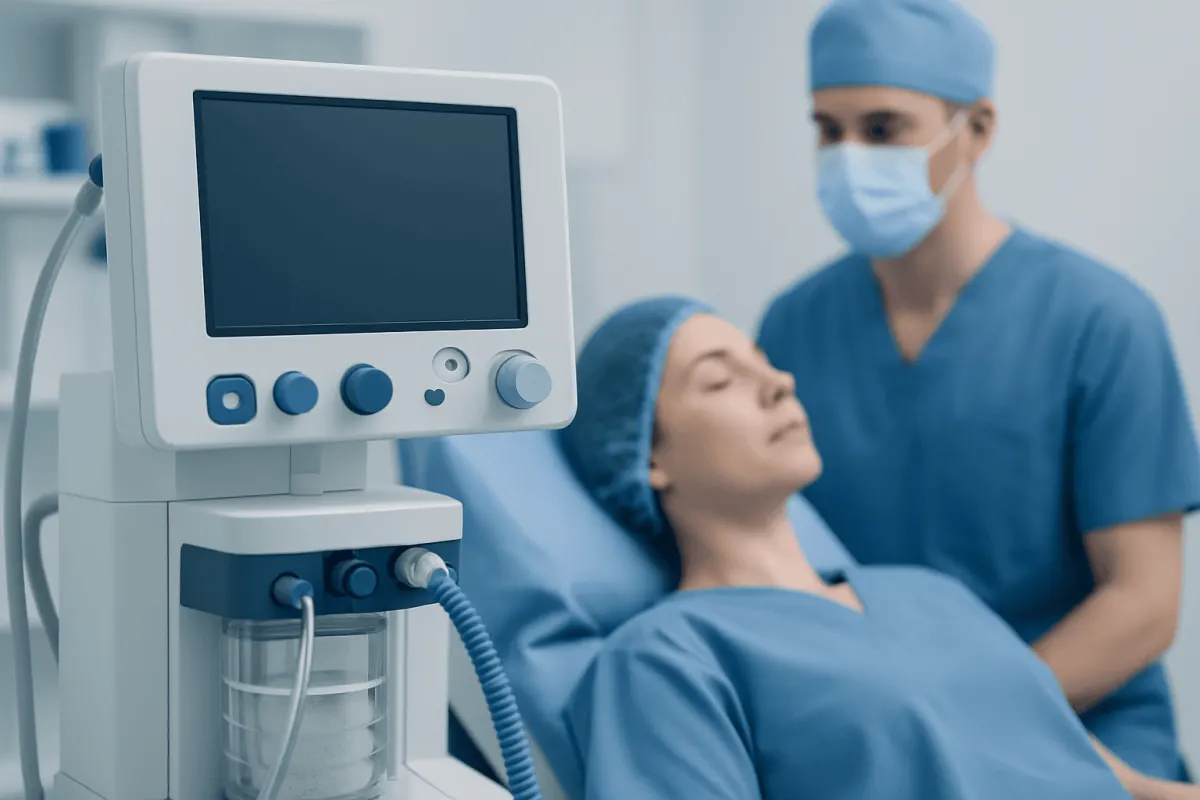
How much does rhinoplasty cost cannot be answered with one reliable figure because the total is shaped by the surgical plan, healthcare setting, surgeon’s expertise, anesthesia, facility services, and follow-up needs. A personal consultation provides the clearest estimate and also helps determine whether the procedure is cosmetic, functional, or both.
How Much Does Rhinoplasty Cost?
How much does rhinoplasty cost depends on the individual procedure and cannot be responsibly reduced to one universal amount. The final estimate commonly reflects the type and complexity of nose reshaping, the surgeon’s qualifications, the country and city, anesthesia, operating-room services, preoperative assessment, and the follow-up plan.
Rhinoplasty may be performed to change nasal appearance, improve breathing, repair injury-related changes, correct a congenital difference, or address concerns after an earlier operation. A consultation is the appropriate setting to discuss goals, assess the nose inside and out, and receive a written, itemized treatment plan.
It is helpful to ask whether an estimate includes all anticipated parts of care, such as consultation fees, laboratory tests if needed, surgeon and anesthesia fees, facility charges, implants or graft materials when relevant, medicines, dressings, and postoperative appointments. If travel is involved, accommodation, transport, travel insurance, and the need to remain nearby for early reviews should be planned separately.
What Influences the Total Cost?
The extent of surgery is one of the most important factors. A straightforward primary rhinoplasty may involve a different level of planning and operating time than a procedure that also corrects a deviated septum, narrows enlarged turbinates, repairs prior trauma, or reconstructs the nose after previous surgery.
Revision rhinoplasty, performed after a prior nose operation, is often more complex. Scar tissue, altered support structures, and the possible need for cartilage grafting can make planning and surgery more demanding. A surgeon may need cartilage from the septum, ear, or rib in selected reconstructive cases.
Other factors include the credentials and experience of the surgical team, the accreditation and resources of the hospital or surgical facility, the type of anesthesia, and the level of postoperative monitoring required. A clear quotation should explain what is included, what may change if unexpected clinical needs arise, and how additional care would be handled.
- Whether the surgery is primary, revision, cosmetic, functional, or combined
- The need for septal, turbinate, or nasal valve surgery
- Cartilage grafting or reconstruction needs
- Operating time, anesthesia, and facility services
- Preoperative testing, postoperative visits, and recovery support
How Rhinoplasty Works and Who May Be a Candidate

Rhinoplasty is surgery that changes the shape, size, proportions, or internal structure of the nose. Depending on the plan, it may refine the bridge or tip, straighten the nose, alter nostril shape, improve symmetry, or support airflow. It is not a one-size-fits-all procedure: the skin thickness, cartilage strength, facial proportions, breathing function, and prior injury or surgery all influence the approach.
A surgeon may use an open approach, with a small incision across the skin between the nostrils, or a closed approach, with incisions placed inside the nostrils. Both can be appropriate. The choice depends on the changes needed and the surgeon’s clinical judgment, rather than one approach being universally better.
Suitable candidates are generally in good overall health, have realistic goals, and are prepared to follow recovery instructions. Facial growth should be largely complete before elective cosmetic surgery. People who smoke or use nicotine products may be advised to stop well before and after surgery because nicotine can impair wound healing.
When breathing difficulties are present, assessment may identify a deviated septum or other structural concern. In these situations, a functional assessment is as important as the cosmetic discussion. The dedicated rhinoplasty treatment page can help patients understand the procedure and consultation process in more detail.
What Happens Before, During, and After Surgery
Before surgery, the clinician reviews medical history, medications, allergies, smoking and nicotine use, previous nasal injury or surgery, and breathing symptoms. The examination includes the external nose and internal nasal passages. Clinical photographs and, in some practices, imaging or digital planning may support discussion; these tools illustrate possibilities but do not guarantee an exact result.
On the day of surgery, rhinoplasty is usually performed under anesthesia. The surgeon makes planned incisions, carefully adjusts bone, cartilage, and soft tissue, and may straighten the septum or reinforce weak areas that affect breathing. Cartilage grafts can be used where additional structure or contour is needed. At the end, the incisions are closed and a splint or protective dressing may be placed.
Most patients return home the same day when it is clinically appropriate, although individual circumstances vary. A responsible adult is generally needed to help during the first day after anesthesia. The care team provides instructions about pain relief, cleaning, sleeping position, activity, and scheduled follow-up.
Patients considering nasal breathing surgery may also discuss septoplasty if the septum contributes to obstruction. Whether procedures should be combined is decided after examination and depends on the anatomy, symptoms, and goals.
Recovery Timeline, Benefits, and Expected Results
During the first several days, swelling, stuffiness, mild discomfort, and bruising around the eyes can occur. A nasal splint is often removed after approximately one week, depending on the technique used. Internal swelling can temporarily make breathing feel more difficult, even when the procedure is intended to improve airflow.
Many people feel ready to resume non-strenuous daily activities and work after around one to two weeks, although visible bruising and swelling vary. Strenuous exercise, contact sports, heavy lifting, and any activity that risks bumping the nose should be avoided until the surgeon says it is safe. Glasses may need special support or alternative positioning during early healing.
Early changes in shape are visible when the splint is removed, but they are not the final result. Swelling continues to settle gradually, particularly at the nasal tip. It may take many months, and sometimes a year or longer, for the final contour to become apparent.
Potential benefits include improved facial harmony, correction of an injury-related irregularity, and better nasal airflow for selected patients. The outcome is influenced by anatomy, skin characteristics, healing, and adherence to aftercare. A good consultation focuses on proportion and function, not perfection or a copied appearance.
Risks, Safety, and When to Seek Medical Care
Rhinoplasty is commonly performed, but it is still surgery and carries risks. These can include bleeding, infection, anesthesia-related complications, persistent swelling, scarring, changes in sensation, unevenness, breathing problems, dissatisfaction with appearance, or a need for further surgery. Rarely, more serious complications can occur. The surgeon should explain the risks most relevant to the individual procedure and medical history.
Patients should contact their surgical team promptly for increasing rather than improving pain, persistent or heavy bleeding, fever, worsening redness or drainage, a new injury to the nose, or concerns about medication reactions. Urgent medical assessment is important for severe breathing difficulty, chest pain, fainting, confusion, or signs of a serious allergic reaction.
Outside the postoperative setting, medical assessment is appropriate for ongoing nasal blockage, repeated nosebleeds, a new change in nose shape after an injury, recurrent sinus symptoms, or snoring and sleep disruption associated with difficulty breathing through the nose. These symptoms may have causes other than nasal appearance and should not be self-diagnosed.
Acıbadem Health Point’s multidisciplinary specialists and JCI-accredited hospitals assess and treat rhinoplasty-related cosmetic and functional concerns for international patients. A consultation can clarify the likely surgical approach, recovery needs, and the components of an individualized treatment estimate.
Planning a Safe, Informed Decision
Choosing rhinoplasty should involve more than comparing quotes. Patients can ask about the surgeon’s relevant training and experience, the planned approach, likely benefits and limitations, the expected recovery period, revision policy, anesthesia arrangements, emergency contact procedures, and exactly what is included in the written estimate.
It is also important to share medical conditions and all medicines, supplements, and nicotine use. Some products can increase bleeding risk or affect anesthesia, but patients should not stop prescribed medication without advice from the clinician who manages it. Following preoperative instructions can reduce avoidable risks and help the team plan safely.
For people travelling internationally, planning enough time near the treatment center is especially important. Early appointments allow the team to check healing, remove a splint if used, and address questions before travel. A patient should avoid making major commitments around the expected recovery period, as healing is individual.
Patients who feel uncertain may benefit from taking time to consider the information, discussing it with trusted people, and arranging another consultation. The decision is personal, and a qualified clinician can help ensure that expectations, physical health, breathing needs, and surgical options are aligned.
Frequently asked questions
01Why is there no single answer to how much does rhinoplasty cost?
Rhinoplasty is individualized surgery, so the total depends on what needs to be changed and where the procedure is performed. Surgeon expertise, anesthesia, operating-facility services, functional corrections, grafting needs, and aftercare can all affect the estimate. A personal assessment is needed for an accurate plan.
02Does an initial rhinoplasty estimate include all care?
Not always. Patients should request a written breakdown that explains whether the estimate includes consultations, surgery, anesthesia, facility charges, tests, medicines, splints or dressings, and follow-up visits. Travel and accommodation costs are usually separate when treatment is arranged abroad.
03Is functional rhinoplasty different from cosmetic rhinoplasty?
Functional rhinoplasty aims to improve nasal airflow by correcting structural problems, while cosmetic rhinoplasty focuses on appearance. The two goals can sometimes be addressed in the same operation. A surgeon examines the internal nasal passages and discusses symptoms before recommending an approach.
04How long does rhinoplasty recovery take?
The first stage of recovery usually takes one to two weeks, when bruising and more noticeable swelling often improve. Internal swelling and subtle changes in contour continue to settle for months. Final refinement, especially at the tip, may take a year or longer.
05Can rhinoplasty improve breathing?
It can improve breathing when obstruction is caused by certain structural issues, such as septal deviation or weak nasal valves. Cosmetic changes alone do not necessarily improve airflow and, in some cases, can affect it. Functional goals should be assessed carefully before surgery.
06What should patients ask at a rhinoplasty consultation?
Useful questions include what the procedure can realistically achieve, which technique is recommended, how breathing will be protected or improved, and what recovery will involve. Patients should also ask about risks, follow-up, possible revision surgery, and a complete written estimate. Sharing prior surgery, injury, medicines, and health conditions supports safer planning.
This article is for general information only and is not a substitute for professional medical advice. Please consult a qualified doctor about your individual situation.
Explore treatments in Turkey — costs, top hospitals & a free quote
JCI-accredited · board-certified surgeons · reply within 24h
Add us as a Preferred Source to see more of our trusted health content across Google Search, AI Overviews and Discover.