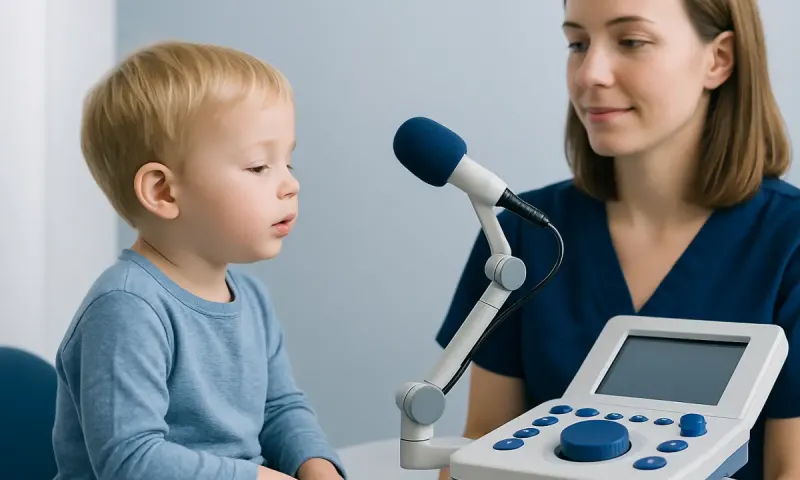
How Much Does Otoplasty Cost?
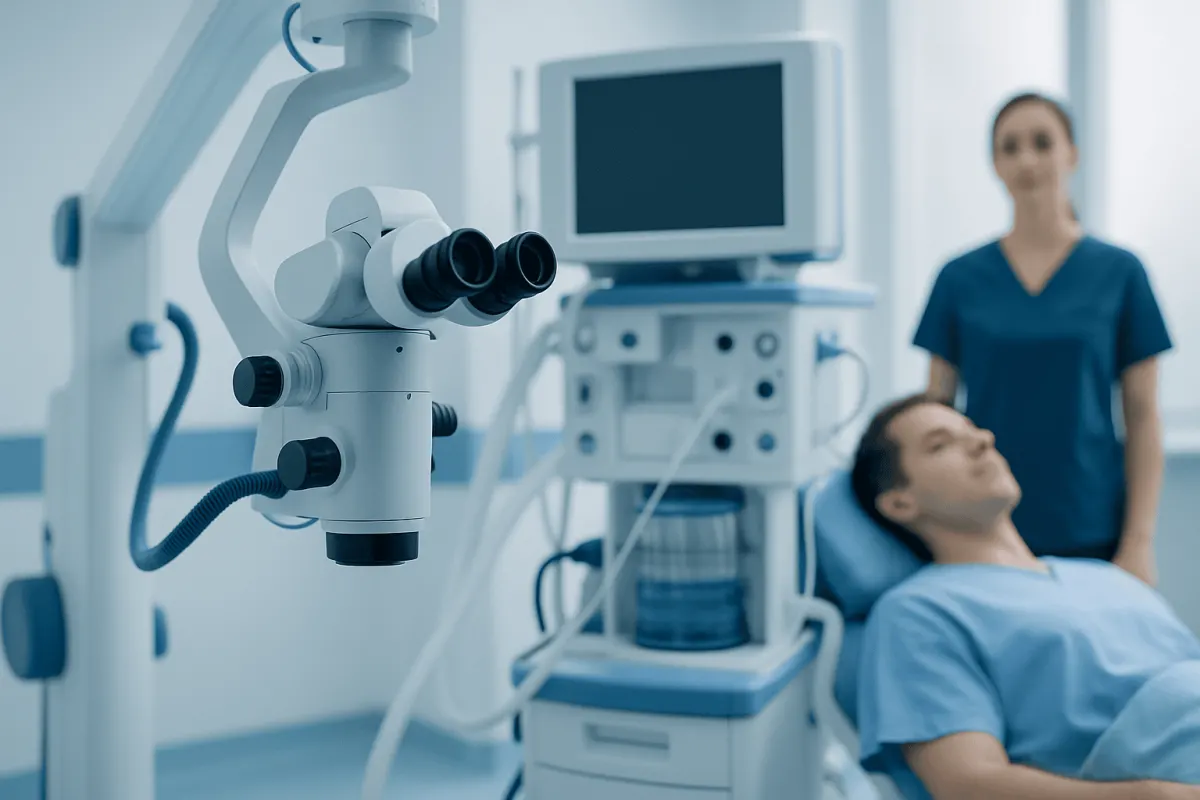
How much is otoplasty depends on the treatment plan rather than one fixed global price. A written quote after consultation should explain the surgeon’s fee, anaesthesia, operating facility, follow-up care, and any possible additional costs.
Overview: How Much Is Otoplasty?
How much is otoplasty? There is no single standard price because the final cost is based on the individual procedure, the country and clinic, the surgeon’s qualifications, anaesthesia, operating-facility charges, and follow-up care. The most reliable way to understand the expected cost is to receive a personalised, itemised estimate after an in-person or virtual surgical assessment.
Otoplasty, often called ear reshaping or ear pinning surgery, alters the visible outer ear. It may bring prominent ears closer to the head, improve asymmetry, reshape cartilage, reduce the size of enlarged earlobes, or help reconstruct an ear affected by injury or a congenital difference. It does not improve hearing because it does not treat the inner ear or hearing pathways.
People comparing how much is otoplasty surgery should look beyond the initial advertised fee. A safe comparison includes who performs the procedure, where it is performed, what is included before and after surgery, and what support is available if an unexpected concern develops. Otoplasty treatment should always be planned around clinical suitability and realistic goals, not price alone.
What Influences the Cost of Otoplasty?
The scope of surgery is one of the main cost factors. How much is otoplasty for both ears may differ from how much is otoplasty for one ear, although treating one ear is not necessarily half the price. Surgical preparation, anaesthesia, facility use, and follow-up appointments may still be required regardless of whether one or two ears are corrected.
Other important variables include the degree of cartilage reshaping needed, whether the procedure is primary surgery or a revision, the type of anaesthesia used, and whether surgery is performed in a hospital or accredited outpatient surgical centre. Reconstructive surgery after trauma, burns, or cancer treatment can involve more complex planning than cosmetic ear pinning.
Location also affects the estimate. Searches for how much is otoplasty in the Philippines, Turkey, the UK, Ireland, or Australia may produce very different figures because local healthcare systems, professional fees, regulatory standards, exchange rates, and what is included in a package all vary. International patients should ask for an itemised plan that clarifies consultations, tests, surgery, anaesthesia, medications, garments, accommodation, transport, and follow-up arrangements.
- Surgeon’s professional fee and clinical experience
- Anaesthesia and anaesthetist fees, when applicable
- Operating room or hospital facility charges
- Pre-operative assessment, laboratory tests, and prescribed medicines
- Dressings, headbands, follow-up visits, and revision policy
How Otoplasty Works and Who May Be a Candidate

The outer ear is supported by flexible cartilage covered by skin. In prominent-ear correction, the surgeon may reshape or fold cartilage, use carefully placed permanent sutures to create or strengthen natural contours, or remove a small amount of cartilage when appropriate. The aim is usually a natural, balanced ear position rather than an identical appearance on both sides.
Otoplasty may be considered by adults and by children once ear growth is sufficiently advanced, often from around age five or six. Suitable candidates are generally in good overall health, do not have an untreated ear or skin infection, and understand that facial and ear symmetry is naturally imperfect. Children should be mature enough to cooperate with recovery instructions and should ideally want the procedure themselves.
During consultation, the surgeon examines both ears, discusses health history and medicines, takes photographs or measurements when needed, and explains what surgery can and cannot achieve. People who have ongoing ear pain, drainage, sudden hearing changes, or a new growth should first be assessed for an underlying medical cause rather than assuming cosmetic surgery is the answer.
What Happens During the Procedure?
Otoplasty is commonly performed as a day procedure. Depending on the patient’s age, the extent of correction, and the care setting, it may be done with local anaesthesia and sedation or with general anaesthesia. The surgical team will provide instructions about eating, drinking, medicines, smoking, and arranging transport home before the operation.
The surgeon typically makes an incision behind the ear or within a natural fold where it is less visible. Cartilage is then reshaped, repositioned, or secured with sutures. The skin is closed and a protective dressing is applied. When both ears are treated, the surgeon works to achieve balance, while recognising that perfectly matching ears are not a realistic or necessary outcome.
Procedure length varies with the technique and whether one or both ears are treated. At the end of surgery, patients receive written aftercare guidance, including how to protect the ears, when dressings will be changed, and which symptoms need prompt medical advice. They should not drive after sedation or general anaesthesia and should have a responsible adult available for early recovery if advised.
Recovery Timeline, Benefits and Risks
In the first days after otoplasty, swelling, bruising, mild discomfort, itching, and a feeling of tightness are common. A bulky dressing may be used initially, followed by a lighter headband or protective support, depending on the surgeon’s technique. Pain relief should be taken only as recommended by the treating team.
Many adults return to light daily activities within about a week, while school or work plans should be personalised. Contact sports, rough play, swimming, and activities that could bend or strike the ears usually need to be avoided until the surgeon confirms it is safe. Swelling improves gradually, and the final contour may take several weeks or months to settle.
Potential benefits include reduced ear prominence, improved proportion, better symmetry, and relief from self-consciousness for some people. Risks include bleeding, infection, wound-healing problems, noticeable scarring, temporary or lasting changes in skin sensation, asymmetry, suture-related concerns, overcorrection or undercorrection, and the possibility of further surgery. Choosing a qualified surgeon and following aftercare instructions can help reduce risk, but cannot remove it completely.
Is an Otoplasty Worth It?
Whether otoplasty is worth it is a personal decision. It may feel worthwhile for someone whose ear shape or prominence has caused persistent dissatisfaction, unwanted attention, difficulty wearing certain protective equipment, or concern after an injury. The decision is strongest when expectations are realistic and based on the person’s own goals rather than pressure from others.
A consultation can help a person weigh likely benefits against cost, recovery time, scars, and surgical risks. Reviewing before-and-after examples of patients with similar concerns may help clarify the surgeon’s approach, but images cannot guarantee an individual result. It is reasonable to seek a second opinion before elective surgery.
For children, the discussion should be especially thoughtful. Parents or caregivers, the child, and the surgical team should consider emotional readiness, the child’s wishes, practical aftercare needs, and whether any developmental or medical factors should be addressed first.
Is Otoplasty Covered by Insurance? Can You Get It for Free?
Is otoplasty covered by insurance? Cosmetic otoplasty is commonly considered elective and is therefore often not covered by private insurance or public health systems. Coverage rules differ by insurer, plan, country, and the documented reason for surgery, so patients should request confirmation in writing before making arrangements.
Reconstructive otoplasty may be considered differently when surgery is needed because of congenital ear differences, significant trauma, burns, cancer-related surgery, or another medical condition. Prior authorisation, referral letters, photographs, and supporting clinical documentation may be required. A surgeon’s office may assist with the information needed for an insurer, but cannot determine the insurer’s final decision.
Can you get otoplasty for free? In some publicly funded health systems, reconstructive ear surgery may be available without direct surgical charges to eligible patients, while purely cosmetic procedures may not be funded. Charitable programmes may occasionally help people with qualifying reconstructive needs, but availability and eligibility are limited. Patients should be cautious of “free” offers that do not clearly explain credentials, safety standards, or what follow-up care includes.
How Long Do Otoplasty Results Last and When to Seek Medical Care
How long do otoplasty results last? Otoplasty results are usually intended to be long-lasting because the cartilage is reshaped and/or supported with sutures. The ears continue to age naturally, and small changes in shape or symmetry can occur over time. In a minority of cases, the ear may gradually move outward again or an issue with a suture may require assessment or revision surgery.
After surgery, patients should contact their surgical team promptly for worsening pain, rapidly increasing swelling, persistent bleeding, fever, pus-like drainage, a spreading rash, marked redness, or a dressing that feels excessively tight. These symptoms do not always mean a serious problem, but early review is important.
Medical assessment is also appropriate before considering otoplasty if there is sudden ear deformity, trauma, a changing skin lesion, hearing loss, dizziness, recurrent infections, or unexplained ear pain. Acıbadem Health Point’s multidisciplinary specialists and JCI-accredited hospitals can assess and treat ear concerns, including otoplasty, for international patients.
Frequently asked questions
01How much is otoplasty for both ears?
The cost for both ears varies according to the technique, surgeon, facility, anaesthesia, and country where surgery is performed. A written quote should state whether both-ear correction, dressings, follow-up appointments, and anaesthesia are included. Comparing itemised estimates is more useful than comparing a single advertised price.
02How much is otoplasty for one ear?
One-ear otoplasty may cost less than treatment for both ears, but it is not always proportionally less expensive. Fixed costs such as surgical facility use, anaesthesia, and pre-operative assessment may still apply. The surgeon also needs to plan carefully for balance with the untreated ear.
03How much is otoplasty in Turkey, the UK, Ireland, Australia, or the Philippines?
Costs differ widely between and within countries because of local healthcare systems, surgeon fees, facility standards, and what each quote includes. International patients should confirm the currency, inclusions, exclusions, travel needs, length of stay, and plan for follow-up after returning home. A lower initial figure may not reflect the total cost of care.
04Is otoplasty painful?
Otoplasty is performed with anaesthesia, so the procedure itself should not be painful. During early recovery, soreness, pressure, itching, and tenderness are common and are usually managed with the care plan provided by the surgical team. Severe or worsening pain should be reported promptly.
05Is otoplasty covered by insurance?
Otoplasty performed only for cosmetic reasons is often not covered. Reconstructive surgery related to trauma, a congenital difference, or certain medical circumstances may be considered for coverage depending on the policy or public healthcare criteria. Patients should verify benefits and required authorisation directly with their insurer or healthcare system.
06How long do otoplasty results last?
Results are generally long-lasting because the surgery changes the cartilage structure or its support. Natural ageing and healing differences can cause subtle changes over time, and a small number of patients may need revision surgery. Follow-up appointments help the surgeon monitor healing and discuss any concerns.
This article is for general information only and is not a substitute for professional medical advice. Please consult a qualified doctor about your individual situation.
Explore treatments in Turkey — costs, top hospitals & a free quote
JCI-accredited · board-certified surgeons · reply within 24h
Add us as a Preferred Source to see more of our trusted health content across Google Search, AI Overviews and Discover.